Direct answer
What should a property decision-maker know in Brooklyn, NY?
Brooklyn, New York City’s largest borough by population at about 2,590,000 residents (median household income near $67,000), ranges from brownstone belts to Coney Island–adjacent rentals and waterfront towers. Delayed discovery in radiator-sealed winters lets purge fluids wick through pad while odor crosses party walls. This educational guide covers NYC Office of Chief Medical Examiner release, stoop and freight logistics, HVAC isolation, landlord and estate documentation, and courtyard privacy—without claiming a brick-and-mortar office, local crew roster, or promised response time.
This Brooklyn, NY page is an educational unattended death cleanup planning guide. It does not claim a brick-and-mortar office, local crew roster, or promised response time in Brooklyn.
Editorial guide · Biohazard Remediation NetworkUpdated 2026-07-22Location focus: Brooklyn, NY
Local planning context
Brownstone belts in Park Slope, Fort Greene, and Bedford-Stuyvesant share party walls and garden apartments under parlor floors. Walk-ups without elevators force sealed bags down occupied stairs. Waterfront towers need freight bookings unlike inland stoop blocks. A resident living alone may be found only after unpaid rent or a welfare check. Purge fluids wick through carpet into softwood while radiators keep storms shut. Name row house, walk-up, or tower before proposing a carpet-square cut.
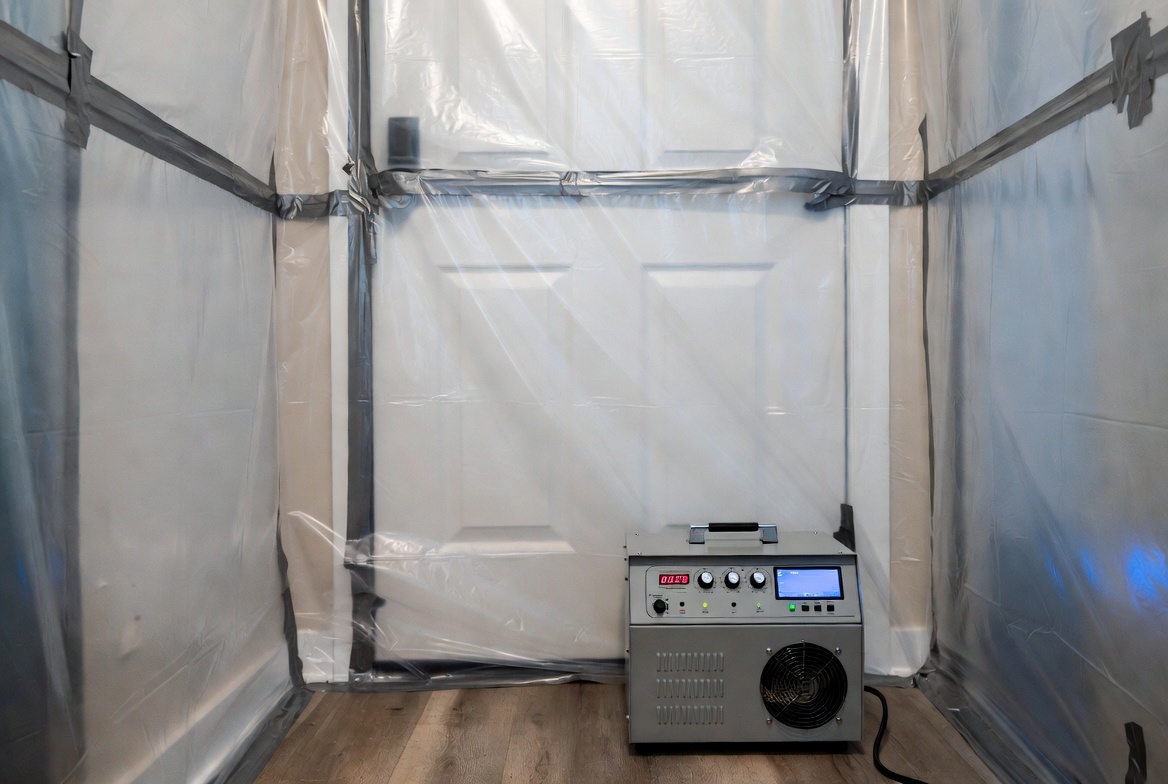
Winter steam heat traps volatiles; a propped parlor door can seed shared halls. Summer window units recirculate odor inside single rooms while courtyards stay humid. Soft goods in basement cages become secondary reservoirs. Insect marks on sunny sashes flag longer intervals in vacant rentals. Floating vinyl over foam hides lateral soak. Contain first, map moisture including garden levels, then remove saturated assemblies before fragrance devices run.
The New York City Office of Chief Medical Examiner and any NYPD hold control when remediation may begin inside the five boroughs—unlike Westchester, Nassau, or Suffolk county offices. After release, landlords, co-op boards, and estates should write salvage rules. Stoops and courtyards demand covered carts. Keep photo inventories for probate and insurers; treat ozone devices as adjuncts only after porous materials leave.