Direct answer
What should a property decision-maker know in Greenwich, CT?
Greenwich, a Fairfield County Gold Coast town of roughly 63,000 residents with a median household income well above state averages, features main houses, guest cottages, pool houses, and staff spaces on large landscaped lots. New York City commuting patterns and winter-sealed envelopes often delay discovery; continuous heating recirculates odor through zoned systems. This educational guide covers Connecticut Office of the Chief Medical Examiner release gates, multi-structure mapping, porous removal, estate documentation, and privacy—without claiming a brick-and-mortar office, local crew roster, or promised response time.
This Greenwich, CT page is an educational unattended death cleanup planning guide. It does not claim a brick-and-mortar office, local crew roster, or promised response time in Greenwich.
Editorial guide · Biohazard Remediation NetworkUpdated 2026-07-22Location focus: Greenwich, CT
Local planning context
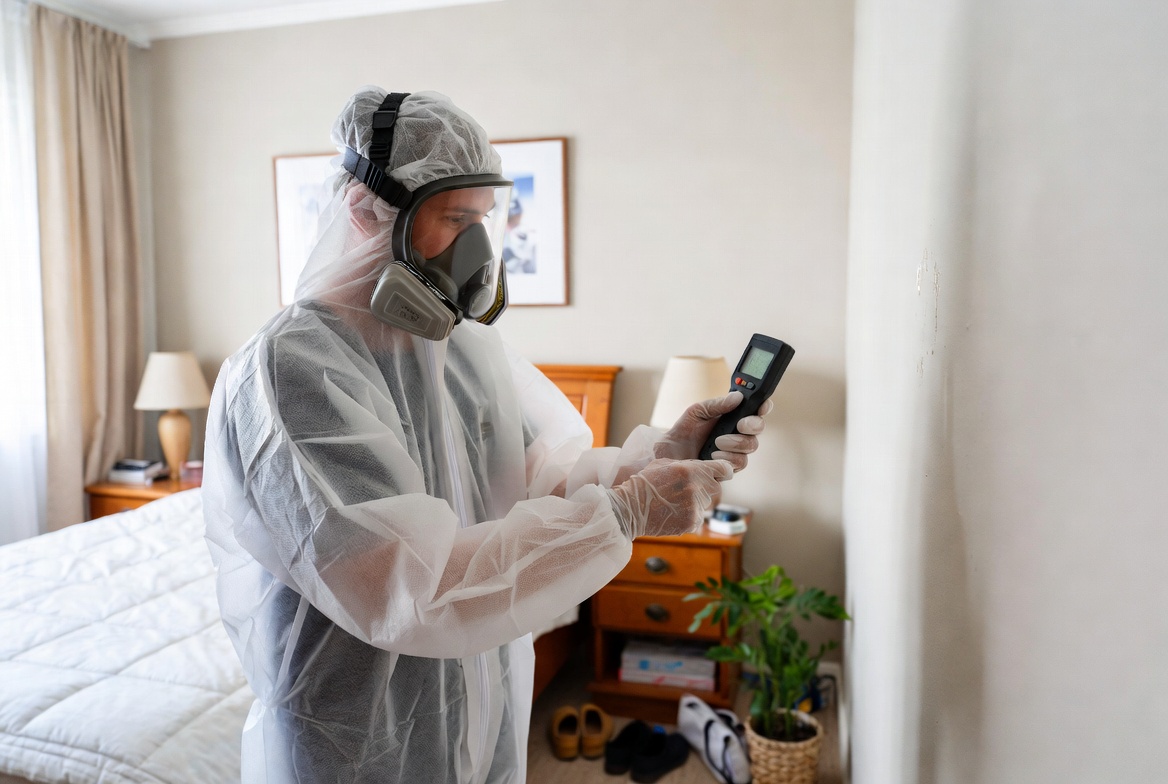
Estate parcels frequently combine a primary residence with a carriage house, guest cottage, pool cabana, or staff apartment where an older relative or caretaker may have lived with limited daily contact. Missed Metro-North patterns, unpaid service notices, or a neighbor’s welfare concern can be the first alert. By discovery, purge fluids may already have soaked carpet pad, hardwood underlayment, and base-plate cavities while the main house still smells only faintly musty. Continuous winter heating and summer cooling keep doors closed for long stretches. Planning should inventory every connected structure on the lot—not only the room where the body was found—before anyone cuts finish floors.
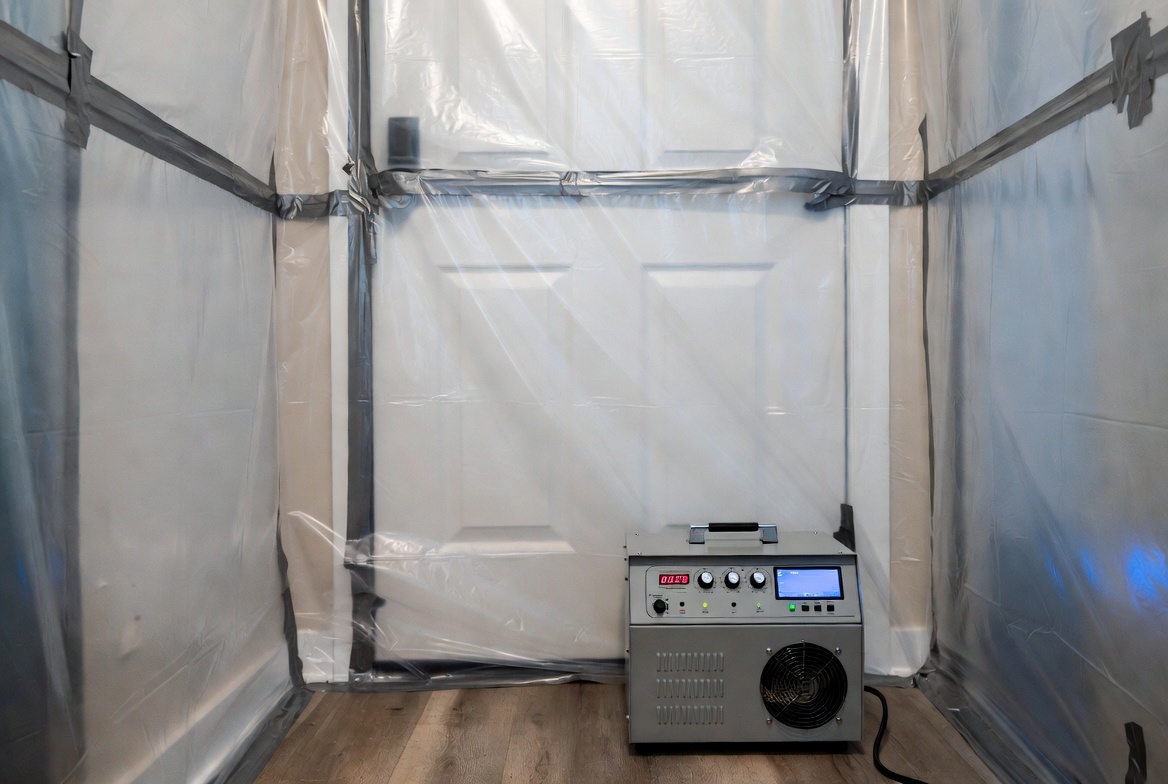
High-value interiors often include thick carpet over pad, wide-plank hardwood over foam, built-in cabinetry, and upholstered furniture that cannot be wiped clean after advanced decomposition. Insect clustering on tall windows and skylights marks longer postmortem intervals in unoccupied wings. Relatives sometimes open French doors “to air the house” while soft goods still sit wet; that practice dilutes hallway smell temporarily while aerosolizing residues into returns that serve distant bedrooms. Gated driveways and landscaped screening raise privacy expectations during bag-out. Covered waste paths and discreet staging away from street view reduce conflict without changing source-removal science.
Connecticut’s Office of the Chief Medical Examiner handles medicolegal death investigation statewide; local police holds may also control entry timing. After release, trustees, executors, and family-office contacts should align in writing on content salvage—especially art, jewelry, and documents near contaminated soft goods. The Town of Greenwich Health Department and Connecticut Department of Public Health provide public-health reference points; they do not replace OCME release confirmation. Keep photo inventories and material lists suitable for probate counsel and insurers so health-driven demolition is not confused with later remodel choices.