Direct answer
What should a property decision-maker know in Los Altos, CA?
Los Altos has about 31,000 residents and a median household income near $250,000. Tree-lined ranch homes, updated slabs, and occasional ADUs create delayed-discovery scenarios where sealed HVAC, thick carpet, and estate counsel shape the work more than street-facing multifamily logistics. This educational page covers scene-release gates, porous-material removal, odor source control, trustee and landlord documentation, and privacy—without claiming a brick-and-mortar office, local crew roster, or promised response time.
This Los Altos, CA page is an educational unattended death cleanup planning guide. It does not claim a brick-and-mortar office, local crew roster, or promised response time in Los Altos.
Editorial guide · Biohazard Remediation NetworkUpdated 2026-07-22Location focus: Los Altos, CA
Local planning context
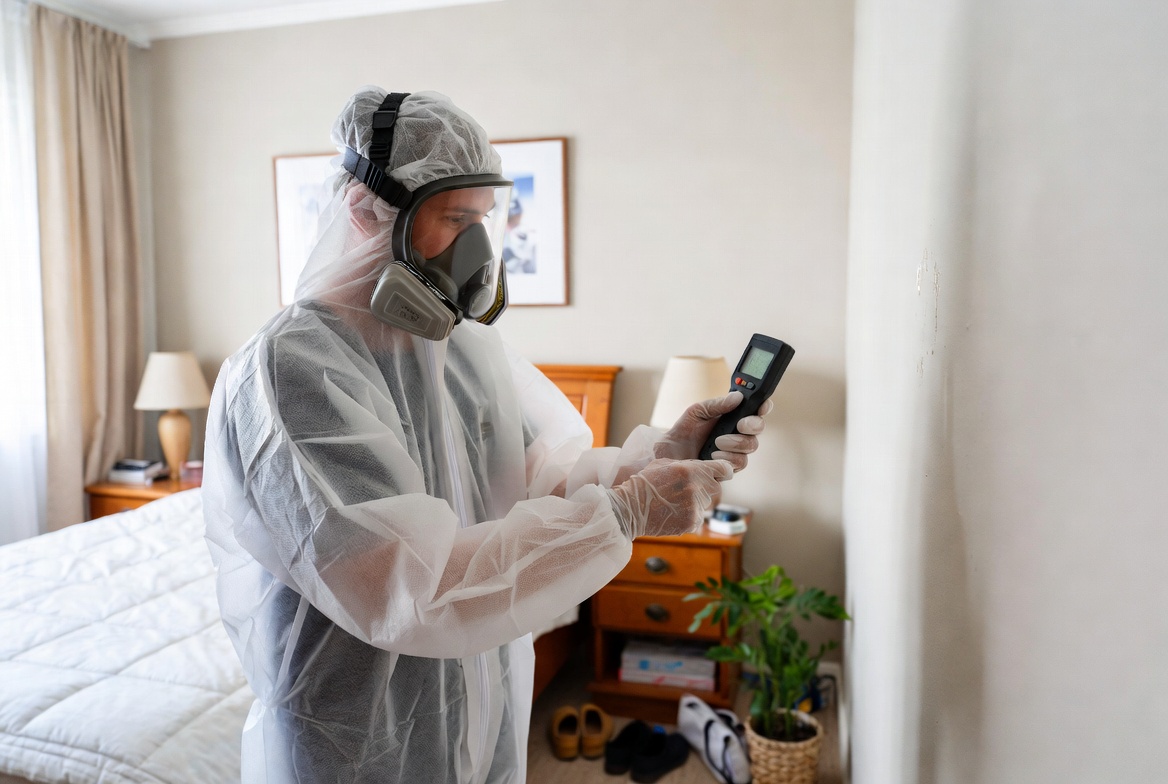
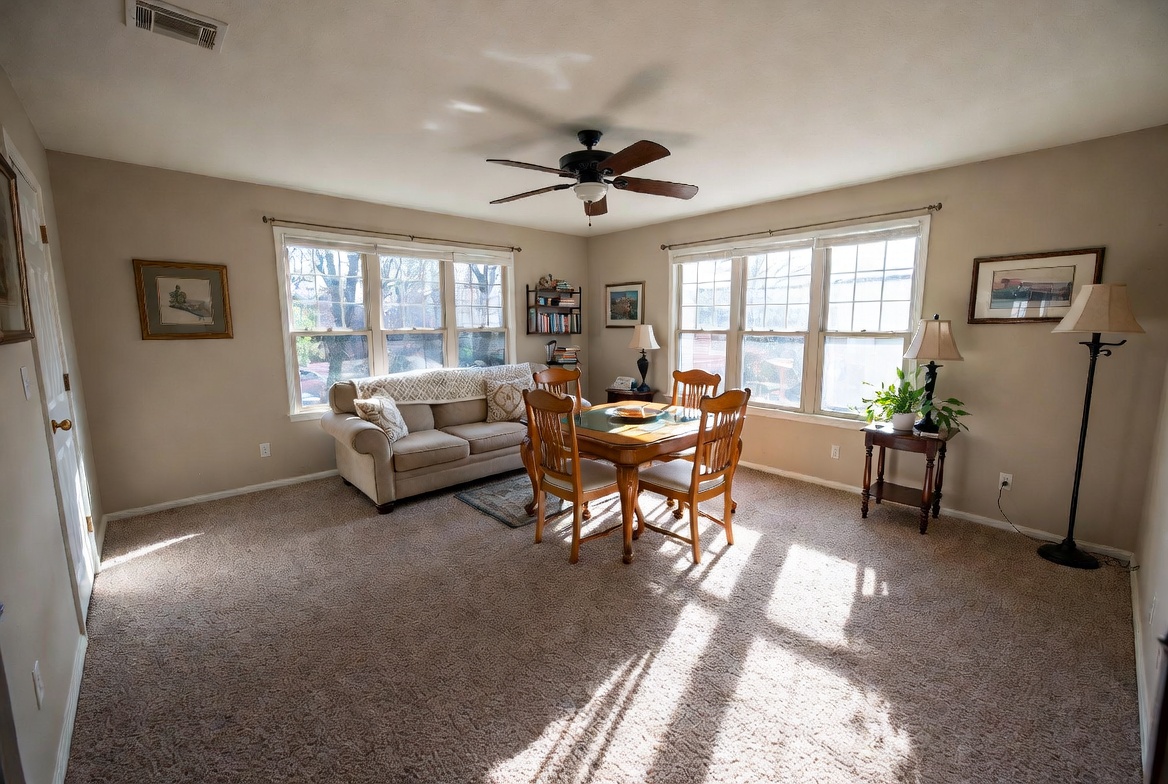
Residential stock leans toward single-family ranches and remodeled slabs with carpet or engineered wood, plus some guest suites and ADUs. A resident living alone may go undiscovered until a neighbor, caregiver, or unpaid bill triggers a welfare check. By then, purge fluids often have wicked through pad into underlayment while continuous heating or cooling recirculated odor through the house. Planning should treat the primary bedroom, adjacent baths and closets, and any connected suite as one survey zone before demolition starts.
Quiet streets and landscaped lots raise privacy expectations during bag-out. Open dumpsters and uncovered carts draw attention that covered staging avoids. Families sometimes move textiles to garages “temporarily,” creating secondary odor reservoirs in particle-board cabinets and cardboard boxes. Insect activity on sunny windowsills marks longer postmortem intervals and possible tracking into linen closets. Map those secondary caches; do not assume the stain outline is the whole problem.
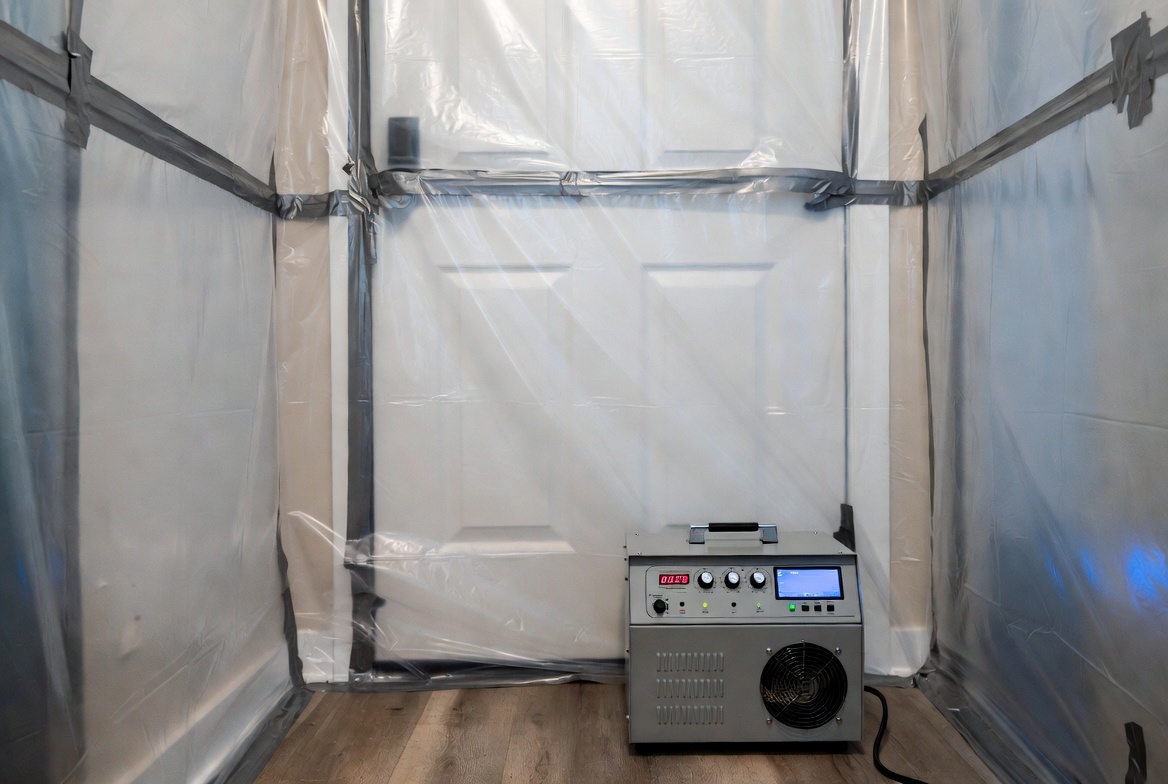
Santa Clara County Medical Examiner-Coroner involvement and any law-enforcement hold control when cleanup may begin. After release, executors and property managers should align on salvage versus disposal, especially when photographs, documents, and jewelry sit near contaminated soft goods. Keep scopes that separate biohazard demolition from later flooring and paint. Documentation that shows moisture margins and HVAC isolation helps insurers understand why a “small stain” required wider removal.