Direct answer
What should a property decision-maker know in Phoenix, AZ?
Phoenix has about 1,650,000 residents and a median household income near $65,000. Desert heat, slab-on-grade stucco homes, evaporative coolers in older stock, and large HOA communities shape how delayed-discovery deaths present: rapid decomposition indoors, deep porous soak, and odor that escapes into shared attic or hallway spaces. This educational page covers migration mapping, HVAC and cooler pathways, estate and landlord coordination, privacy, and documentation—without inventing municipal cleanup ordinances or claiming local crews.
This Phoenix, AZ page is an educational unattended death cleanup planning guide. It does not claim a brick-and-mortar office, local crew roster, or promised response time in Phoenix.
Editorial guide · Biohazard Remediation NetworkUpdated 2026-07-22Location focus: Phoenix, AZ
Local planning context
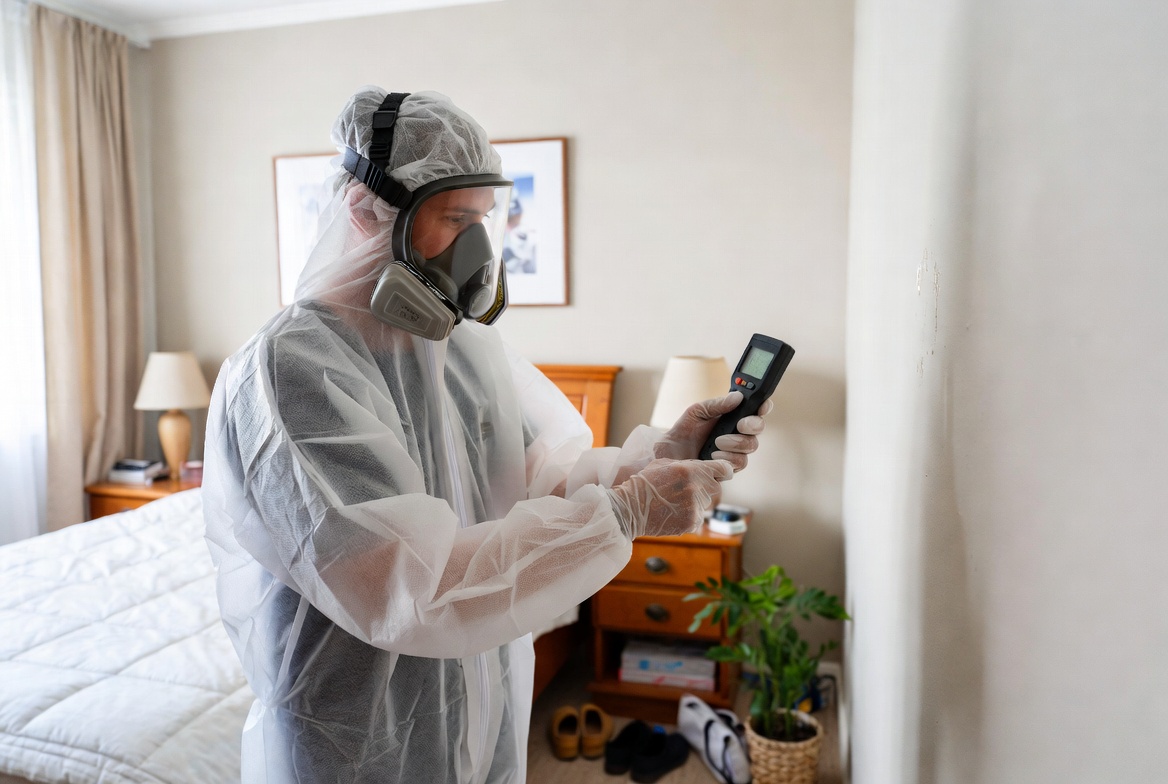
Residential construction here is dominated by concrete slabs, stucco exteriors, tile roofs, and carpet or vinyl interiors, with many communities under HOA architectural and staging rules. Extreme summer heat turns sealed, air-conditioned houses into accelerated decomposition environments when a resident dies alone and is not found for days. Carpet pad and particle-board furniture fail quickly; fluids can reach base plates and cabinet cavities while exterior landscaping still looks ordinary. Planning should prioritize interior source reservoirs over outdoor airing, which does little once pad is saturated.
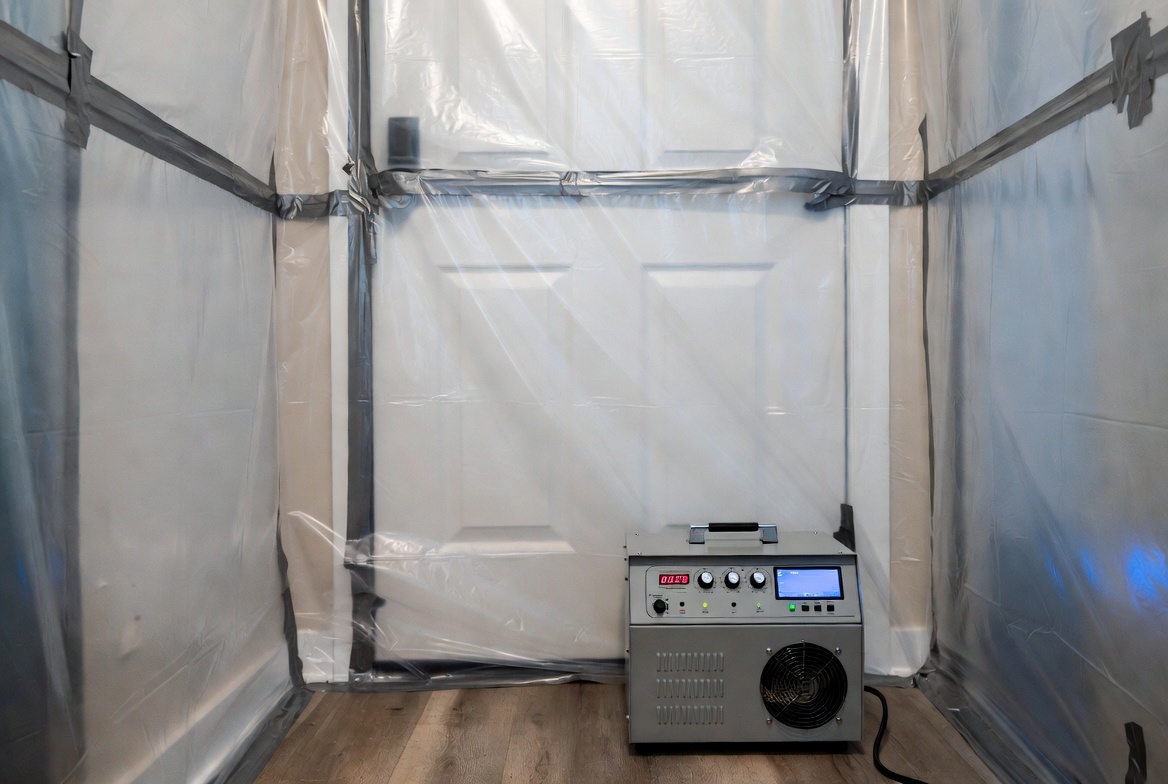
Older neighborhoods may still use evaporative coolers that move large air volumes through ducts or window units. Those pathways can distribute odor across rooms differently than refrigerated air conditioning. Attic spaces above hot ceilings sometimes become secondary odor sinks if return leaks exist. Insect activity remains relevant even in arid climates when indoor moisture from purge fluids is available. Gated HOA communities add access steps—codes, guard notes, dumpster placement limits—that affect how discreetly contaminated materials leave a property after release.
Maricopa County medical-examiner involvement and any law-enforcement hold control the start of remediation. After release, landlords and estate representatives should align on contents, especially in investor-owned rentals common across the Valley. Privacy planning matters on dense lot lines where neighbors watch driveway activity. Document HOA constraints, moisture findings, and materials removed so rebuild contractors inherit a clear, dry substrate rather than painting over unresolved odor sources.