Direct answer
What should a property decision-maker know in Portland, OR?
Portland, in the Willamette Valley metro, has about 635,000 residents and a median household income near $81,000. Rainy seasons, craftsman and mid-century homes with basements or crawl spaces, ADU conversions, and inner-city multifamily housing shape unattended-death planning: delayed discovery, porous migration, insect activity, HVAC spread, and elevated secondary mold risk when moisture lingers. This educational page covers assessment, estate and landlord coordination, privacy, and documentation—without inventing local-specific cleanup mandates or claiming service availability.
This Portland, OR page is an educational unattended death cleanup planning guide. It does not claim a brick-and-mortar office, local crew roster, or promised response time in Portland.
Editorial guide · Biohazard Remediation NetworkUpdated 2026-07-22Location focus: Portland, OR
Local planning context
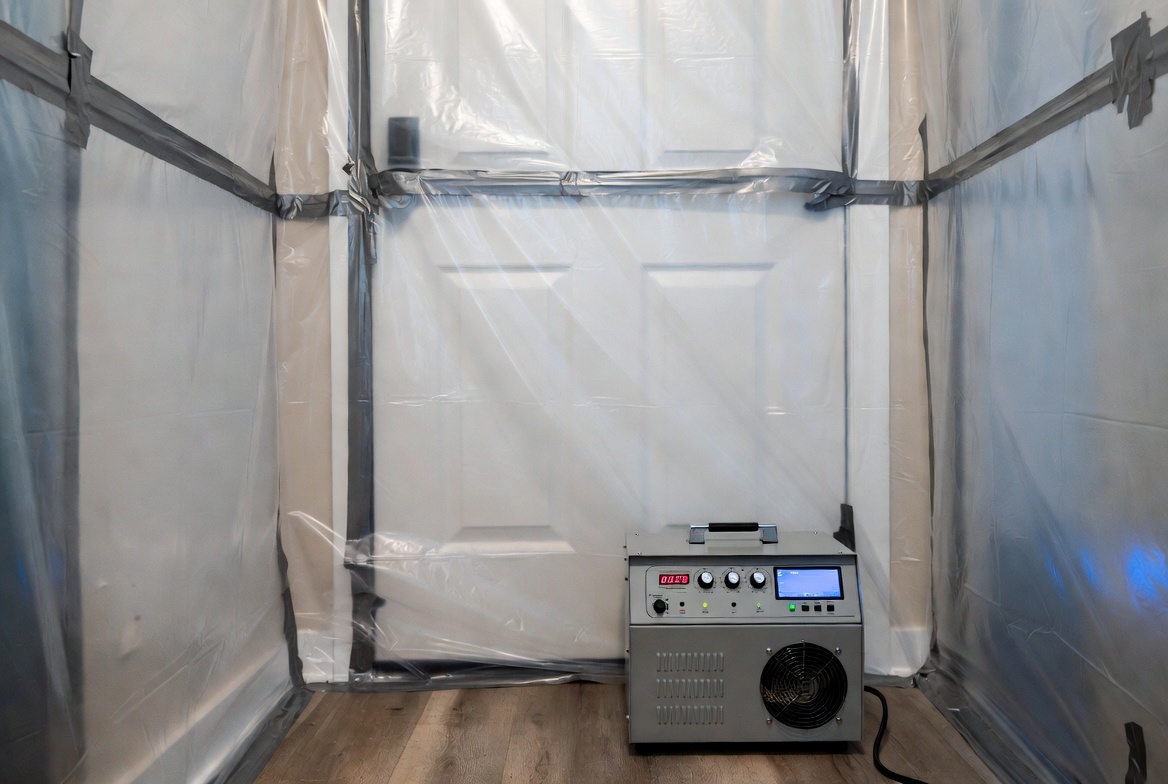
Inner neighborhoods feature craftsman porches, basement rooms, and converted ADUs where residents may live with relative privacy until odor or missed contact triggers a welfare check. Outer areas add mid-century ranches and garden apartments with shared carports. Rain and cool temperatures keep windows closed for long stretches, concentrating decomposition VOCs indoors when discovery is delayed. Crawl spaces and basements collect drip-through from upstairs bedrooms; damp outdoor climate then slows drying after demolition. Planning should treat moisture control as inseparable from biohazard source removal.
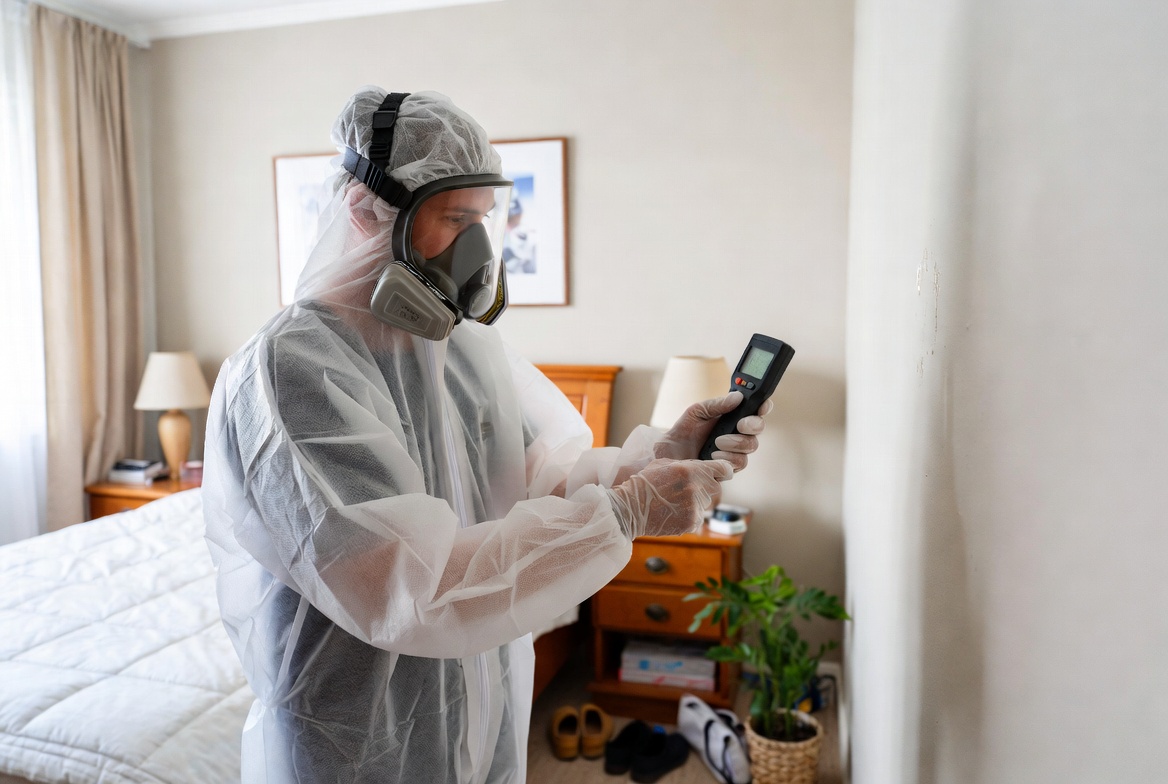
Multifamily buildings along transit corridors introduce corridor odor pathways, tight street parking for load-out, and neighbors who notice containment quickly. Soft goods moved to covered porches during rainy weather can sit in plastic totes that become secondary odor bombs. Insect activity around windows remains a delayed-discovery marker in vacant units. Older plaster and lathe walls may show less dramatic staining than modern drywall while still holding odor at base plates. Assess assemblies with tools and smell tracing, not plaster appearance alone.
Multnomah County medical-examiner processes and any law-enforcement hold control when cleanup may begin. After release, landlords and estate representatives should document ADU versus main-house authority when both are occupied by different parties. Privacy on porch-facing streets means covered carts and careful timing of noisy demolition. Keep records that show porous materials left the property and that drying was verified—critical in a climate where new flooring over damp substrates fails often.