Sacramento, CA

Unattended Death Cleanup Planning in Sacramento, California

What to do, who to contact, and what to ask in Sacramento.

Sacramento help after a late-found death: County Coroner release, Valley heat, tule fog drying, alley load-outs, and the papers to keep for the estate.

Get an email reply about unattended death cleanup

Send a short message to the follow-up inbox. A coordinator can reply by email. This form does not send emergency help; call 911 first if anyone is in danger.

Tell us what you need help with. Share a short description; please leave out medical details, access codes, and other sensitive information.

A request does not confirm a booking. For immediate danger, contact local emergency services.

Or email info@quiethomerecovery.com

The short answer for Sacramento, CA

On Sacramento's older streets, a person who lived alone is sometimes found only after mail piles up on the porch. If you are now the one making calls, begin with the Sacramento County Coroner's release and leave the house closed. A trained crew can do the rest. Below, you will see how Valley heat, tule fog, and alleys shape your plans.

What to do, step by step

  1. 1

    Get the Coroner's release and the right signatures

    Once the Coroner's office confirms the release, collect signatures from the people who control the home. Make a quick sketch of the rooms, basement, attic, alley garage, and patio that may be part of the work. It need not be neat. Take a photo of the alley or hallway as it looks now, before any floor protection goes down. That photo settles questions about marks or damage afterward.

  2. 2

    Tell the crew about the floor, the alley, and the shed

    Let the company know whether your house has a raised floor or sits on a slab, and what flooring is stacked there. In a midtown bungalow, they should look under the room as well as under any vinyl plank. Ask them to check the backyard shed off the alley for bedding someone carried out. The cut line they set should come from moisture readings. Have them walk you through it.

  3. 3

    Plan the air around the heat or the fog

    In a 100-degree week, the crew can close the bedroom's vents and leave the rest of your house cooled. They filter the air inside plastic sheeting. In extreme heat, expect extra care with dust when dried materials are cut. Fog season is different: give the house extra days before the last meter check. Odor machines are saved for the very end. Ask how the weather that week changed their plan.

  4. 4

    Keep a file for the estate, landlord, and rebuild crew

    Ask for photos of what was removed, what was kept, and the bare slab or subfloor. The file should note any heat or fog that changed how the work was done. Hazard removal goes on its own invoice, with finish work billed elsewhere. Wait until the readings hold steady before your flooring installer comes back. In fog season that can take longer than you expect.

What cleanup is like in Sacramento

Your Sacramento home may be one of the older wood-frame houses with alley garages on the downtown and midtown grid, and tree-shaded streets in Land Park and East Sacramento. Or you may live in the slab tracts of Natomas and the south area, or in neighborhoods near the American and Sacramento Rivers. In a Valley heat wave, a gap of days lets fluid reach the subfloor while the AC spreads the smell. Your home's build decides what gets checked. Midtown and Land Park bungalows often have raised wood floors. Natomas and Elk Grove tracts sit on slabs.

Valley summers often pass 100 degrees. In that heat, residue can dry out and turn to dust if it is disturbed, so please do not move things yourself. A good crew seals the room and runs HEPA filters before touching anything. Winter flips the problem. In tule fog and damp spells, moisture lingers after cleaning, and your drying takes longer. When the Delta breeze arrives in the evening, opening the whole house is tempting. That helps for an hour or two, and then the smell is back. Floating vinyl from a remodel can hide a wide spread.

The Sacramento County Coroner and city police must release the home first. Next, you and the landlord, the estate, or sometimes a public-agency property manager agree on what to keep. If your bungalow has an alley, the crew can load from the rear for privacy. In an apartment, the halls need protected paths. With shade trees and porch life, your neighbors notice when bins sit out too long. Ask that any heat or fog that slowed the work be written down, so it shows in your claim file.

What to expect for your type of home

  • Wood-frame homes on the midtown grid: layered floors, basement stairs, and the alley garage can all hold tracked traces. Ask the crew to check each one.
  • Postwar slab tracts: fluid spreads through the pad and the layer against the concrete, past the stain edge. Ask how far the readings went before work is priced.
  • Soft-story apartment buildings: the unit's returns are closed, and the breezeway or elevator lobby is protected for the load-out. Check the timing with your manager.
  • Homes near the rivers with patios: fabric may have been set outside to air. Show the crew, since it can carry the smell back in.
  • Older homes with a sleeping attic or ADU: each space needs its own note on who can approve work. Sort that out before the crew's first day.
  • Any home in 100-degree heat: dried residue turns dusty when disturbed. Leave the room closed, and ask the crew how they will seal it first.
  • Any home in tule fog season: drying takes longer than it looks. Ask that your walls stay open until meter readings say they are dry.
  • HOA cul-de-sacs: a narrow driveway apron limits where a bin can sit. Ask the company to look at yours before they bring one over to you.

Papers and records to keep

  • The Coroner's release date and signed access from the Sacramento owner or family
  • The building type: grid bungalow, slab tract, soft-story apartment, or home near the river
  • Limits on where things could be set in the alley, driveway, or elevator
  • Photos of rooms, basement, attic, alley garage, patio, and any piles of fabric
  • Moisture readings through summer heat or winter tule fog, until dry
  • An itemized list of the carpet, pad, and furniture that went out by the alley or hall
  • How the AC was shut off, and what the filter looked like
  • Notes on heat, dust control, or fog drying that shaped the order of work
  • Waste receipts when used, plus a repair list noting any heat or fog drying delays

Local offices and official help

Common questions in Sacramento

How does Central Valley heat change the cleanup?

It makes dust control the first concern. Strong heat can dry residue into dust that rises when soft materials are moved, so a sealed work area and HEPA filters matter even more. Hot, dry air may dry surfaces faster after wet cleaning than coastal air would. Still, drying needs honest moisture checks at every opening. Heat does not remove the need for the Coroner's release or for taking out the soaked pad and furniture.
What should be checked in an older home on the grid?

More than the one room. Layered floors, the spots where plaster meets drywall, basement stairs, a converted attic, and the alley garage often hide where fluid went. Halls and porches link many small rooms in these houses. If the mark reached the edge of the room, the baseboards and lower walls need a look. Ask for photos of any alley building used after the death, even a plain one.

How do tule fog and winter damp affect drying?

They slow it. Inside a closed bungalow or apartment, a wall space can feel dry to the touch and still read high on a meter. Closing up too early traps odor and can let mold grow. Allow more time, and ask for recorded readings before paint or new flooring. A note about the fog helps your insurer see why a small bedroom job stayed open longer than a summer one would.

Why does loading from the alley help with privacy?

It moves sealed bins out of view of the street. Front porches and tree-lined sidewalks put neighbors and passersby close to anything at the curb. When your lot allows it, rear alley access is quieter. The alley garage floor should still be protected, and sheds checked for bedding someone moved there. Plain packing and simple access notices matter either way. The sealed work indoors stays the same.

Can a Delta breeze through open windows replace removing the wet pad?

No. A mild evening breeze may thin the hallway smell for an hour. It does not reach what is held in the layer under the floor or in the furniture. Wide-open doors can also pull the smell into halls and bedrooms that were fine. The room is sealed, the wet pad and furniture are pulled, what stays is scrubbed, and it is dried. Odor machines come only after that.

Who clears a Sacramento house or apartment for cleanup?

The Sacramento County Coroner, along with any police investigation. Please wait for the release. Nearby suburbs in Placer or Yolo County may be handled by a different office, so confirm which county the home is in. A signed note from the owner or family about access and disposal helps you avoid arguments later.

What changes in a walk-up with parking tucked underneath?

The parking area below needs a look. Some older Sacramento apartment buildings have parking under the living units, and fluid from a unit above may reach that ceiling. Odor can drift to cars and storage there. Ask for the ceiling below the affected room to be checked. Neighbors' cars and stored boxes should be moved clear. Residents only need to know the timing and which spaces are closed.

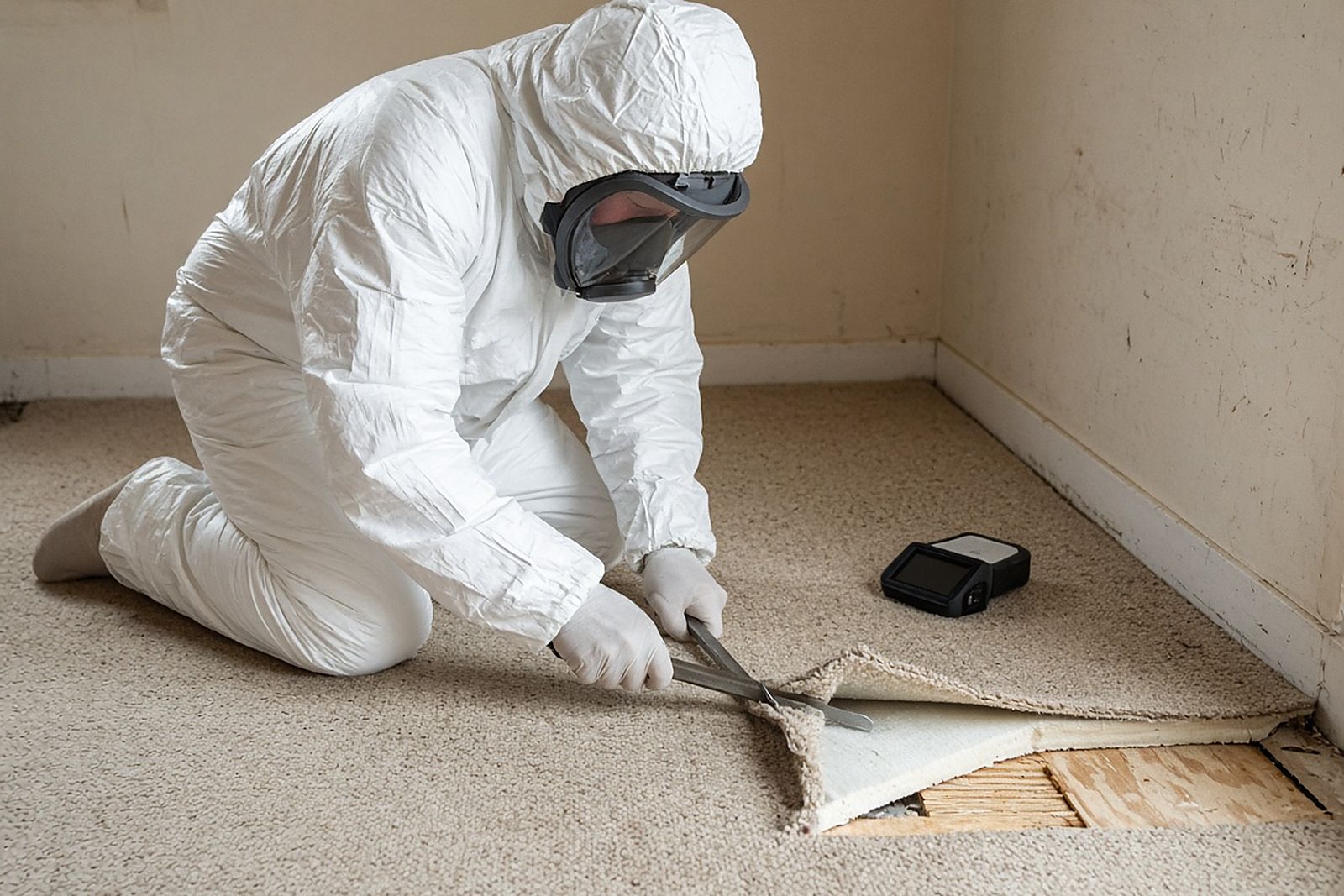
Technician in a full-face respirator cutting back carpet and pad to expose the subfloor
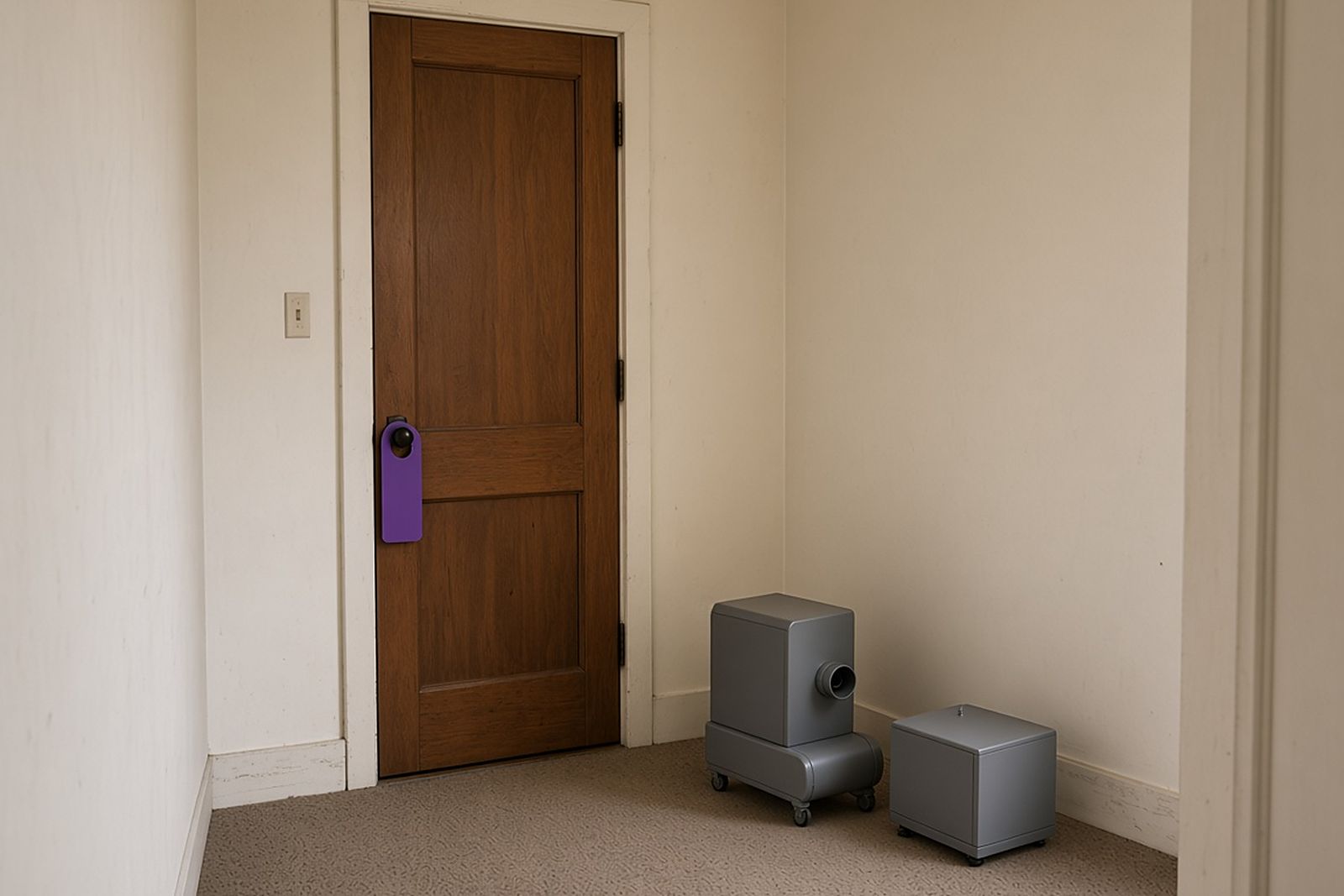
Air-filtration and odor-control units staged outside a closed door with a do-not-enter tag on the handle

Facts worth knowing

  • In a Swedish survey of 666 suicide-bereaved parents, those who viewed their child's body reported nightmares about the death more often than those who did not; cause is unproven.

    Why it matters: Viewing can leave hard images for some people, so you may want support in place before and after you go.

    Source: Omerov et al., 2014

  • In a UK interview study, 35 of the 49 bereaved people who chose to view or identify the body said it was the right decision; nine had mixed feelings.

    Why it matters: If you are unsure about viewing, it may help to know most people in this small study felt they chose right.

    Source: Chapple et al., 2010

  • In interviews with 21 Australian widows over 65, paperwork and official tasks made the early period after a death harder.

    Why it matters: You may want to ask a relative or friend to help with forms, calls and claims in the first weeks.

    Source: DiGiacomo et al., 2015

Tools that help right now

What would you do?

Poll results

Vote to see how other people answered. You can change your answer at any time.

Your experience

As a landlord, how long would you wait for the tenant's family before arranging cleanup yourself?

Be the first to vote
Process

Which part of an unattended death project would you find hardest to manage?

Be the first to vote

Need help in Sacramento?

Send a short message about the property to the follow-up inbox. A coordinator can reply by email with next steps.

Your request is sent to the follow-up inbox. A coordinator can reply by email.

If anyone is hurt or in danger, call 911 first.