Biohazard Decontamination: Choosing a Company
What to ask a biohazard decontamination company before you hire: training, insurance, how waste is handled, and what you get in writing.
Posts here help you pick a biohazard cleanup company whose skills fit your event. You will find question lists for the first call and red flags that suggest a company may cut corners. You will also find advice on checking training, records, and credentials. Articles compare local and national companies and explain how to confirm a company's waste hauler. They describe how to judge whether its disinfectant choices and drying plans match the materials in your building. You will also see how to read a sample final report. Then you know what a finished job should look like on paper before you commit to anyone.
Get an email reply about biohazard decontamination
Send a short message to the follow-up inbox. A coordinator can reply by email. This form does not send emergency help; call 911 first if anyone is in danger.
Matching the company to the event matters because biohazard work is broad. A firm that is great at trauma cleanup may have little sewage drying experience. A water damage contractor may lack blood safety training. Learning what to ask helps you find a company that can explain its steps, product labels, and waste handling for your situation. It also helps you walk away from one that answers every question with the same vague promise. Posts also explain how to ask about subcontractors, since some firms send a separate drying or hauling crew. Knowing who will really be in your building, and who answers for the result, protects both your property and your records.
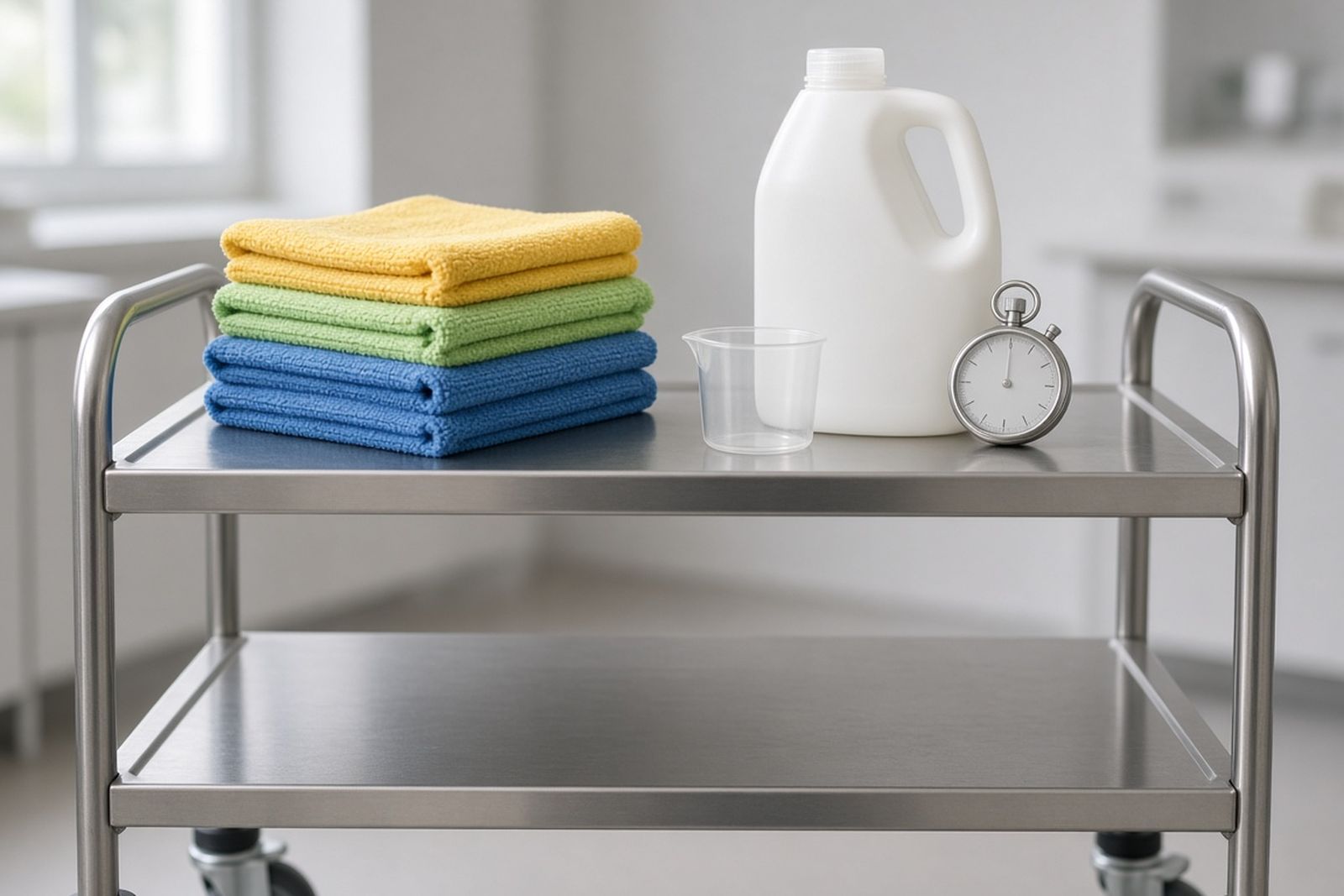
10 Questions to Ask Before Hiring a Biohazard Decontamination Company
Ten plain questions to ask before you hire a company to clean up blood, body fluids or sewage. Learn what a good answer sounds like and what to get in writing.
Ask how the workers are trained under the OSHA bloodborne pathogens standard, and which disinfectants they use and why. Ask how they decide what to remove, how waste leaves your property, and what records and proof you will get. Also ask about insurance, price changes, and who will really do the work. Clear, specific answers matter more than slogans.
Red Flags When Hiring Biohazard Decontamination Services
Vague answers about disinfectant, no training for blood cleanup, no waste paperwork, pressure to sign. Learn the warning signs to catch before a crew enters your home.
Watch for a company that cannot name its registered disinfectant or say how long it must stay wet. Watch for no proof of bloodborne pathogen training, no plan for regulated waste, and a price given without seeing the site. Pressure to sign fast is another warning. So is a refusal to put the work plan, what is left out, and the final records in writing. Even one of these is worth pressing on before you agree to anything.
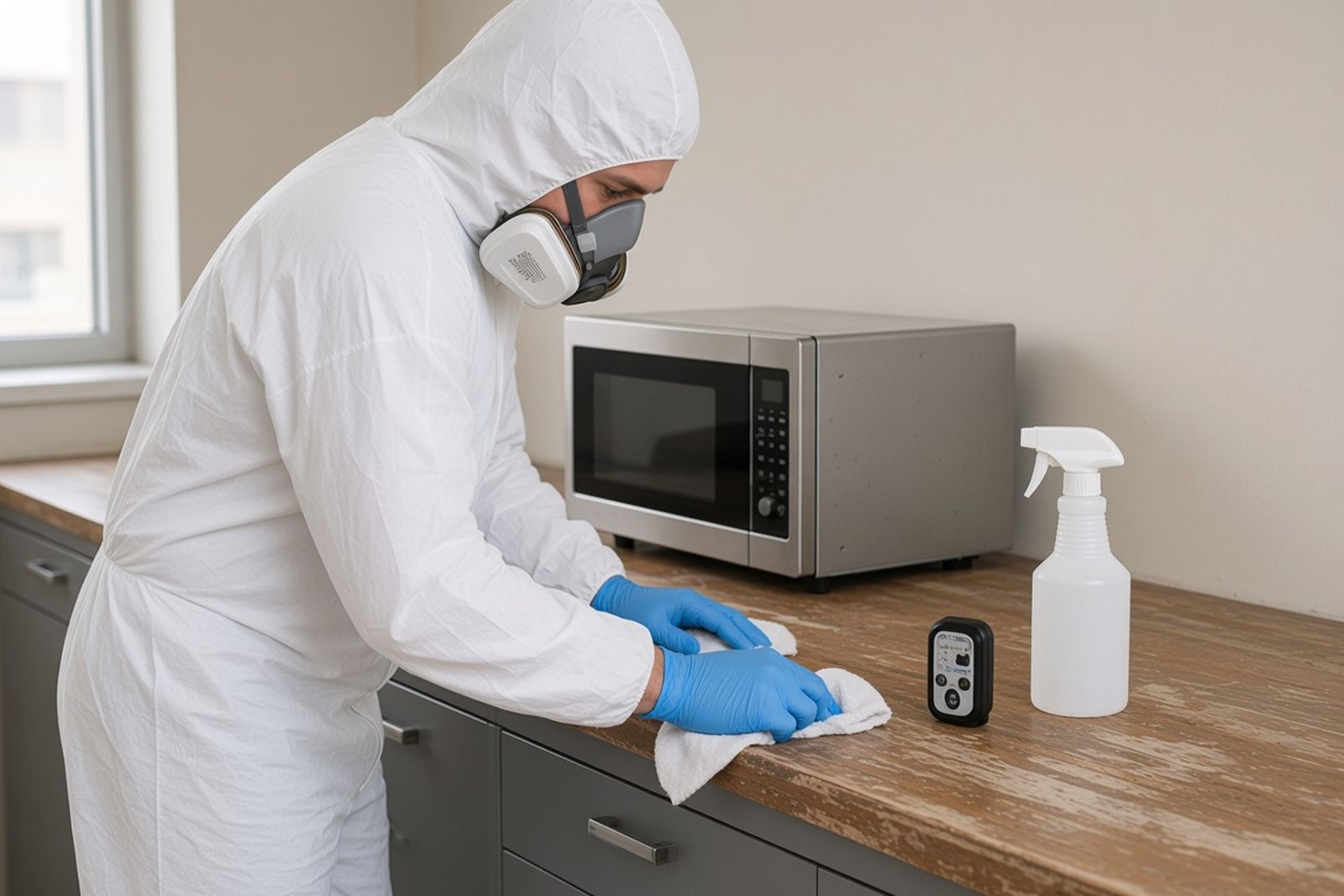
Training, Documentation, and Credentials for Biohazard Decontamination
What do training, exposure control plans, waste permits and job records really tell you about a company that cleans up blood and body fluids? Here is how to check them.
Credentials matter because you cannot judge this work by looking at it. Ask for proof of yearly OSHA bloodborne pathogen training, a written exposure control plan and a hepatitis B vaccination program. Ask about any state or local registration for handling or hauling regulated waste, and whether the company keeps job records as a habit. Certificates on a website mean less than papers the company can show you for your own job.
How to Compare Local and National Biohazard Decontamination Providers
Should you hire a local crew or a national brand to clean up blood or body fluids? Compare them on arrival time, training, disinfectant records and waste handling.
Neither kind is always better. A local company often gives you direct contact with the owner and a flexible schedule. A national brand or franchise may cover more areas, follow set procedures and have the staff for large jobs. Compare the people who will really arrive. Look at their bloodborne pathogen training, their disinfectant and waste records, their written work plan and how they deal with insurers.
Facts worth knowing
OSHA rules require bloodborne germ training for exposed workers when they are first assigned and at least once a year after that.
Why it matters: Ask a cleanup company for proof that the crew coming to your property has current training.
The EPA keeps a list, called List S, of registered disinfectants with label claims against the blood-borne viruses HIV, hepatitis B and hepatitis C.
Why it matters: You can ask a cleanup company whether its disinfectant is on List S and used as the label directs.
In a lab test, a 1:10 bleach mix killed hepatitis C in dried blood spots in one minute, while 70% alcohol left 13% of spots infectious.
Why it matters: Rubbing alcohol alone may not be enough for blood, so ask what disinfectant your cleanup company uses.
Source: Journal of Infectious Diseases (Paintsil et al.), 2014
Choosing a Company: common questions
Should I hire a water damage company or a biohazard company for sewage?
Either may be a good fit if it has the right experience. Sewage cleanup takes water removal and drying skills. It also takes an understanding of removing soiled materials, safety gear, and disinfecting. Ask each company to describe its sewage process step by step. That should include what it removes, how it disinfects, and how it confirms drying.
What training records can I reasonably ask a company to show?
You can ask whether workers receive blood safety training and whether the company has a written exposure plan. You can also ask whether it runs a breathing protection program when respirators are used. Some companies share summaries instead of personal records. Clear answers about how training is kept current are a good sign.
Is a guarantee of complete sterilization a warning sign?
Yes. Cleanup aims to remove dirt, apply a labeled disinfectant properly, and record the results. But no honest company can promise a building free of every germ. Be careful with companies that use all-or-nothing language instead of explaining their method, products, and checks in writing. A clear written plan is worth more than a bold promise.
How do I weigh a friend's recommendation against a company I found online?
A personal tip tells you how a company treated someone you trust, and that has value. Still, ask both companies the same questions, since your job may differ from your friend's. Compare their answers about training, products, waste, and records. The tip can tip the balance if both companies answer well.
What if no local company answers after hours?
Leave clear messages with a few companies, including your name, number, and a short description. In the meantime, keep the area closed off and follow the first-hours steps. Many situations can wait until morning if no one is at risk. If someone is hurt or in danger, call 911. Some regional or national companies also offer after-hours dispatch.
Is it better to hire one company for both cleanup and rebuilding?
One company can make planning and scheduling simpler, and a single contact may help with insurance. But the best cleanup company is not always the best builder. Think about getting separate quotes for each part so you can compare. If you use one company, check that its work plan clearly separates cleanup from rebuilding.
How can I check a company's complaint history?
Search the company name along with words such as complaint or review. Check your state attorney general's consumer protection office and local business bureaus. Look for patterns, not single events. Also ask the company directly how they handle complaints. A thoughtful answer about fixing problems can tell you as much as a clean record.
Related community polls
Vote to see how other people answered. You can change your answer at any time.
When you found a biohazard mess, what was your first instinct?
What would most likely make you hire a company instead of cleaning up yourself?
More on biohazard decontamination
Biohazard Decontamination services
Learn how pro cleanup handles blood, body fluids, and germs in homes, workplaces, and schools. See each step, from the first visit to checked disinfecting and recorded waste removal.
Costs explained
What drives the price, published cost ranges, and how to read a written quote line by line.
Insurance and payment
Which policies may respond, how to document a claim, and what to do if coverage is denied.
Planning tools
Use checklists and planners that help you judge the hazard, plan the first day, sort waste types, and get ready to talk with companies and insurers.
Community polls
See how other owners and managers made choices about body-fluid messes. Compare their instincts with the sourced advice elsewhere on the site.
Knowledge quiz
Test what you know about spotting hazards, scene release, containing a mess, disinfecting, waste, and records. A short quiz and study guide explain each idea.