Biohazard Decontamination Cost: What You Pay For
How the hazard, the area, and the waste amount shape a cleanup quote.
Biohazard cleanup covers many kinds of events. It might be a blood spill in an office, an illness outbreak in a building, or sewage backing up into a finished basement. The hazards differ, so the prices do too. This page explains what you pay for, what moves the price, how to read a quote, and who usually pays.
Get an email reply about biohazard decontamination
Send a short message to the follow-up inbox. A coordinator can reply by email. This form does not send emergency help; call 911 first if anyone is in danger.
Estimate your range
Biohazard Decontamination cost range estimator
Educational only. Real pricing needs an on-site assessment and a written scope. Insurance coverage is decided by your carrier, not by this tool.
Educational range: $1,500 – $3,500
Scaled from a published reference range (virus and pathogen decontamination project) reported by Fixr (2025). Your region, provider and the actual findings on site can move the real number outside this range.
Cost level: Mid range.
None of the big cost multipliers are selected. Minimum service charges, travel and waste fees still apply.
Ask every quote to itemize labor, containment, product, waste disposal, verification sampling, and any rebuild, and to state what is excluded.
Open the full tool page for a worked example and more answers.
What is included in a biohazard decontamination price?
Every job starts by naming the hazard. The company needs to know what it is facing. It could be blood and other body fluids that can carry disease. It could be an infectious disease concern, sewage, or a mix. That answer sets the protective gear, the barriers, the cleaning products, and how waste leaves the site. The estimate then usually covers labor and setting up barriers and air filters. It covers removing items that cannot be made safe, cleaning and then disinfecting, handling waste, and checking the results.
Disinfecting is more than spraying a product. The surface must be cleaned first, because dirt can shield germs from the disinfectant. The product must be approved by the EPA for the germ in question. It must be mixed at the right strength. The surface must also stay wet for as long as the label says. These steps take time and care. They are part of what you pay for when you compare professional work with ordinary cleaning.
- Checking the hazard and planning the job
- Protective gear matched to the exposure
- Plastic walls, limited entry, and HEPA air filters that keep dust inside
- Removing soft materials that cannot be made safe
- Cleaning, then EPA-approved disinfectant left wet for the label time
- Sorting, packing, hauling, and disposing of waste
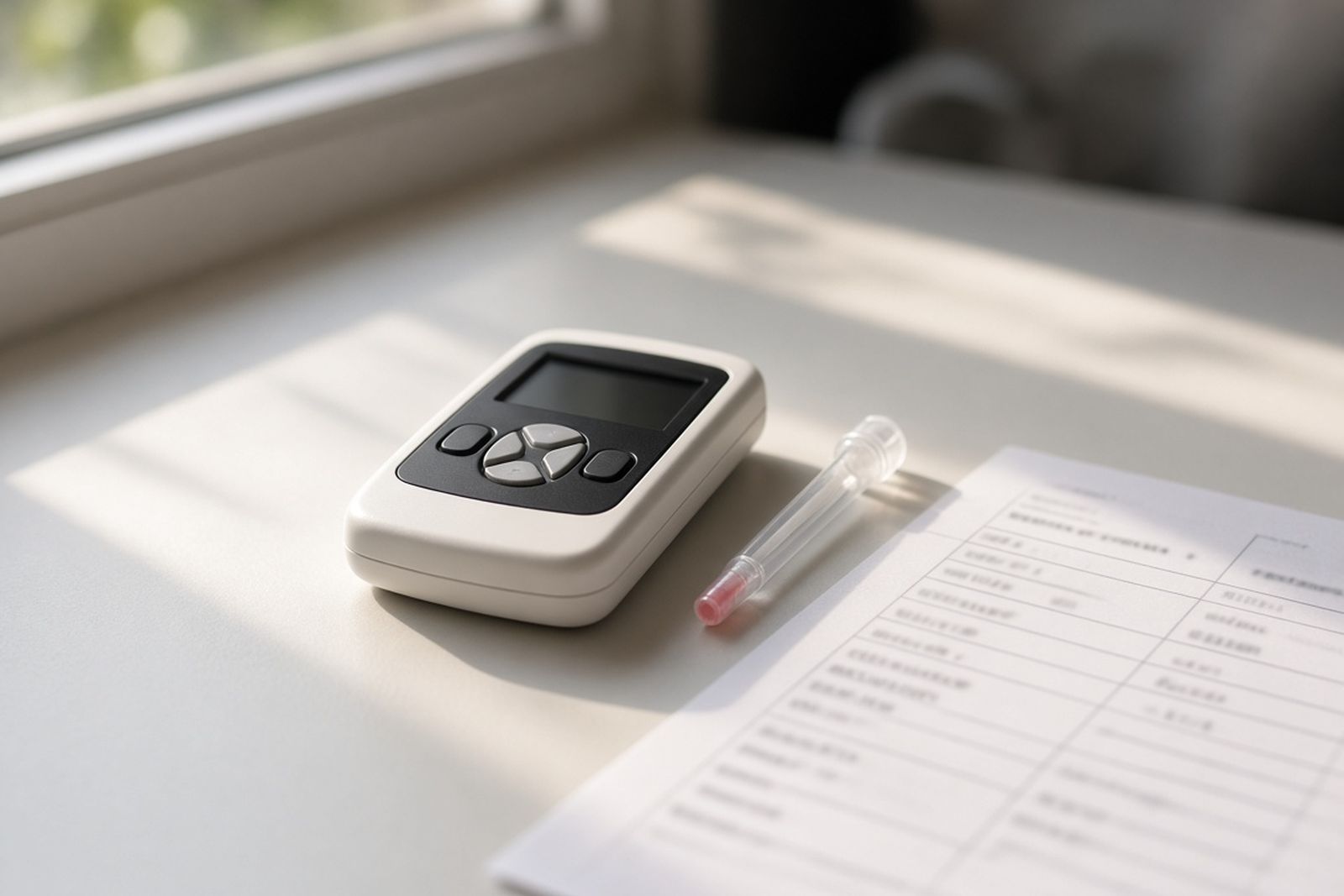
- Checks such as a quick swab test for leftover organic residue (it does not detect germs), plus written records
Which factors move the price of biohazard decontamination?
The type of hazard matters most. A small blood spill on a sealed floor may be a short job. Sewage water from a backup can soak drywall, insulation, and flooring across a whole floor. Disinfecting a large building after an outbreak means finding and treating many surfaces people touch often. That takes a lot of labor, even when little is removed. Each hazard needs different equipment and a different way to get rid of waste.
Next come the size of the area and the materials in it. Soft items like carpet, upholstery, and ceiling tile often cannot be proven clean. They may need to be removed. Access matters too. The space might be a crawlspace, a busy workplace, or a building that must reopen by a set time. Some buildings need the crew to work with safety staff, lock out equipment, or work after hours. That can raise labor costs.
What do published cost ranges tell you about typical projects?
Published guides give you a broad picture, not a quote for your space. Fixr's 2025 guide says virus and germ cleanup projects run $1,500-$3,500. For biohazard work of every kind, the January 2025 edition of Fixr's guide gives a national average of about $4,000. These figures blend many situations. A large building or a badly contaminated home may land well above or below them.
Disposal is often priced by weight. Fixr's 2025 guide reports medical waste disposal at $2-$20 per pound as part of biohazard cleanup pricing. So jobs that remove heavy, soaked materials, like wet drywall or carpet, can see disposal charges climb. Ask how the waste will be weighed, sorted, and recorded. That helps you understand this part of the estimate.
How should you read and compare a decontamination quote?
A clear quote names the hazard, the areas, and the steps planned for each. It should list labor, barriers, removal, cleaning and disinfecting, disposal, and final checks as separate items. Look for the product or type of disinfectant. Check whether wet times will be recorded. Some quotes list only a general fogging or sanitizing charge, with no cleaning or removal steps. Those may not deal with the real hazard.
When you compare companies, make sure each quote treats the hazard the same way. One may plan to remove soaked drywall after a sewage event. Another may offer to clean it in place. One may include swab testing for leftover residue, while another does not. Ask each company to explain its plan. Ask what happens if the contamination is bigger than expected, and what records you will get. When the work plan matches, prices are easier to compare.
Which hidden costs can come up during decontamination?
Hidden spread often adds cost. Sewage can wick up drywall higher than the line you can see. Blood can seep under flooring or trim. Once materials are opened up, crews may find more contamination. That means more removal and disposal. A good company will record what it finds and explain the change before going on. You should approve any added work before it is billed.
Other costs come after the cleanup. Drying equipment may be needed after water events before any rebuild can start. The heating and cooling system may have moved air during an outbreak or spill. It may need new filters or cleaning. Rebuild trades handle drywall, flooring, and finishes. Businesses may lose time and income. Households may need a place to stay for a while. Talking about these early helps you plan your budget.
- More removal once materials are opened up
- Drying the structure after water or sewage events
- New filters or duct cleaning for heating and cooling
- Rebuild of drywall, flooring, and finishes
- Closed business time, lost income, or a place to stay
Who usually pays for biohazard decontamination?
In homes, the owner usually arranges and pays for cleanup. The owner may ask a homeowners policy to pay it back, depending on the cause. Renters usually handle their own belongings, and landlords handle the building. In workplaces, the employer or building owner usually pays. They may turn to commercial property coverage. When someone else caused the problem, like a neighbor's plumbing failure, the duty to pay may shift to them.
Public agencies, schools, and health care sites often have their own buying rules. They may bring in risk management staff. When a crime caused the contamination, a state victim compensation program may help victims who qualify. Rules vary by state and county. Check with the local authority or the program before you assume who must pay or what will be paid back.
What might a biohazard decontamination project look like?
Picture a small office where a sewer line backs up overnight. It floods a carpeted break room and the hallway next to it. The manager calls two companies. One offers to pull out the water and clean the carpet. The other measures moisture in the drywall and base cabinets. It suggests removing the carpet, pad, and lower drywall. It plans cleaning, disinfecting, and drying before any rebuild.
The second company explains that sewage water ruins soft materials. So the manager picks that plan. During removal, the crew finds moisture behind a cabinet. It sends photos and adds a small section to the job. At the end, the manager gets moisture readings, a waste record, product details, and photos. The manager sends these to the building owner and the business's property insurer.
How can you avoid paying for work that does not address the hazard?
The most common mistake is paying for work that looks good but leaves the hazard in place. Scented fogging may seem reassuring. So may wiping surfaces without removing soaked materials, or spraying disinfectant that does not stay wet long enough. None of these may lower the risk. Ask how the company will check the results. Ask how they decide when a space is ready for people again.
Also make sure the company handles waste the right way and can prove it. Improper disposal can make the property owner liable. Ask about the company's training, insurance, and the products it plans to use. A company that answers these questions clearly and in writing is more likely to do work that holds up. That matters for insurers, inspectors, and the people who use the space.
Facts worth knowing
One 2025 U.S. cost guide estimates medical waste disposal at $2 to $20 per pound as part of a biohazard cleanup bill.
Why it matters: Ask whether waste disposal is a separate line on your quote and how the company charges for it.
Employers must offer the hepatitis B vaccine within 10 working days of putting an employee in a job with exposure to blood.
Why it matters: Before asking your own employees to clean up blood, check whether this duty and other OSHA rules apply to you.
In 2024, OSHA's top fines were $16,550 for each serious violation and $165,514 for each willful or repeated one.
Why it matters: If you have your own staff clean up blood or chemicals without required training and gear, you may face fines like these.
Costs questions about biohazard decontamination
Why does sewage decontamination often cost more than a small blood spill?
Sewage events usually cover larger areas. They soak soft building materials like drywall, insulation, and carpet. Those materials usually have to go, which adds labor and waste weight. Drying equipment may be needed before rebuilding. A small blood spill on a sealed surface may need only cleaning and disinfecting. The type of hazard and the materials involved explain much of the difference.
Is fogging enough to decontaminate a space?
Fogging alone is rarely enough. Disinfectants work best on surfaces that were cleaned first. They also need to stay wet for the time on the label. Fogging can help after cleaning, but it does not remove dirt or soaked materials. Be careful with quotes that rely mostly on fogging. A good quote also describes cleaning, removal, and how results will be checked.
How is waste disposal priced?
Many companies price regulated waste by weight, volume, or container. It depends on how the waste is disposed of and on local rules. Heavy, soaked materials, like wet drywall and carpet, raise disposal costs. Ask how waste will be sorted, packed, and recorded. Ask if disposal records will come with your final paperwork. Insurers and building files may need those records.
Can we keep the business open during decontamination?
Sometimes. It depends on the hazard and the layout. It also depends on whether the area can be sealed off with barriers and limited entry. For some outbreaks or sewage events, closing part or all of the space may be safer. Talk through options with the company and your safety contact. Rules vary by state and county. Check with the local authority, especially for food service or health care sites.
What documentation should I expect after decontamination?
A full package usually has before and after photos and a description of the hazard and the work. It lists the products used and how long each stayed wet. It includes test results, such as swab readings where they fit. After water events, it has moisture readings. It also has waste disposal records. This package helps with insurance claims and building records. It also helps you tell people when the space is safe.
Does the decontamination price include rebuilding?
Usually not. Cleanup companies remove contaminated materials and make the space safe. Rebuilding drywall, flooring, or cabinets is usually done by a separate contractor. Some companies work with rebuild partners, but those costs usually come on separate estimates. Ask each company to say clearly what shape the space will be left in. Then you can ask for accurate rebuild bids.
Should I clean up a biohazard myself to save money?
For very small spills on hard surfaces, some owners follow published guidance and wear proper protection. For anything with sewage, a lot of blood, infectious disease concerns, or soft materials, professional cleanup is usually safer. Cleaning the wrong way can spread contamination. It may also make insurance claims harder. If cost is a worry, ask companies about options and talk with your insurer early.
What other people in your situation chose
Vote to see how other people answered. You can change your answer at any time.
When you found a biohazard mess, what was your first instinct?
What would most likely make you hire a company instead of cleaning up yourself?
More on biohazard decontamination
Biohazard Decontamination services
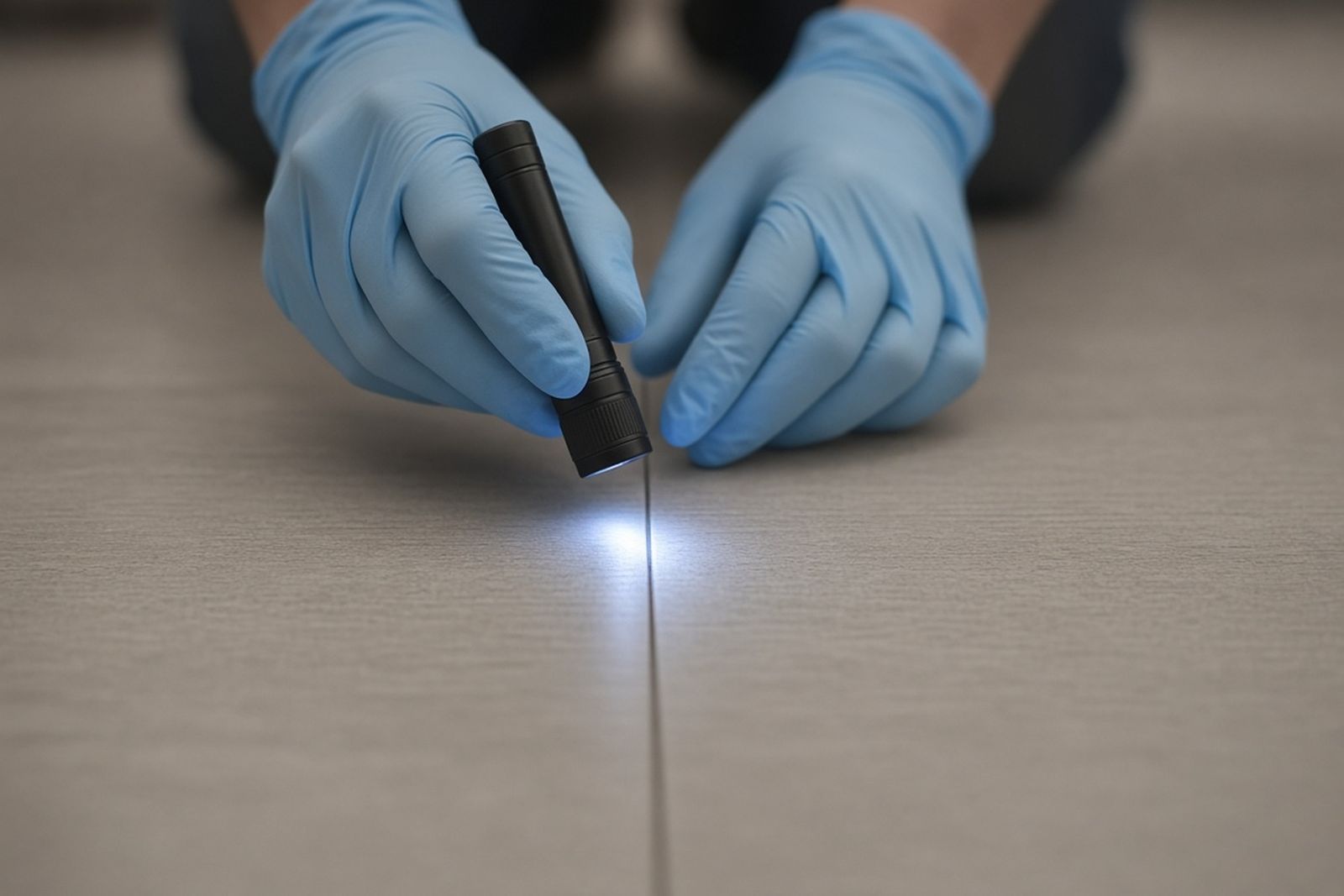
Learn how pro cleanup handles blood, body fluids, and germs in homes, workplaces, and schools. See each step, from the first visit to checked disinfecting and recorded waste removal.
Insurance and payment
Which policies may respond, how to document a claim, and what to do if coverage is denied.
Planning tools
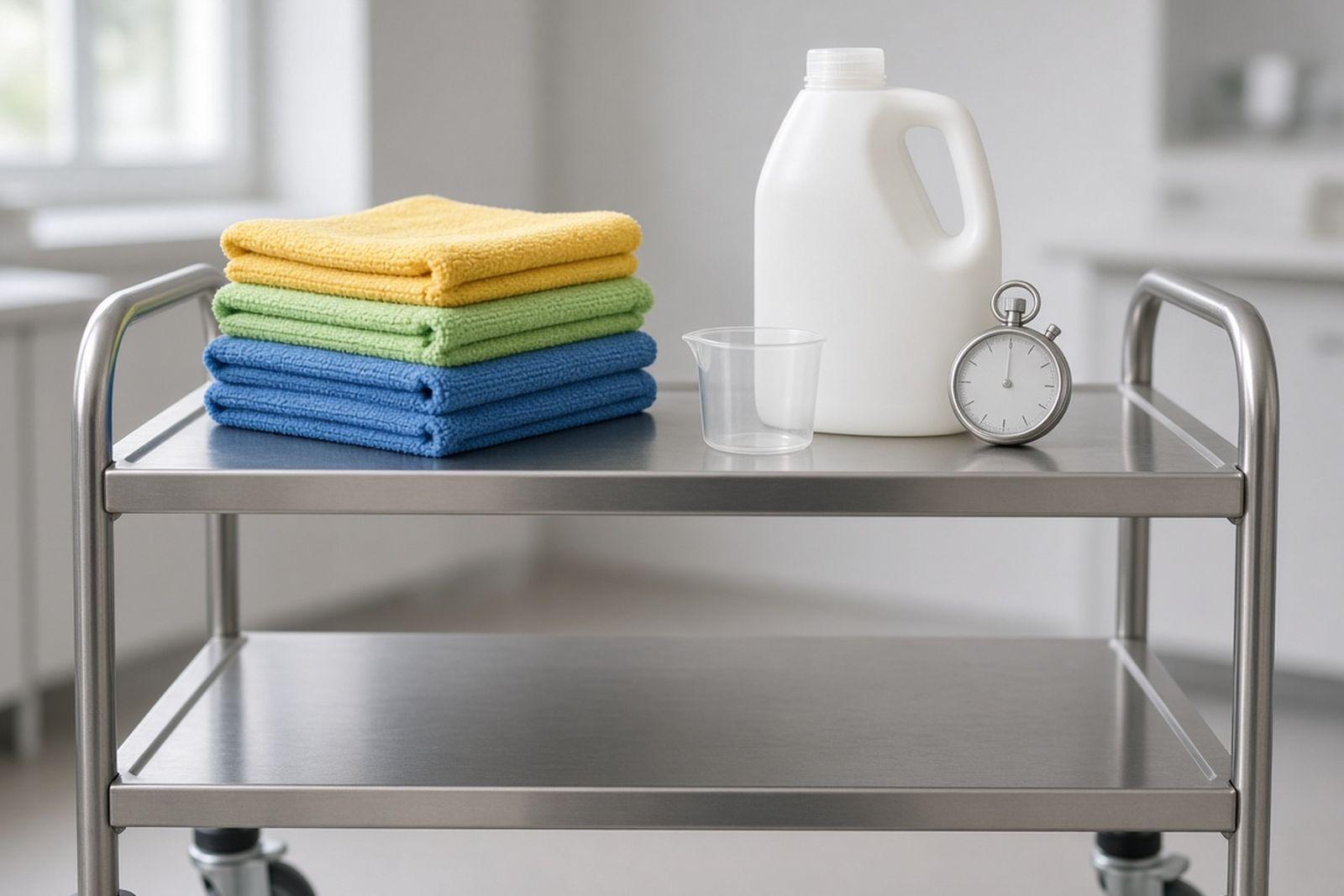
Use checklists and planners that help you judge the hazard, plan the first day, sort waste types, and get ready to talk with companies and insurers.
Community polls
See how other owners and managers made choices about body-fluid messes. Compare their instincts with the sourced advice elsewhere on the site.
Knowledge quiz
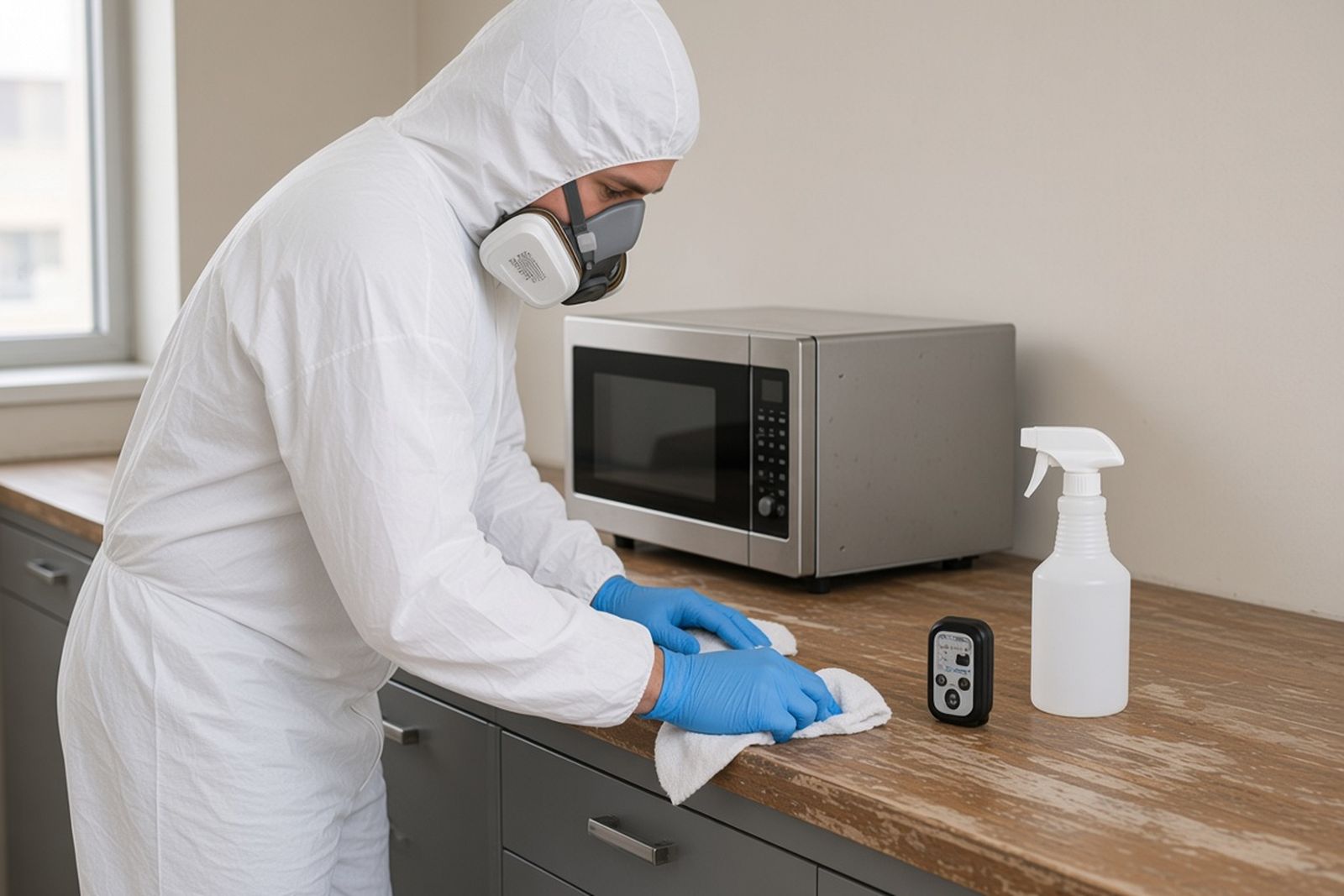
Test what you know about spotting hazards, scene release, containing a mess, disinfecting, waste, and records. A short quiz and study guide explain each idea.
Articles and resources
Read articles on new disinfectant advice, workplace exposure planning, and lessons from real cleanup cases in homes and businesses.