Biohazard Decontamination planning tools
Work through cost, hiring, insurance, first steps and disposal at your own pace.
The tools on this page are for the time after you find blood or body fluids and before you have hired anyone. Each one takes a piece of the choice and lays it out so you can think clearly under stress. The risk check helps you judge whether a spill is something you can handle or a job for a trained crew. The planner turns the first hours into an ordered list of calls and photos. The waste guide helps you see which waste rules probably apply. The cost estimator, vetting checklist, and claim organizer prepare you to talk with companies and insurers. None of them need an account. What you enter stays in your browser.
Get an email reply about biohazard decontamination
Send a short message to the follow-up inbox. A coordinator can reply by email. This form does not send emergency help; call 911 first if anyone is in danger.
Choose a tool
Each tool is free and private: nothing you type is saved or sent anywhere. Use the results to get ready for a visit from a cleanup company or a call with your insurer.

Cost Range Estimator
Set the affected area, surface types, severity and extras to see a rough cost range and what pushes it up or down.
Open tool
Company Vetting Checklist
Fifteen questions to ask any cleanup company, a score that shows how ready you are to hire, and a list of what is still unanswered.
Open tool
Insurance Claim Organizer
A guided checklist from finding the policy to tracking the insurer’s decision, with a printable summary of where the claim stands.
Open tool
First 24 Hours Planner
Tell the planner a few facts about the situation and get an ordered list of who to call, what not to touch, and what to photograph.
Open tool
Waste & Disposal Classifier
Five questions about the material point to the likely waste category and which authority to confirm the rules with.
Open tool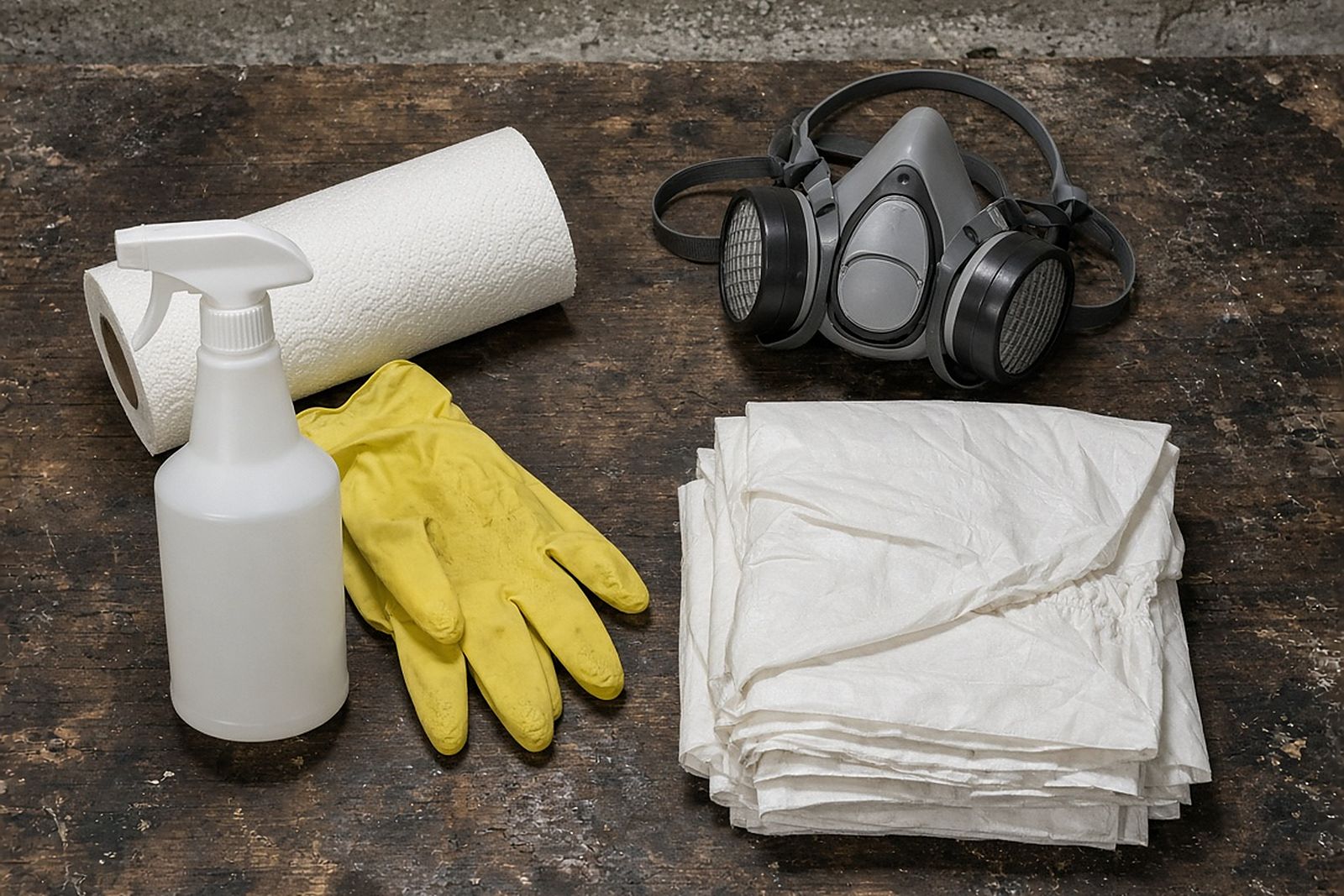
DIY or Call a Pro? Risk Check
Eight yes-or-no questions that produce a risk level and explain when professional help is the safer choice.
Open toolKnowledge quiz
A short quiz with an explanation for every answer, so you can check what you know before you make decisions.
Take the quizHow these tools fit biohazard decontamination
Every tool gives you something to act on. It may be a list of open questions, a summary you can print, a set of steps, or a waste type to check with an authority. Take that result into a phone call or an email. Do not treat it as a final answer. A cost range helps you read a quote, but it is not a bid. A waste type is a starting point for a question to your state environmental agency, not a ruling. A readiness score shows what you have confirmed about a company. It is only as accurate as the answers you gave it.
The tools cannot see your property, test your surfaces, or know local rules that vary by state and county. They do not replace a site visit by a checked company, a coverage choice by your insurer, or advice from a health department. Use them to sort what you know and to notice what you have not yet asked. They also help you avoid common errors, like starting too early, spreading the mess, or accepting a vague work plan. When a tool's result surprises you, take it as a reason to make another call. It is not a reason to doubt the pro you are speaking with.
Facts worth knowing
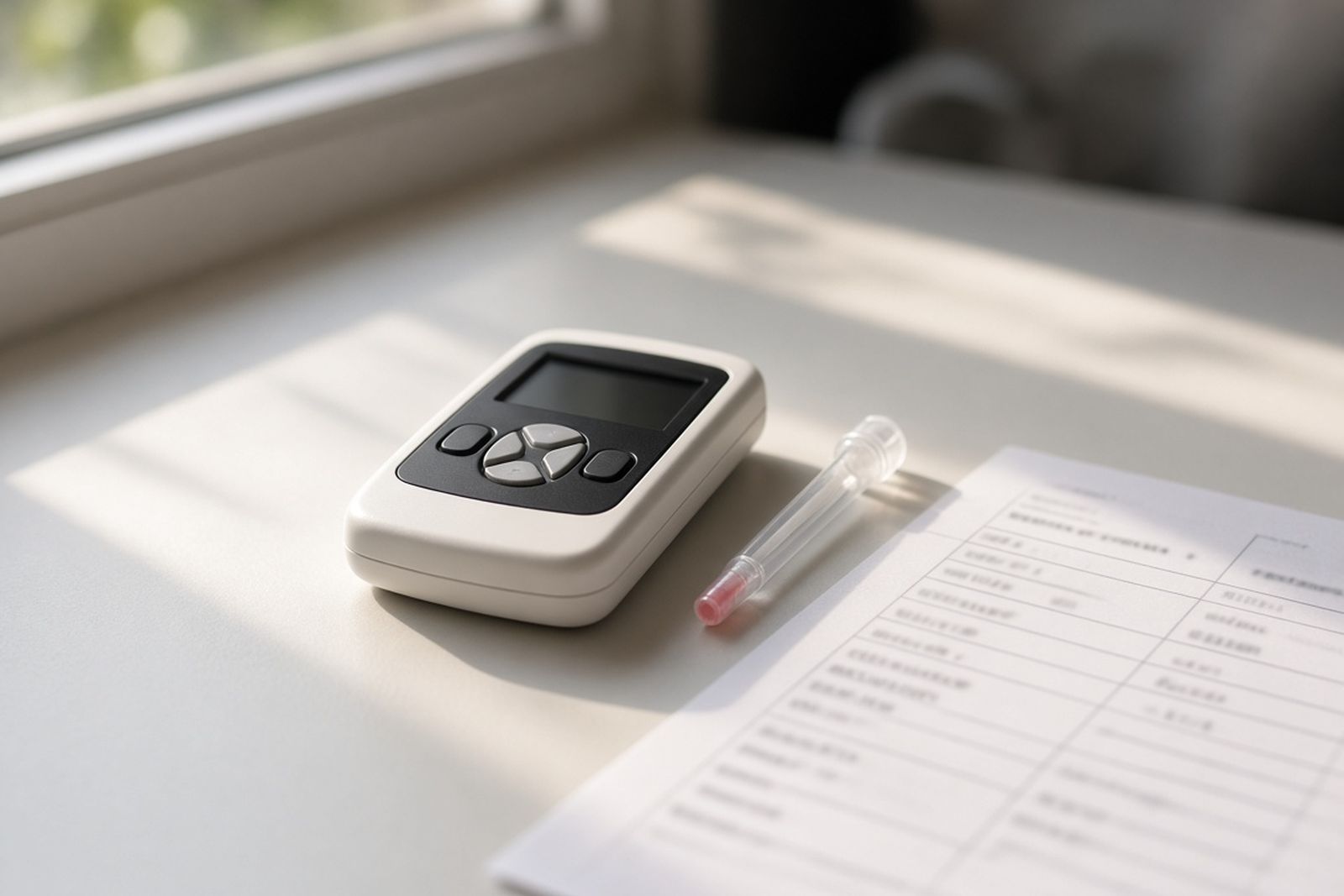
In a lab test, a 1:10 bleach mix killed hepatitis C in dried blood spots in one minute, while 70% alcohol left 13% of spots infectious.
Why it matters: Rubbing alcohol alone may not be enough for blood, so ask what disinfectant your cleanup company uses.
Source: Journal of Infectious Diseases (Paintsil et al.), 2014
The EPA keeps a list, called List S, of registered disinfectants with label claims against the blood-borne viruses HIV, hepatitis B and hepatitis C.
Why it matters: You can ask a cleanup company whether its disinfectant is on List S and used as the label directs.
OSHA rules require bloodborne germ training for exposed workers when they are first assigned and at least once a year after that.
Why it matters: Ask a cleanup company for proof that the crew coming to your property has current training.
What other people chose
Vote to see how other people answered. You can change your answer at any time.
When you found a biohazard mess, what was your first instinct?
What would most likely make you hire a company instead of cleaning up yourself?
Questions about the biohazard decontamination tools
Which tool should I open first after finding a contamination?
Start with the First 24 Hours Planner if the event just happened. It puts the first steps in order and tells you what not to touch. If you are past that point and wondering whether to clean up yourself, open the DIY risk check. The cost estimator, vetting checklist, and claim organizer become useful once you are ready to talk with companies and your insurer.
Is anything I enter into the tools stored or shared?
The tools run in your browser. They keep your choices there so you can come back to a checklist or planner without starting over. Nothing you type is sent to a company, an insurer, or this site's staff. Clearing your browser data erases your progress. If you want a copy, use the print or copy buttons each tool offers before you leave the page.
Can the cost estimator tell me what a company will charge?
No. It shows a learning range based on the factors you pick, such as the size of the area, the types of surfaces, and extras. That helps a written quote make more sense when you read it. Real prices depend on a site visit, local labor and disposal costs, and details a form cannot capture. Use the estimator to see which line items drive cost. Then ask why a quote differs from what you expected.
Do the tools account for workplace rules under OSHA?
They mention the OSHA blood safety rule where it shapes a choice, such as who may clean a spill and how waste must be handled. But they are not a system for meeting the rules. An employer still needs a written exposure plan and trained staff. If you manage a workplace, use the tools as prompts to review that plan with your safety lead. They do not replace it.
What if the waste classifier gives me a category that seems wrong?
The waste guide works from a handful of answers. It cannot know every area's exact terms, which vary by state and county. If the result seems off, note why. Then check with the local authority or your state environmental agency. Companies who handle medical waste often can also explain how they would sort the material. The tool's job is to get you to ask the question, not to settle it.
Can I use these tools for a contamination in a vehicle or a shared building?
Yes, with some adjusting. The planner and risk check apply to any closed space. Vehicles tend to trap fluids in foam and seams. Shared buildings add worries about hallways and air systems. The vetting checklist and claim organizer work in any setting. When several parties are involved, such as an HOA or many tenants, the tools help you gather facts. Who decides and who pays depend on the governing papers and leases.
Are the tools a substitute for calling a company?
They are a way to prepare for that call. A checked company brings equipment, registered products, waste containers, and trained judgment that no web tool can supply. The tools make you a better client. You will know which questions to ask, what to photograph, and what a complete work plan should contain. If a tool suggests pro help is the safer choice, take that as a cue to reach out, not a reason to keep clicking.
More on biohazard decontamination
Biohazard Decontamination services
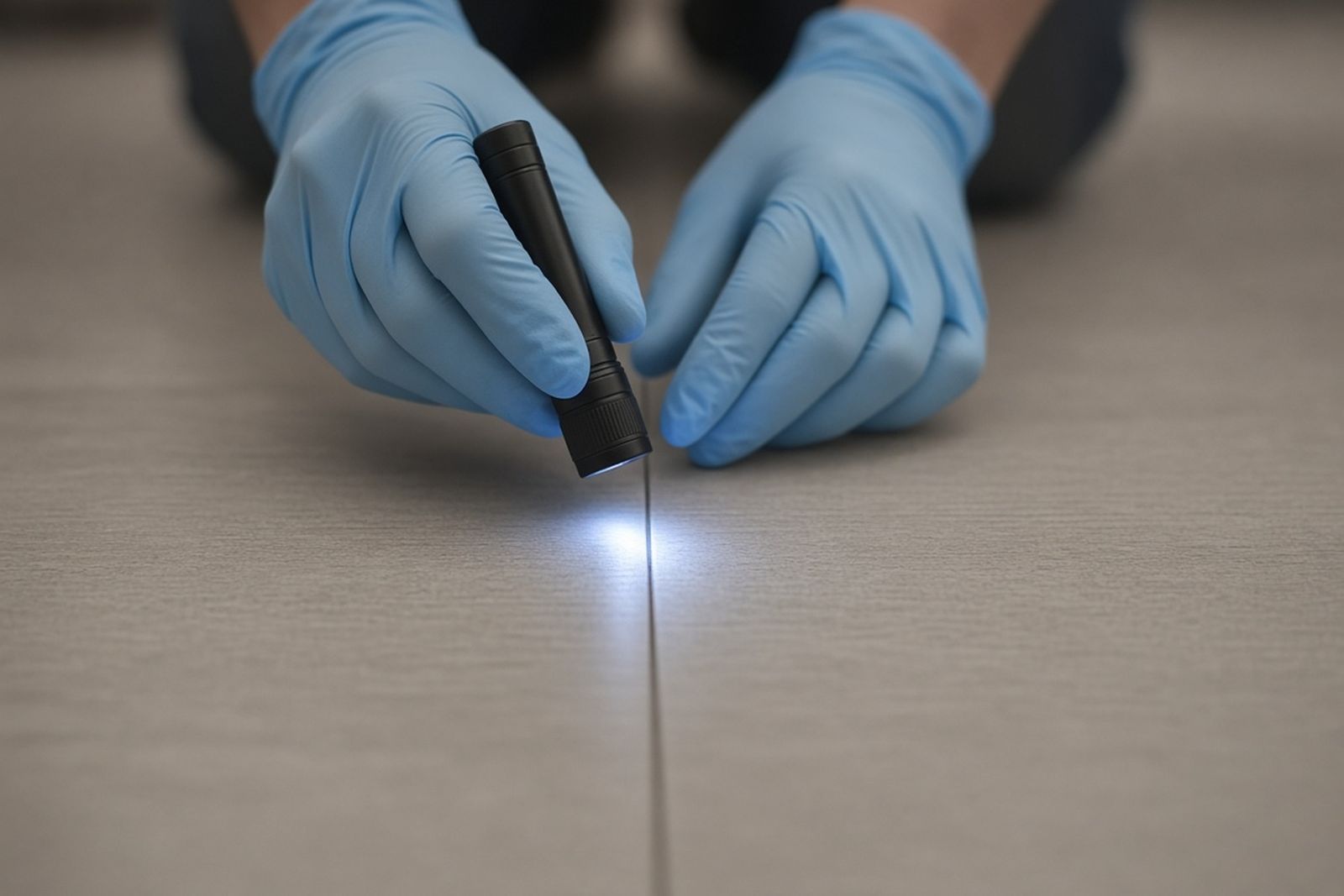
Learn how pro cleanup handles blood, body fluids, and germs in homes, workplaces, and schools. See each step, from the first visit to checked disinfecting and recorded waste removal.
Costs explained
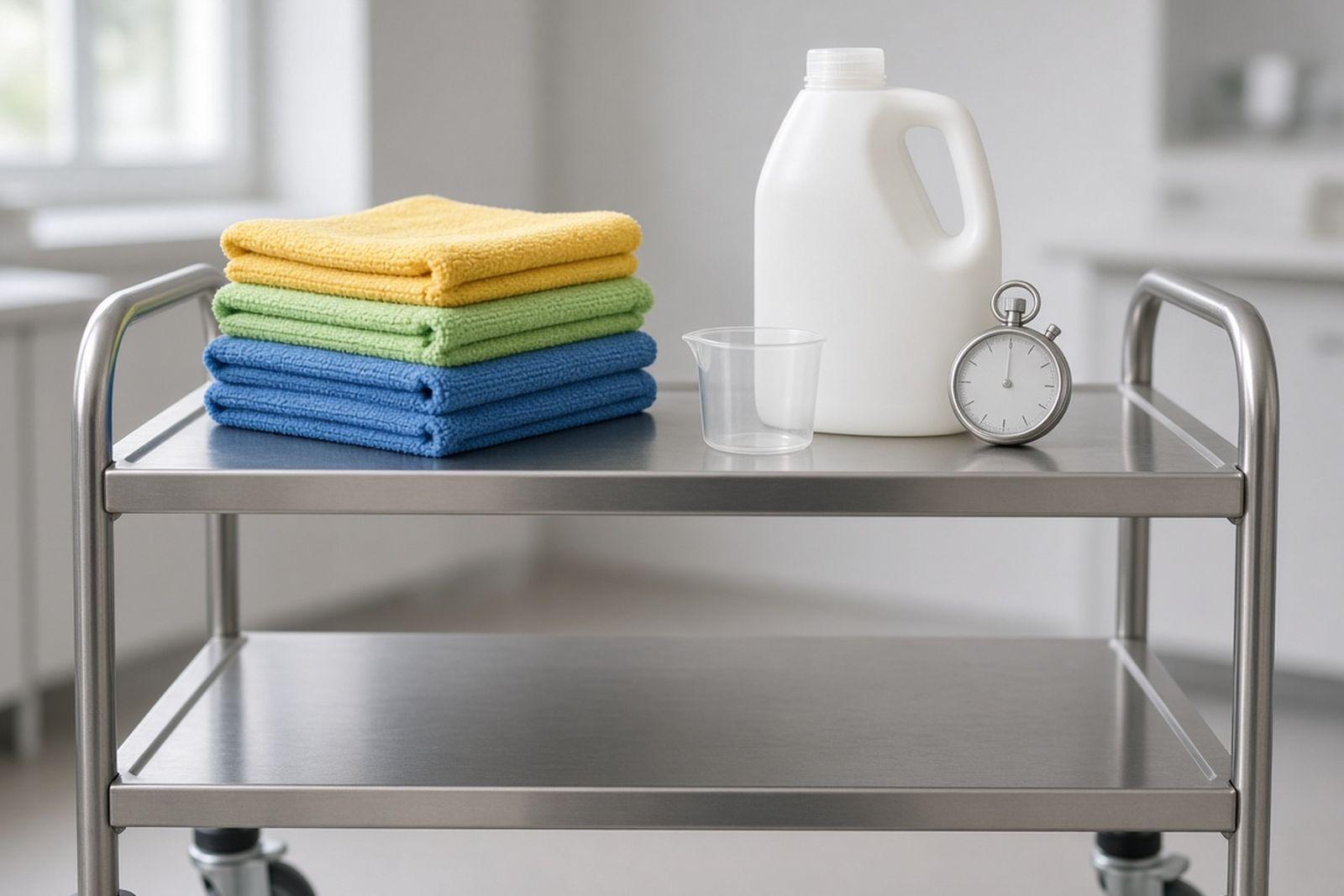
What drives the price, published cost ranges, and how to read a written quote line by line.
Insurance and payment
Which policies may respond, how to document a claim, and what to do if coverage is denied.
Community polls
See how other owners and managers made choices about body-fluid messes. Compare their instincts with the sourced advice elsewhere on the site.
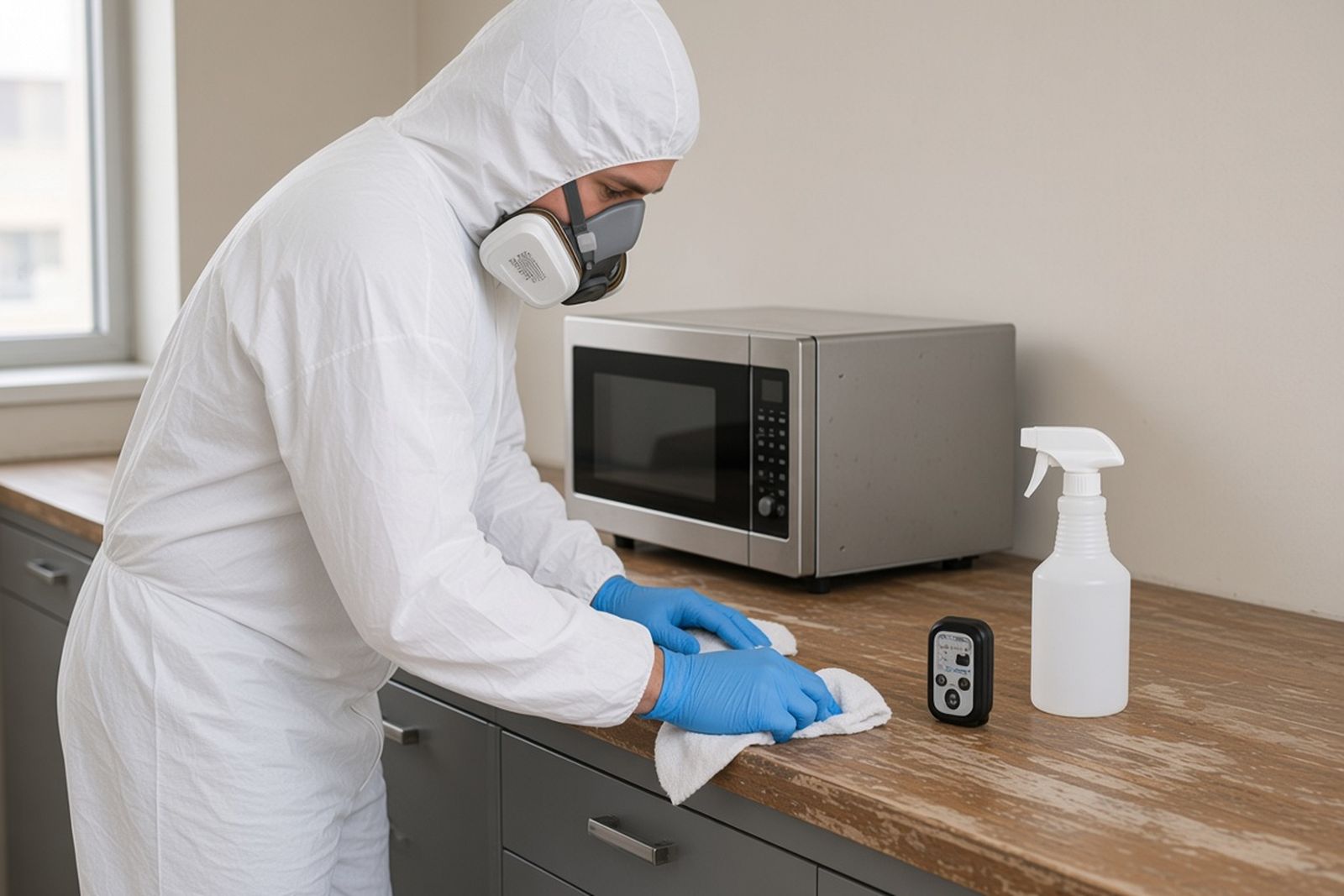
Knowledge quiz
Test what you know about spotting hazards, scene release, containing a mess, disinfecting, waste, and records. A short quiz and study guide explain each idea.
Articles and resources
Read articles on new disinfectant advice, workplace exposure planning, and lessons from real cleanup cases in homes and businesses.