Free biohazard decontamination tool
Biohazard Decontamination Cost Range Estimator
Set the affected area, surface types, severity and extras to see a rough cost range and what pushes it up or down.
Pricing for this kind of cleanup confuses people because the mess you can see is rarely the whole job. A small pool of fluid on a sealed floor may need a short visit. The same amount on carpet over a wood subfloor can mean a lot more work. The crew may need to pull the pad, cut and seal wood, pack soaked material as regulated waste, and run machines to dry the space. This estimator asks about the size of the area, the mix of hard and soft surfaces, how deep things soaked, and extras. Extras include after-hours work, several rooms, odor treatment, or tearing out building parts. It then shows a learning range and the factors behind it, so you can see which choices move the number.
The result is not a quote. Never present it to a company as one. Local labor, fees for disposing of medical waste, and what the crew finds on site all change the real figure. What the tool gives you is fluency. When a written quote arrives, you will know the line items for containing the area, cleaning, disinfecting, checking, waste, and records. You will be able to ask why any of them differ from what you expected. Use the questions at the end as a script for asking for a written work plan before you approve any work. If a company resists putting details in writing, that tells you more than any number could.
How to use it
- 1Estimate the size of the affected area and note whether fluids spread into more than one room.
- 2Choose the surface mix, keeping sealed hard surfaces apart from carpet, cushions, and bare wood.
- 3Pick a level based on how deep it soaked, how long it sat, and whether sharps or odor are present.
- 4Add any extras that apply, review what drives the range, and copy the quote questions for your provider call.
Prefer to ask a person?
Your request is sent to the follow-up inbox. A coordinator can reply by email. Not for emergencies; call 911 first if anyone is in danger.
Estimate a cost range
Biohazard Decontamination cost range estimator
Educational only. Real pricing needs an on-site assessment and a written scope. Insurance coverage is decided by your carrier, not by this tool.
Educational range: $1,500 – $3,500
Scaled from a published reference range (virus and pathogen decontamination project) reported by Fixr (2025). Your region, provider and the actual findings on site can move the real number outside this range.
Cost level: Mid range.
None of the big cost multipliers are selected. Minimum service charges, travel and waste fees still apply.
Ask every quote to itemize labor, containment, product, waste disposal, verification sampling, and any rebuild, and to state what is excluded.
A worked example
Imagine a made-up office where a worker was badly hurt near a desk and taken to the hospital. Blood reached the carpet and splashed a desk and a rolling chair. Someone also tracked it a short way toward the restroom before anyone noticed. The building manager enters a modest area. She picks a mixed surface type, because the desk is laminate while the carpet and chair fabric soak things up. She picks a middle level, since the fluid sat for several hours before anyone found it. She adds the extra for several rooms because of the path to the restroom. She also adds after-hours work, because the office cannot close during the day. The tool shows a range. It explains that removing soft materials, packing regulated waste, and after-hours labor drive most of the cost. She copies the quote questions. They prompt her to ask companies several things. Will the carpet tile and chair be removed or cleaned? How will the subfloor be checked? What disinfectant will be used on the desk, and how long will it stay wet? How will the checks be recorded? How will the waste shipping records be provided for the company's incident file?
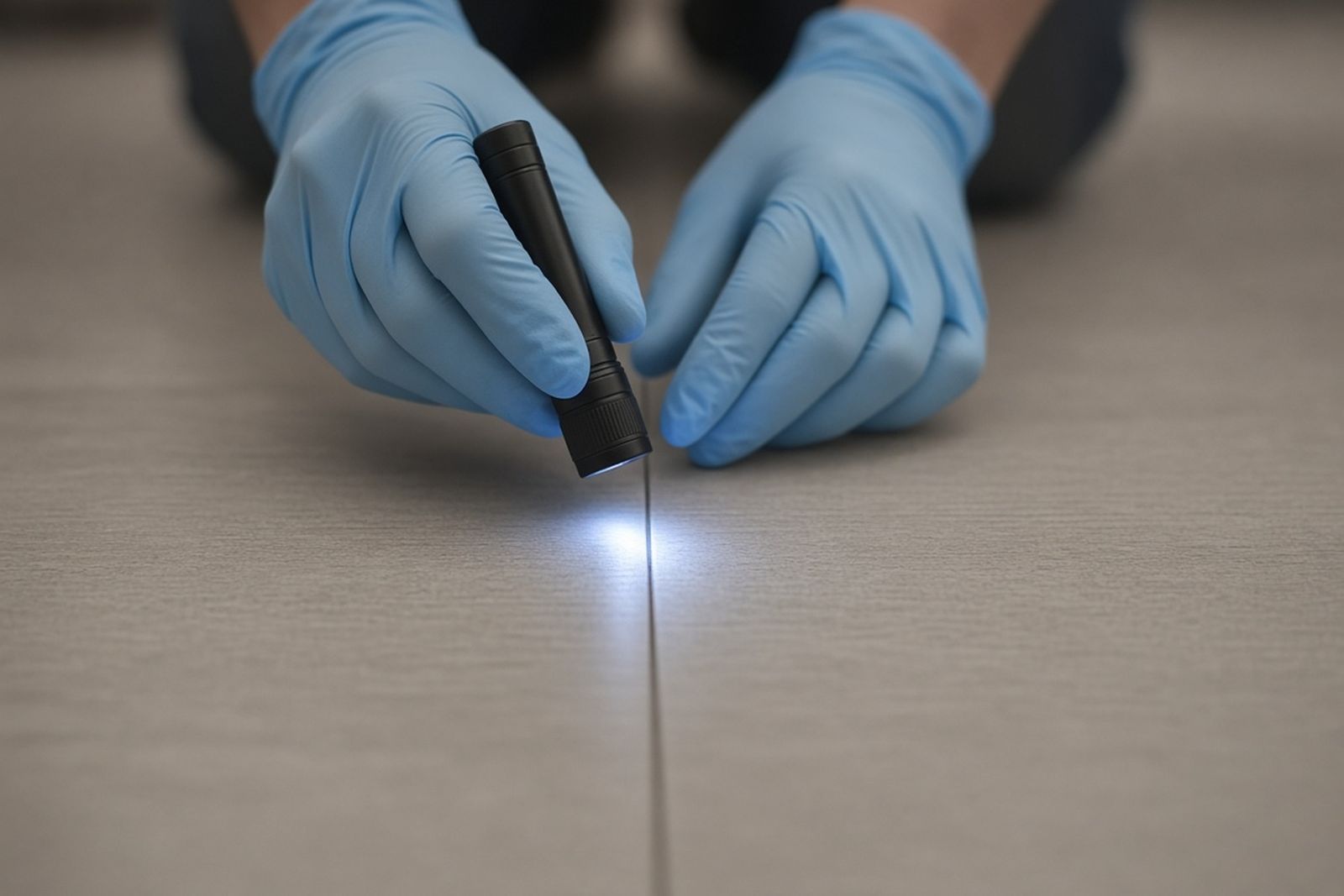
Facts worth knowing
One 2025 U.S. cost guide estimates medical waste disposal at $2 to $20 per pound as part of a biohazard cleanup bill.
Why it matters: Ask whether waste disposal is a separate line on your quote and how the company charges for it.
In 2024, OSHA's top fines were $16,550 for each serious violation and $165,514 for each willful or repeated one.
Why it matters: If you have your own staff clean up blood or chemicals without required training and gear, you may face fines like these.
Employers must offer the hepatitis B vaccine within 10 working days of putting an employee in a job with exposure to blood.
Why it matters: Before asking your own employees to clean up blood, check whether this duty and other OSHA rules apply to you.
Cost Range Estimator questions for biohazard decontamination
Why does porous surface selection change the range so much?
Soft materials soak up fluid where cleaning cannot reach and tests cannot confirm. So companies usually remove them instead of trying to clean them. Removal adds labor. It also means replacing the material later and disposing of soaked items through a regulated waste path when the rules require it. A sealed hard surface, by contrast, can be cleaned, disinfected, and checked in place. That difference in method is why the surface mix matters more than the size of the area.
Does the estimator include rebuilding what was removed?
No. Cleanup work plans usually end once the soiled materials are gone, the surfaces are disinfected, and the space is checked and documented. Replacing carpet, drywall, or subfloor is repair work. It is often priced separately, sometimes by a different contractor. When you read a quote, check whether it stops at cleanup or goes on to rebuilding. Make sure you are comparing similar work plans across companies.
What does the odor treatment extra represent?
It stands for the extra steps taken when a smell stays after the source is removed. Those steps include enzyme sprays, air scrubbing, or sealing affected wood framing. Odor treatment is sound when it comes after the source is gone. Say a company offers it as the main fix for a body-fluid mess without dealing with soaked materials first. That order of steps is a warning sign, not a bargain.
How should I use the range when quotes come in far above or below it?
Treat a big gap as a question, not a verdict. A higher quote may reflect things you could not see, such as fluid under the flooring. It may also reflect more careful waste handling and checks. A lower quote may leave out disinfecting, checking, or proper disposal. Ask each company to walk you through their work plan line by line. The range helps you notice the gap. The conversation explains it.
Should I get more than one written quote?
When time allows, it is wise to compare written work plans from more than one checked company. It shows differences in method, not just price. In urgent cases, where the space cannot be secured or people are at risk, waiting for several visits may not make sense. In that case, focus on getting a clear work plan from the company you choose. Confirm their insurance and training before work starts.
Should I share the estimator's range with the companies I call?
You can. But it is often more useful to keep it to yourself at first and let each company describe the job in their own words. Then compare their work plan and price with the range. If a quote falls far outside it, ask what they see that the estimator could not account for. It might be hidden spread, subfloor damage, or unusual access problems at your property.
Which inputs should I double-check before relying on the range?
Look again at the size of the area and the mix of hard and soft surfaces. Also ask whether the mess may have reached places you cannot see, such as under flooring or behind baseboards. These choices move the range more than anything else. If you are unsure, run the estimator twice, once with a smaller case and once with a larger one. Then you will see how much the answer could shift once a company looks.
Related community polls
Vote to see how other people answered. You can change your answer at any time.
When you found a biohazard mess, what was your first instinct?
What would most likely make you hire a company instead of cleaning up yourself?
Other biohazard decontamination tools
Company Vetting Checklist
Fifteen questions to ask any cleanup company, a score that shows how ready you are to hire, and a list of what is still unanswered.
OpenInsurance Claim Organizer
A guided checklist from finding the policy to tracking the insurer’s decision, with a printable summary of where the claim stands.
OpenFirst 24 Hours Planner
Tell the planner a few facts about the situation and get an ordered list of who to call, what not to touch, and what to photograph.
OpenWaste & Disposal Classifier
Five questions about the material point to the likely waste category and which authority to confirm the rules with.
OpenDIY or Call a Pro? Risk Check
Eight yes-or-no questions that produce a risk level and explain when professional help is the safer choice.
OpenMore on biohazard decontamination
Biohazard Decontamination services
Learn how pro cleanup handles blood, body fluids, and germs in homes, workplaces, and schools. See each step, from the first visit to checked disinfecting and recorded waste removal.
Costs explained
What drives the price, published cost ranges, and how to read a written quote line by line.
Insurance and payment
Which policies may respond, how to document a claim, and what to do if coverage is denied.
Community polls
See how other owners and managers made choices about body-fluid messes. Compare their instincts with the sourced advice elsewhere on the site.
Knowledge quiz
Test what you know about spotting hazards, scene release, containing a mess, disinfecting, waste, and records. A short quiz and study guide explain each idea.
Articles and resources
Read articles on new disinfectant advice, workplace exposure planning, and lessons from real cleanup cases in homes and businesses.