Biohazard Decontamination: Process & What to Expect
What happens during biohazard decontamination, step by step: the first visit, the written work plan, the cleanup itself, and the records you should get at the end.
Posts in this category follow a biohazard cleanup job from the first call to the final records. They explain what happens during pro cleanup and how long different kinds of events tend to take. They explain why estimates change and what you can safely do in the minutes and hours before a company arrives. You will see how the steps shift between a blood cleanup, disinfecting shared surfaces after an illness, and a sewage loss. A sewage loss needs water removal and drying of the building before any finish work can happen. Other posts describe how crews control who enters the affected zone. They also cover how crews bag and label removed materials, and what the final walk-through should cover before you sign off.
Get an email reply about biohazard decontamination
Send a short message to the follow-up inbox. A coordinator can reply by email. This form does not send emergency help; call 911 first if anyone is in danger.
Knowing the order of work helps you make the choices that fall to you along the way. You may need to approve removing soaked drywall. You may need to decide which washable items are worth laundering. You may have to accept that drying machines will run for a while after the visible mess is gone. When you know why dirt removal comes before disinfectant, and why drying goals must be met before walls are closed, you can follow the crew's thinking. You are not just waiting for them to finish. Knowing the stages also helps you plan around the disruption. That might mean moving a classroom, closing part of a kitchen, or having family members stay elsewhere while machines run.
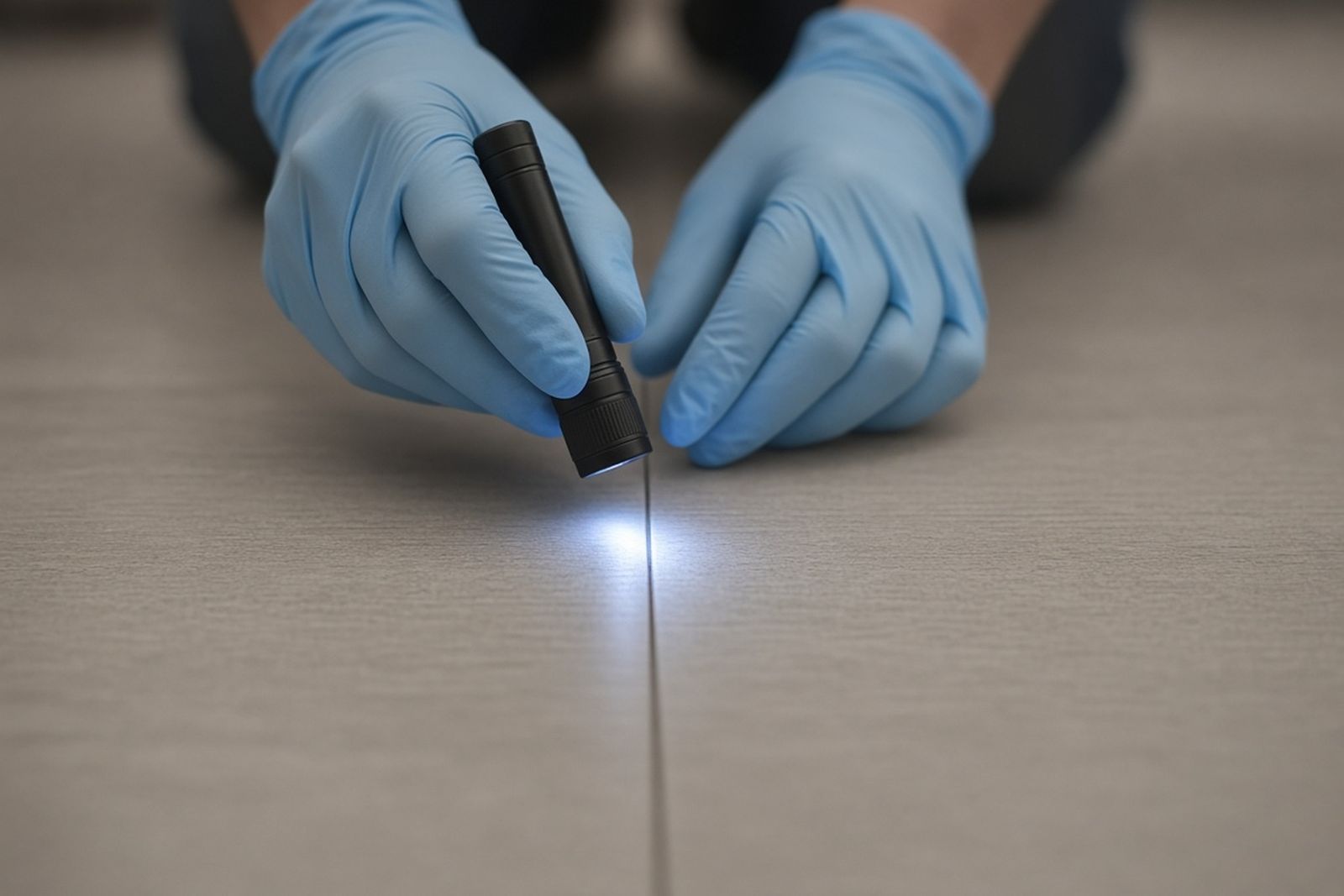
What to Expect During Professional Biohazard Decontamination
From the first walk through your space to the final paperwork, here is how a professional cleanup of blood, body fluids or sewage usually goes, step by step.
Expect the work to move through clear stages. First the crew checks what the mess is and how far it spread. Then they put on protective gear and seal off the area. They remove the soil you can see and the soft materials that cannot be saved. They disinfect with a labeled product and keep it wet for the full time. There may be a final test. Regulated waste is packed properly, and you get a record to keep.
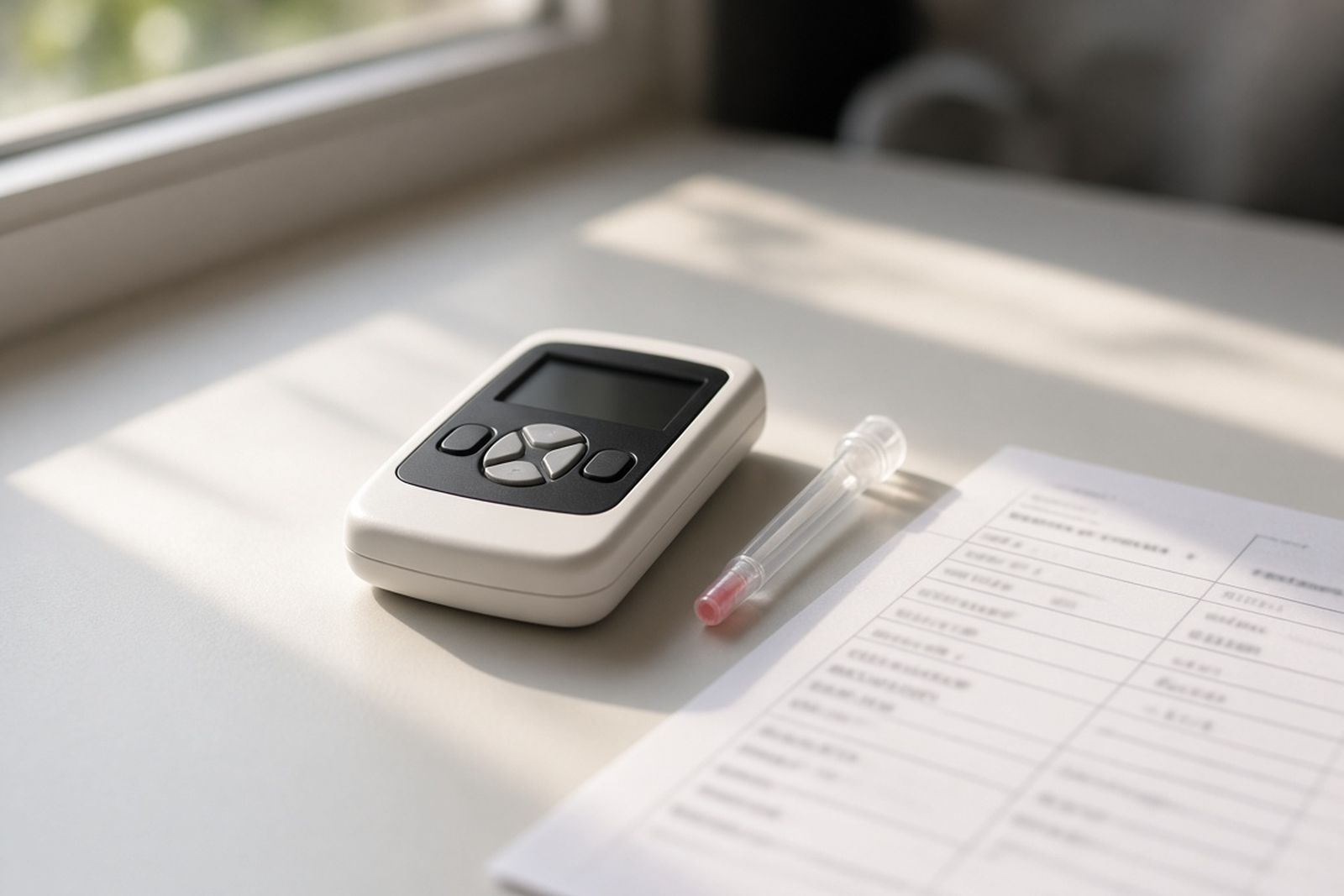
How Long Does Biohazard Decontamination Take?
How long until you get your space back? The size of the mess, what soaked it up, disinfectant wet time and waste pickup all shape the schedule. Here is how to read one.
It depends on how far the contamination spread and what it reached. It also depends on how much must be removed, how long each disinfectant must stay wet, and when the final check and waste pickup happen. A small spill on hard surfaces may be done in one visit. Soaked flooring or drywall, or a heating and cooling system that was affected, can stretch the work over several days.
Urgent Biohazard Decontamination: What to Do Before a Provider Arrives
Found blood, sewage or body fluids and waiting on help? Here is how to protect people, close off the area and save the facts before a cleanup crew arrives.
First, make sure anyone who is hurt has medical help. Keep people and pets away from the area. Do not touch fluids or soiled items without protection. Close off the space without spreading the mess, and turn off fans or air systems that could move droplets. Then take photos from a distance and gather the facts the crew and your insurer will need.
Facts worth knowing
The CDC estimates that about 640,000 adults in the United States have long-term hepatitis B.
Why it matters: You cannot tell by looking whether blood carries a virus, so treat any blood spill as if it might.
The CDC says HIV does not survive long outside the human body, such as on surfaces, and cannot multiply outside a person.
Why it matters: This may ease your worry about HIV from dried blood, but you should still avoid touching any blood with bare hands.
In a lab study, hepatitis C virus in dried blood could still infect for up to 6 weeks at room temperature.
Why it matters: Old, dried blood may still carry risk, so you should not assume a stain is safe because it is old.
Source: Journal of Infectious Diseases (Paintsil et al.), 2014
Process & What to Expect: common questions
Why do drying machines keep running after the sewage is gone?
Water from a sewage event soaks into framing, subfloor, and the inside of walls, even when the surface looks dry. If those materials are closed up while still damp, bacteria and mold can grow out of sight. Companies use moisture meters to track readings until they reach the drying goal in the written plan. The machines stay until those readings are recorded.
Can staff return to an office while disinfection is underway in another area?
Often yes, if the company keeps people away from the work zone and manages any shared air flow. Ask for written return instructions for each area. They should say when the disinfectant has stayed wet long enough and whether any surfaces need rinsing. Staff should stay away from the sealed-off area until the company says it is clear.
What should I leave untouched before the decontamination team arrives?
Leave the soiled material, soaked items, and any sharps where they are. Keep people and pets out of the area. Do not spray household cleaners or run fans that could spread droplets or dust. If sewage is involved, stop using sinks and toilets that drain to the same line. Take photos of the scene from a safe distance for your records.
Will the crew explain each stage as the work moves along?
Many crews will, especially if you ask at the start. Let the crew lead know how much you want to hear. You might want a short update at each stage or only a summary at the end. Agree on how they will reach you and at what points. Clear plans for staying in touch ease worry and help you know when to plan your next steps.
What happens if work has to stop partway because of access or approvals?
The crew should secure the area before leaving. For example, they can keep the plastic walls in place, bag any removed materials, and make sure no one can wander in. Ask what will be left on site and whether anything needs watching. Get a clear plan for when work will start again. Make sure the wait does not leave the mess exposed longer than needed.
Will I be asked to sign anything before the crew leaves?
Many companies ask you to sign a form saying the job is complete. Read it before signing. It should describe what was done. It should not ask you to give up rights or accept work you have not checked. If you have not had a chance to walk through the area, you can note that on the form or ask to sign after you look.
How does the process for sewage differ from a blood cleanup?
Sewage jobs usually cover larger areas. They involve standing water, drying machines, and moisture checks, and they often mean removing more flooring and wall materials. Blood cleanups tend to focus on smaller areas, with careful mapping of where the fluid went. Both involve cleaning, disinfecting, and proper waste handling. But the tools, timeline, and records differ.
Related community polls
Vote to see how other people answered. You can change your answer at any time.
When you found a biohazard mess, what was your first instinct?
What would most likely make you hire a company instead of cleaning up yourself?
More on biohazard decontamination
Biohazard Decontamination services
Learn how pro cleanup handles blood, body fluids, and germs in homes, workplaces, and schools. See each step, from the first visit to checked disinfecting and recorded waste removal.
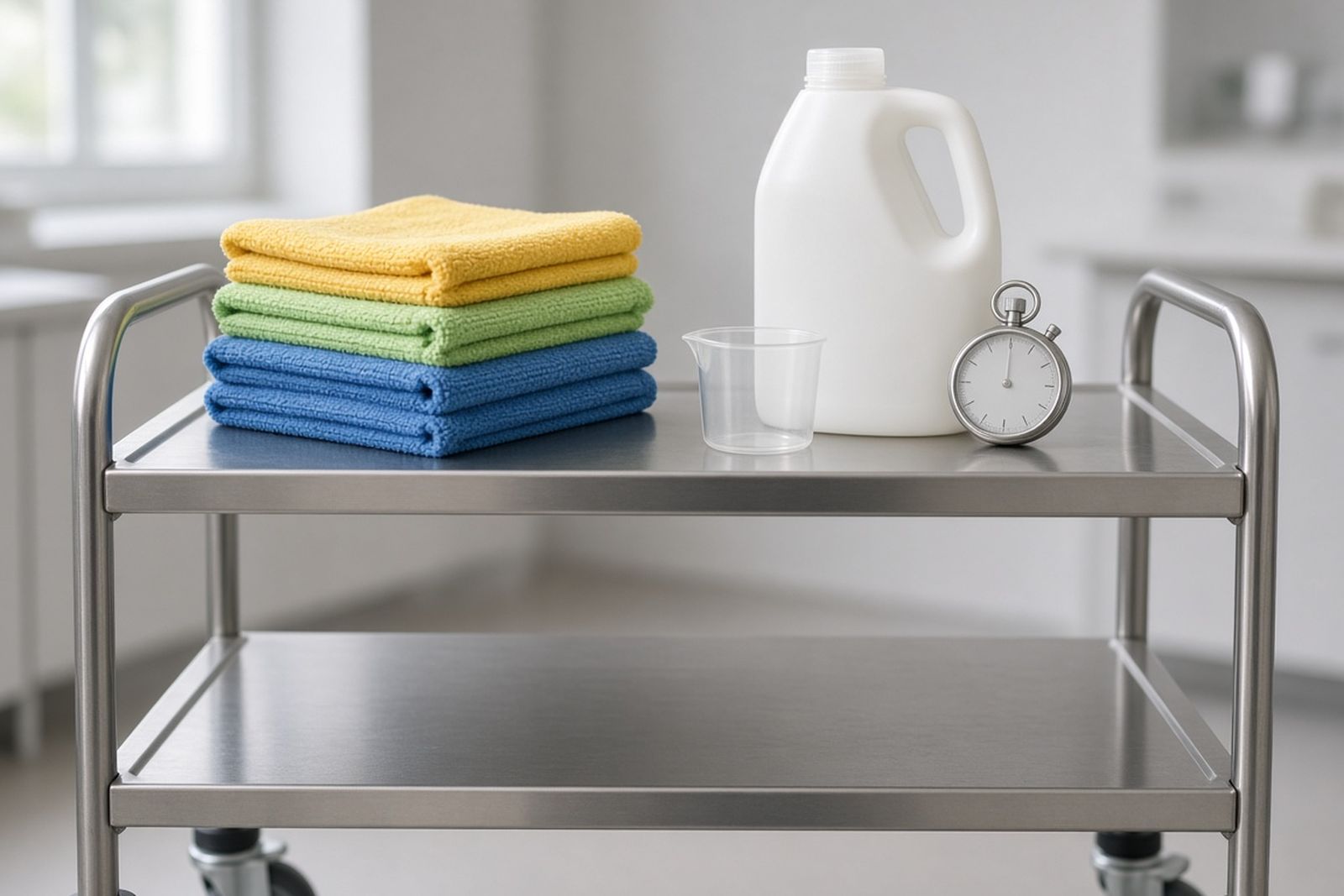
Costs explained
What drives the price, published cost ranges, and how to read a written quote line by line.
Insurance and payment
Which policies may respond, how to document a claim, and what to do if coverage is denied.
Planning tools
Use checklists and planners that help you judge the hazard, plan the first day, sort waste types, and get ready to talk with companies and insurers.
Community polls
See how other owners and managers made choices about body-fluid messes. Compare their instincts with the sourced advice elsewhere on the site.
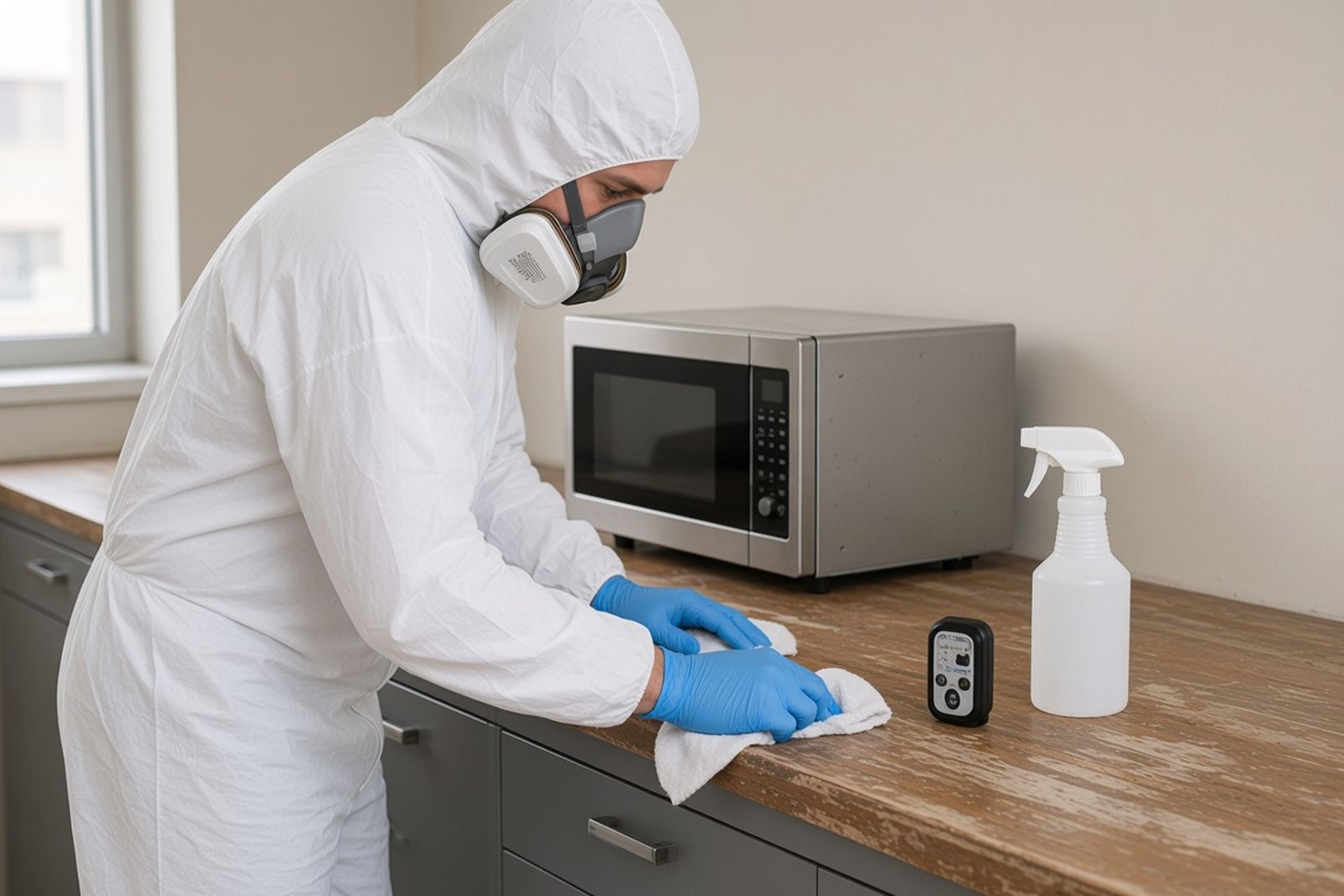
Knowledge quiz
Test what you know about spotting hazards, scene release, containing a mess, disinfecting, waste, and records. A short quiz and study guide explain each idea.