Crime Scene Cleanup: Choosing a Company
What to ask a crime scene cleanup company before you hire: training, insurance, how waste is handled, and what you get in writing.
Posts here help you judge crime scene cleanup companies by what they actually do, not by what their ads say. You will find lists of questions for the first phone call. You will learn what a careful on-site review looks like. You will get help reading a work agreement before you sign. Articles also cover how to confirm which waste hauler a company uses. And they explain how to judge if its paperwork will satisfy an insurer or a future buyer.
Get an email reply about crime scene cleanup
Send a short message to the follow-up inbox. A coordinator can reply by email. This form does not send emergency help; call 911 first if anyone is in danger.
Choosing well matters. You are inviting strangers into a place tied to something painful. You are trusting them with both safety and privacy. The right company explains its plan clearly, respects your pace, and puts its promises in writing. Knowing what to ask helps you tell a careful company from a pushy one. It also gives you the words to turn down an offer that does not feel right, without second-guessing yourself.
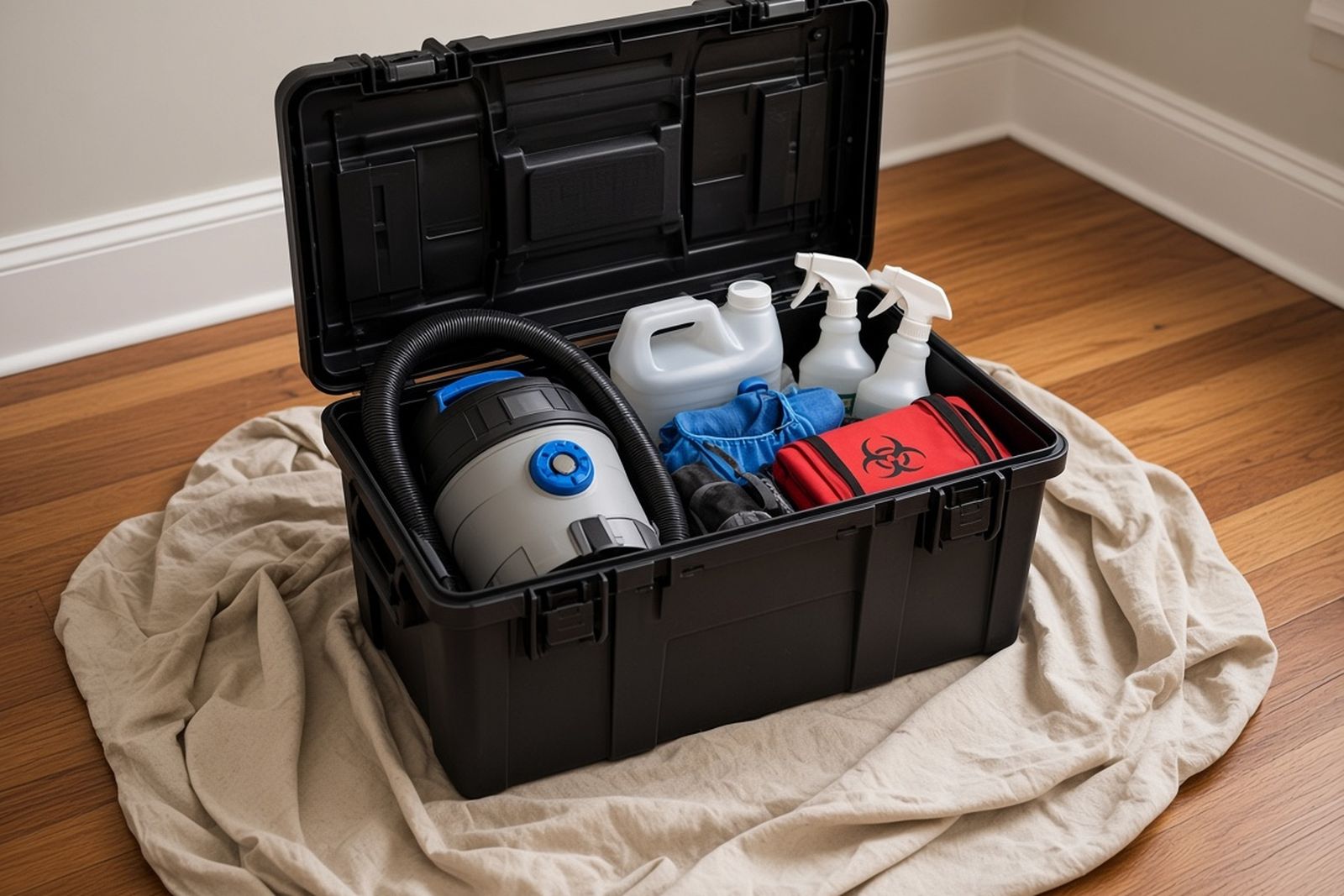
10 Questions to Ask Before Hiring a Crime Scene Cleanup Company
Ten plain questions to ask a crime scene cleanup company before you sign. They cover training, the written work plan, police residue, waste records, insurance and privacy.
Before you hire, ask who does the work, how they are trained, and whether they will look at the scene before quoting. Ask what the written work plan covers, how they handle fingerprint powder, and how waste is recorded. Then ask how pricing and changes work, how they deal with insurance and victim compensation, and how they protect your privacy and belongings.
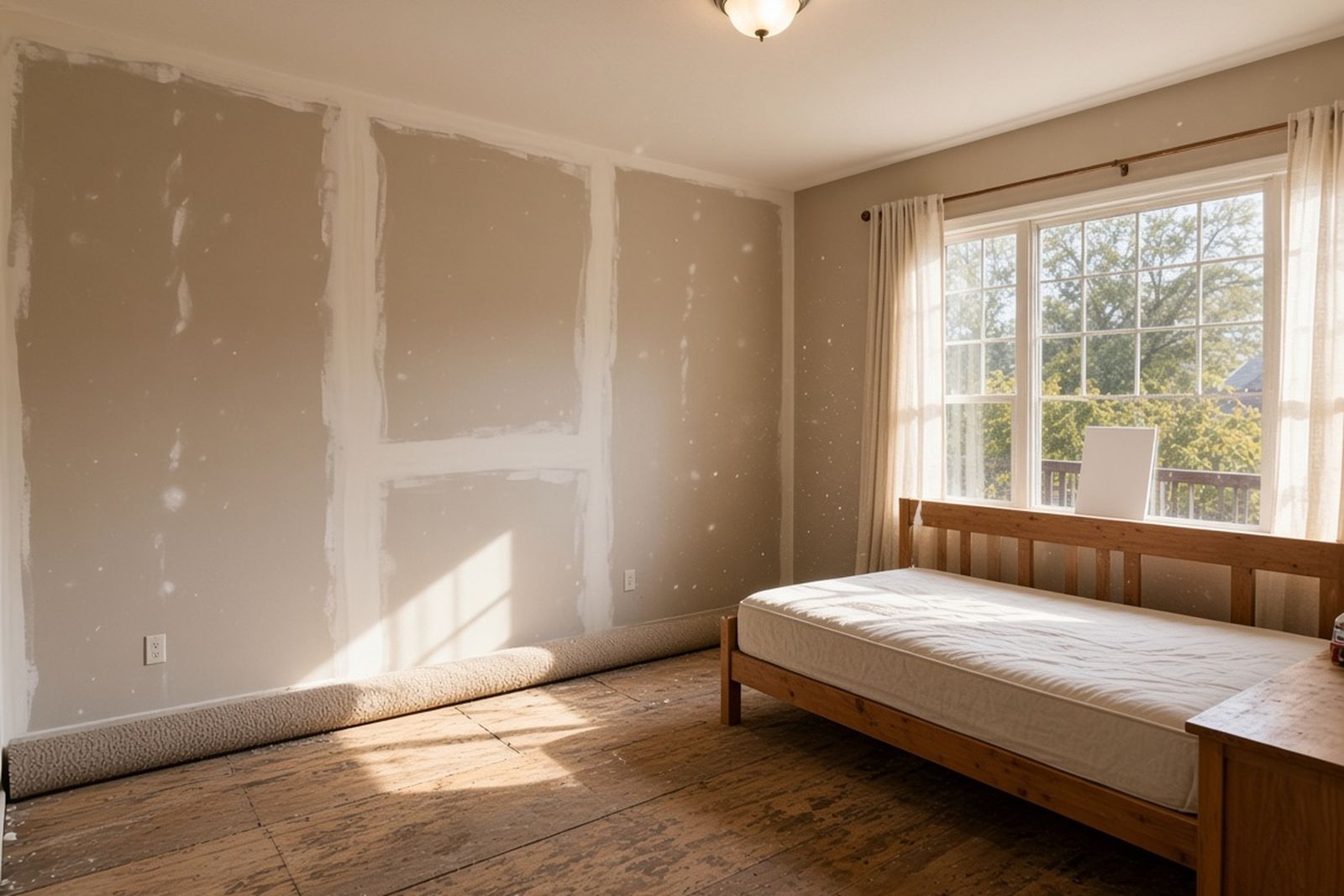
Red Flags When Hiring Crime Scene Cleanup Services
Warning signs when you hire crime scene cleanup: companies that show up uninvited, fake police ties, promised payments and vague plans for fingerprint powder.
The biggest red flags are companies that approach you uninvited, hint that they work for the police, or promise that victim compensation or insurance will pay. Watch for quotes given without seeing the scene and plans that ignore fingerprint powder and forced-entry damage. Be wary if a company cannot show where regulated waste will go. A company you can trust waits for the police release, puts its work plan in writing and protects your privacy.
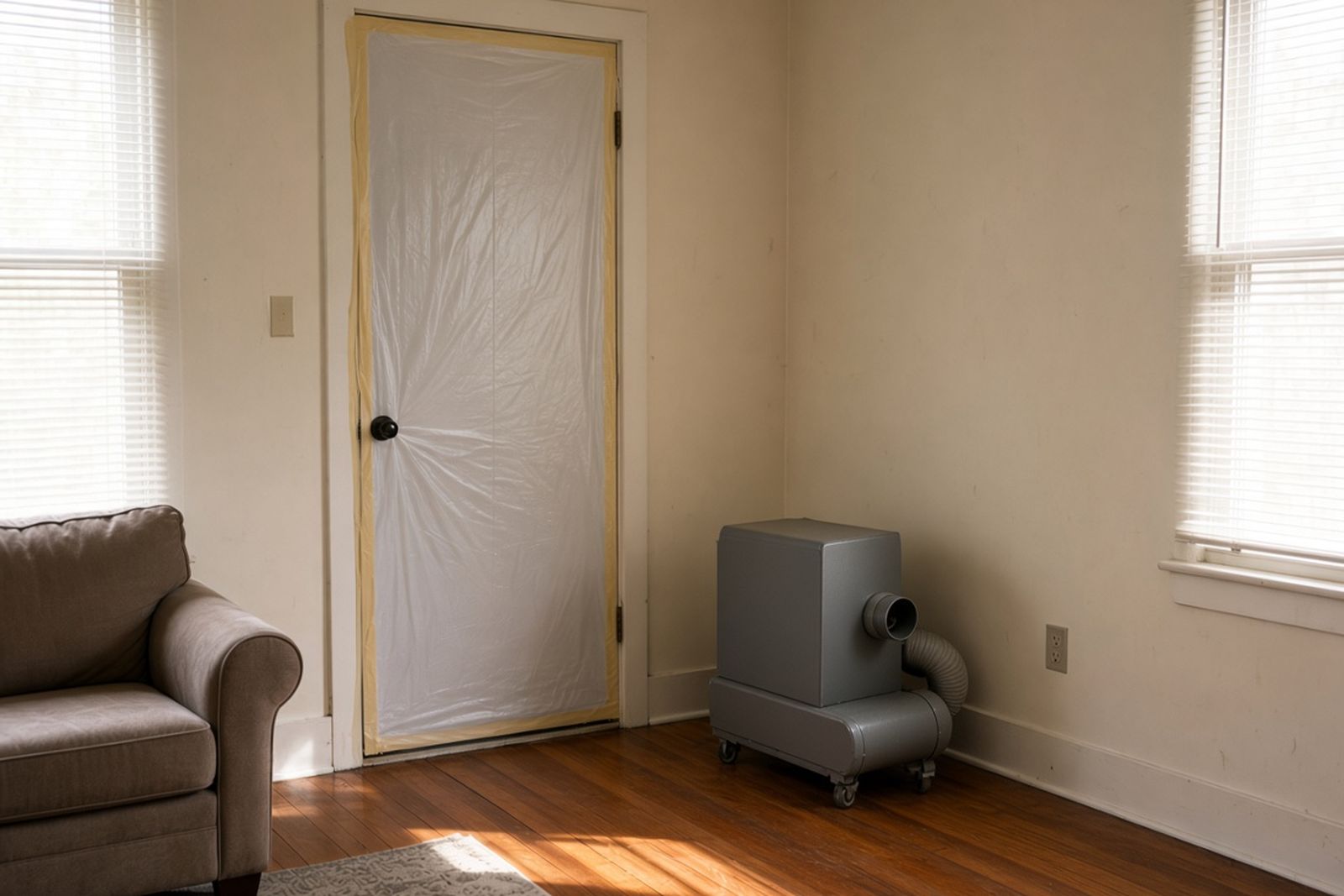
Training, Documentation, and Credentials for Crime Scene Cleanup
Which training records, OSHA documents and registrations really matter when you hire crime scene cleanup, and how to check them without being misled.
There is no single national license for crime scene cleanup. So the credentials that matter are the ones you can check. Look for current training on germs carried in blood, a written exposure control plan and fit testing for breathing masks. Ask for proof of liability and workers' compensation insurance. Check any state or county registration for trauma scene or medical waste work. Ask for job records such as work plans, photos and disposal paperwork.
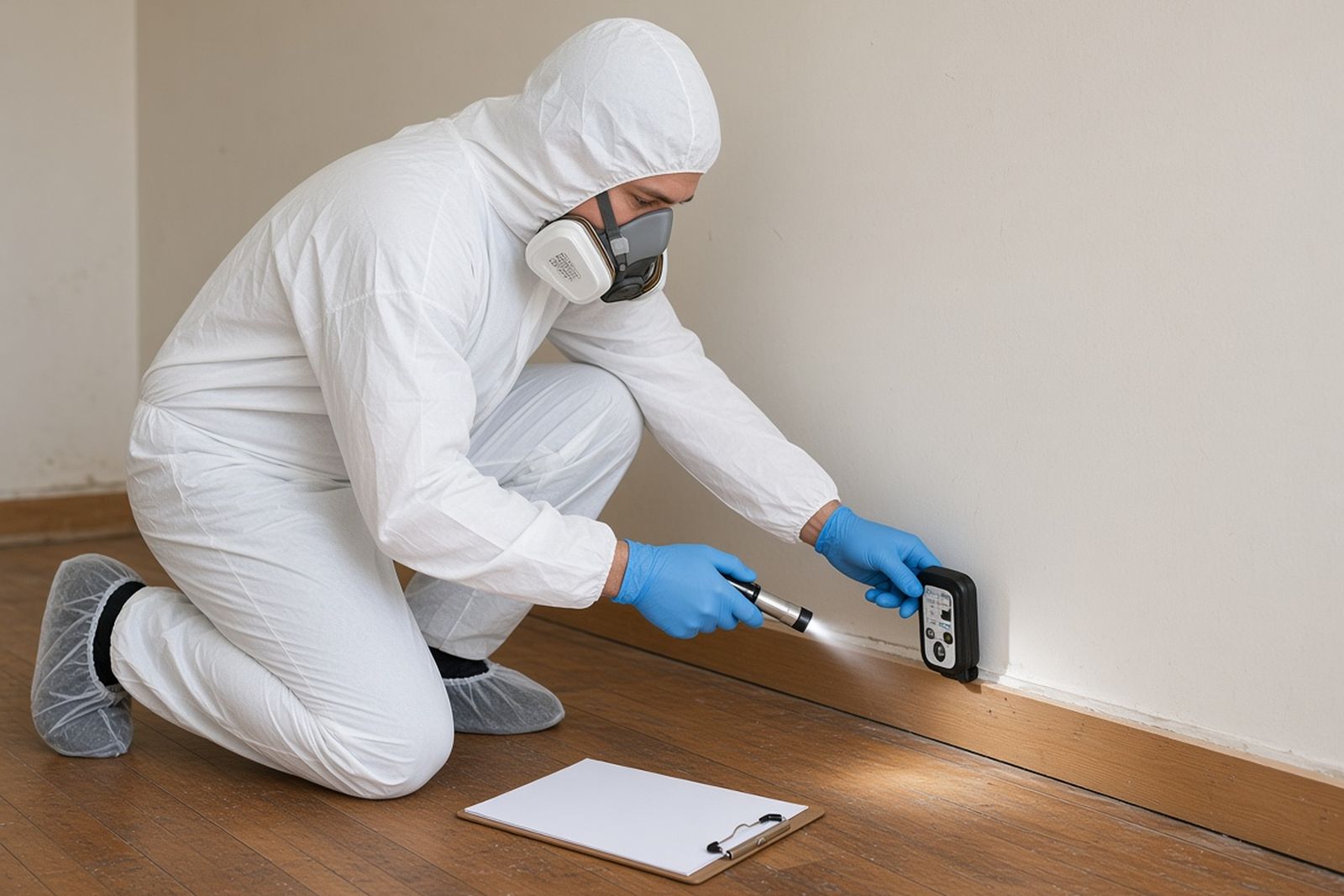
How to Compare Local and National Crime Scene Cleanup Providers
How to compare a local crime scene cleanup company with a national brand or a call center. Find out who really shows up, who knows local rules and who answers for the work.
Neither local nor national companies are better by default. What matters is who will really do the work at your property and what training and insurance they have. It also matters how well they know local waste and victim compensation rules, how clearly they write the work plan and who answers for it if something goes wrong. Ask every company the same questions. Compare the answers, not the ads.
Facts worth knowing
EPA says homeowners can usually handle moldy areas smaller than about 10 square feet themselves, while larger areas call for professional guidance.
Why it matters: Measure the moldy area before you decide; this rule does not cover sewage or biohazard contamination, which needs different handling.
Federal law requires every disinfectant sold in the United States to be registered with the EPA.
Why it matters: You can ask a company which disinfectant it uses and check the label for an EPA registration number.
The CDC says cleaning alone removes most harmful germs from surfaces, and disinfecting kills the germs left after cleaning.
Why it matters: Disinfectant sprayed over a dirty surface may not be enough, so ask whether your surfaces will be cleaned first.
Choosing a Company: common questions
What should I ask a crime scene cleanup company on the first call?
Ask who will do the work and if any part is handed off to another company. Ask how the company handles regulated waste and which hauler it uses. Ask what safety gear and disinfectants its workers use. Ask what paperwork you will get at the end. Also ask how it tells you about changes to the job plan. Clear, specific answers are a better sign than a polished website.
Should I let the insurance company choose the cleanup company for me?
You usually have the right to choose your own company, though your insurer may suggest ones it has worked with. A suggestion can help, but you do not have to accept it. Whoever you choose, share the insurer's claim details with the company. Ask it to record the work in a way your adjuster can review easily.
What warning signs suggest a crime scene cleanup company may not be a good fit?
Be careful if a company pushes you to sign before it looks at the site. Be careful if it will not name its waste hauler, promises a certain insurance result, or cannot explain how it checks that surfaces are clean. Showing up uninvited after an event is another reason for care. Take time to compare at least one other company, even when things feel urgent.
Should I hire the company the police officer mentioned?
A referral from police or a victim advocate can be a good starting point, but it is not an endorsement or a requirement. Officers may simply know a few local names. Ask that company the same questions you would ask any other. Compare at least one more option if time allows. Choose based on the answers, not the source of the referral.
Is it better to choose a company that also does repairs?
It can make planning easier, since one company handles both removal and rebuilding. It can also mean less competition on repair prices. Ask if you can get separate estimates for cleanup and repairs so you can compare each. Make sure the cleanup plan stands on its own. Make sure the work is checked before any rebuilding covers it up.
What if every company I call is too busy to come soon?
Ask each company when it can come and whether it can provide temporary guidance or containment in the meantime. Broaden your search to companies in nearby areas. Ask your insurer or victim advocate for more names. While you wait, keep the area closed, keep people and pets out and avoid cleaning anything yourself. Document how long each company said it would take.
How much weight should I give to how a company treats me on the phone?
A lot. The first call shows whether the company listens, explains clearly and respects your situation. Watch for pressure, vague answers or a rush to sign. Look for patience, practical questions about the scene and a willingness to put things in writing. Technical skill matters most, but the people who answer the phone often shape how the whole job feels.
Related community polls
Vote to see how other people answered. You can change your answer at any time.
What was the hardest thing to figure out in the first day after the scene was released?
Which type of incident brought you to this topic?
More on crime scene cleanup
Crime Scene Cleanup services
See what crime scene cleanup covers, from blood and police residue to tear gas and cars, and what the work does not include.
Costs explained
What drives the price, published cost ranges, and how to read a written quote line by line.
Insurance and payment
Which policies may respond, how to document a claim, and what to do if coverage is denied.
Planning tools
Planners, checklists, and guides you can click through for the days after police release a crime scene, each built for this situation.
Community polls
See what other readers think about the choices people face after a crime at their property, from picking a company to what surprised them most.
Knowledge quiz
Test what you know about scene release, sealing off the area, disinfecting, waste, and checking the work, with a short quiz and a plain study guide.
Field guides
Longer step-by-step guides on confirming scene release, working with insurers, reading a cleanup job plan, and keeping people safe while work is underway.
City guides
Find local facts and reach companies by area, with reminders that license and disposal rules vary by state and county.