Loading...
Back to Crime Scene Cleanup
Crime Scene Cleanup: Complete Service Guide
Scope starts at scene-release confirmation, then fluid-migration mapping, polyethylene containment and HEPA negative air when aerosols are expected, sharps sweep, removal of non-salvageable porous goods, clean-then-disinfect sequencing, investigation-residue neutralization, HVAC filter review, ATP checks on critical hard surfaces, and closeout photos plus waste manifests. Rebuild trades follow only after hazard control is documented.
RISK: EXTREME4 SPECIALIZED SERVICES
Need Crime Scene Cleanup help now?
EXTREME RISK — Confirm provider availability for the specific case
What is Crime Scene Cleanup?
Crime scene cleanup is post-release biohazard remediation after violent crime or traumatic injury: blood and OPIM removal, investigation residues (fingerprint powders, luminol films, CS/OC when present), containment with HEPA air control, porous-material demolition when fluids migrated, EPA-registered disinfection with labeled dwell times, regulated waste packaging, and written verification—not investigation, medical care, or cosmetic remodeling billed as clearance.
Scope starts at scene-release confirmation, then fluid-migration mapping, polyethylene containment and HEPA negative air when aerosols are expected, sharps sweep, removal of non-salvageable porous goods, clean-then-disinfect sequencing, investigation-residue neutralization, HVAC filter review, ATP checks on critical hard surfaces, and closeout photos plus waste manifests. Rebuild trades follow only after hazard control is documented.
Crime and trauma scenes combine bloodborne pathogen risk with investigation residues (fingerprint powders, luminol films, CS/OC when deployed). Remediation begins only after official scene release and follows OSHA bloodborne pathogen concepts for worker protection—not detective work.
Health Risk Alert
Bloodborne pathogens (HBV, HCV, HIV) can persist on surfaces and in dried blood. Investigation powders and CS/OC residues add respiratory irritation. DIY mopping and dry sweeping aerosolize hazards and spread them into HVAC returns.
Credentials to request
- OSHA bloodborne pathogen program alignment (29 CFR 1910.1030)
- HAZWOPER training appropriate to the site hazards
- Pollution liability insurance (request certificates)
- EPA-registered disinfectant list with stated dwell times
- ATP or equivalent written verification method
- Regulated medical waste manifests / treatment docs
Need Help Now?
1-877-BIO-CLEANFull crime scene cleanup remediation sequence
- 1
Confirm written or verbal scene release from the controlling agency and document the release time.
Why: Working before release can obstruct justice and expose the property owner to liability.
- 2
Interview stakeholders about blood, spatter, and investigation chemicals; walk the full path of travel.
Why: Crime scenes rarely confine contamination to one room — secondary contact points are easy to miss.
- 3
Establish polyethylene containment, protect clean zones, and set HEPA negative air when aerosols or dust will be generated.
Why: Barriers and negative air reduce cross-contamination into occupied rooms and shared HVAC returns.
- 4
Perform a systematic sharps and debris sweep with puncture-resistant containers before wet work begins.
Why: Needlesticks and lacerations are among the highest acute injury risks at violent crime scenes.
- 5
Moisture-map fluid migration into flooring systems, wall cavities, and baseboard voids.
Why: Invisible saturation under floors is a common reason DIY surface cleans fail clearance.
- 6
Remove non-salvageable porous materials and package them as regulated medical waste.
Why: Porous goods wick pathogens; leaving them creates a reservoir for the next occupants.
- 7
Apply enzymatic cleaners to digest organic soil, then EPA-registered hospital-grade disinfectants with full labeled dwell times.
Why: Disinfectants fail on heavy organic soil; dwell time — not fragrance — determines kill claims.
- 8
Neutralize investigation residues (fingerprint dust, CS/OC) with chemistry appropriate to the agent.
Why: Blood cleanup alone does not remove irritant powders that keep making people sick.
- 9
HEPA-clean remaining surfaces and evaluate HVAC filters that ran during or after the incident.
Why: Filters and returns can re-aerosolize dried blood dust and investigation powders.
- 10
Verify critical hard surfaces with ATP (or equivalent) and re-clean any failures before clearance.
Why: Visual cleanliness misses residual biological soil that still poses exposure risk.
- 11
Compile photo logs, scope notes, product list, and waste manifests for insurers and property records.
Why: Adjusters and future buyers need factual documentation — not marketing statistics.
Service lines within crime scene cleanup
Blood & Bodily Fluid Remediation
Assessment and removal of blood and bodily-fluid contamination at crime scenes, including migration checks into baseboards and subfloor. Remaining cleanable hard surfaces use an EPA-registered product selected and applied according to its label; porous material decisions depend on saturation and the written endpoint.
- 1Confirm law-enforcement release and photograph conditions before disturbance
- 2Map fluid migration with moisture tools; establish polyethylene containment and HEPA negative air as needed
- 3Remove unsalvageable porous materials; package regulated biohazard waste for licensed transport
- 4Clean then apply EPA-registered disinfectant with labeled concentration and full dwell time
- 5Perform ATP or equivalent verification on critical hard surfaces; deliver photo and scope documentation
- 6Review odor and HVAC filter needs; schedule rebuild trades only after hazard control
Pro Insight: Field failure to avoid: Assuming the primary blood pool is the only contaminated zone
Fingerprint Dust & Chemical Cleanup
Specialized removal of fingerprint powders, luminol-related residues, and other investigation chemicals that remain after processing. HEPA methods and compatible cleaners are used so respiratory irritants are not redistributed into occupied rooms.
- 1Identify residue types and sensitive finishes before selecting chemistry
- 2HEPA-vacuum loose powders; avoid dry sweeping that aerosolizes particles
- 3Apply compatible cleaning solutions for remaining chemical films
- 4Detail clean horizontal and vertical surfaces inside containment
- 5Inspect HVAC returns near the work zone; replace loaded filters when indicated
Pro Insight: Field failure to avoid: Painting or replacing carpet before disinfection and verification
Trauma Scene Restoration
Restoration-oriented remediation of rooms damaged by traumatic events, focused on contaminated material removal and structural sanitization. Finish repairs and paint are coordinated after clearance so cosmetics do not trap hazards underneath.
- 1Document structural damage and contamination pathways room by room
- 2Remove contaminated drywall, flooring, or trim that failed cleaning criteria
- 3Sanitize exposed framing and cavities; verify dryness before enclosure
- 4Coordinate carpet, drywall, or finish replacements with restoration partners
- 5Complete final inspection against the written remediation scope
Pro Insight: Hazard focus for this niche: Bloodborne pathogens (HBV, HCV, HIV) on hard surfaces, textiles, and dried blood flakes
Odor Remediation
Odor control tied to crime-scene sources: remove contaminated substrates first, then deploy air scrubbing and oxidizers under vacancy rules when appropriate. Masking agents are not used as a substitute for source removal.
- 1Identify odor reservoirs in materials, contents, and air pathways
- 2Confirm source materials were removed or cleaned before equipment runs
- 3Deploy hydroxyl and/or ozone only with written vacancy and re-entry plans
- 4Use thermal fogging when appropriate to the structure and contents
- 5Re-check after ventilation; adjust if humidity remobilizes residual odor
Pro Insight: Verification that matters here: ATP bioluminescence sampling on remaining hard surfaces after disinfection
What equipment is typically used for crime scene cleanup?
1
ATP luminometer
Quantifies biological soil on hard surfaces before/after disinfection. Ask for written readings—not a visual “looks clean” walkthrough alone.
2
HEPA air scrubbers / negative air
Capture fine particles and help keep aerosols from traveling into clean rooms and shared HVAC returns during demolition and cleaning.
3
EPA-registered disinfectants
Hospital-grade products used after gross soil removal, at labeled concentration and wet contact time for bloodborne pathogen claims.
4
Moisture meters
Map fluid migration into pad, subfloor, and wall cavities that surface stains do not reveal.
5
Bloodborne PPE suite
Impermeable suits, appropriate respirators, double gloves, and boot covers aligned to OSHA bloodborne pathogen expectations.
6
UN-rated waste containers
Labeled packaging and manifests for regulated medical waste transported by licensed carriers to permitted treatment.
Process & Equipment Visuals
before-afterBefore Remediation
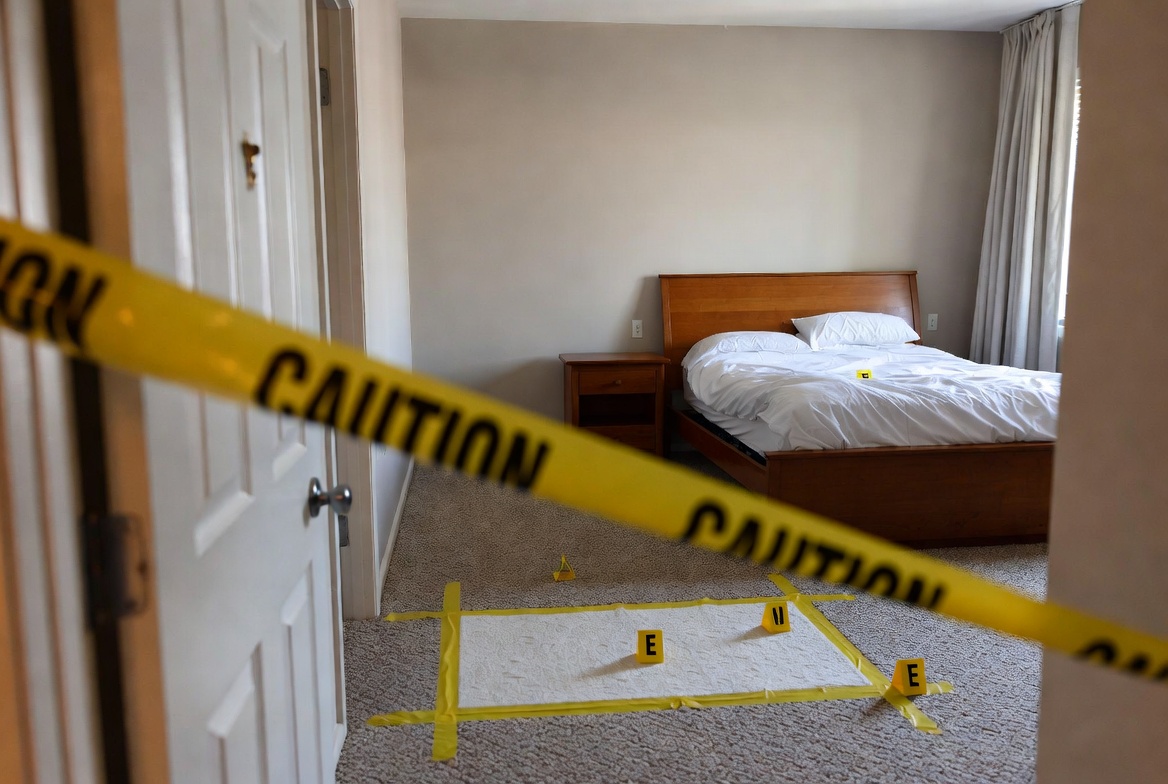
Before Remediation
Residential room before professional crime scene cleanup
before-afterAfter Restoration
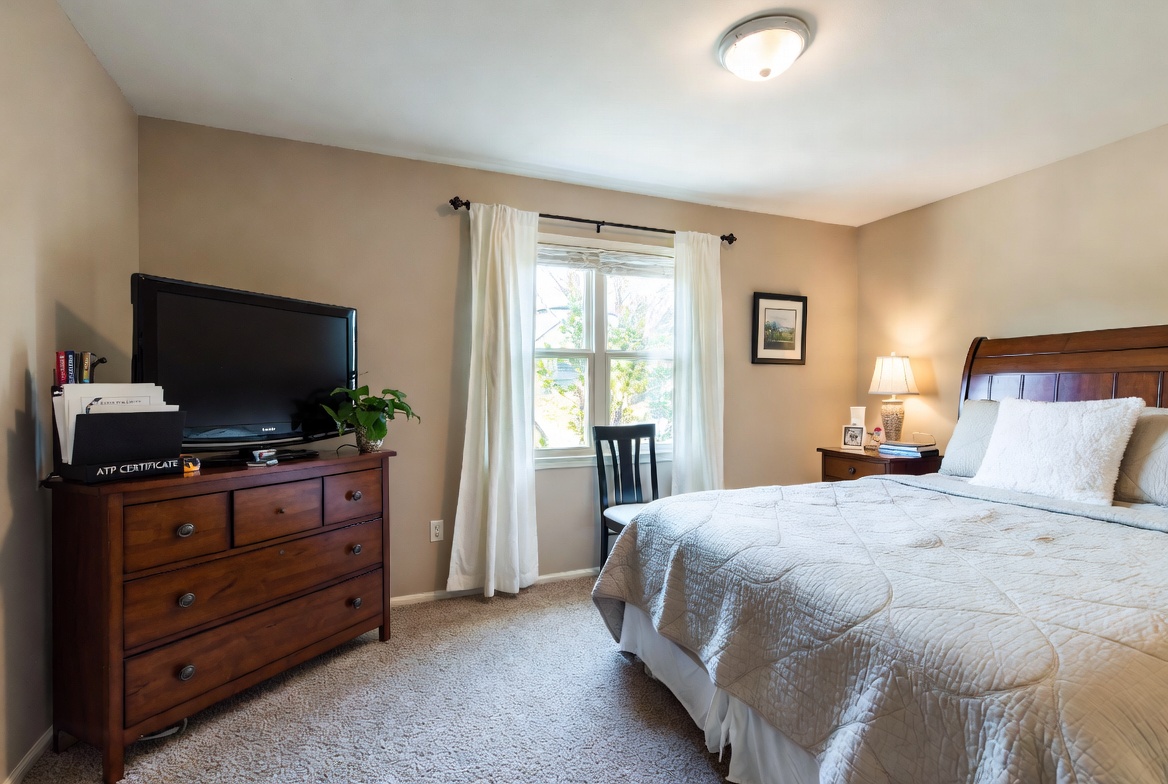
After Restoration
Fully restored bedroom after professional crime scene cleanup
technicianTechnician at Work
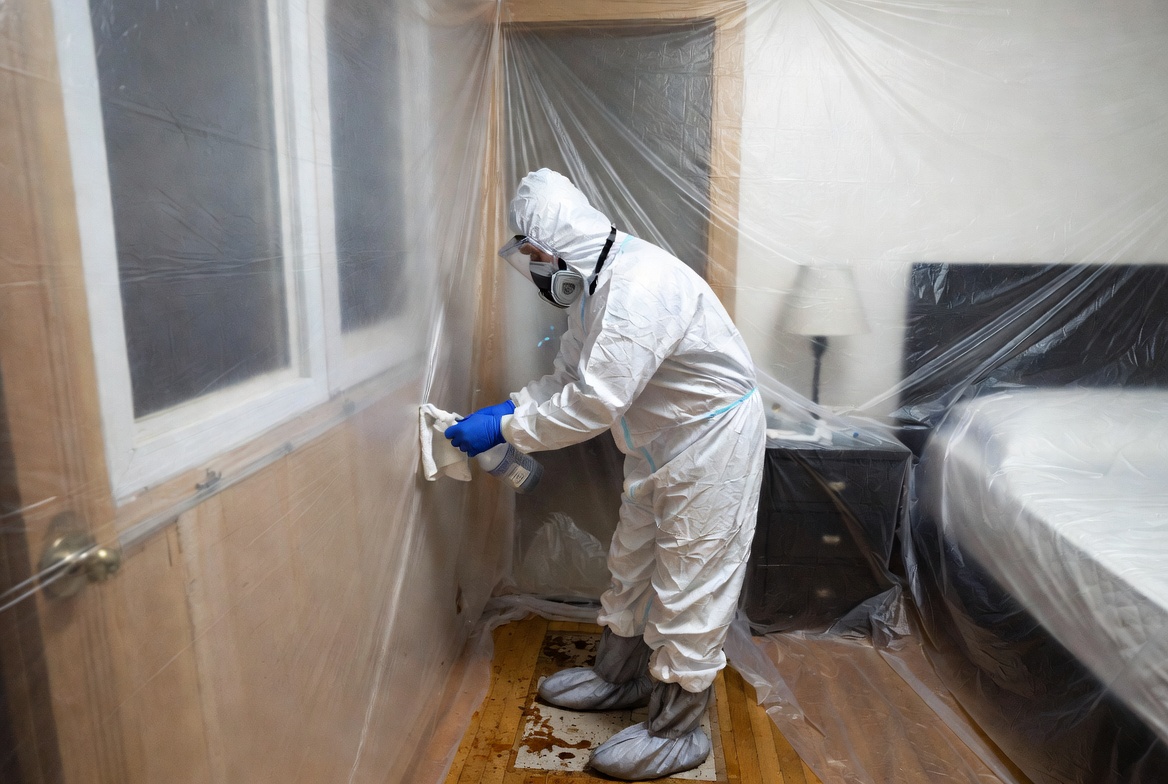
Technician at Work
Certified technician performing professional crime scene decontamination
educationCompassionate Support
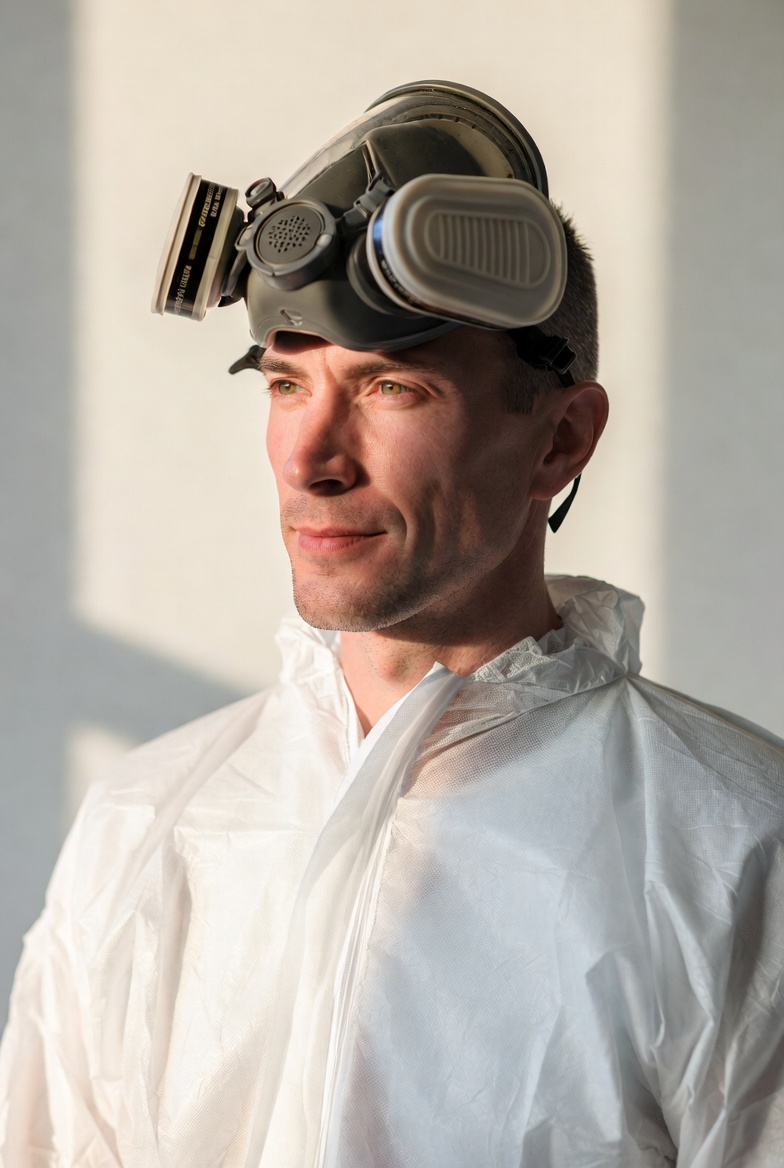
Compassionate Support
Compassionate care coordinator providing client support
equipmentHEPA in Containment
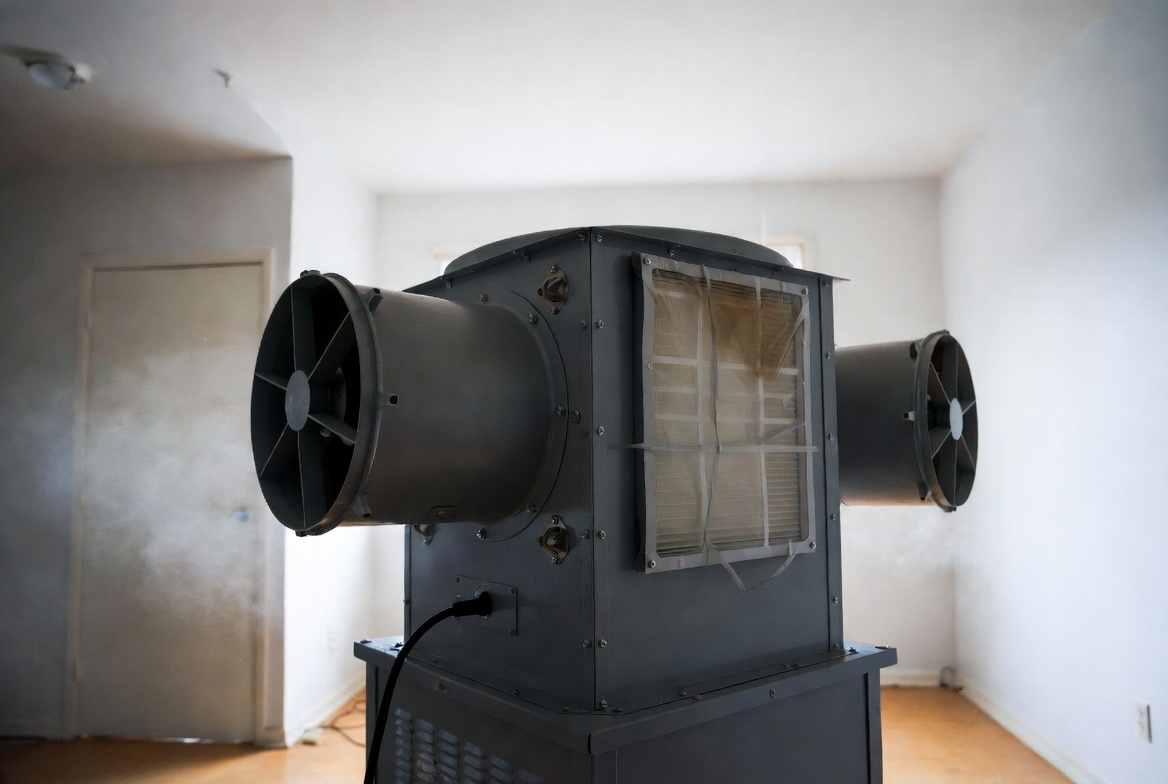
HEPA in Containment
HEPA air scrubber operating inside crime scene containment
equipmentRegulated Waste Staging
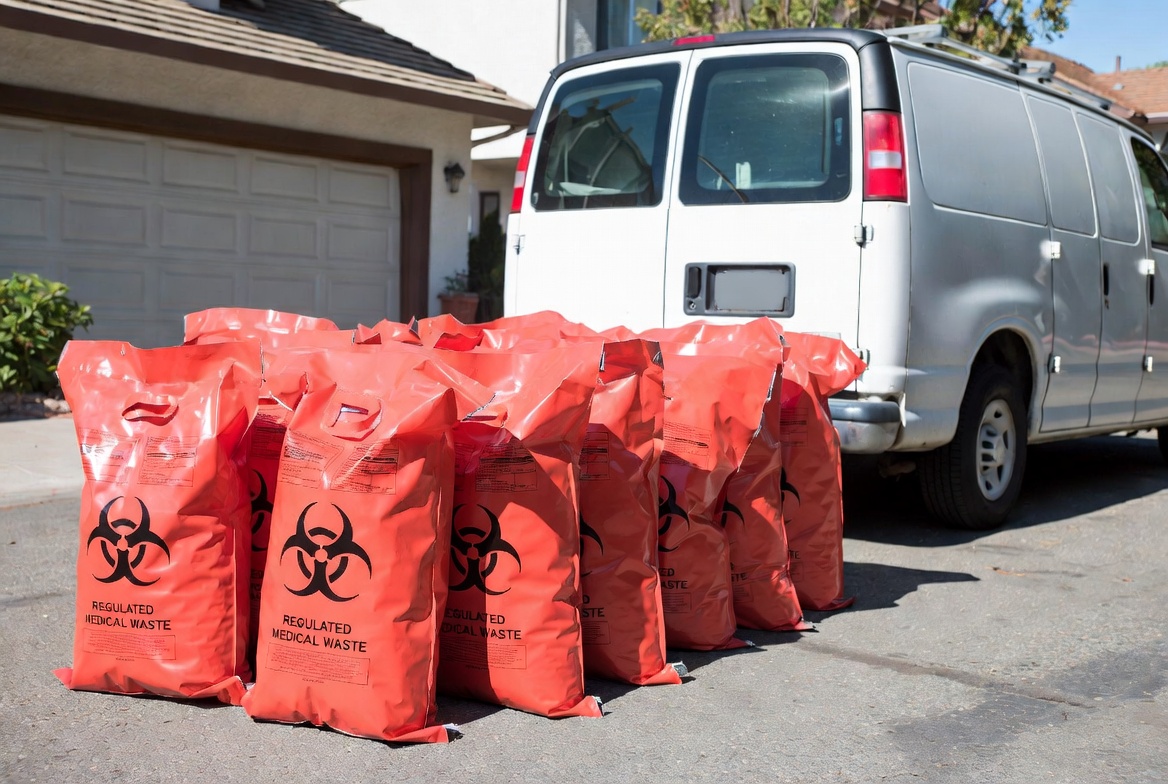
Regulated Waste Staging
Sealed regulated biohazard waste staged for licensed transport
technicianSubfloor Assessment

Subfloor Assessment
Subfloor moisture assessment after porous material removal
educationCloseout Documentation
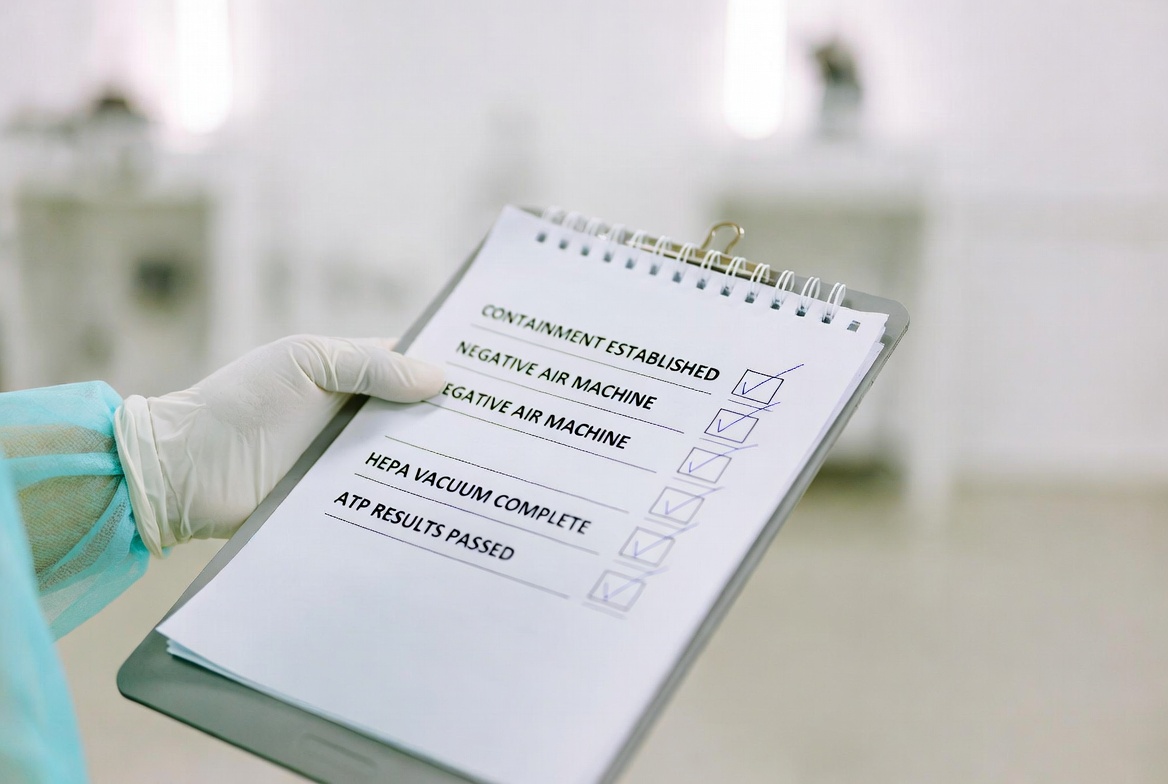
Closeout Documentation
Closeout photo documentation after crime scene remediation
trustCertifications

Certifications
Professional biohazard remediation certifications
technicianResponse Team

Response Team
Certified biohazard remediation team in professional PPE
propertyDiscreet Vehicle

Discreet Vehicle
Unmarked discreet response vehicle for confidential services
equipmentATP Testing Device

ATP Testing Device
ATP luminometer showing verified clean reading
Process Overview
A 30-second process overview: discreet arrival, PPE, containment, HEPA, ATP verification, restored room. 24/7 discreet response. 1-877-246-2532.
Transcript: Alternate restored-room walkthrough emphasizing re-entry readiness after verification.
What not to do during crime scene cleanup
- ✕Household bleach wipe-downs skip labeled dwell times and miss subfloor saturation.
- ✕Mopping blood spreads fluids under baseboards and into adjacent rooms.
- ✕Consumer gloves and dust masks do not meet OSHA bloodborne-pathogen PPE expectations.
- ✕Cleaning before scene release can destroy forensic value and create legal exposure.
- ✕Shop-vac dry pickup aerosolizes dried blood and fingerprint dust throughout the home.
- ✕Bagging bloody materials in municipal trash can violate regulated medical waste rules.
What affects crime scene cleanup cost?
Rooms and migration depth
Primary pools versus multi-room tracking into subfloor, baseboards, and cavities drives demolition volume.
Investigation residues
Fingerprint powder, luminol films, or CS/OC neutralization adds chemistry and HVAC filter work beyond blood cleanup.
Containment & negative air
Larger hot zones and shared HVAC protection increase labor and equipment days.
Regulated waste volume
Saturated porous materials packaged for licensed treatment change disposal line items.
Verification rounds
ATP or equivalent checks—and re-cleans after failures—belong in honest scopes.
Documentation load
Multi-party insurance, landlord, or HOA files need room-by-room photos and manifests.
Test Your Knowledge
Biohazard Knowledge Quiz
Q 1/5What determines a disinfectant contact time?
Community Polls
If you discovered a crime scene cleanup situation, what would you do first?
No visitor votes yet
What is the biggest fear people have about crime scene cleanup?
No visitor votes yet
Frequently asked questions about crime scene cleanup
Q:What is crime scene cleanup, and what falls outside its scope?
Crime scene cleanup is the specialized biohazard remediation performed after law enforcement has finished investigative work and formally released the property. The work focuses on blood, tissue, other potentially infectious materials, and investigation residues such as fingerprint powders or chemical reagents that remain on floors, walls, ceilings, furnishings, and sometimes HVAC pathways. Technicians document conditions, establish containment, remove or disinfect contaminated materials, package regulated waste, and verify surfaces before re-occupancy discussions begin. It is not detective work, evidence collection, medical care, grief counseling, or a general housecleaning contract. Structural rebuild—new drywall, finish flooring, painting beyond remediation—often requires separate restoration trades once biological and chemical hazards are controlled. Property owners should treat crime scene cleanup as hazard removal and verification, not as a turnkey remodel guarantee. Confirming what is in scope versus out of scope on the written estimate prevents disputes later. For definition and scope conversations, put these boundaries in the written estimate so stakeholders are not surprised later: focus on investigation powders and reagent residues, require official scene release, and treat rebuild as a separate phase when materials leave the structure. In crime scene cleanup projects specifically, ask the crew to explain how they will handle item 1 of this checklist in writing before mobilizing.
Q:Why is DIY cleanup of a crime scene unsafe?
Visible blood is only a fraction of the hazard. Bloodborne pathogens can persist on surfaces; fluids migrate into subfloor, baseboard cavities, and porous assemblies; and household cleaners rarely achieve labeled hospital-grade dwell times when organic soil is heavy. Improper wiping, shop vacuums, or rental carpet extractors can aerosolize dried material and spread contamination through foot traffic and return-air pathways. DIY attempts also create documentation gaps that complicate insurance and can interfere with any unfinished investigative needs if the scene was not fully released. Trained crews use PPE aligned with OSHA bloodborne pathogen concepts, polyethylene containment, HEPA negative air when appropriate, and regulated waste packaging that consumer methods do not provide. If you are not trained for this hazard class, keep people out and wait for professional remediation after official release. For DIY decisions, the practical rule is isolation first—protect people from investigation powders and reagent residues, wait on official scene release, and do not improvise tools that worsen violent-crime claim files. In crime scene cleanup projects specifically, ask the crew to explain how they will handle item 2 of this checklist in writing before mobilizing.
Q:How is biohazard waste from a crime scene packaged and destroyed?
Blood-soaked porous materials, contaminated PPE, absorbents, and sharps are segregated from ordinary trash. Regulated items go into puncture-resistant, labeled containers or bags appropriate to the waste stream, then move under manifest with a licensed transporter to a permitted treatment facility—commonly autoclave sterilization or incineration depending on the waste category and facility permits. Property owners and estate representatives should expect disposal documentation suitable for insurance and property records, not a vague assurance that trash was hauled. Mixing saturated biohazard materials into municipal dumpsters can create exposure for sanitation workers and compliance liability. Ask which treatment facility receives the waste and keep copies of manifests with the claim file for the retention period your insurer or counsel recommends. For waste handling, demand a pathway that matches investigation powders and reagent residues, keeps records suitable for violent-crime claim files, and never substitutes municipal trash for materials tied to fingerprint-dust HEPA methods. In crime scene cleanup projects specifically, ask the crew to explain how they will handle item 3 of this checklist in writing before mobilizing.
Q:Does homeowners or landlord insurance usually cover crime scene cleanup?
Many dwelling and commercial property policies respond when remediation follows a covered peril such as vandalism, burglary, or certain traumatic events on the premises, but coverage is always policy-specific. Suicide exclusions, vacancy clauses, deductibles, and sublimits can change outcomes. Landlords, HOAs, and homeowners may each hold different policies with different named insureds. Reputable firms provide photographs, written scopes, product lists, verification results, and waste manifests so adjusters can evaluate the claim. No honest contractor can guarantee an approval percentage. Notify the carrier early, clarify who authorizes work, and separate remediation invoices from later cosmetic rebuild bids so the claim file stays clear and auditable. For insurance and payment, document violent-crime claim files with photos and scopes, ask the carrier about official scene release, and reject vendors who invent approval rates instead of explaining investigation powders and reagent residues. In crime scene cleanup projects specifically, ask the crew to explain how they will handle item 4 of this checklist in writing before mobilizing.
Q:What does a typical crime scene remediation process include after police release?
After confirming official scene release, crews assess migration with moisture tools and visual inspection, then set containment and airflow controls so contaminants do not travel into clean rooms. Unsalvageable porous materials are removed; salvageable hard surfaces receive cleaning and EPA-registered disinfection with verified contact times. Investigation residues such as fingerprint dust often need HEPA methods distinct from blood cleanup alone. Work concludes with verification sampling on critical surfaces, waste documentation, and a walkthrough that explains what was removed versus cleaned. If potential evidence appears during demolition, work stops and law enforcement is notified. Rushing past assessment into demolition is how scopes explode and cross-contamination spreads into previously unaffected rooms. For process quality, sequence work around official scene release, control investigation powders and reagent residues, and finish with documentation that reflects fingerprint-dust HEPA methods rather than a verbal “all set.” In crime scene cleanup projects specifically, ask the crew to explain how they will handle item 5 of this checklist in writing before mobilizing.
Q:How do property owners verify the space is safe to reoccupy after crime scene work?
Visual cleanliness alone is not a clearance standard for bloodborne pathogen scenes. Ask for written verification such as ATP bioluminescence readings before and after on high-touch and high-risk hard surfaces, a summary of materials removed, disinfectant names with dwell times used, and waste treatment documentation. Photographs tied to room diagrams help future buyers, tenants, and insurers understand what was done. If structural materials were cut out, confirm drying and whether rebuild is required before furniture returns. Immunocompromised occupants, infants, and anyone with open wounds should wait for documented completion rather than re-entering mid-project. Treat clearance as a documentation package you can file with the property records, not as a verbal assurance at the door. For verification, define acceptance using fingerprint-dust HEPA methods, retain proof related to violent-crime claim files, and do not reopen based on appearance alone when investigation powders and reagent residues remains plausible. In crime scene cleanup projects specifically, ask the crew to explain how they will handle item 6 of this checklist in writing before mobilizing.
Q:How long does crime scene cleanup usually take from start to finish?
A single room with limited surface contamination may finish in several hours once the team is on site and the scene is released. Multi-room spatter, subfloor replacement, heavy investigation residues, or odor control after delayed discovery can extend into one or more days, and rebuild after remediation follows a separate schedule that depends on materials and contractor availability. Timeline drivers include material penetration, number of containment zones, HVAC involvement, waste volume, and whether work must pause for evidence issues. Marketing averages without an assessment are unreliable. Ask for a live plan and ETA for your address after photos or an on-site evaluation, and build buffer time if courts, estates, or multiple insurers must approve scopes. For timeline planning, build milestones around official scene release, contingency for violent-crime claim files, and honest drivers such as investigation powders and reagent residues instead of brochure averages. In crime scene cleanup projects specifically, ask the crew to explain how they will handle item 7 of this checklist in writing before mobilizing.
Q:How are odors handled when blood or trauma residues cause lingering smell?
Odor follows source material. Effective crime-scene odor work removes contaminated porous substrates first, then uses air scrubbing and, when appropriate, hydroxyl generators or ozone under vacancy and safety rules. Masking sprays and scented candles leave hazards in place and can complicate respiratory symptoms for occupants who return too early. Fingerprint powders and chemical residues can also contribute to off-gassing that feels like smell even when blood volume is modest. Address residues with the correct cleaning chemistry, replace heavily loaded HVAC filters, and ventilate per product guidance. Permanent odor control is a byproduct of proper remediation, not a fragrance overlay sold as a shortcut. For odor and air quality, tie treatments to fingerprint-dust HEPA methods, replace media when investigation powders and reagent residues recirculates, and remember fragrance cannot replace official scene release. In crime scene cleanup projects specifically, ask the crew to explain how they will handle item 8 of this checklist in writing before mobilizing.
Q:How should apartments, condos, and HOAs coordinate crime scene cleanup?
Multi-unit buildings add shared walls, corridors, elevators, and HVAC that can move contamination or create privacy and access conflicts. Boards and managers should confirm scene release, identify the responsible party under leases and governing documents, and schedule work to limit exposure for neighbors. Containment and negative air matter more when adjacent units share returns or hallway pressurization patterns. HOAs should not authorize DIY board-member cleanup of blood scenes. Use licensed remediation, document common-element versus unit damage, and communicate factually with residents without spreading graphic details. Elevator padding, corridor protection, and after-hours staging reduce secondary contamination and community disruption while preserving dignity for affected households. For multi-unit and HOA coordination, assign authority for violent-crime claim files, protect shared pathways from investigation powders and reagent residues, and communicate schedules without graphic detail while addressing official scene release. In crime scene cleanup projects specifically, ask the crew to explain how they will handle item 9 of this checklist in writing before mobilizing.
Q:What considerations apply for children, elders, or immunocompromised people after a crime scene?
Special populations face higher infection risk and greater stress from residual odors, demolition dust, and disruption. Keep children, pets, and medically vulnerable people out of the hot zone entirely. Discuss relocation timing with the remediation supervisor before equipment runs that involve demolition, fogging, or ozone phases that require vacancy. When re-occupying, prioritize documented disinfection of rooms those individuals use, replace or professionally clean soft goods that cannot be verified, and follow product re-entry guidance. Schools and caregivers should receive practical return-to-space instructions without graphic scene detail. Compassion includes protecting health, not rushing vulnerable people back into unfinished work zones. For children, elders, and other vulnerable occupants, relocate during investigation powders and reagent residues, delay return until official scene release, and bias toward replacement when fingerprint-dust HEPA methods cannot be verified on items they touch. In crime scene cleanup projects specifically, ask the crew to explain how they will handle item 10 of this checklist in writing before mobilizing.
Citations & Resources
Get a Free Crime Scene Cleanup Consultation
Tell us about your situation for coordinator follow-up. Provider availability and timing must be confirmed for the specific address and case. Contact: 1-877-BIO-CLEAN.