Crime Scene Cleanup planning tools
Work through cost, hiring, insurance, first steps and disposal at your own pace.
The tools on this page are built for the hours and days after police have finished and handed the property back. Each one takes one piece of your problem and turns it into a short set of questions with a clear result. The first 24 hours planner helps you put calls and choices in order. The DIY risk check helps you decide if hiring a pro is safer. The cost estimator explains what drives quotes so you can read one with confidence. The vetting checklist gives you questions to ask a company. The insurance organizer keeps a claim on track. The waste guide helps you see where soiled items are likely headed and which office can confirm it.
Get an email reply about crime scene cleanup
Send a short message to the follow-up inbox. A coordinator can reply by email. This form does not send emergency help; call 911 first if anyone is in danger.
Choose a tool
Each tool is free and private: nothing you type is saved or sent anywhere. Use the results to get ready for a visit from a cleanup company or a call with your insurer.

Cost Range Estimator
Set the affected area, surface types, severity and extras to see a rough cost range and what pushes it up or down.
Open tool
Company Vetting Checklist
Fifteen questions to ask any cleanup company, a score that shows how ready you are to hire, and a list of what is still unanswered.
Open tool
Insurance Claim Organizer
A guided checklist from finding the policy to tracking the insurer’s decision, with a printable summary of where the claim stands.
Open tool
First 24 Hours Planner
Tell the planner a few facts about the situation and get an ordered list of who to call, what not to touch, and what to photograph.
Open tool
Waste & Disposal Classifier
Five questions about the material point to the likely waste category and which authority to confirm the rules with.
Open tool
DIY or Call a Pro? Risk Check
Eight yes-or-no questions that produce a risk level and explain when professional help is the safer choice.
Open toolKnowledge quiz
A short quiz with an explanation for every answer, so you can check what you know before you make decisions.
Take the quizHow these tools fit crime scene cleanup
Crime scene cleanup covers many kinds of events, so the tools are built to handle that range. A burglary that ended with a cut hand and a bloody windowsill is very different from a standoff that filled a house with tear gas. It is also different from a police search that left powder on every door frame. The questions in each tool let you describe surfaces, chemicals, sharps, vehicles, and who is living there. That way the result fits your case, not a generic one. You can run each tool more than once with different answers. It is a good way to see how one detail changes the picture, such as whether the heating or cooling was running.
These tools are for learning. They do not inspect your property, read your policy, or know your local rules. Results are ranges, checklists, and likely categories. They help you get ready to talk with a checked company, an adjuster, and the police. When a tool points to a waste type or an insurance step, check with the local authority or your insurer, because rules vary by state and county. Nothing here creates a relationship with any company. The network makes no promises about response times, prices, or claim results. Use the results to ask better questions. Then get answers in writing from the people who can stand behind them.
Facts worth knowing
Ohio's Crime Victims Compensation Program pays back no more than $750 per claim for crime scene cleanup, under its fiscal year 2024 rules.
Why it matters: This may not cover the full bill, so ask your insurer and the cleanup company about the rest before work starts.
Some insured flood victims in a study published in 2022 said their premiums went up a lot after they made a claim.
Why it matters: Before you file, you may want to ask your insurer or agent how a claim could affect what you pay later.
Utah's Office for Victims of Crime paid $4,869 in total for crime scene cleanup across all claims in its 2024 reporting year.
Why it matters: Cleanup help from these programs may go unclaimed, so ask your state's victim program whether you qualify.
What other people chose
Vote to see how other people answered. You can change your answer at any time.
What was the hardest thing to figure out in the first day after the scene was released?
Which type of incident brought you to this topic?
Questions about the crime scene cleanup tools
Which tool should I start with if I have no idea what to do?
Start with the first 24 hours planner. It asks whether the scene is released, who is on site, and what hazards are present, then gives you an ordered list of calls and precautions. Once you know what not to touch and who to phone, the other tools become much easier to use.
Do I need to enter personal information to use the tools?
No. The tools run only on the choices you make on the page. None of them ask for a name, address, or contact details at any point. If you want a copy of a result, use the print or copy buttons. Do not type anything that identifies you into the tool or share it elsewhere.
Can the tools handle a crime that happened in a car or truck?
Yes, in a general way. The cost estimator lets you describe a small space with mixed surfaces. The waste guide works for seats and carpet just as it does for rooms. The DIY risk check also applies to closed car interiors. For more detail about vehicles, the network's vehicle biohazard site goes much deeper into that choice.
Are the tool results the same as advice from a company?
They are not. A company inspects the property, measures moisture and contamination, and takes responsibility for a written job plan. The tools only sort the information you already have. Use their results to prepare for that inspection. They also help you check that the company's plan covers everything you expected.
What if my situation includes both blood and tear gas?
Select both in the tools that ask. The cost estimator will flag extra cleaning products and air system work. The waste guide will explain that different disposal routes may apply. The planner will add cautions about airing out the space. Mixed hazards are common after standoffs and forced entries, so the tools are built to handle them.
Can I save my results and come back later?
Each tool offers a copyable or printable summary that you can keep on your own device. The site does not store your selections. If you return to a tool, you will start fresh, so save the summary if you want to compare a later run against an earlier one after circumstances change.
Why do the tools keep telling me to verify with local authorities?
Because rules for cleanup, waste, reporting, and licenses really do vary by state and county. A tool that claimed to know the rules where you live would be guessing. The reminder is there so you check the one source that can give a firm answer. That is the local health, environmental, or police agency that covers your property.
More on crime scene cleanup
Crime Scene Cleanup services
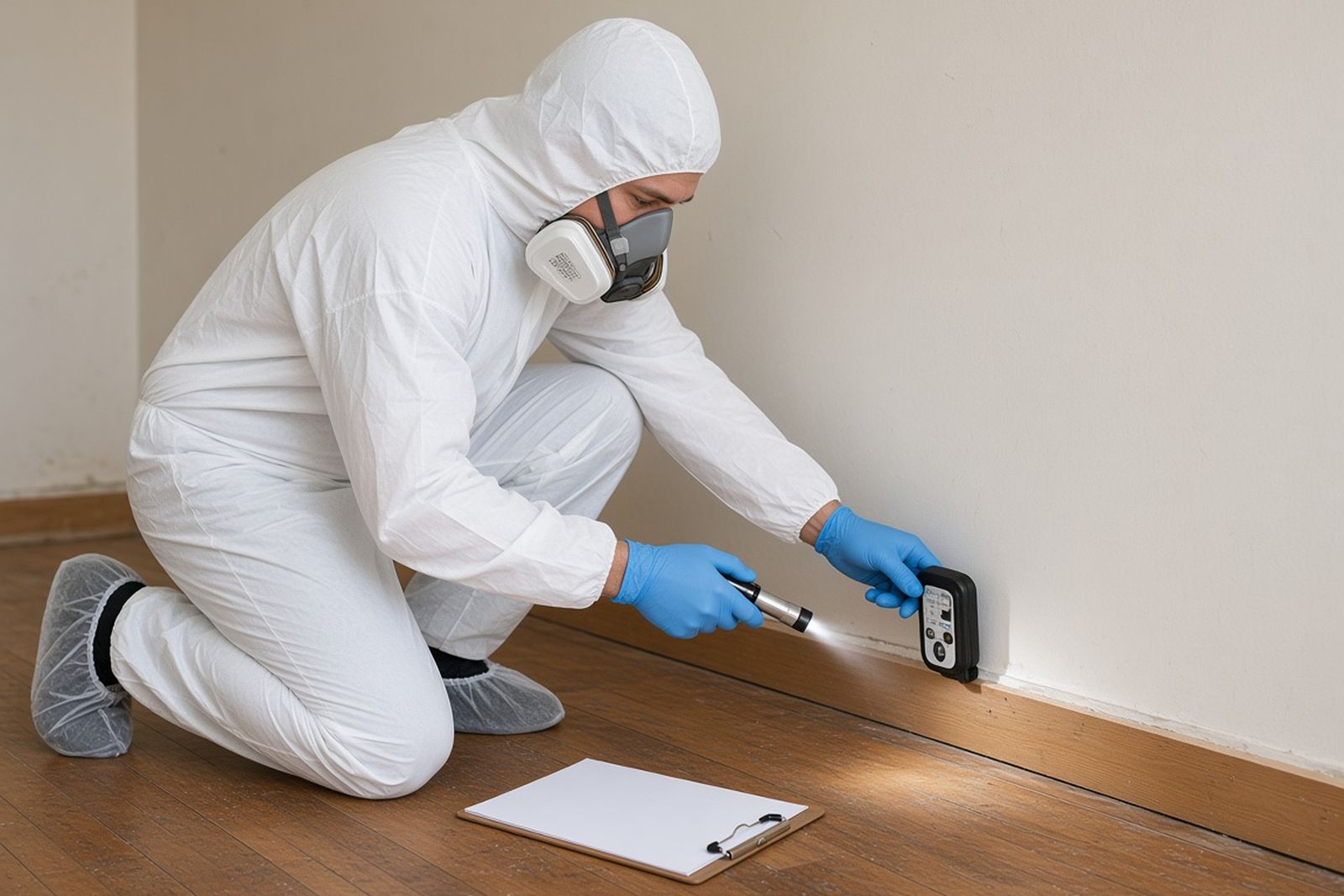
See what crime scene cleanup covers, from blood and police residue to tear gas and cars, and what the work does not include.
Costs explained
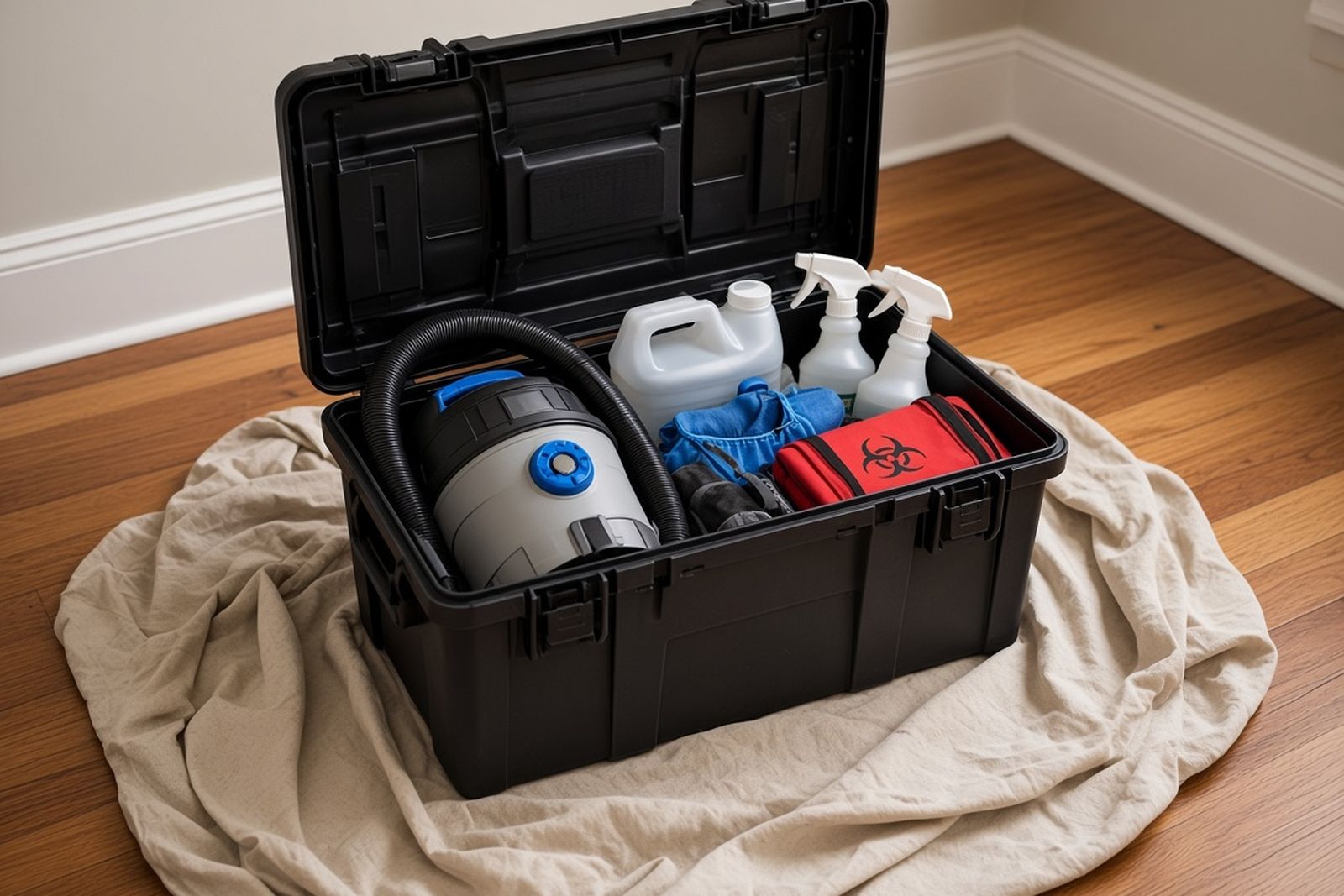
What drives the price, published cost ranges, and how to read a written quote line by line.
Insurance and payment
Which policies may respond, how to document a claim, and what to do if coverage is denied.
Community polls
See what other readers think about the choices people face after a crime at their property, from picking a company to what surprised them most.
Knowledge quiz
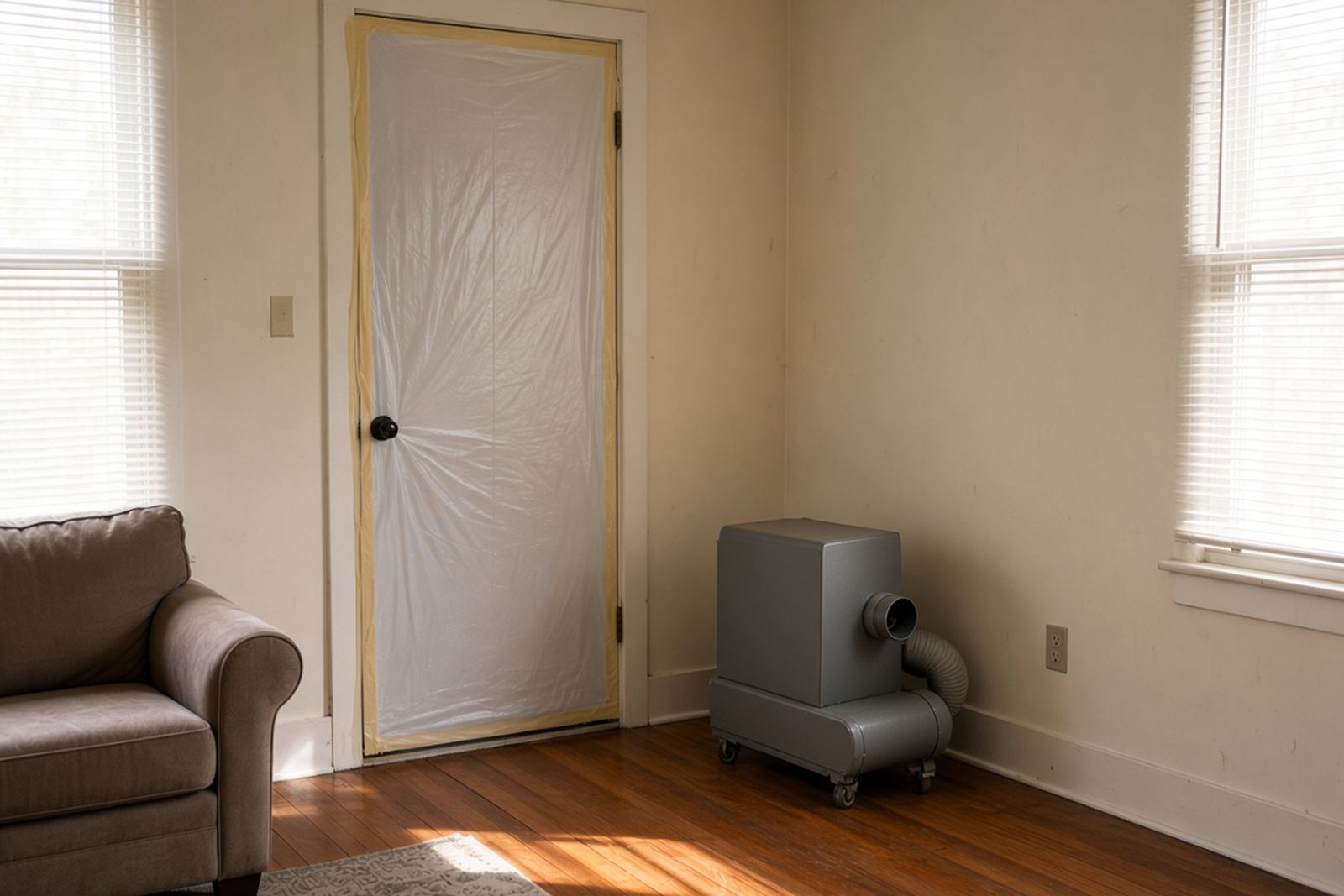
Test what you know about scene release, sealing off the area, disinfecting, waste, and checking the work, with a short quiz and a plain study guide.
Articles and resources
Read about common kinds of crime scenes, like a break-in where someone got hurt, tear gas left after a standoff, or the mess from a police search. Written for owners.
Field guides
Longer step-by-step guides on confirming scene release, working with insurers, reading a cleanup job plan, and keeping people safe while work is underway.
City guides
Find local facts and reach companies by area, with reminders that license and disposal rules vary by state and county.