Free crime scene cleanup tool
Crime Scene Cleanup DIY or Call a Pro? Risk Check
Eight yes-or-no questions that produce a risk level and explain when professional help is the safer choice.
Many people think about cleaning a crime scene themselves, especially when the damage looks small. It might be a bloody handprint on a door, a stained patch of carpet, or powder on a windowsill. This risk check asks eight yes-or-no questions about what is there and who is involved. Has blood soaked into a soft surface? Are sharps or broken glass around? Was a chemical spray used? Did the heating or cooling run? Does anyone at higher risk live there? Do you have the right safety gear and a legal way to get rid of the waste? It then gives a risk level. It explains in plain words when hiring a pro is the safer choice, and why.
Doing it yourself often goes wrong at crime scenes because the danger is hard to see, not because people are careless. Blood that looks dry can flake into the air when scrubbed. Fluids that seem contained have often seeped under baseboards. Tear gas that seems gone comes back in humid air. Fingerprint powder spreads with every pass of a vacuum without a HEPA filter. And regulated waste has no legal place in a home trash bin. The risk check brings these hidden factors into view one question at a time. It does not forbid anything, and it does not replace a company's inspection. But it will tell you honestly when the job is more than home cleaning can handle.
How to use it
- 1Answer all eight questions based on what you can see and know without entering the affected space.
- 2Read the risk level and the explanation, paying attention to which answers drove it.
- 3If the result suggests professional help, use the vetting checklist to prepare for that call.
- 4If the result says limited DIY is reasonable, follow the listed safety steps. Stop if anything unexpected turns up.
Prefer to ask a person?
Your request is sent to the follow-up inbox. A coordinator can reply by email. Not for emergencies; call 911 first if anyone is in danger.
Check whether DIY is safe
Crime Scene Cleanup: DIY or call a pro?
Eight yes-or-no questions. The result is an educational risk level, not a safety clearance.
1. Is there blood, body fluid, or anything that could carry a bloodborne pathogen?
2. Has the material soaked into carpet, padding, a mattress, drywall or a subfloor?
3. Is there a strong or lingering odor?
4. Could needles, broken glass, drug residue or unknown chemicals be present?
5. Does the affected area cover more than a small spot, or more than one room?
6. Will children, older adults, pregnant people or anyone immunocompromised use the space afterward?
7. Do you need documentation for insurance, a landlord, a sale, or an estate?
8. Would you be doing this while grieving, exhausted or under time pressure?
8 questions left to answer.
A worked example
Here is an invented example. A homeowner comes home to find that a burglar cut an arm on the broken back door. There is smeared blood on the door frame, a few drops on the tile floor, and a trail out to the driveway. Police dusted the door and nearby cabinets for prints. The homeowner is handy, has gloves and bleach, and wants to handle it. The risk check asks if blood is on a soft surface. The answer is no, since the door frame is painted and the floor is tile. Sharps present: yes, because glass is everywhere. Chemical sprays: no. Air system ran: yes, the air conditioning was on all day. People at higher risk: yes, a toddler and an older parent. Safety gear beyond gloves: no. A legal way to get rid of soiled items: unknown. Knows how long a disinfectant must stay wet: no. The result is a high risk level. The note focuses on three points. The glass makes the entry a cut hazard. The running air system may have spread powder and dried blood into the rest of the house. And a toddler and an older parent raise the stakes if the cleanup is not complete. It advises hiring a pro. It explains that a company would also check the driveway trail and the air filters, which the homeowner had not thought about.
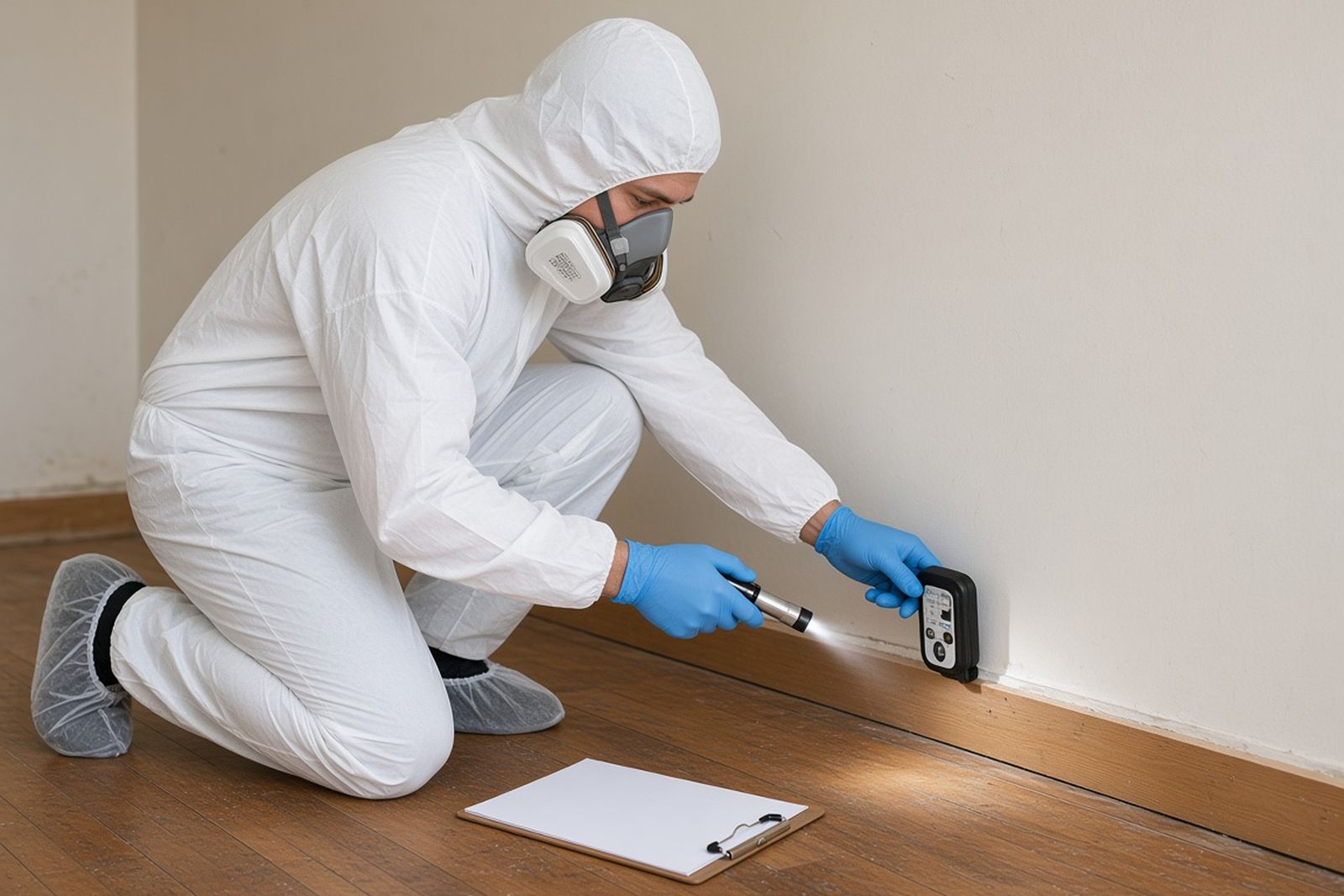
Facts worth knowing
The CDC says washing hands with soap cuts the number of people who get sick with diarrhea by 23% to 40%.
Why it matters: Wash your hands with soap after any cleanup or contact with a contaminated area.
In a study published in 2022, 18% of 521 insured people whose homes flooded said they had an insurance dispute or a denied claim.
Why it matters: Claim disputes do happen, so keep your photos, receipts and every letter or email from your insurer.
Ohio paid 1,977 crime victim compensation awards in fiscal year 2024, averaging $3,716 each, across all kinds of costs, not just cleanup.
Why it matters: These programs do pay real claims, so it may be worth applying if you are a victim with crime-related bills.
DIY or Call a Pro? Risk Check questions for crime scene cleanup
If the blood is on a hard surface and there is very little, is DIY reasonable?
Sometimes. The scene must be released, and there must be no sharps or chemical sprays. You need proper gloves and eye protection. First remove what you can see. Then use an EPA-registered disinfectant and keep it wet for as long as the label says. You also need a legal way to get rid of the used materials. The risk check walks through each of these, and any missing one changes the answer.
Why does the check ask whether the HVAC system was running?
A running air system pulls dried blood dust, fingerprint powder, and chemical residue into returns and filters. Then it pushes that dust into other rooms. That turns a problem on one surface into a whole-house question that home cleaning cannot fix. Companies check filters and returns as part of the job. Home cleanups almost never do.
Does bleach make DIY cleanup safe?
Not on its own. Blood and other organic matter weaken bleach, so putting it on blood without cleaning first cuts its effect. It also needs a set strength and must stay wet for a set time to work. It damages many surfaces and gives off fumes in closed rooms. The choice of product, the order of steps, and how long it stays wet matter more than how strong the chemical is.
What if the check says low risk but I still feel uneasy?
Trust that feeling. The check weighs physical and legal risks. It cannot weigh emotional strain. Cleaning up after a crime in your own home is hard in ways that have nothing to do with the hazard level. Calling a company for a small job is a sensible choice, and many will quote a limited cleaning.
Are there legal reasons not to DIY, beyond safety?
Yes. Cleaning before release can get in the way of a police case. Throwing regulated waste in home trash may break local rules. If you have employees, such as at a business, the OSHA bloodborne pathogens standard (29 CFR 1910.1030) sets duties when workers could be exposed. Rules vary by state and county. Check with the local authority before you take on any of this yourself.
Should I retake the check if the situation changes?
Yes. If you discover more blood, notice an odor, learn that fluid reached flooring or walls or find sharps you missed, run the check again. New information can change the result. Also retake it if someone in the household has a health condition that makes exposure more concerning. The check reflects what you know at the moment, so update it as you learn more.
Can I use the check to decide what a tenant is allowed to clean?
It can help start a talk. But as the owner or manager, be careful about asking a tenant to clean anything with blood on it. Urge them to leave the area alone and let a company handle it. If the tenant wants to deal with a very small spot, share the results and your concerns in writing. Follow your lease and local rules.
Related community polls
Vote to see how other people answered. You can change your answer at any time.
What was the hardest thing to figure out in the first day after the scene was released?
Which type of incident brought you to this topic?
Other crime scene cleanup tools
Cost Range Estimator
Set the affected area, surface types, severity and extras to see a rough cost range and what pushes it up or down.
OpenCompany Vetting Checklist
Fifteen questions to ask any cleanup company, a score that shows how ready you are to hire, and a list of what is still unanswered.
OpenInsurance Claim Organizer
A guided checklist from finding the policy to tracking the insurer’s decision, with a printable summary of where the claim stands.
OpenFirst 24 Hours Planner
Tell the planner a few facts about the situation and get an ordered list of who to call, what not to touch, and what to photograph.
OpenWaste & Disposal Classifier
Five questions about the material point to the likely waste category and which authority to confirm the rules with.
OpenMore on crime scene cleanup
Crime Scene Cleanup services
See what crime scene cleanup covers, from blood and police residue to tear gas and cars, and what the work does not include.
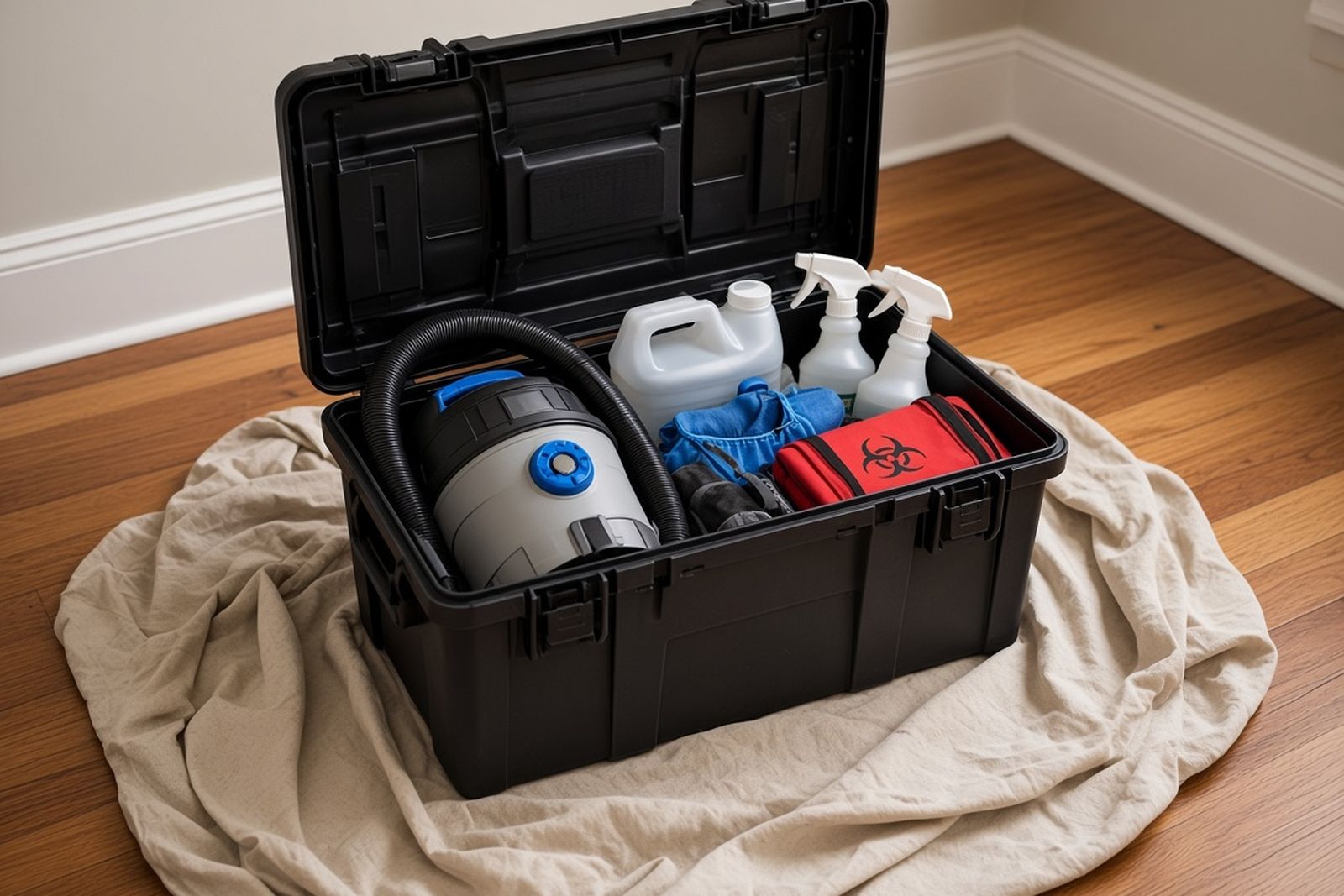
Costs explained
What drives the price, published cost ranges, and how to read a written quote line by line.
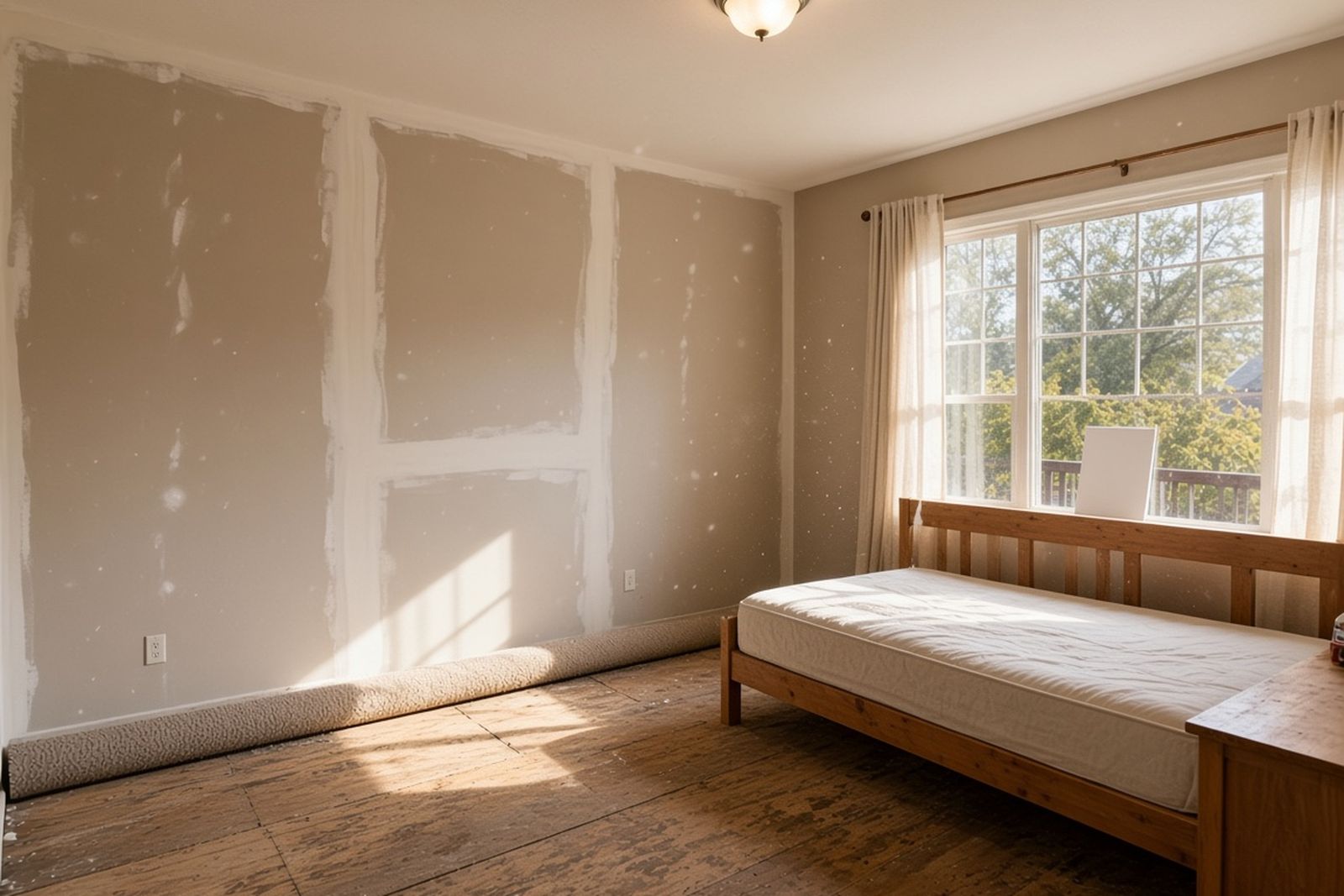
Insurance and payment
Which policies may respond, how to document a claim, and what to do if coverage is denied.
Community polls
See what other readers think about the choices people face after a crime at their property, from picking a company to what surprised them most.
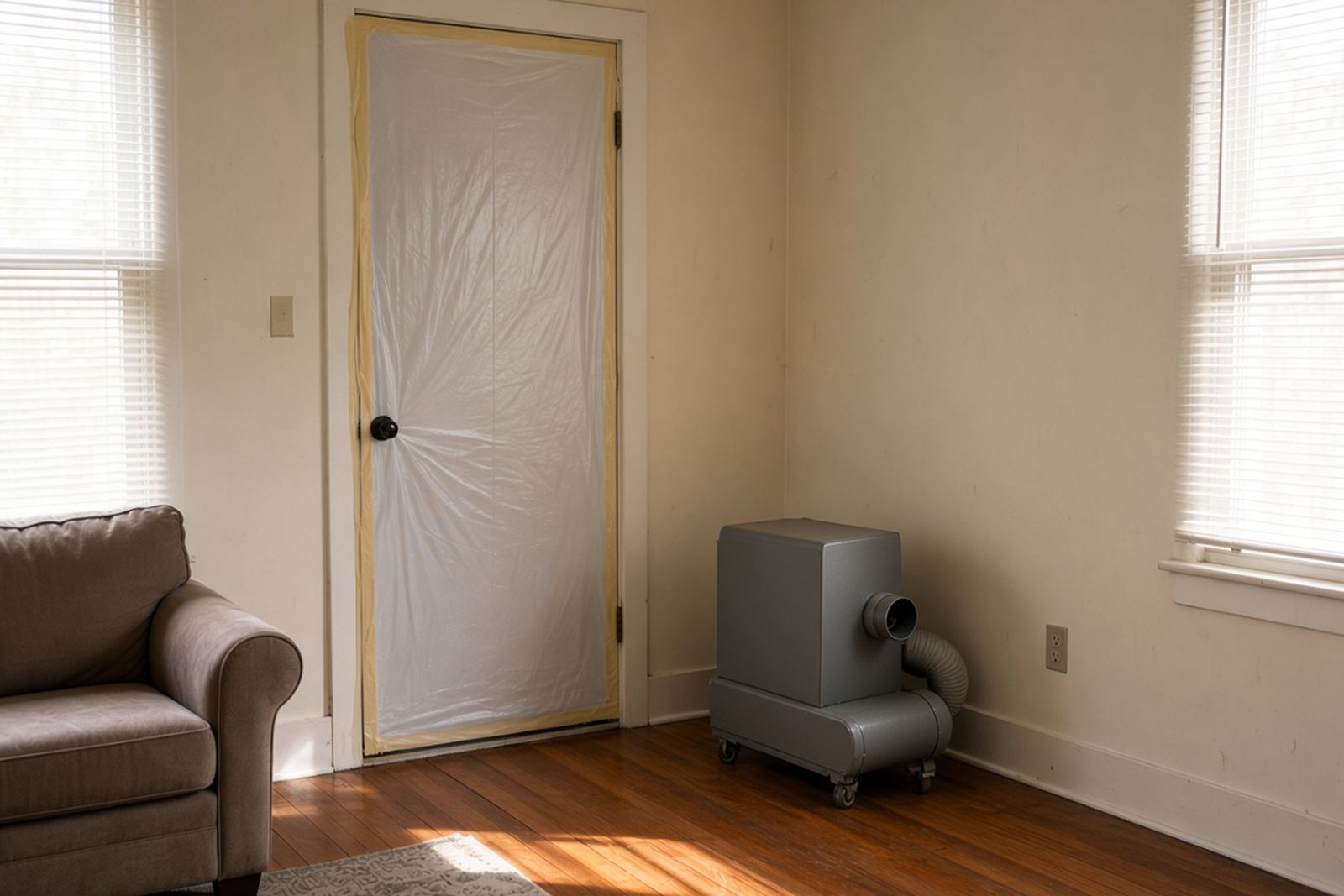
Knowledge quiz
Test what you know about scene release, sealing off the area, disinfecting, waste, and checking the work, with a short quiz and a plain study guide.
Articles and resources
Read about common kinds of crime scenes, like a break-in where someone got hurt, tear gas left after a standoff, or the mess from a police search. Written for owners.
Field guides
Longer step-by-step guides on confirming scene release, working with insurers, reading a cleanup job plan, and keeping people safe while work is underway.
City guides
Find local facts and reach companies by area, with reminders that license and disposal rules vary by state and county.