Free crime scene cleanup tool
Crime Scene Cleanup Insurance Claim Organizer
A guided checklist from finding the policy to tracking the insurer’s decision, with a printable summary of where the claim stands.
Insurance claims after a crime are often filed by someone who has never made a property claim. They are doing it while also dealing with police, family, and a property they cannot use. This organizer breaks the process into steps in order. Find the right policy. Describe the cause of loss in words an insurer knows. Give notice. Record the condition of the property. Get a written job plan from a company. Track the insurer's decision. Each step has a short checklist and notes on what to save. The tool tracks your progress as you go. A printable summary keeps it all in one place. Nothing in the tool predicts if coverage applies. It only keeps the process in order.
Losses from a crime raise special questions about the cause of loss. Damage from a burglary, vandalism, or forced entry is usually described differently from damage caused by an injury to a person. The same event may include both. A standoff with tear gas may involve a government agency as well as your insurer. Vehicles used in a crime fall under auto coverage, not property coverage. The organizer prompts you to describe the event accurately. It also reminds you to keep the police report number handy, since insurers often ask for it before opening a file. Coverage depends fully on your policy terms and the insurer's review. The network cannot promise that any claim will be accepted or paid.
How to use it
- 1Find every policy that might apply, such as home, renters, landlord, business property, and auto. Write down the policy numbers.
- 2Work through the cause-of-loss and notice steps. Write down the police report number and the date you called the insurer.
- 3Finish the records step with photos, the company's written job plan, and receipts. Check off each item as you save it.
- 4Track the carrier's requests and decisions in the final step and print the summary for your records.
Prefer to ask a person?
Your request is sent to the follow-up inbox. A coordinator can reply by email. Not for emergencies; call 911 first if anyone is in danger.
Organize an insurance claim
Crime Scene Cleanup insurance claim organizer
A checklist to keep the claim orderly. It stores nothing on our servers; copy the summary to your own notes.
0 of 18 steps recorded (0%)
Print or paste the summary into your own records. Coverage is the carrier's decision under the policy; keep every answer in writing.
A worked example
Here is a made-up example. A guest was attacked in someone's house. Police processed and released the scene. Now the homeowner faces blood on hardwood, a stained sofa, and fingerprint powder all over the living room. In the organizer, the homeowner first checks the home policy. The front page lists a separate deductible and mentions vandalism and certain violent events. The cause-of-loss step asks for a description that matches the police report, not a guess. The homeowner writes down the report number. Notice is given by phone, and the organizer records the date, the agent's name, and the claim number. In the records step, the homeowner uploads nothing. Instead, she checks off three items: photos taken from the doorway before any work, the company's itemized written job plan, and the waste shipping record promised at the end. The job plan step reminds her to ask the company to list cleanup apart from the later floor repair. In the final step, she notes that the adjuster asked for a second set of photos and that a decision is pending. The printed summary becomes the cover sheet for the claim folder.
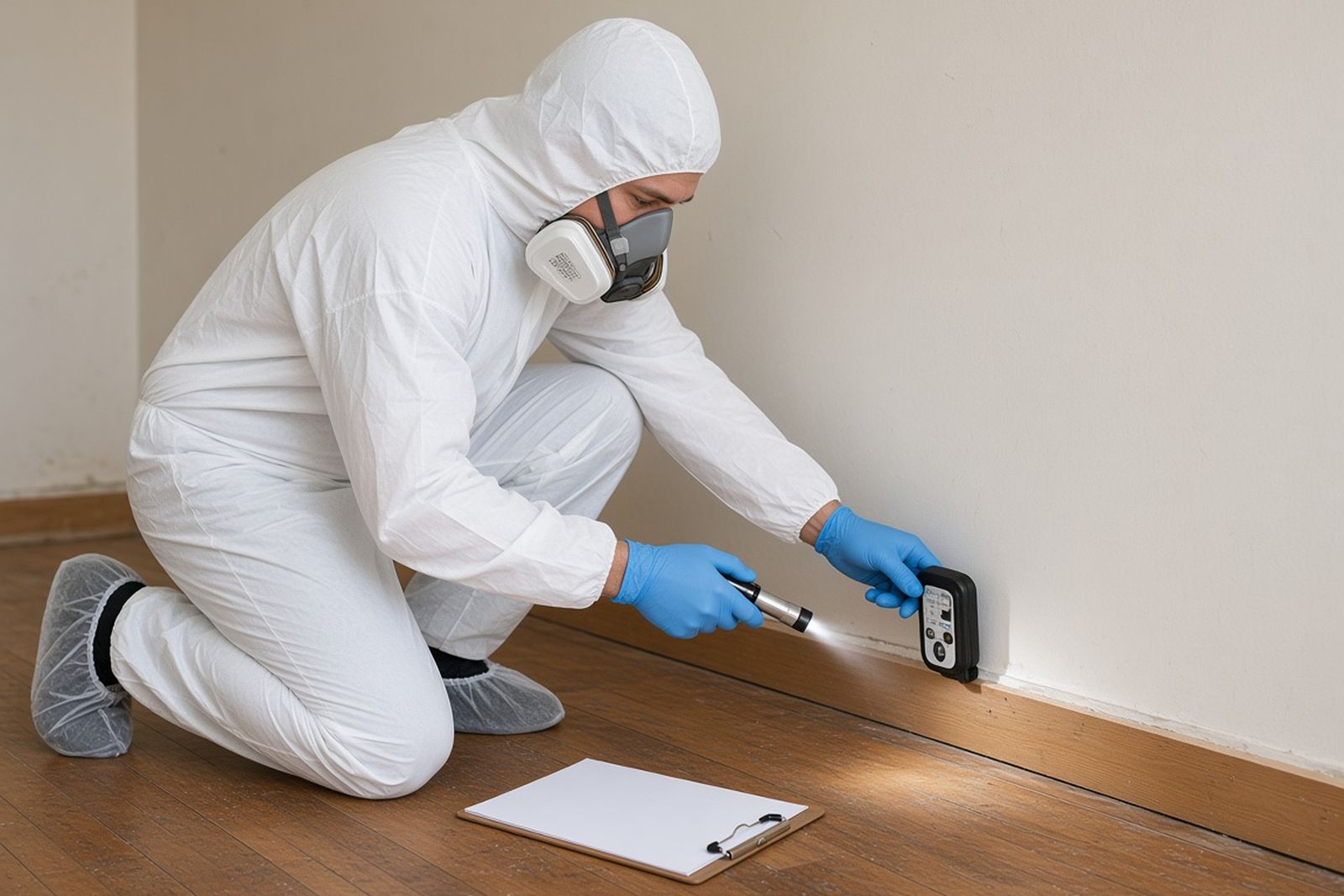
Facts worth knowing
Flooded residents in New Brunswick focus groups said the paperwork for insurance and government compensation was confusing.
Why it matters: Expect the forms to take effort, and ask your adjuster or a local aid office to walk you through them.
Eligible crime victims in California can get up to $70,000 in total repayments for crime-related costs through the state's victim compensation board.
Why it matters: Cleanup has its own lower limit within this total, so ask the program which of your costs qualify.
Insured flood victims in a study published in 2022 said slow insurance inspections held up their cleanup.
Why it matters: Ask your insurer how soon an adjuster can come, and whether you may start urgent cleanup after taking photos.
Insurance Claim Organizer questions for crime scene cleanup
Why does the organizer ask me to find more than one policy?
Crimes often involve more than one party. A landlord's policy and a tenant's renters policy may both apply. A business may have property and liability coverage. A vehicle used in the event falls under an auto policy. Finding each policy early prevents a common mistake: filing under the wrong one and losing time.
What should I say about the cause of loss?
Describe what happened plainly, in a way that matches the police report. For example, say it was a burglary, an assault, a forced entry, or a police action with chemical sprays. Do not guess at legal terms. The insurer will decide how the policy applies. Your job is to give a correct account and the report number so they can confirm it.
Does a police report guarantee coverage?
No. A report helps show that the event happened and how. But coverage depends on the policy's terms, exclusions, deductibles, and lower limits for certain losses. Some policies have special terms for vandalism or harmful acts, and others do not. The organizer helps you present the claim clearly. The decision belongs to the insurer.
Should I wait for the adjuster before starting cleanup?
Ask the insurer directly and write down the answer. Many policies require you to prevent more damage, and blood soaking into flooring is ongoing damage. But insurers also want to see the condition first. Photos taken from outside the affected area before work, plus the company's written job plan, usually meet both needs. Get the insurer's instructions in writing if you can.
What if the crime involved a government agency deploying tear gas?
Record it the same way, but also note in the organizer that a government action was involved. Some areas have a process for property damage claims caused by police operations, and rules vary by state and county. Your insurer may or may not treat it as a covered loss. Check with both the insurer and the local authority.
Can someone else manage the organizer and claim on my behalf?
Yes, many people ask a family member, friend, or advocate to help. Make sure that person knows which policies exist and whose name is on each one. Insurers may need your permission before they discuss the claim with someone else, so ask how to give it. Keep the policyholder involved in final choices and signatures. Share a copy of the organizer so everyone works from the same facts.
How should I organize receipts for things I paid for out of pocket?
Keep every receipt. That includes hotels, meals away from home, lock changes, boarding up, and replacing basic items. Note the date, what it was for, and why you needed it. Take photos of paper receipts in case they fade or get lost. Group them by type in the organizer. Then you can hand them to your insurer or a victim compensation program without sorting it all again later.
Related community polls
Vote to see how other people answered. You can change your answer at any time.
What was the hardest thing to figure out in the first day after the scene was released?
Which type of incident brought you to this topic?
Other crime scene cleanup tools
Cost Range Estimator
Set the affected area, surface types, severity and extras to see a rough cost range and what pushes it up or down.
OpenCompany Vetting Checklist
Fifteen questions to ask any cleanup company, a score that shows how ready you are to hire, and a list of what is still unanswered.
OpenFirst 24 Hours Planner
Tell the planner a few facts about the situation and get an ordered list of who to call, what not to touch, and what to photograph.
OpenWaste & Disposal Classifier
Five questions about the material point to the likely waste category and which authority to confirm the rules with.
OpenDIY or Call a Pro? Risk Check
Eight yes-or-no questions that produce a risk level and explain when professional help is the safer choice.
OpenMore on crime scene cleanup
Crime Scene Cleanup services
See what crime scene cleanup covers, from blood and police residue to tear gas and cars, and what the work does not include.
Costs explained
What drives the price, published cost ranges, and how to read a written quote line by line.
Insurance and payment
Which policies may respond, how to document a claim, and what to do if coverage is denied.
Community polls
See what other readers think about the choices people face after a crime at their property, from picking a company to what surprised them most.
Knowledge quiz
Test what you know about scene release, sealing off the area, disinfecting, waste, and checking the work, with a short quiz and a plain study guide.
Articles and resources
Read about common kinds of crime scenes, like a break-in where someone got hurt, tear gas left after a standoff, or the mess from a police search. Written for owners.
Field guides
Longer step-by-step guides on confirming scene release, working with insurers, reading a cleanup job plan, and keeping people safe while work is underway.
City guides
Find local facts and reach companies by area, with reminders that license and disposal rules vary by state and county.