Hoarding Scene Cleanup: Choosing a Company
What to ask a hoarding scene cleanup company before you hire: training, insurance, how waste is handled, and what you get in writing.
Posts on choosing a company help you compare hoarding cleanup companies on the traits that matter once the crew is inside the home. You will find articles on questions to ask during an estimate. You will learn how to tell whether a company understands sorting with consent. You will see what a written work plan should say about biohazards, donations, and disposal. You will also learn how to judge references from social workers or property managers. Posts also show how to spot a company that cares more about speed and volume than about the person's role in the work.
Get an email reply about hoarding scene cleanup
Send a short message to the follow-up inbox. A coordinator can reply by email. This form does not send emergency help; call 911 first if anyone is in danger.
This matters because the wrong fit can harm trust between family members. It can make future help harder to accept. A crew that talks over the person or treats every item as trash may clear rooms. But it can leave the person feeling violated. The articles show you how to listen for respectful language. They show you how to ask about crew training for this kind of work and how to confirm in writing how choices will be made.

10 Questions to Ask Before Hiring a Hoarding Scene Cleanup Company
Ten plain questions to ask a hoarding cleanup company before anyone steps into the home. They cover consent, pace, hidden hazards, where things go and what happens after.
Ask who gets to decide what stays and how that is written down. Ask how the crew sets the pace, protects valuables and papers, and deals with needles, waste and pests. Then ask where things go, how the price and any changes are approved, what insurance the company carries, who will be on the crew and what help you get afterward.

Red Flags When Hiring Hoarding Scene Cleanup Services
A dumpster-first plan, shaming talk, no sorting process and no check for hazards are all warning signs. Here is what to watch for when you hire a hoarding cleanup company.
Watch for a plan to haul everything away with no sorting, and for shaming talk about the person who lives there. Be wary if no one walks through to check for mold, animal waste or structural damage, or if there is no written policy on valuables and papers. Other warning signs are pressure to finish in one push against the person's wishes, and prices or insurance promises made before anyone has seen your home.
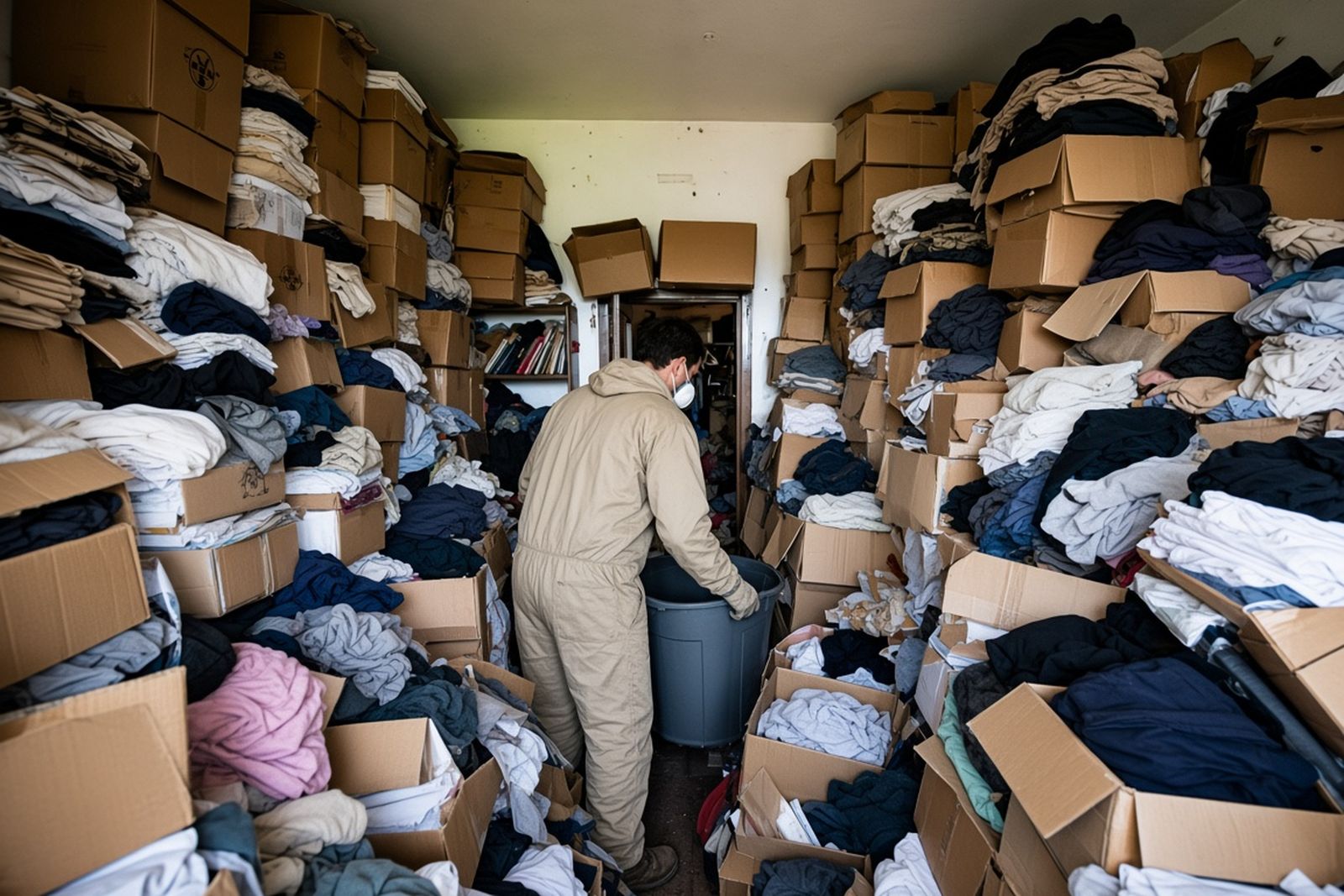
Training, Documentation, and Credentials for Hoarding Scene Cleanup
Hoarding cleanup mixes mental health, biohazards and code orders. Learn which training, records and credentials show you that a crew can handle all three with care.
No single national license covers hoarding cleanup, so you have to read credentials as a set of clues. Look for training on bloodborne germs and breathing protection when waste, mold or animals are present. Look for knowledge of hoarding disorder and harm reduction, legal waste hauling and proper insurance. Look for a habit of recording sorting decisions, hazards and progress in a way families, landlords and code officials can use.

How to Compare Local and National Hoarding Scene Cleanup Providers
Should you hire a local hoarding cleanup firm or a national brand? Compare who shows up, whether the same crew returns, local know-how, subcontracting and help with insurance claims.
Neither kind is better just because of its size. Compare them on who will really do the work, and whether the same crew will come back over a job that lasts weeks. Ask what they know about your local agencies and disposal options, and how they involve the resident. Look at the written work plan and price, the insurance and the complaint history. Ask every company the same questions. Judge the answers, not the logo.
Facts worth knowing
Federal law requires every disinfectant sold in the United States to be registered with the EPA.
Why it matters: You can ask a company which disinfectant it uses and check the label for an EPA registration number.
EPA says homeowners can usually handle moldy areas smaller than about 10 square feet themselves, while larger areas call for professional guidance.
Why it matters: Measure the moldy area before you decide; this rule does not cover sewage or biohazard contamination, which needs different handling.
The CDC says sanitizing lowers germs to levels considered safe, disinfecting kills remaining germs, and cleaning always comes first.
Why it matters: When you compare quotes, check which of these steps each company actually includes.
Choosing a Company: common questions
What should I listen for during the first phone call?
Notice whether the company asks about the person's role, animals, known hazards, and any notices before giving a price. Respectful language, questions about consent, and an explanation of how regulated waste is handled are good signs. A company that jumps straight to dumpster size and a one-day timeline without asking about the person may not be the right fit.
Should the company meet the occupant before the job starts?
When possible, yes. A short introduction lets the occupant see who will be in the home, ask questions, and set boundaries about particular rooms or items. Many experienced companies request this meeting because it reduces anxiety and makes sorting smoother. If the occupant declines, the company should still explain how they will communicate decisions.
Is it a problem if the company subcontracts part of the work?
Not necessarily, as long as you know who will be in the home and who is responsible for each task. Pest control, mold assessment, and repairs are often handled by partners. Ask for the names of any subcontractors, confirm they carry their own insurance, and make sure the main company remains accountable for the overall scope.
Should I choose a company that offers both cleanup and repairs?
It can be convenient to have one company handle both, since it simplifies scheduling and communication. But make sure the company is qualified for each type of work and that repairs are clearly scoped and priced separately. Some families prefer specialists for each stage. Ask whether repairs are done by the same crew or subcontractors, and who is responsible for each.
How important is it that the company has worked in homes like ours?
Quite important. Experience with similar conditions means the crew is more likely to expect hazards and plan well. Examples include many animals, a building with several units, or a home with water damage. Ask for examples of similar jobs, with no names or details that identify anyone. Their answers can show whether they understand both the physical work and the human side.
Can I switch companies partway through a cleanup?
Usually yes, though it depends on your contract terms. Before switching, review the contract for termination and payment provisions, collect all documentation of work done, and make sure disposal records and keep lists are transferred. Tell the new company what has been completed and what was found, so they can pick up where the first company left off.
What role should the occupant play in choosing the company?
As much as they are able and willing to take on. Meeting candidates, asking questions, and having a say in the final choice can give the occupant a sense of control and increase their cooperation. If they cannot be involved in selection, share information about the chosen company and introduce the crew lead before work begins.
Related community polls
Vote to see how other people answered. You can change your answer at any time.
If a relative's home had become unsafe, what would be your first step?
How much control should the occupant keep over what leaves the home?
More on hoarding scene cleanup
Hoarding Scene Cleanup services
Learn how a first look at the home, sorting with consent, biohazard handling, and deep cleaning fit together in a step-by-step plan.
Costs explained
What drives the price, published cost ranges, and how to read a written quote line by line.
Insurance and payment
Which policies may respond, how to document a claim, and what to do if coverage is denied.
Planning tools
Use planners made for families and caseworkers. Sort out costs, questions for companies, insurance steps, first-day actions, waste types, and DIY risk.
Community polls
See how relatives, landlords, people who hoard, and professionals think about consent, pace, and agency help. Compare your own gut feelings with theirs.
Knowledge quiz
Check what you know about hidden hazards, who can decide, dust control, cleaning and killing germs, waste, and records before you start to help.
City guides
Find companies near you who know hoarding cases. Before you hire anyone, check their training, insurance, and way of working yourself.