Hoarding Scene Cleanup planning tools
Work through cost, hiring, insurance, first steps and disposal at your own pace.
Helping someone through a hoarding cleanup means holding two things at once: a person's dignity and a home's safety. The tools on this page are made for that balance. One helps you see what shapes the cost of professional help, so you can plan your money and compare quotes fairly. Another gives you a set of questions to ask a company about consent, pace, animal waste, and dust control. Others walk you through an insurance claim and the first day after a crisis, such as a fall or a code inspection. One shows how the different materials leaving the home are sorted. The last helps you judge whether it is safe for family and friends to do parts of the work. Each is written for hoarding cleanup, not borrowed from crime scene work.
Get an email reply about hoarding scene cleanup
Send a short message to the follow-up inbox. A coordinator can reply by email. This form does not send emergency help; call 911 first if anyone is in danger.
Choose a tool
Each tool is free and private: nothing you type is saved or sent anywhere. Use the results to get ready for a visit from a cleanup company or a call with your insurer.

Cost Range Estimator
Set the affected area, surface types, severity and extras to see a rough cost range and what pushes it up or down.
Open tool
Company Vetting Checklist
Fifteen questions to ask any cleanup company, a score that shows how ready you are to hire, and a list of what is still unanswered.
Open tool
Insurance Claim Organizer
A guided checklist from finding the policy to tracking the insurer’s decision, with a printable summary of where the claim stands.
Open tool
First 24 Hours Planner
Tell the planner a few facts about the situation and get an ordered list of who to call, what not to touch, and what to photograph.
Open tool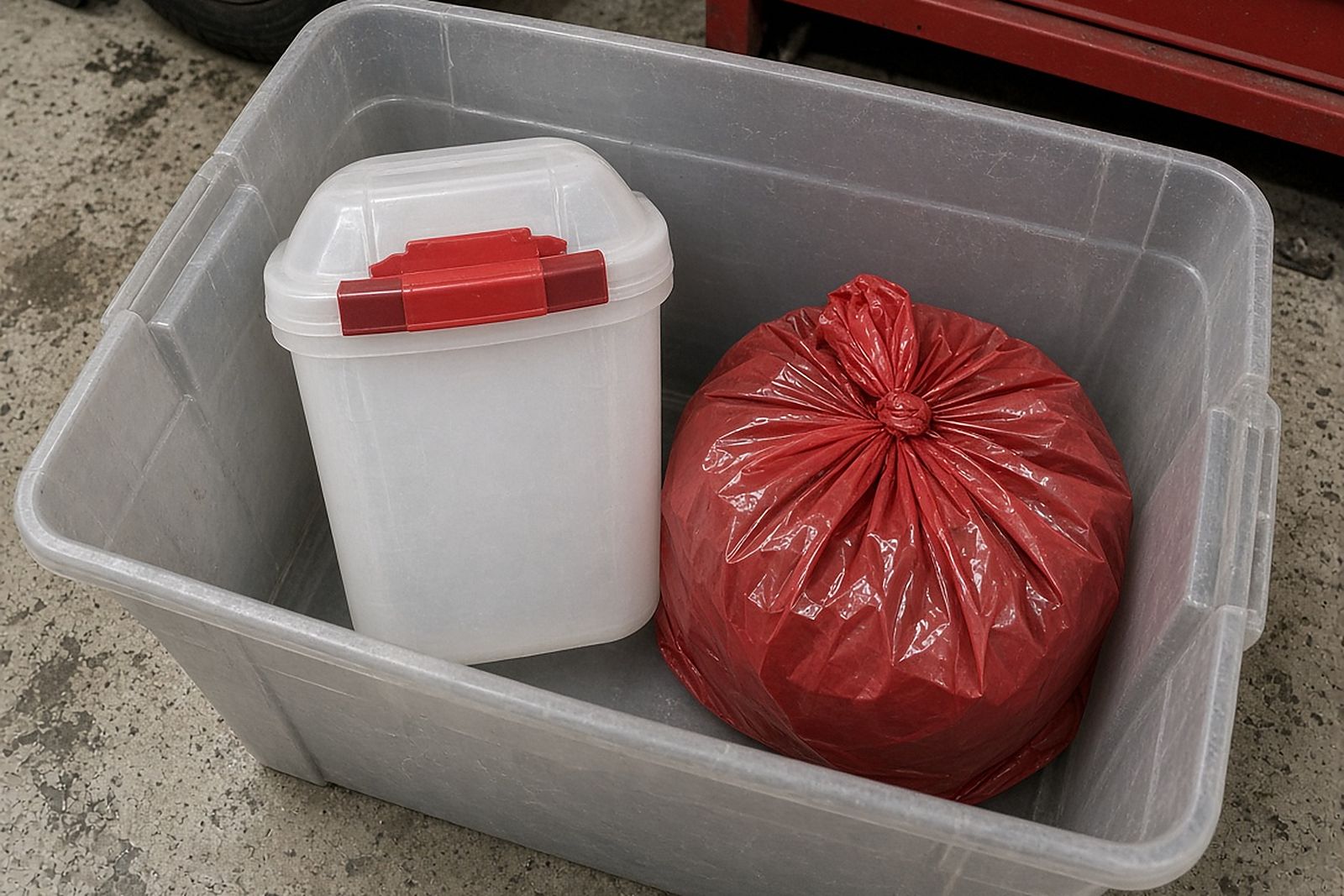
Waste & Disposal Classifier
Five questions about the material point to the likely waste category and which authority to confirm the rules with.
Open tool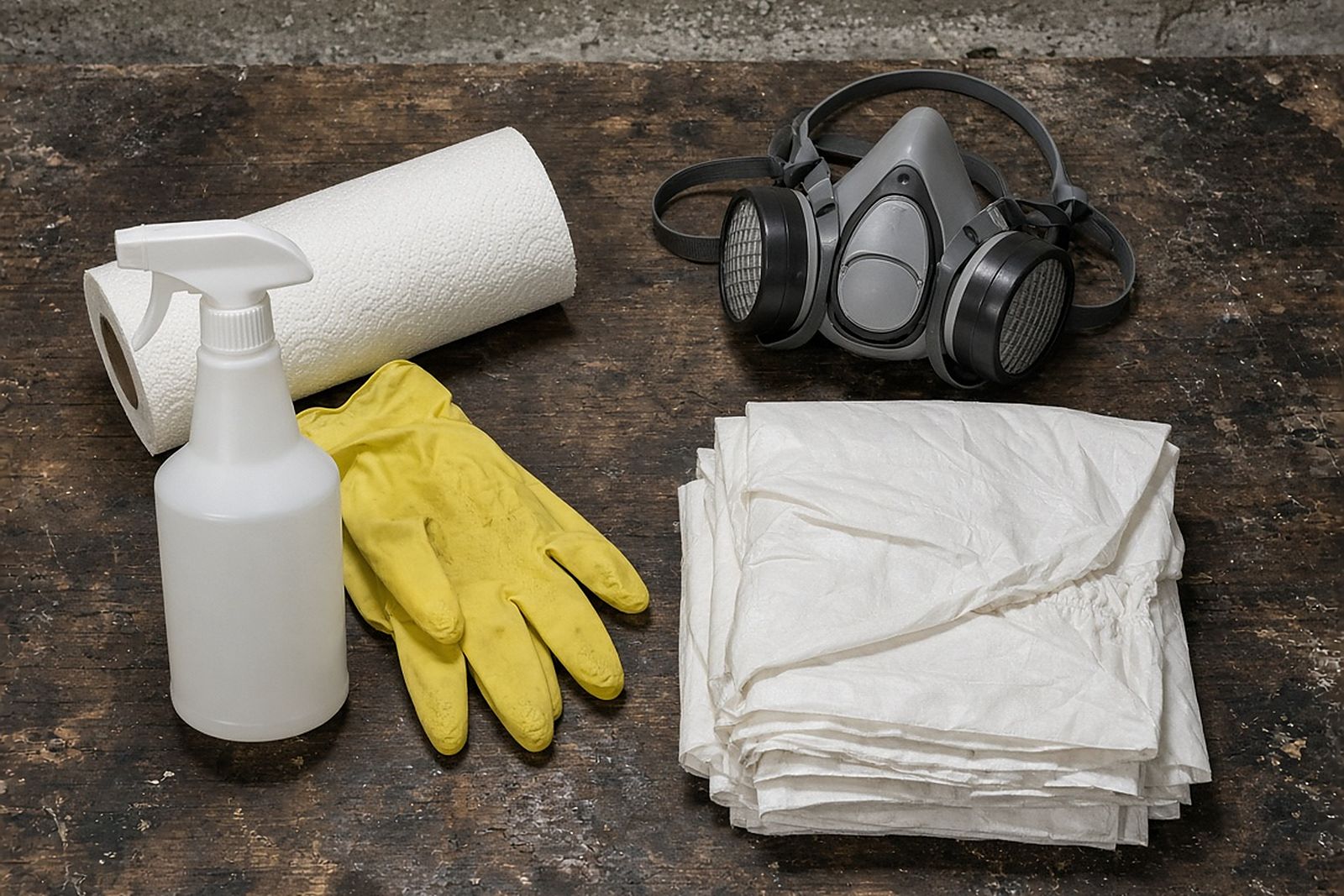
DIY or Call a Pro? Risk Check
Eight yes-or-no questions that produce a risk level and explain when professional help is the safer choice.
Open toolKnowledge quiz
A short quiz with an explanation for every answer, so you can check what you know before you make decisions.
Take the quizHow these tools fit hoarding scene cleanup
Every tool gives you something to use with other people. It may be a printable summary, a list of open questions, or an ordered action plan. That result is meant to make talks calmer and clearer. You might be talking with the person, a sibling who disagrees with you, a landlord, an APS caseworker, or a company. Nothing is sent anywhere for you, and no personal details are stored. The person's role is built into the tools where it matters. Several tools remind you to check whether the person has agreed to a step before you treat it as decided. Use the tools to sort out your thinking. Then bring the results to the people who need to be part of the plan.
Know the limits. No tool can assess floor stability, air quality, or a person's capacity to consent. Cost ranges are educational and depend on an in-person walkthrough for accuracy. The vetting checklist tells you what to confirm about a company; it does not confirm anything for you. The waste classifier suggests a likely category, and the local authority has the final word. If the output of any tool conflicts with advice from a clinician, a fire official, an attorney, or an APS worker, follow the professional. Rules vary by state and county, and every household is different, so treat each result as a starting point rather than a plan.

Facts worth knowing
Claims professionals say standard home insurance policies have exclusions for neglect, failing to protect property and poor upkeep that can complicate hoarding-related claims.
Why it matters: Read your policy's exclusions and ask your insurer before you assume damage in a hoarded home will be covered.
Source: CLM Magazine (Claims and Litigation Management Alliance), 2011
EPA recommends keeping indoor humidity below 60 percent, ideally between 30 and 50 percent, to limit mold growth.
Why it matters: An inexpensive humidity meter lets you check whether your home has dried enough after a cleanup or leak.
In one online survey of 864 people who hoard, 8 to 12% had been evicted or threatened with eviction because of it.
Why it matters: If you rent, hoarding may put your housing at risk, so starting cleanup before a landlord notice arrives may help.
What other people chose
Vote to see how other people answered. You can change your answer at any time.
If a relative's home had become unsafe, what would be your first step?
How much control should the occupant keep over what leaves the home?
Questions about the hoarding scene cleanup tools
Where should I start if I have just learned how bad the home is?
If there is an urgent safety issue, open the First 24 Hours Planner. Examples include a fall, a fire hazard, an inspection notice, or animals in distress. If the problem has built up over a long time and you are trying to plan a path forward, start with the DIY Risk Check. It shows which parts need professionals. Then move on to the Company Vetting Checklist.
Should the occupant use the tools too?
When they are willing, yes. Working through the vetting questions or the phased plan together can give the person a sense of control over what happens in their home, which improves cooperation. Do not use the tools as evidence against them or as a substitute for their voice. If participation causes distress, pause and revisit later.
Do the tools help with disagreements between family members?
They can. A shared checklist or an ordered action list gives relatives something concrete to talk about. That beats arguing from memory or emotion. The tools also make consent and authority clear, which settles many fights about who gets to decide. They cannot settle legal questions about guardianship or property rights. Talk with a lawyer for those.
Are the cost ranges accurate for my area?
They are educational ranges built from the drivers described in the tool, not local price data. Costs vary with region, home size, hazard type, and how many phases are needed. Use the range to understand why quotes differ and what to ask for in writing, then rely on written quotes from companies who have walked the home.
Can the tools help with a landlord or code enforcement deadline?
The planner and the claim organizer both prompt you to record deadlines and to communicate with the authority imposing them. Many agencies will extend a deadline when they see a credible, phased plan and evidence of progress. The tools help you assemble that evidence, but they cannot negotiate for you.
Do the tools address the person's mental health?
Only indirectly. They emphasize consent, pace, and dignity because those practices come from clinical guidance and reduce harm. They do not offer treatment or diagnosis. If the person is open to it, a therapist experienced with hoarding can work alongside the cleanup so gains last. The tools include prompts to consider that support.
What if the home also has a biohazard from an injury or death?
Some hoarding situations are discovered after a medical emergency or a death in the home. Where blood or a decomposition event is involved, the trauma cleanup guidance on our related sites applies in addition to what you find here. Tell any company about every condition so the work plan and the crew's protections are complete.
More on hoarding scene cleanup

Hoarding Scene Cleanup services
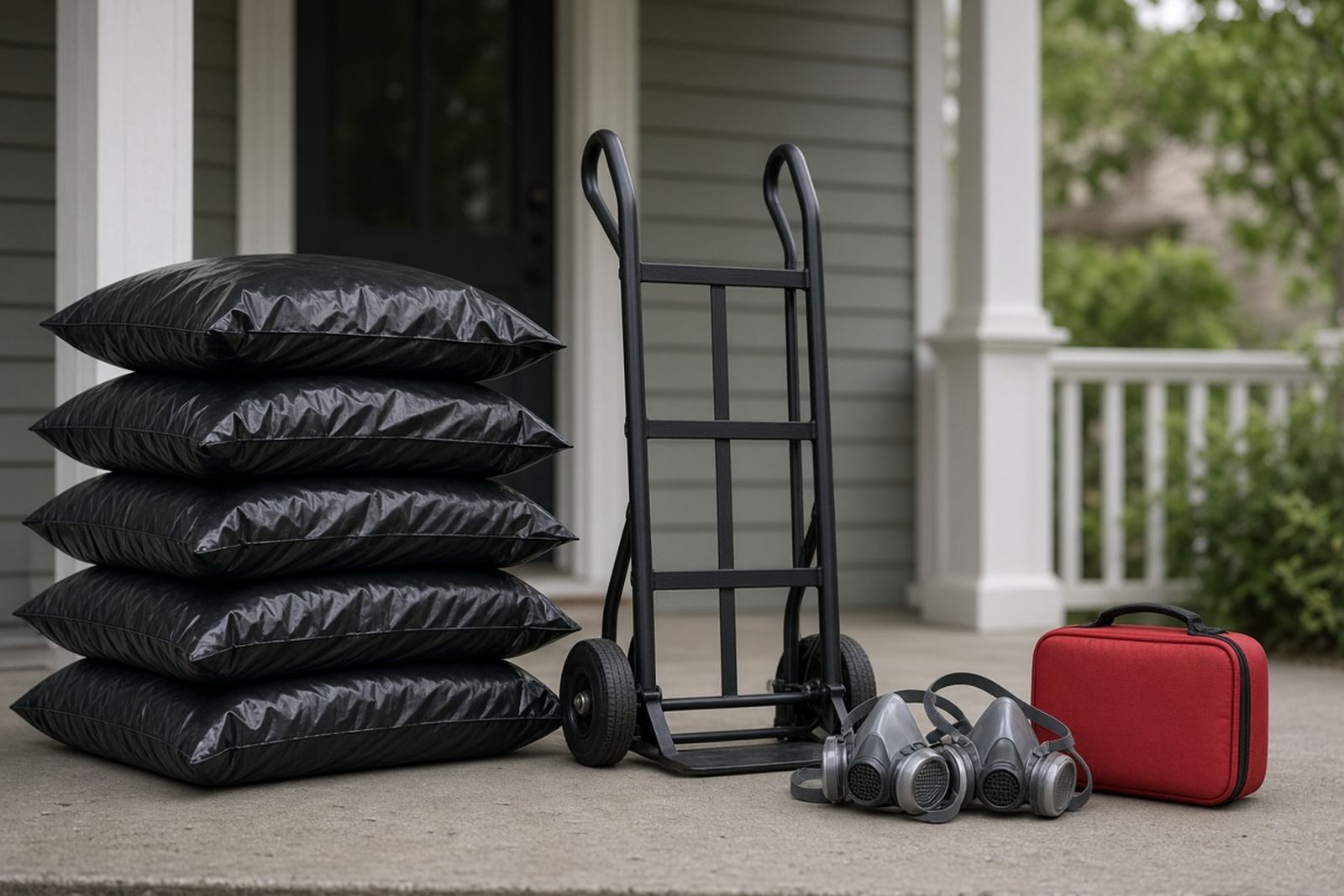
Learn how a first look at the home, sorting with consent, biohazard handling, and deep cleaning fit together in a step-by-step plan.
Costs explained
What drives the price, published cost ranges, and how to read a written quote line by line.
Insurance and payment
Which policies may respond, how to document a claim, and what to do if coverage is denied.
Community polls
See how relatives, landlords, people who hoard, and professionals think about consent, pace, and agency help. Compare your own gut feelings with theirs.
Knowledge quiz
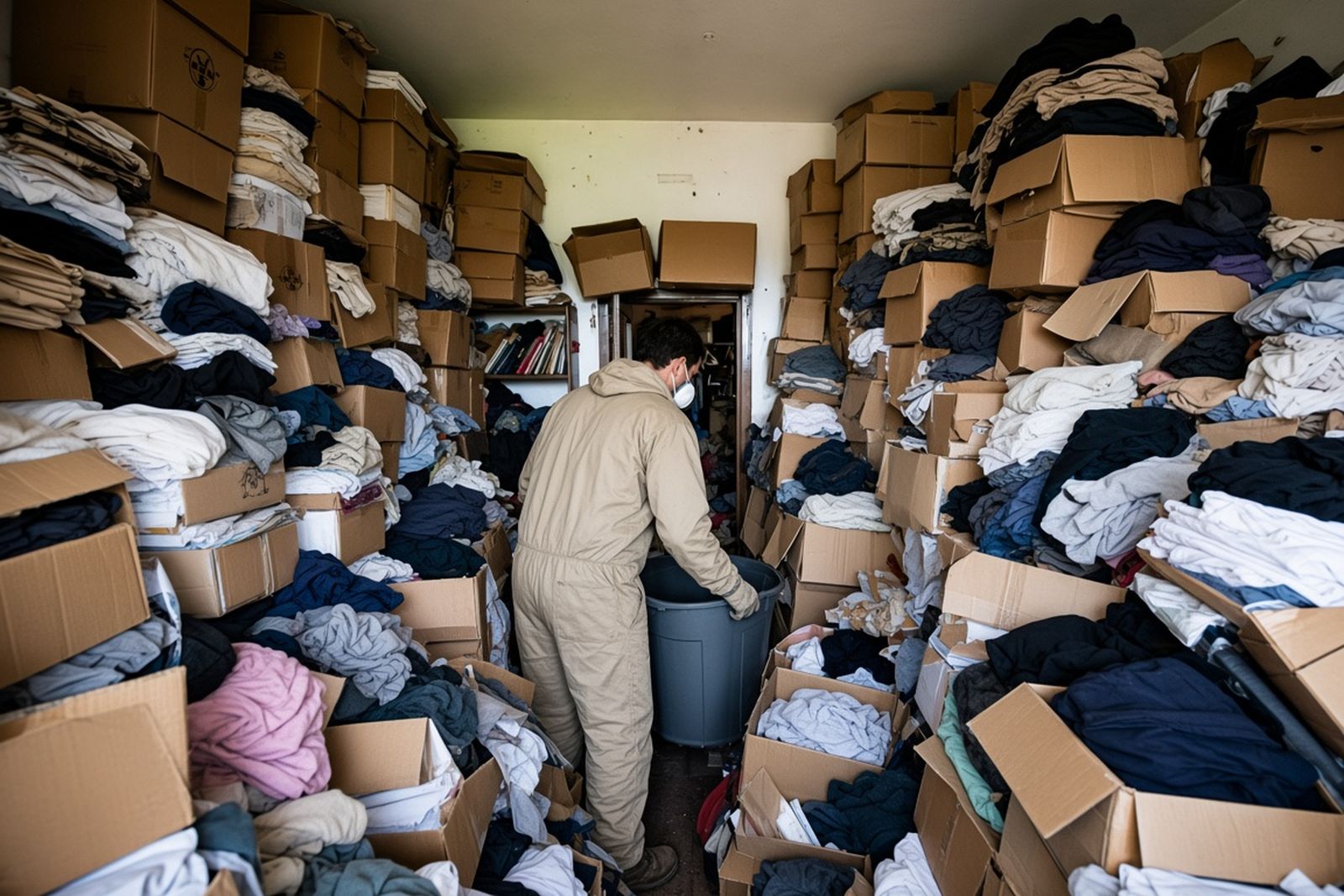
Check what you know about hidden hazards, who can decide, dust control, cleaning and killing germs, waste, and records before you start to help.
Articles and resources
Read about helping a loved one, working with adult protective services, what landlords must do, and lessons from cleanups done in stages in real homes.
City guides
Find companies near you who know hoarding cases. Before you hire anyone, check their training, insurance, and way of working yourself.