Free hoarding scene cleanup tool
Hoarding Scene Cleanup DIY or Call a Pro? Risk Check
Eight yes-or-no questions that produce a risk level and explain when professional help is the safer choice.
Many families want to handle a hoarding cleanup themselves, out of love, privacy, or cost. Sometimes parts of the work are fine for relatives and friends. Other times the home holds hazards that make a weekend effort dangerous. The DIY or Call a Pro? Risk Check asks yes-or-no questions about the situation. Are animals or their waste present? Have you seen needles or medical supplies? Are there signs of dampness or mold? Are exits blocked? Do floors feel soft, or are stacks unsteady? Has the person agreed to the work? Has a landlord or agency set requirements? Is there more than your group can move safely? It gives a risk level. It also explains where professional help is the safer choice.
The tool tells tasks apart from hazards. Sitting with the person to sort papers or photos at a kitchen table is a task family can do well. Family often does it better than a stranger. Some work is a hazard. Examples are moving stacks in a room where the floor has been wet for months, or clearing an area a dog has used for years. That work needs protection, dust control, and disposal know-how that most families do not have. The risk check also gives consent a lot of weight. A cleanup the person has not agreed to carries emotional and legal risk no matter who does it, and the tool says so plainly. Use the result to decide which parts of the project your family keeps and which you hand to a trained crew.
How to use it
- 1Answer every yes-or-no question honestly. They cover hazards, consent, signs of damage to the house, and how much stuff there is.
- 2Read the risk level and the explanation for each factor that raised it.
- 3Note which tasks the tool describes as reasonable for family and which it assigns to professionals.
- 4Talk with the occupant about the result, then plan your next step, whether that is a walkthrough with a company or a first family sorting session.
Prefer to ask a person?
Your request is sent to the follow-up inbox. A coordinator can reply by email. Not for emergencies; call 911 first if anyone is in danger.
Check whether DIY is safe
Hoarding Scene Cleanup: DIY or call a pro?
Eight yes-or-no questions. The result is an educational risk level, not a safety clearance.
1. Is there blood, body fluid, or anything that could carry a bloodborne pathogen?
2. Has the material soaked into carpet, padding, a mattress, drywall or a subfloor?
3. Is there a strong or lingering odor?
4. Could needles, broken glass, drug residue or unknown chemicals be present?
5. Does the affected area cover more than a small spot, or more than one room?
6. Will children, older adults, pregnant people or anyone immunocompromised use the space afterward?
7. Do you need documentation for insurance, a landlord, a sale, or an estate?
8. Would you be doing this while grieving, exhausted or under time pressure?
8 questions left to answer.
A worked example
Imagine a made-up group of three siblings. They plan to spend a long weekend clearing their late father's garage and their mother's spare bedroom. She has agreed to let them work on the garage. But she wants to go through the bedroom herself. The garage holds old paint and tools. One sibling noticed a soft spot in the bedroom floor and a damp smell. They run the risk check twice. For the garage, they answer no to animals, no to needles, and yes to old chemicals. They answer no to blocked exits, no to damage concerns, yes to consent, no to agency involvement, and a medium amount of stuff. The tool gives a medium risk level. It notes the chemicals as the main concern. It says family can go ahead with gloves and fresh air, and take the paint to the county's household hazardous waste program. For the bedroom, they answer yes to signs of dampness and yes to a soft floor. They answer yes to consent, but note the mother's wish to sort things herself. The tool gives a high risk level. It explains that the soft floor and damp smell suggest hidden water damage and possible mold. It says moving heavy stacks there is dangerous. It says the mother's sorting should happen at a table, with items brought to her. The siblings clear the garage themselves and book a professional walk-through for the bedroom.
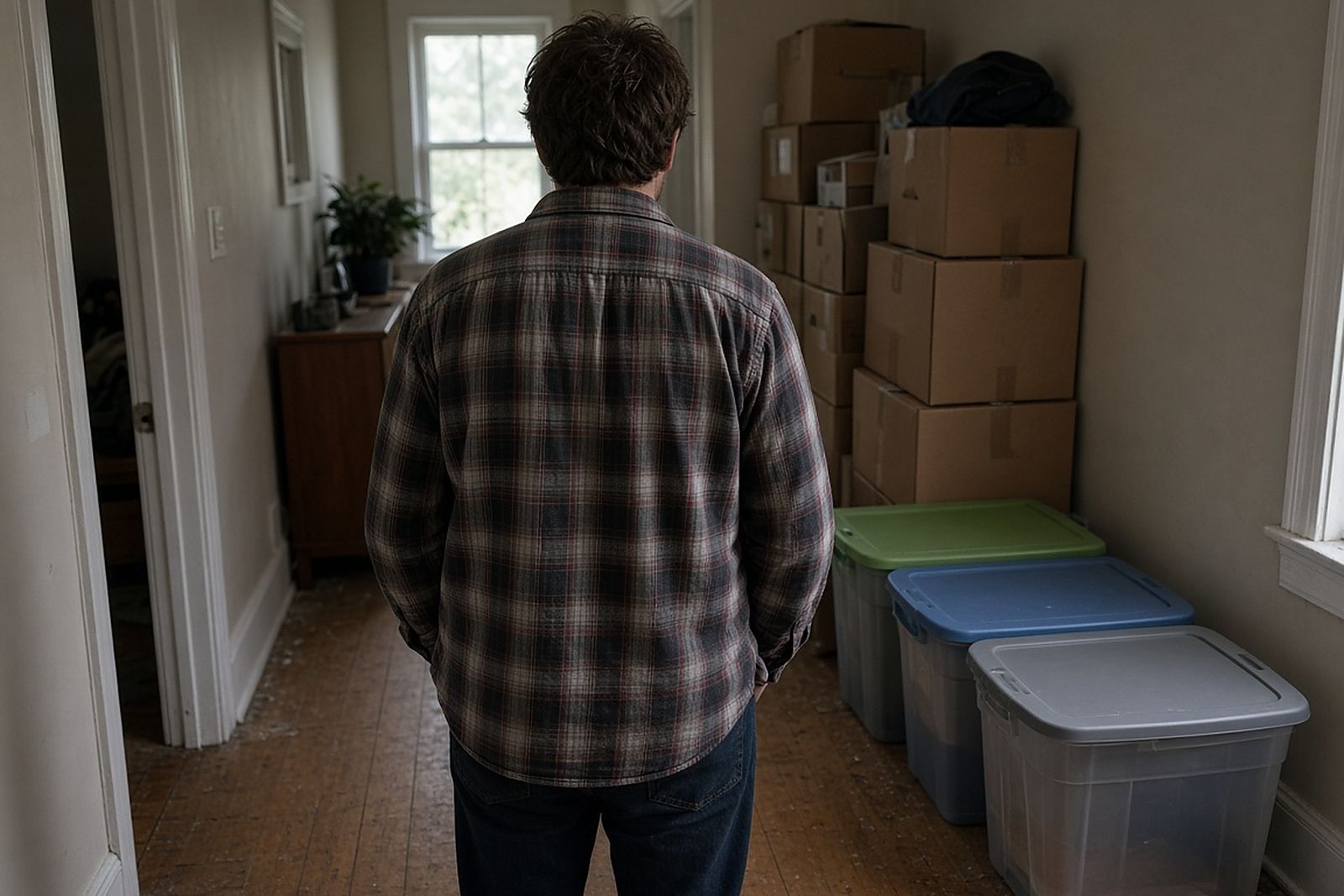
Facts worth knowing
In Melbourne, Australia, hoarding fires were only 0.25% of home fires over ten years but caused 24% of preventable home fire deaths.
Why it matters: Fire is a serious risk in a hoarded home, so consider clearing exits and areas around heat sources first while you plan cleanup.
Source: Worcester Polytechnic Institute / Metropolitan Fire Brigade (Lucini, Monk & Szlatenyi), 2009
The CDC says washing hands with soap cuts the number of people who get sick with diarrhea by 23% to 40%.
Why it matters: Wash your hands with soap after any cleanup or contact with a contaminated area.
In focus groups with 17 English housing, health and care professionals, participants said forced clear-outs were traumatic for some residents.
Why it matters: A forced clear-out can do harm, so you may want a company that works at the person's pace where safety allows.
DIY or Call a Pro? Risk Check questions for hoarding scene cleanup
Which parts of a hoarding cleanup are usually safe for family?
Sorting paper, photos, and small personal items with the person in a clean, well-lit area is usually fine. So is boxing up donations the person has approved. So is handling the planning, such as scheduling, calls, and records. Anything with animal waste, needles, dampness or mold, unsteady stacks, blocked exits, or large amounts belongs with a trained crew.
Why does the tool care so much about consent?
Because clearing out a home without the person's agreement can cause lasting emotional harm and break the relationship. Depending on the person's rights, it can also create legal risk for the helpers. Consent is not just a formality. It is what makes a cleanup succeed and last. The tool rates any plan made without consent as high risk.
What protection do family helpers need at minimum?
Sturdy gloves, closed shoes, eye protection, and a respirator suited to dust and mold rather than a paper mask. Even with these, family should avoid areas with droppings, sharps, or moisture. If you find yourself reaching for more equipment than that, it is a sign the task belongs to professionals.
Does a high risk level mean I have failed my relative?
No. It means the home has problems that need trained people and the right gear. That is a fact about the house, not about how much you care. Families often do their best work by giving the person emotional support, helping with choices, and lining up help. Professionals can then handle the hazards that need training and equipment.
What if we cannot afford a professional crew?
Ask about pricing in stages that starts with the most dangerous areas. Check whether local aging services, a hoarding task force, or a community group offers help. Some agencies help pay for safety-focused cleanups for vulnerable adults. Do not swap a plan for an unsafe family effort. An injury or a broken relationship costs more.
Can the risk level change as we make progress?
Yes. As clutter is removed, some risks drop, such as trip hazards, while others may appear, like mold, pests, or damaged floors that were hidden. Revisit the risk check whenever you uncover something new or begin work in a different room. A room that was safe for family work at first may need professional help later, and the reverse can also happen.
How should we use the results when family members disagree?
Treat the result as a shared, neutral starting point rather than a verdict on anyone's opinion. Walk through the questions together and discuss the answers that led to the risk level. Focus on the specific hazards identified, not on who is right. If disagreement continues, a professional walkthrough can offer an outside view that everyone can accept.
Related community polls
Vote to see how other people answered. You can change your answer at any time.
If a relative's home had become unsafe, what would be your first step?
How much control should the occupant keep over what leaves the home?
Other hoarding scene cleanup tools
Cost Range Estimator
Set the affected area, surface types, severity and extras to see a rough cost range and what pushes it up or down.
OpenCompany Vetting Checklist
Fifteen questions to ask any cleanup company, a score that shows how ready you are to hire, and a list of what is still unanswered.
OpenInsurance Claim Organizer
A guided checklist from finding the policy to tracking the insurer’s decision, with a printable summary of where the claim stands.
OpenFirst 24 Hours Planner
Tell the planner a few facts about the situation and get an ordered list of who to call, what not to touch, and what to photograph.
OpenWaste & Disposal Classifier
Five questions about the material point to the likely waste category and which authority to confirm the rules with.
OpenMore on hoarding scene cleanup
Hoarding Scene Cleanup services
Learn how a first look at the home, sorting with consent, biohazard handling, and deep cleaning fit together in a step-by-step plan.
Costs explained
What drives the price, published cost ranges, and how to read a written quote line by line.
Insurance and payment
Which policies may respond, how to document a claim, and what to do if coverage is denied.
Community polls
See how relatives, landlords, people who hoard, and professionals think about consent, pace, and agency help. Compare your own gut feelings with theirs.
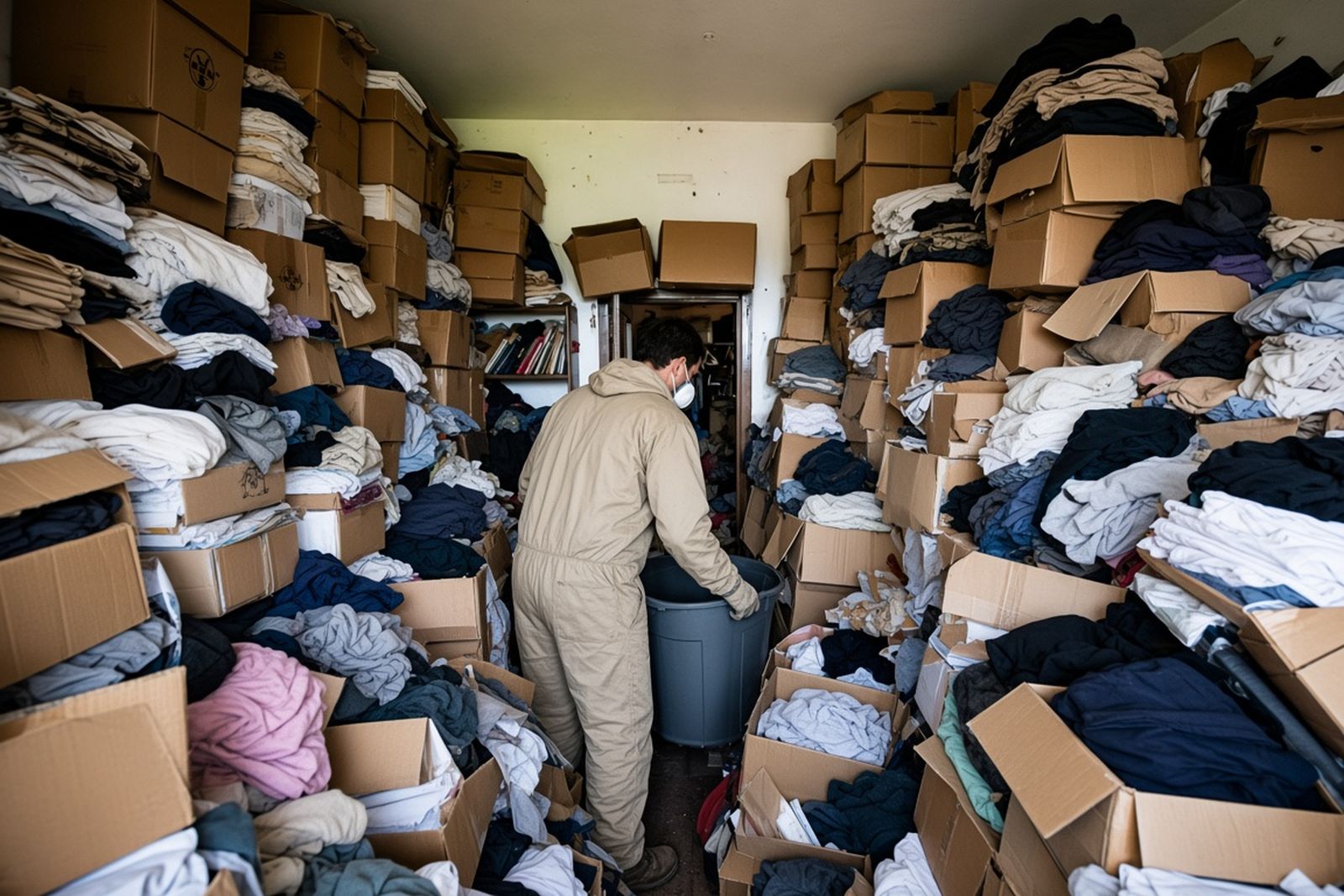
Knowledge quiz
Check what you know about hidden hazards, who can decide, dust control, cleaning and killing germs, waste, and records before you start to help.
Articles and resources
Read about helping a loved one, working with adult protective services, what landlords must do, and lessons from cleanups done in stages in real homes.
City guides
Find companies near you who know hoarding cases. Before you hire anyone, check their training, insurance, and way of working yourself.