Hoarding Scene Cleanup articles and resources
Clear answers on cost, insurance, safety and choosing a company.
Read about helping a loved one, working with adult protective services, what landlords must do, and lessons from cleanups done in stages in real homes.
Get an email reply about hoarding scene cleanup
Send a short message to the follow-up inbox. A coordinator can reply by email. This form does not send emergency help; call 911 first if anyone is in danger.
Browse hoarding scene cleanup articles

Plain answers about hoarding scene cleanup: what to do first, how to stay safe, what it costs, and what to expect from a cleanup company.
What to Expect During Professional Hoarding Scene Cleanup
A respectful hoarding cleanup starts with a talk about consent. Then come safe pathways, keep and discard piles, hidden hazards and a deep c...
The Science Behind Hoarding Scene Cleanup
Moisture, decay, ammonia, mold, pests and fire fuel all build up in a heavily cluttered home. Here is how each one works, and why the psycho...
How Long Does Hoarding Scene Cleanup Take?
How long a hoarding cleanup takes depends on how much there is, how you sort it, biohazards, pests, damage to the home and the resident's pa...
How to Evaluate Equipment Proposed for Hoarding Scene Cleanup
Dumpsters, respirators, needle containers, air-filter machines and ozone units may all appear in a quote. Here is how to judge the equipment...
DIY vs Professional Hoarding Scene Cleanup: The Critical Differences
When your family can clear a cluttered home on its own, when hidden hazards call for a trained crew, and how to protect your loved one's dig...
10 Hoarding Scene Cleanup Safety Risks to Assess Before Work Begins
Falling stacks, blocked exits, mold, rodent waste, hidden needles, weak floors and fire fuel are all common. Here are ten hoarding cleanup r...
OSHA Regulations and Hoarding Scene Cleanup
OSHA's worker safety rules apply when a crew clears a heavily cluttered home. See how they cover ammonia, mold, needles, heavy lifting and b...
PPE Planning for Hoarding Scene Cleanup: Start With the Hazard Assessment
A hoarding cleanup crew picks its respirators, gloves, suits and boots room by room. The choice follows the dust, ammonia, mold, pests, need...
What Drives Hoarding Scene Cleanup Cost?
How much there is, how slowly it is sorted, hidden waste, pests and hauling all shape what a hoarding cleanup costs. Learn how to read an es...
Does Homeowners Insurance Cover Hoarding Scene Cleanup?
Home insurance rarely pays just to clear clutter. But a fire, a burst pipe or another sudden event inside a cluttered home can change what y...
How to Compare Low and High Hoarding Scene Cleanup Bids
Two hoarding cleanup quotes can describe two very different jobs. Compare sorting, volume, cleaning, hazards, hauling and crew size, so you ...
Which Federal, State, and Local Rules Apply to Hoarding Scene Cleanup?
Federal, state and local rules all touch a hoarding cleanup. Here is what each level covers, which office sets your deadlines and whom to ca...
How to Research Waste Rules for Hoarding Scene Cleanup
Find the disposal rules for what a hoarding cleanup takes out of your home. That includes trash, chemicals, electronics, appliances, medicin...
10 Questions to Ask Before Hiring a Hoarding Scene Cleanup Company
Ten plain questions to ask a hoarding cleanup company before anyone steps into the home. They cover consent, pace, hidden hazards, where thi...
Red Flags When Hiring Hoarding Scene Cleanup Services
A dumpster-first plan, shaming talk, no sorting process and no check for hazards are all warning signs. Here is what to watch for when you h...
Training, Documentation, and Credentials for Hoarding Scene Cleanup
Hoarding cleanup mixes mental health, biohazards and code orders. Learn which training, records and credentials show you that a crew can han...
Managing Stress and Disruption During Hoarding Scene Cleanup
A hoarding cleanup brings grief, guilt, family conflict and deadlines. Here is how residents, relatives and landlords can ease the emotional...
How Hoarding Scene Cleanup Practice Has Changed
Hoarding cleanup used to mean a forced clean-out and a dumpster. Today it leans on harm reduction, task forces and crews trained to work gen...
The Difference Between Cleaning and Disinfection in Hoarding Scene Cleanup
Clearing belongings is not cleaning, and cleaning is not disinfecting. See the order in which a good crew deals with animal waste, droppings...
Hoarding Scene Cleanup for Property Managers: What You Need to Know
Practical help for landlords and managers who face a heavily cluttered unit. Learn how to inspect, give notice, respect your tenant's rights...
When ATP Testing Helps—and When It Does Not—in Hoarding Scene Cleanup
A quick swab test can show leftover organic residue after a hoarding cleanup. Learn what it can and cannot tell you, where it helps in kitch...
Hoarding Scene Cleanup Planning Example: Building a Defensible Scope
Follow one made-up hoarding cleanup step by step. See how consent, hazards, phases, a keep list and a final check turn into a written plan y...
Urgent Hoarding Scene Cleanup: What to Do Before a Provider Arrives
A fall, a code notice or a failed welfare check can make a hoarding situation urgent overnight. Here is what you can do before a cleanup cre...
Commercial vs Residential Hoarding Scene Cleanup
A hoarding cleanup in a home is not the same as one in a shop, office, storage unit or group home. Here is who decides, which rules apply an...
Environmental Responsibility in Hoarding Scene Cleanup
A hoarding cleanup can keep usable things out of the landfill and handle hazardous household products safely. It can do both while the resid...
How to Evaluate Technology Used in Hoarding Scene Cleanup
Air-cleaning machines, ozone, heat cameras, inventory apps and scanning all get sold to families. Here is how you can tell which tools truly...
Mental Health Resources During Hoarding Scene Cleanup
Where you, your relative and other caregivers can find support before, during and after a hoarding cleanup. Options run from therapists and ...
When Enzymes or Microbial Products Fit Hoarding Scene Cleanup
Enzyme and bacteria-based cleaners can help with pet urine and food residue in a cluttered home. Here is where they help, where they fail, a...
How to Compare Local and National Hoarding Scene Cleanup Providers
Should you hire a local hoarding cleanup firm or a national brand? Compare who shows up, whether the same crew returns, local know-how, subc...
Questions about hoarding scene cleanup?
If the articles did not answer your question, send a short message and a coordinator will reply by email.
Your request is sent to the follow-up inbox. A coordinator can reply by email.
If anyone is hurt or in danger, call 911 first.
Facts worth knowing
Claims professionals say standard home insurance policies have exclusions for neglect, failing to protect property and poor upkeep that can complicate hoarding-related claims.
Why it matters: Read your policy's exclusions and ask your insurer before you assume damage in a hoarded home will be covered.
Source: CLM Magazine (Claims and Litigation Management Alliance), 2011
In interviews with 21 Australian widows over 65, paperwork and official tasks made the early period after a death harder.
Why it matters: You may want to ask a relative or friend to help with forms, calls and claims in the first weeks.
In a large online survey, 8–12% of people who hoard and their family members reported an eviction or eviction threat due to hoarding.
Why it matters: If you rent, hoarding may lead to an eviction notice, so ask your landlord exactly what must be fixed and by when.
Questions about the articles
Where should I start if I am new to hoarding cleanup?
Start with the article on what to expect during a professional cleanup. It gives an overview of the process from the first visit to the end of the job. Then read about the science behind hoarding hazards and the emotional impact on everyone involved. Those three articles give you the words and background to make sense of the more specific pieces on cost, insurance, rules, and hiring.
Which articles help if a landlord or city has already set a deadline?
Start with the article on what to do first in an urgent situation. Then read the one on federal, state, and local rules to learn which office is involved. Property managers and tenants will find the article for property managers useful as well. After that, the pieces on choosing and comparing companies help you move fast without skipping important checks.
Which tool should I open after reading about clearing a cluttered home in phases?
The articles on cleanups done in stages and on cost explain why room count, the amount of stuff, and sorting time drive a hoarding job. The cost estimator lets you enter those same conditions for your home. The hiring articles go with the company vetting checklist. The first 24 hours planner helps when a landlord or city deadline is already set. Reading the article first usually makes each tool's questions easier to answer honestly.
Are the articles written for occupants, families, or professionals?
Most are written for families, caregivers, and property managers, in plain words and without blame. Many are also useful for people who hoard and want to understand what a cleanup involves. A few, such as those on protective gear and worker safety rules, lean toward the professional side. But they explain why those practices matter to the people living in the home.
How are the articles organized on this page?
Articles are grouped into categories. These include process, safety, rules, costs and insurance, choosing a company, health and wellness, education, and industry insights. Each category page has a short introduction and its own questions. If you are unsure where a topic fits, scan the article titles for the situation you face. Examples are hiring, insurance, or supporting the person who lives there.
Should I read every article before hiring a company?
No. Most readers benefit from a handful chosen for their situation. Before hiring, the most useful pieces are those on questions to ask, red flags, comparing bids, and cost factors. If animals, mold, or sharps are involved, add the articles on safety risks and cleaning versus disinfection. Save the history and industry pieces for when you have more time.
Do the articles replace advice from a therapist, attorney, or company?
No. They help you understand the issues and ask better questions. But they cannot judge a specific home, person, or legal situation. Use them to get ready for talks with professionals, not to replace them. Where an article touches on mental health, legal rights, or insurance, it points you to the kind of expert who can give advice for your situation.
More on hoarding scene cleanup
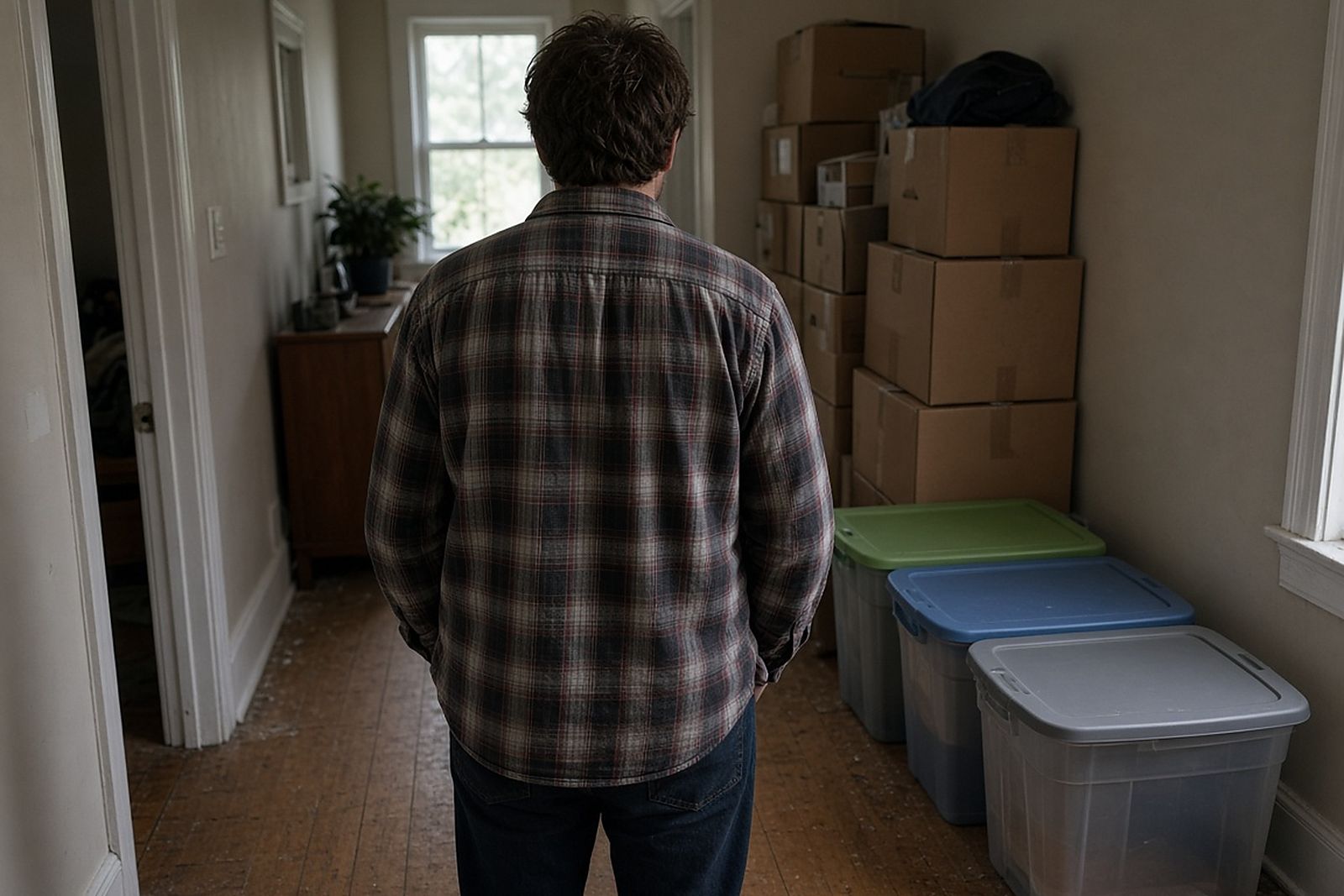
Hoarding Scene Cleanup services
Learn how a first look at the home, sorting with consent, biohazard handling, and deep cleaning fit together in a step-by-step plan.
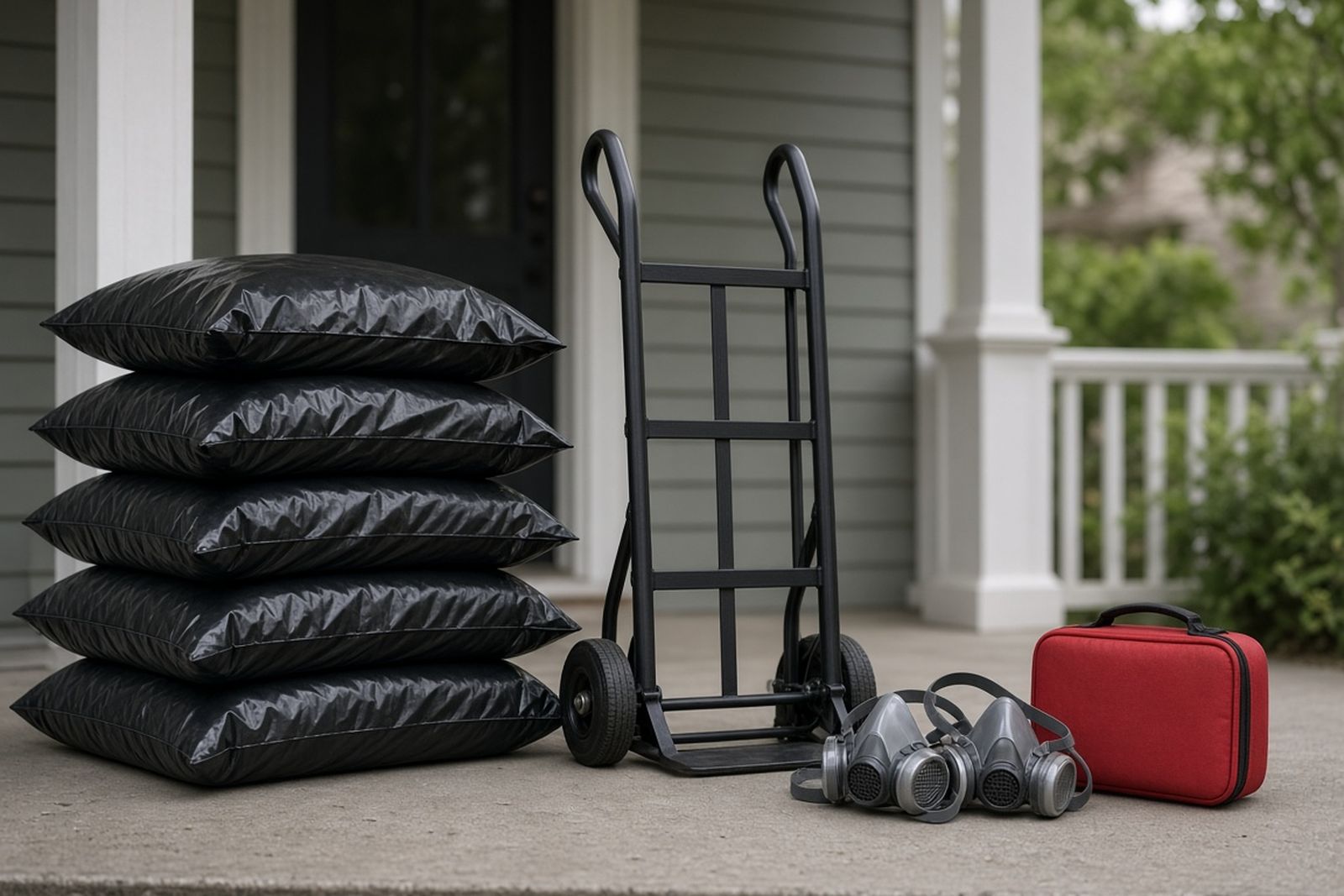
Costs explained
What drives the price, published cost ranges, and how to read a written quote line by line.
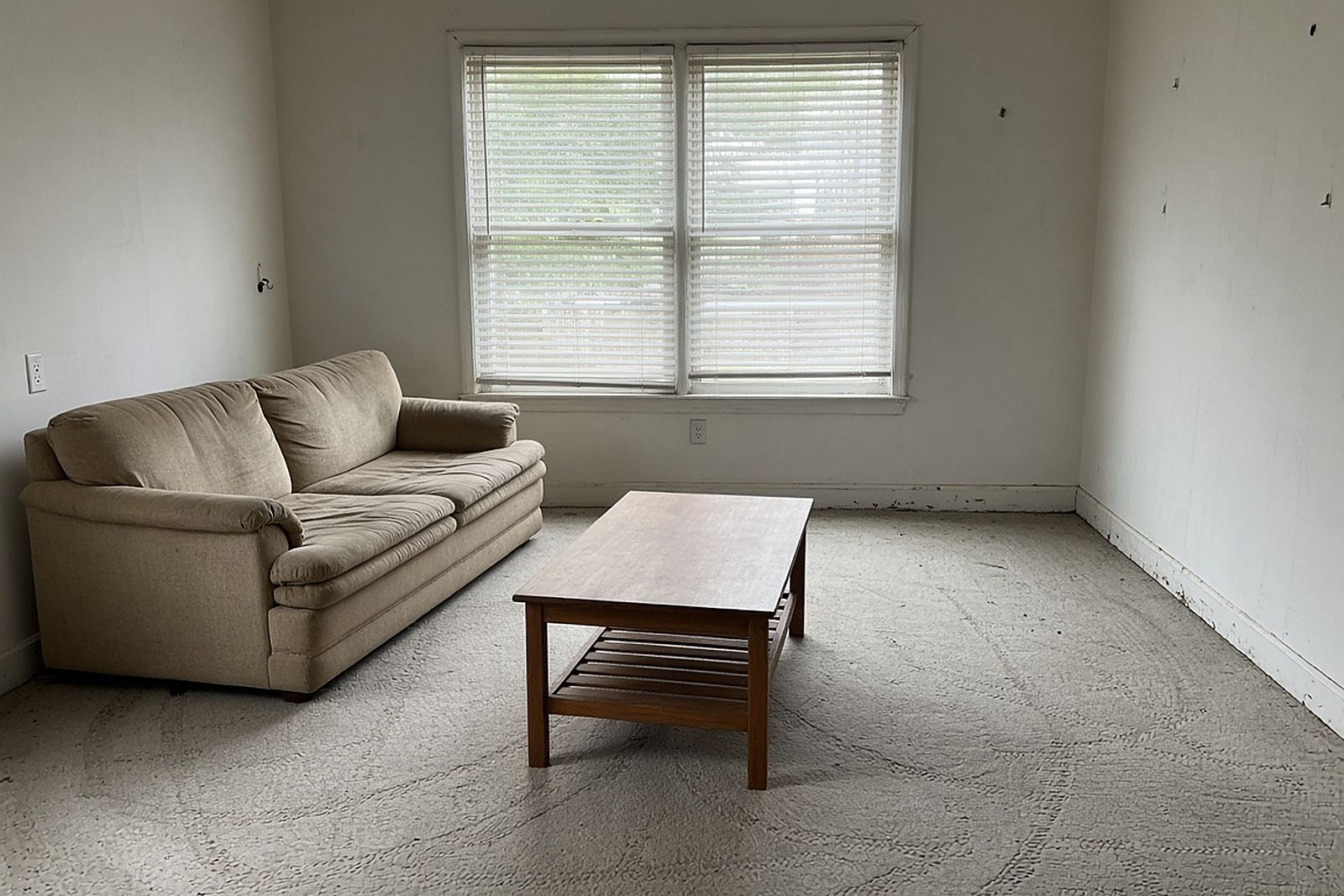
Insurance and payment
Which policies may respond, how to document a claim, and what to do if coverage is denied.
Planning tools
Use planners made for families and caseworkers. Sort out costs, questions for companies, insurance steps, first-day actions, waste types, and DIY risk.
Community polls
See how relatives, landlords, people who hoard, and professionals think about consent, pace, and agency help. Compare your own gut feelings with theirs.
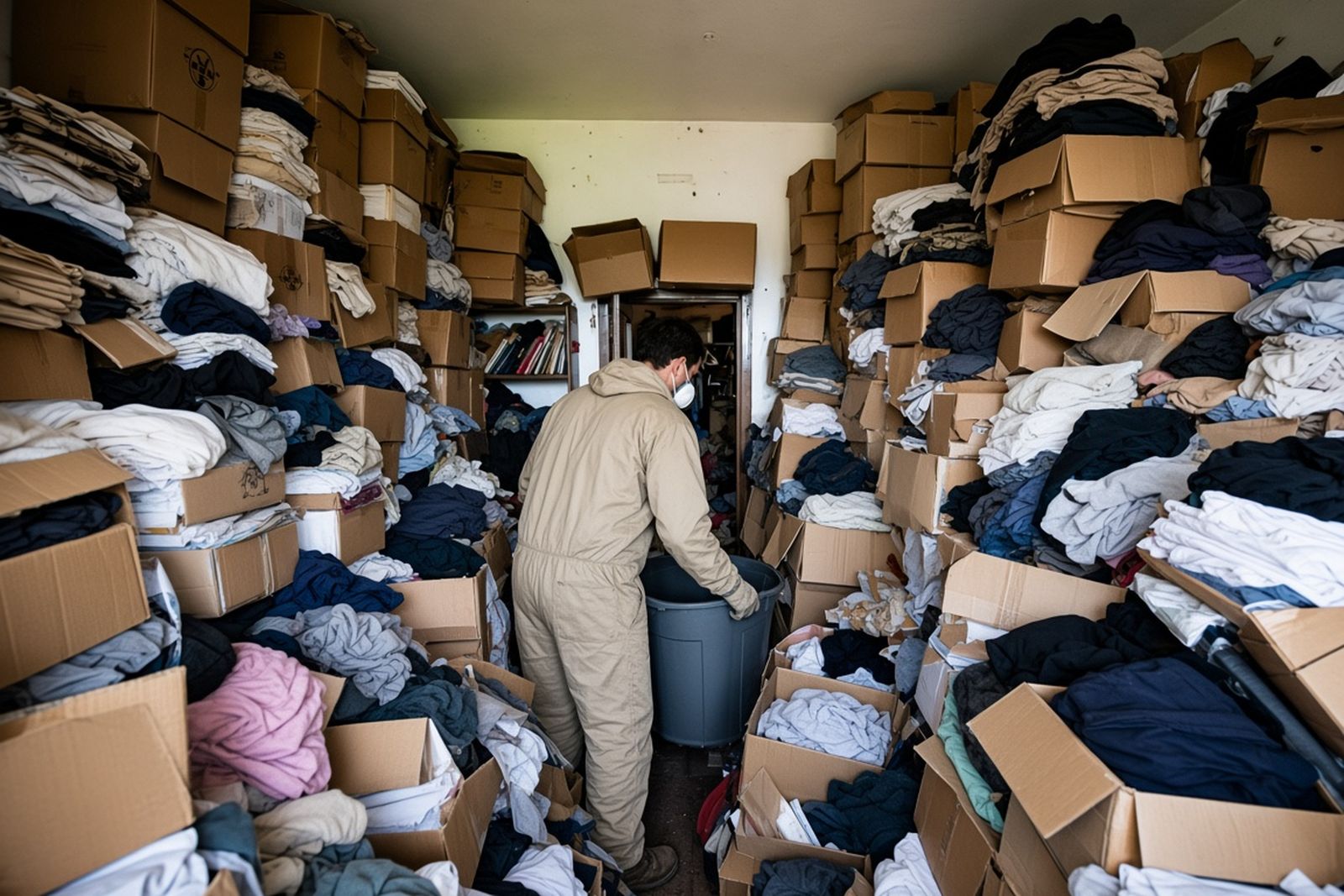
Knowledge quiz
Check what you know about hidden hazards, who can decide, dust control, cleaning and killing germs, waste, and records before you start to help.
City guides
Find companies near you who know hoarding cases. Before you hire anyone, check their training, insurance, and way of working yourself.