Short answer
Enzyme and microbial cleaners break down organic residue such as urine, feces, food and grease. They can help with odor and stains in your home once soaked materials are gone. They are not disinfectants. They cannot rescue soaked carpet or subfloor. They also have to be used in the right order with disinfectants. Ask what residue the product is for and how the results will be checked.
What are enzyme and microbial cleaning products?
Enzyme cleaners contain proteins that speed up the breakdown of certain organic materials. Each enzyme works on a different residue. Proteases act on proteins, such as those in blood and feces. Lipases act on fats and oils. Amylases act on starches, and ureases act on parts of urine. Microbial products contain live, helpful bacteria. These bacteria make the enzymes right on the surface and keep working for a while after you apply them.
In hoarding cleanups, you will usually see these products sold for odor control and stain removal. That is most common where pets or spoiled food were involved. Their appeal is that they break down the source of an odor. They do not just cover it with fragrance.
They are tools with a narrow but real role. Once you understand that role, you can avoid paying for treatments that cannot deliver what is promised.
Where these products fit in a hoarded home
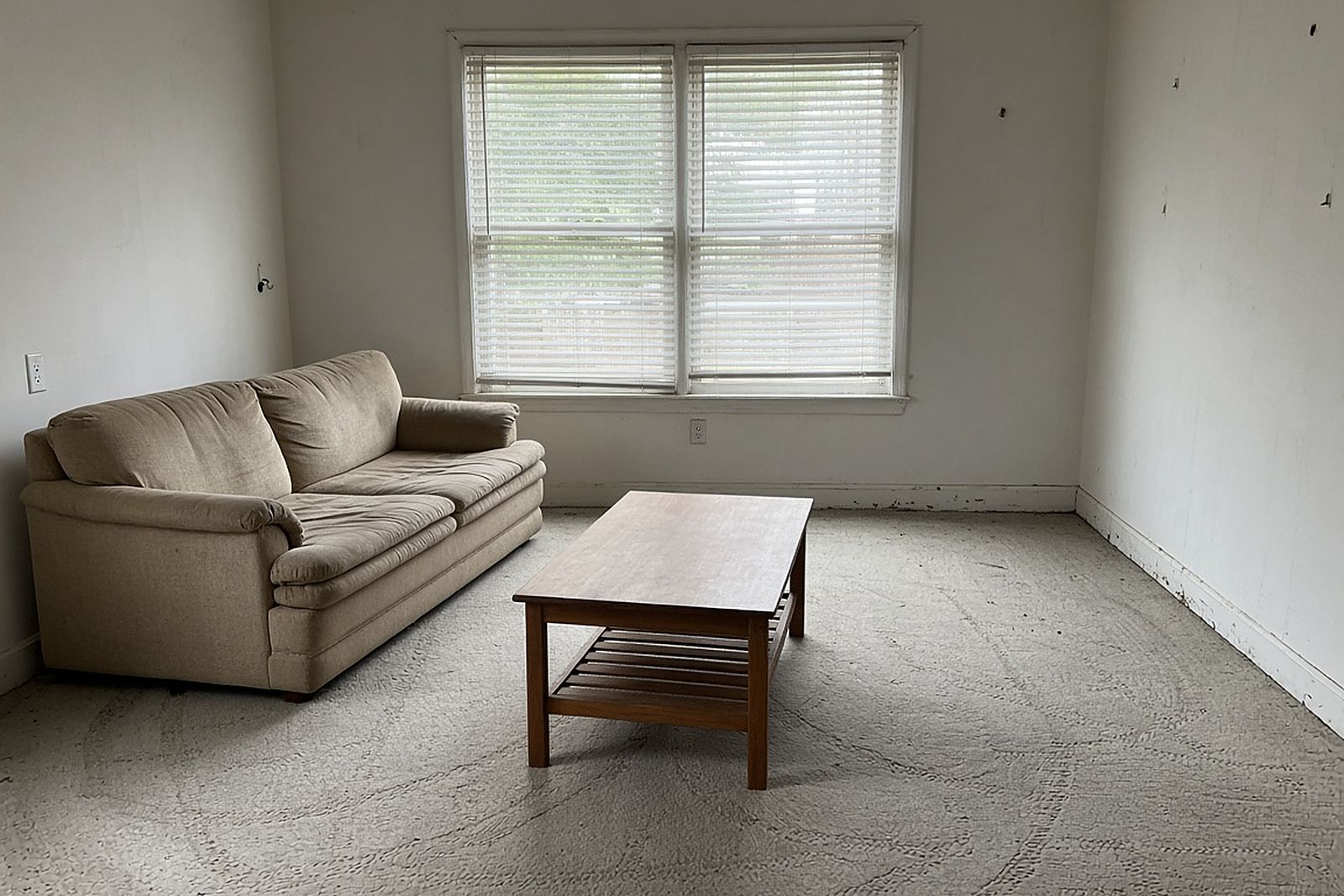
They help you most after the bulk of the belongings is gone and heavily soiled materials have been removed. At that stage, leftover organic matter can be treated to cut odor and staining. This applies to hard surfaces, concrete, grout and any wood you are keeping.
Animal urine is the most common target. A home with many animals can have urine deposits in floors, baseboards and the lower parts of walls. Animal hoarding cases often involve large numbers of animals. In a 1999 review of 54 animal-hoarding case reports in Public Health Reports, Patronek found the median number of animals per case was 39. Even after the animals have new homes, the residue remains.
There are other uses too. These include residue from spoiled food in kitchens and pantries and grease buildup around stoves. They also include organic material in drains and traps, and residue on concrete garage or basement floors where trash sat for a long time.
- Concrete slabs and sealed subfloors with leftover urine after your carpet is removed.
- Tile grout and hard floors where pet waste built up.
- Kitchen surfaces and cabinet floors with dried food residue.
- Drains and traps with organic buildup.
- Baseboards and trim that you are keeping after cleaning.
Why can't enzymes save saturated carpet and subfloor?
Enzymes and bacteria work only where they can reach the residue. They also need moisture and time. In carpet, pad and wood subfloor soaked by years of urine, the residue has gone deep into fibers, foam and wood grain. Treating the surface reaches only a small part of it.
Heavily soiled soft or absorbent materials also tend to hold bacteria, mold and pest debris. Even if the odor improves for a while, the material can stay unsanitary. The smell often returns with humidity. In most cases the practical answer is to remove the carpet and pad. Any subfloor you can keep is then cleaned, treated and sealed.
Some companies offer enzyme treatment for carpet that is visibly soaked, stiff or stained through to the backing. That is a shortcut that rarely works. Ask whether removal was considered and why it was ruled out.
Are enzyme cleaners the same as disinfectants?
No. Enzyme and microbial products break down organic matter. They do not kill germs that cause disease, and they are not registered as disinfectants for that purpose. Where cleanliness is a health concern, such as with feces, rodent droppings or body fluids, surfaces need two steps. They need cleaning, and then disinfection with a registered product used as its label directs.
The two kinds of products can work against each other if they are used carelessly. A disinfectant applied at the same time as a microbial product can kill the helpful bacteria. Some disinfectants can also break down enzymes. So many companies do the work in order. Physical cleaning comes first, then disinfection where needed, then a thorough rinse. Enzyme or microbial treatment for leftover odor comes last, once the disinfectant has done its job and been removed, if the product label supports that order.
Ask the company to explain its order of steps and to follow the maker's directions for each product. If a health or code enforcement office has an open case on your home, ask it whether an inspection is needed before anyone moves back in.
Applying the treatment safely and so it works
Enzyme and microbial products need time on the surface, moisture and a suitable temperature. A light mist that is wiped off right away does little. Labels commonly call for wetting the area enough to reach the residue. The area is kept damp for a period and then left to dry.
Finding the residue is the first step. Ultraviolet lights can help find urine deposits on your floors and walls. Moisture meters can show where liquid has soaked into materials. Treating only the stains you can see misses much of the problem.
After treatment and drying, a concrete slab or wood subfloor can be sealed with a suitable primer or sealer. This can help lock in any leftover odor before your new flooring goes down. Sealing should follow cleaning and treatment. It should not replace them.
Many enzyme and microbial cleaners are considered low in toxicity compared with harsh chemicals. That makes them appealing when you or your relative will return to the home quickly. It does not mean they are free of concerns. Some people are sensitive to fragrances or to the products themselves. The label precautions should be followed.
If the resident has a weakened immune system or serious breathing problems, ask whether a live microbial product is a good fit. Ask the company and, if needed, the resident's clinician. An enzyme-only product may be a better choice in that case.
Keep fresh air moving during and after the treatment. Keep your pets away from treated areas until they are dry. Store leftover product out of reach.
Drains, septic systems and ongoing upkeep
A heavily cluttered home sometimes has slow drains clogged with grease, food and hair after years without upkeep. Enzyme and microbial drain products can help digest organic buildup in traps and lines over time. They work best as a follow-up after a plumber has cleared the blockage by hand or machine. They will not fix a collapsed pipe, tree roots in the line or a failed septic system.
If your home is on a septic system, ask before you pour large amounts of any cleaning product down the drains. Heavy use of disinfectants during a cleanup can disturb the bacteria a septic tank relies on. Some owners follow up with a septic-safe biological product. A septic professional can tell you whether that is useful for your system or whether the tank simply needs pumping.
Think about upkeep too. If you keep a pet or two after the cleanup, it may help to have an enzyme cleaner on hand for accidents. Treating a fresh spot promptly is far easier than dealing with residue that has soaked in for months. It also helps protect the new flooring your family has just paid for.
Keep your expectations modest. These products support good habits and regular cleaning. They do not replace them.
After many cats were rehomed: a worked example
The house below is invented. The order of steps is the one described above. A retired teacher kept dozens of cats in her small house. After animal welfare officers help find new homes for the cats, her nephew arranges a cleanup so she can stay in her home. The odor is intense, and carpet covers most floors.
The company removes all the carpet and pad, which are soaked. Using an ultraviolet light, a worker maps urine deposits on the concrete slab. The map also covers the drywall near the floor in two rooms. The lowest section of drywall in those rooms had absorbed urine. It is cut out and replaced.
The crew cleans and disinfects the slab and rinses it. Then they apply an enzyme product to the mapped areas. They keep the areas damp as the label directs and then let them dry. A second treatment follows in the spots that still smell. The slab is then sealed before new vinyl flooring goes in.
The final report includes the ultraviolet map, the products used and the order they were applied. The odor is greatly reduced. The nephew understands that removing the carpet and drywall did most of the work. The enzyme treatment finished the job.
Questions to ask about enzyme and bacteria products
Ask what residue the product is for and why it fits your home. Ask what materials will be removed before treatment. Ask how the crew will find the residue. Ask in what order they will clean, disinfect and apply the enzyme product.
Ask for the product labels or safety data sheets. Ask whether the product is a good fit if vulnerable people or pets will return soon. Ask how you will judge success. That could be odor checks at set times, a second inspection or a follow-up visit.
A company that presents enzymes as a complete answer, or cannot explain the order of steps, is probably overselling them to you. One that treats them as a finishing step after removal and disinfection is using them the way they work best.