Loading...
Back to Hoarding Scene Cleanup
Hoarding Scene Cleanup: Complete Service Guide
Projects begin with egress and structural stability checks, then room-by-room sorting with documented client consent, separate disposal pathways for municipal trash versus regulated biohazard waste, HEPA cleaning of uncovered surfaces, moisture and mold assessment where ventilation was blocked, and optional pest coordination. Insurance usually requires a covered peril; timelines follow safety and client pace, not a one-day dumpster promise.
RISK: HIGH4 SPECIALIZED SERVICES
Need Hoarding Scene Cleanup help now?
HIGH RISK — Confirm provider availability for the specific case
What is Hoarding Scene Cleanup?
Hoarding scene cleanup is paced, consent-based sorting plus remediation of biohazards commonly hidden under clutter—animal or human waste, mold from blocked ventilation, pests, spoiled organics, and sharps. Crews restore egress and segregate regulated streams; they do not run a forced trash-out that ignores needles, feces, or client Keep decisions.
Projects begin with egress and structural stability checks, then room-by-room sorting with documented client consent, separate disposal pathways for municipal trash versus regulated biohazard waste, HEPA cleaning of uncovered surfaces, moisture and mold assessment where ventilation was blocked, and optional pest coordination. Insurance usually requires a covered peril; timelines follow safety and client pace, not a one-day dumpster promise.
Severe hoarding often hides animal/human waste, mold from blocked ventilation, pests, and sharps under clutter. Ethical work paces Keep/Donate/Discard/Biohazard sorting with consent rather than a forced trash-out.
Health Risk Alert
Hidden feces, spoiled organics, mold, pests, and sharps create infection, respiratory, and needlestick risks as clutter is moved. Crushing loads or dry sweeping under piles aerosolizes hazards.
Credentials to request
- Consent-based sorting process (Keep/Donate/Discard/Biohazard)
- Sharps and biohazard segregation capability on site
- HEPA dust control during declutter
- Separate hauling streams for regulated vs ordinary debris
- Mold/pest escalation criteria when uncovered
- Written client consent before discarding sentimental items
Need Help Now?
1-877-BIO-CLEANFull hoarding scene cleanup remediation sequence
- 1
Safety walkthrough: exits, floor load, utilities, and biohazard hotspots before moving piles.
Why: Collapse, fire, and utility hazards kill people during rushed cleanouts.
- 2
Establish sorting stations (keep / discard / recycle / biohazard) with authorized decision rules.
Why: Without stations, valuable items and biohazard waste get mixed irreversibly.
- 3
Create egress paths first so workers and occupants can exit in an emergency.
Why: Blocked exits during work create life-safety violations.
- 4
Don PPE appropriate to dust, mold, zoonoses, and sharps; use wet methods where droppings exist.
Why: Dry disturbance of rodent waste is a classic hantavirus exposure pathway.
- 5
Remove biohazardous waste with regulated packaging; do not use ordinary dumpsters for OPIM.
Why: Misdisposal creates liability for owners and haulers.
- 6
Clear room-by-room; HEPA scrub air as dust and allergens rise.
Why: Airborne load spikes during disturbance even when piles look dry.
- 7
Screen for sharps, chemicals, and pressurized containers before compaction.
Why: Hidden needles and chemicals injure workers at the dumpster stage.
- 8
Deep clean and disinfect exposed surfaces after contents leave; address urine/feces saturation if present.
Why: Surfaces under piles often hide a second remediation problem.
- 9
Document volumes removed and remaining repair needs (floors, drywall, pest exclusion).
Why: Courts, landlords, and insurers need factual condition records.
- 10
Recommend pest exclusion and mental-health resource connections without claiming to provide clinical care.
Why: Clear-out without exclusion often leads to rapid re-accumulation and re-infestation.
Service lines within hoarding scene cleanup
Clutter Assessment & Sorting
Room-by-room assessment that restores egress and categorizes belongings with client consent before mass disposal.
- 1Evaluate structural stability, fire egress, and immediate biohazard indicators under clutter
- 2Establish Keep, Donate, Discard, and Biohazard categories with the client or authorized contact
- 3Create safe pathways for workers and emergency exit before deep sorting
- 4Photograph conditions for documentation without sensational staging
- 5Pace decisions so sentimental items are not discarded without written consent
- 6Update the written sorting plan as rooms open and hazards are uncovered
Pro Insight: Field failure to avoid: Hiring junk removal without biohazard screening
Debris Removal & Disposal
Hauling and disposal with separate streams for ordinary debris versus regulated biohazard waste.
- 1Bag ordinary debris separately from needles, feces-soiled goods, and other regulated materials
- 2Use lined pathways and elevator protections during bag-out in multi-unit buildings
- 3Stage dumpsters or trucks to minimize neighbor disruption while maintaining privacy
- 4Track disposal destinations appropriate to each waste stream
- 5Avoid crushing loads that may aerosolize hidden biohazards
- 6Provide disposal documentation for property managers or insurers when requested
Pro Insight: Field failure to avoid: Starting with sentimental rooms before creating safe exits
Biohazard Remediation
Cleanup of animal/human waste, spoiled organics, sharps, and related soils uncovered during decluttering.
- 1Isolate biohazard finds as soon as they are uncovered under clutter
- 2Package sharps in puncture-resistant containers; never into loose trash bags
- 3Remove or disinfect surfaces contaminated with feces, urine, or decomposition soils
- 4Apply EPA-registered products with labeled dwell times after gross soil removal
- 5Assess mold and pest indicators linked to blocked ventilation or nesting
- 6Document biohazard removals separately from general declutter quantities
Pro Insight: Hazard focus for this niche: Hantavirus and other zoonoses from rodent waste
Deep Cleaning & Restoration
Sanitation of exposed surfaces after clutter removal to support re-occupancy or the next restoration phase.
- 1HEPA-clean dust and debris from floors, fixtures, and uncovered surfaces
- 2Wash and disinfect kitchens, baths, and high-touch areas as access allows
- 3Address odors only after source materials and waste are removed
- 4Note remaining repairs (flooring, drywall, plumbing) outside declutter scope
- 5Verify safe egress and basic sanitation conditions for the client or next contractor
- 6Deliver a closeout summary of what was cleaned versus what still needs rebuild
Pro Insight: Verification that matters here: Egress path inspection after clear-out
What equipment is typically used for hoarding scene cleanup?
1
Sorting / staging supplies
Bins and labels for Keep/Donate/Discard/Biohazard categories with client consent.
2
HEPA air scrubbers
Dust and allergen control as clutter is moved and biohazards are uncovered.
3
Puncture-resistant sharps containers
Ready whenever needles appear under piles—never crush loads blindly.
4
PPE for mixed hazards
Protection for dust, waste soils, mold, and sharps commonly found together.
5
Lined bag-out pathways
Protect corridors and elevators during debris removal in multi-unit buildings.
6
Disinfectants after declutter
Applied to uncovered surfaces once gross waste soils are removed—not sprayed onto untouched piles.
Process & Equipment Visuals
educationCompassionate Planning

Compassionate Planning
Compassionate hoarding cleanup planning with client
before-afterCleanup in Progress
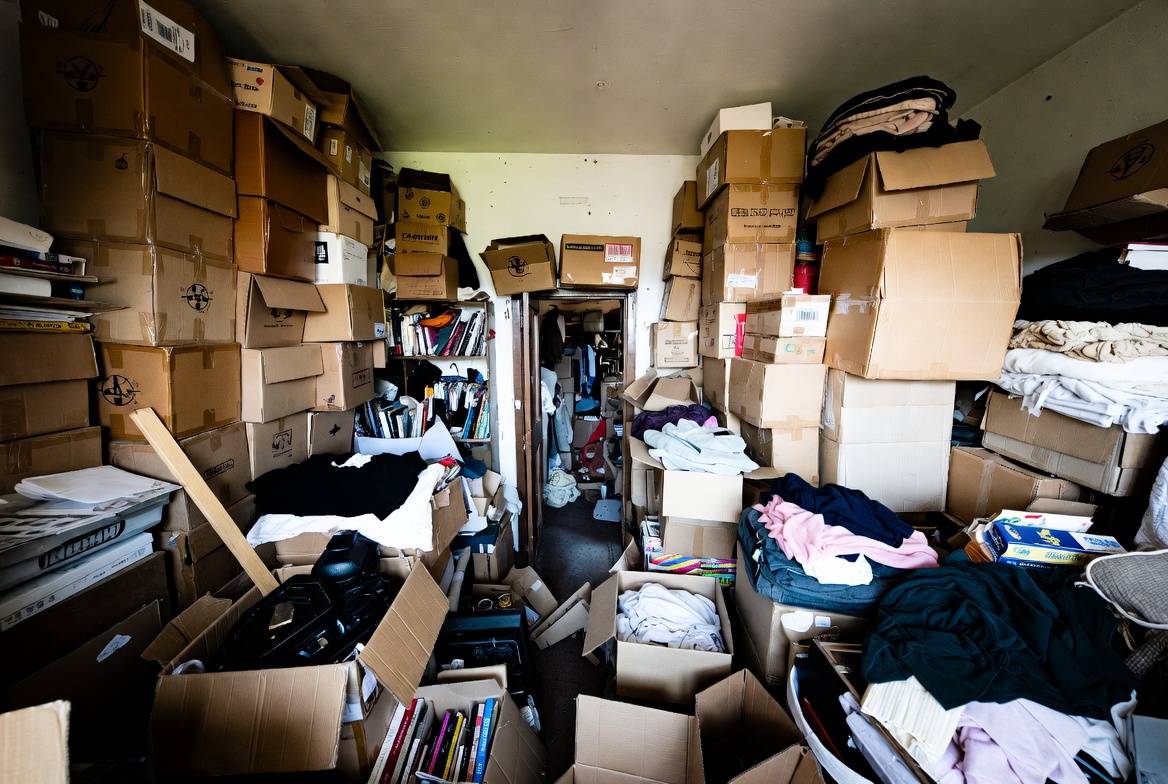
Cleanup in Progress
Professional hoarding cleanup in progress
before-afterRestored Room

Restored Room
Room fully restored after professional hoarding cleanup
educationValuables Recovery

Valuables Recovery
Valuables recovered during professional hoarding cleanup
technicianSafe Pathway

Safe Pathway
Creating safe egress during professional hoarding cleanup
educationSorted Materials

Sorted Materials
Consent-based sorting categories during hoarding remediation
before-afterKitchen Restored
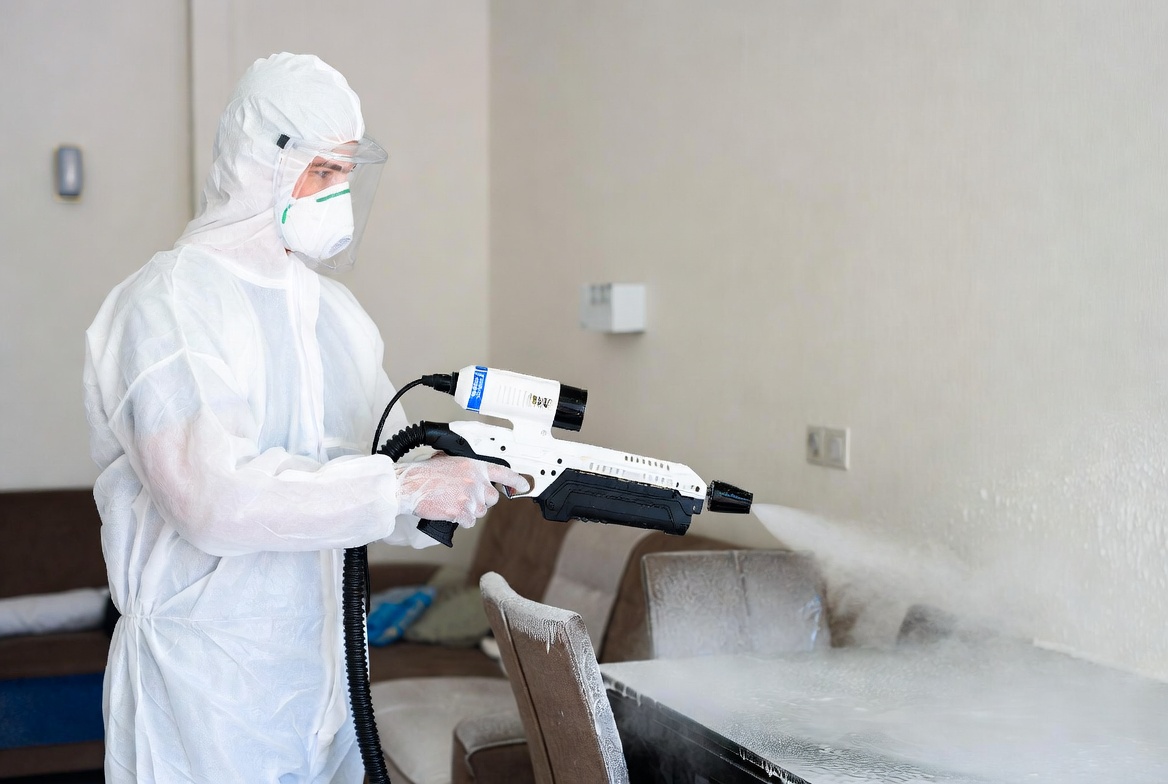
Kitchen Restored
Kitchen restored after professional hoarding scene cleanup
equipmentHEPA After Declutter

HEPA After Declutter
HEPA cleaning of surfaces after hoarding declutter
trustCertifications

Certifications
Professional biohazard remediation certifications
technicianResponse Team

Response Team
Certified biohazard remediation team in professional PPE
propertyDiscreet Vehicle

Discreet Vehicle
Unmarked discreet response vehicle for confidential services
equipmentATP Testing Device

ATP Testing Device
ATP luminometer showing verified clean reading
Process Overview
A 30-second overview: consent-based sorting, safe pathways, biohazard segregation, deep clean, restored livable space. We work at your pace.
Transcript: Sealed regulated waste containers are staged orderly near an unmarked vehicle for licensed transport.
What not to do during hoarding scene cleanup
- ✕Friends helping for a weekend often lack PPE and create aerosol exposures.
- ✕Throwing everything in a dumpster can violate biohazard and privacy rules.
- ✕Rushing the client can cause psychological harm and incomplete sorting.
- ✕Disturbing nests without wet methods aerosolizes droppings.
- ✕Ignoring blocked exits during work creates fire-life-safety violations.
- ✕Using crime-scene blood protocols alone misses zoonotic and collapse hazards unique to hoarding.
What affects hoarding scene cleanup cost?
Labor hours for sorting
Consent-based categorization dominates cost more than per-room “biohazard rates.”
Hauling volume
Debris tonnage and dumpster cycles scale with clutter depth.
Biohazards uncovered
Feces, sharps, mold, and pests found under piles expand into remediation line items.
Access & egress work
Creating safe pathways before deep sorting is billable safety labor.
Multi-unit protections
Lined bag-out and elevator protection in apartments add setup.
Client pace
Decision time on Keep items extends calendar even when crew capacity exists.
Test Your Knowledge
Biohazard Knowledge Quiz
Q 1/5What determines a disinfectant contact time?
Community Polls
If you discovered a hoarding scene cleanup situation, what would you do first?
No visitor votes yet
What is the biggest fear people have about hoarding scene cleanup?
No visitor votes yet
Frequently asked questions about hoarding scene cleanup
Q:What is hoarding scene cleanup in a biohazard context?
Hoarding scene cleanup is structured decluttering plus remediation of biological hazards that often accompany severe hoarding—animal waste, mold from blocked ventilation, pests, spoiled organics, and sometimes human waste or sharps. Ethical programs pace sorting with client consent while segregating biohazard streams from ordinary debris. It is not forced eviction, psychiatric treatment, or a same-day junk-haul that ignores consent and sorting. Mental-health support may be coordinated when the client wants it, but the cleanup vendor does not replace clinical care. Scope clarity prevents treating a complex home like a simple trash job. For definition and scope conversations, put these boundaries in the written estimate so stakeholders are not surprised later: focus on consent-based Keep/Donate/Discard/Biohazard sorting, require egress and fire-load safety before deep cleaning, and treat rebuild as a separate phase when materials leave the structure. In hoarding scene cleanup projects specifically, ask the crew to explain how they will handle item 1 of this checklist in writing before mobilizing.
Q:Why shouldn’t family just rent a dumpster and start tossing?
Hidden needles, feces, mold, ammonia from urine, unstable stacks, and blocked exits create exposure and injury risks. Aggressive demolition without sorting can destroy important documents and valuables, and can aerosolize pathogens. A paced, consent-based process with PPE and waste segregation is safer and more respectful. Weekend cleanouts also miss fire-load and structural hazards under piles. Professionals plan egress, air quality, and biohazard packaging before deep cleaning begins. Family labor without training turns a difficult situation into an ER visit or a permanently lost passport buried in a discarded bag. For DIY decisions, the practical rule is isolation first—protect people from consent-based Keep/Donate/Discard/Biohazard sorting, wait on egress and fire-load safety before deep cleaning, and do not improvise tools that worsen pest and mold co-hazards under clutter. In hoarding scene cleanup projects specifically, ask the crew to explain how they will handle item 2 of this checklist in writing before mobilizing.
Q:How is waste sorted and disposed during hoarding remediation?
Streams typically include recyclables, donation-eligible items, solid waste, and regulated biohazard or sharps waste when present. Biohazard bags and sharps containers go to licensed treatment; ordinary trash follows municipal rules. Clients should approve discard categories before trucks leave so consent is real, not theoretical. Document decision rules for Keep, Donate, Discard, and Biohazard. Mixing needles into household trash endangers workers downstream. Ask how the team prevents cross-contamination between clean sorted items and biohazard bags during carry-out through narrow pathways. For waste handling, demand a pathway that matches consent-based Keep/Donate/Discard/Biohazard sorting, keeps records suitable for pest and mold co-hazards under clutter, and never substitutes municipal trash for materials tied to paced client decision-making. In hoarding scene cleanup projects specifically, ask the crew to explain how they will handle item 3 of this checklist in writing before mobilizing. Keep a property file that includes photos, product names, and waste or clearance records unique to this hoarding-scene-cleanup response so future buyers, tenants, or auditors can reconstruct what was done.
Q:Will homeowners insurance pay for hoarding cleanup?
Usually not for gradual accumulation alone. Coverage is more likely if a sudden covered peril—fire, certain water events, trauma—created a biohazard within the hoarded environment. Clarify remediation of contamination versus debris removal with the adjuster, because those categories are priced and covered differently. Municipal code enforcement cases may create deadlines independent of insurance. Payment plans, family funding, or social-service partnerships sometimes fill gaps. Contractors should not imply that hoarding cleanups routinely bill insurers successfully without a covered peril narrative. For insurance and payment, document pest and mold co-hazards under clutter with photos and scopes, ask the carrier about egress and fire-load safety before deep cleaning, and reject vendors who invent approval rates instead of explaining consent-based Keep/Donate/Discard/Biohazard sorting. In hoarding scene cleanup projects specifically, ask the crew to explain how they will handle item 4 of this checklist in writing before mobilizing. Keep a property file that includes photos, product names, and waste or clearance records unique to this hoarding-scene-cleanup response so future buyers, tenants, or auditors can reconstruct what was done.
Q:What process balances safety, consent, and biohazard control in hoarding work?
Projects often start with safety: egress, structural concerns, and air quality. Then comes categorized sorting with the client or authorized decision-maker, segregation of biohazards, pest coordination when needed, cleaning and disinfection of uncovered surfaces, and odor or mold follow-on work as scoped. Speed should not override consent or safety. Daily goals and clear decision authority reduce conflict. Photographing progress helps clients see change without requiring them to stand in the most hazardous rooms for hours. Process is as much project management as it is cleaning chemistry. For process quality, sequence work around egress and fire-load safety before deep cleaning, control consent-based Keep/Donate/Discard/Biohazard sorting, and finish with documentation that reflects paced client decision-making rather than a verbal “all set.” In hoarding scene cleanup projects specifically, ask the crew to explain how they will handle item 5 of this checklist in writing before mobilizing. Keep a property file that includes photos, product names, and waste or clearance records unique to this hoarding-scene-cleanup response so future buyers, tenants, or auditors can reconstruct what was done.
Q:How do teams verify a hoarding home is safe enough for the next phase or re-occupancy?
Verification may include visual clearance of biohazard soils, confirmation that sharps are gone, moisture or mold assessments where relevant, and ATP or equivalent checks on critical hard surfaces after disinfection. Recurring droppings or odors mean pest or source issues remain. Re-occupancy criteria should be written, especially when code enforcement is involved. Distinguish “path cleared and biohazards remediated” from “home fully restored cosmetically.” Vulnerable clients need honest staging so they do not sleep beside unfinished biohazard piles. For verification, define acceptance using paced client decision-making, retain proof related to pest and mold co-hazards under clutter, and do not reopen based on appearance alone when consent-based Keep/Donate/Discard/Biohazard sorting remains plausible. In hoarding scene cleanup projects specifically, ask the crew to explain how they will handle item 6 of this checklist in writing before mobilizing. Keep a property file that includes photos, product names, and waste or clearance records unique to this hoarding-scene-cleanup response so future buyers, tenants, or auditors can reconstruct what was done.
Q:How long does hoarding scene cleanup typically take?
Moderate homes may take several days; severe multi-room cases can take weeks when client pace, pest treatment, and biohazard phases are included. Court or housing deadlines may compress schedules, but unsafe speed creates injuries and missed hazards. Ask for a phase plan with decision milestones rather than a single guaranteed end date on day one. Weather, dumpster access, and the volume of donation logistics also affect duration. Ethical timelines protect both workers and clients. For timeline planning, build milestones around egress and fire-load safety before deep cleaning, contingency for pest and mold co-hazards under clutter, and honest drivers such as consent-based Keep/Donate/Discard/Biohazard sorting instead of brochure averages. In hoarding scene cleanup projects specifically, ask the crew to explain how they will handle item 7 of this checklist in writing before mobilizing. Keep a property file that includes photos, product names, and waste or clearance records unique to this hoarding-scene-cleanup response so future buyers, tenants, or auditors can reconstruct what was done.
Q:How are odors managed in severe hoarding environments?
Odors often come from urine, feces, spoiled food, dead pests, and moldy materials. Source removal and cleaning beat fragrance. Enzymatic products, air scrubbing, and later oxidizer use may help after reservoirs leave, but spraying perfume into a packed room fails immediately. Blocked ventilation worsens odor and moisture. Restoring airflow safely is part of the plan once pathways exist. Clients should expect odor to improve gradually as layers are removed rather than vanish after one fogging pass over untouched piles. For odor and air quality, tie treatments to paced client decision-making, replace media when consent-based Keep/Donate/Discard/Biohazard sorting recirculates, and remember fragrance cannot replace egress and fire-load safety before deep cleaning. In hoarding scene cleanup projects specifically, ask the crew to explain how they will handle item 8 of this checklist in writing before mobilizing. Keep a property file that includes photos, product names, and waste or clearance records unique to this hoarding-scene-cleanup response so future buyers, tenants, or auditors can reconstruct what was done.
Q:How do apartments and HOAs handle hoarding cases that affect neighbors?
Odors, pests, and fire load in one unit can threaten adjacent homes. Managers should follow habitability and nuisance processes while using professional remediation rather than maintenance-staff purge days. Containment during bag-out protects corridors and elevators. Document whether damage reaches common elements. Coordinate pest control building-wide if infestations spread. Resident communication should focus on health and safety timelines without shaming the occupant. Multi-unit hoarding is both a clinical-sensitivity issue and a building-systems issue. For multi-unit and HOA coordination, assign authority for pest and mold co-hazards under clutter, protect shared pathways from consent-based Keep/Donate/Discard/Biohazard sorting, and communicate schedules without graphic detail while addressing egress and fire-load safety before deep cleaning. In hoarding scene cleanup projects specifically, ask the crew to explain how they will handle item 9 of this checklist in writing before mobilizing. Keep a property file that includes photos, product names, and waste or clearance records unique to this hoarding-scene-cleanup response so future buyers, tenants, or auditors can reconstruct what was done.
Q:What considerations protect elderly clients and people with disabilities during hoarding cleanup?
Elderly clients and people with disabilities may need paced decisions, accessible paths, medication and document prioritization, and coordination with caregivers or social workers. Forcing rapid discard can cause harm. Biohazard areas should still be controlled so compassion does not equal leaving feces and sharps in place. Identify essential items early—medications, glasses, legal papers, mobility devices. Provide seating and breaks outside the hottest zones. Special-population protection means accessible process design plus uncompromising hazard control for waste that can injure caregivers and visiting clinicians. For children, elders, and other vulnerable occupants, relocate during consent-based Keep/Donate/Discard/Biohazard sorting, delay return until egress and fire-load safety before deep cleaning, and bias toward replacement when paced client decision-making cannot be verified on items they touch. In hoarding scene cleanup projects specifically, ask the crew to explain how they will handle item 10 of this checklist in writing before mobilizing. Keep a property file that includes photos, product names, and waste or clearance records unique to this hoarding-scene-cleanup response so future buyers, tenants, or auditors can reconstruct what was done.
Citations & Resources
Get a Free Hoarding Scene Cleanup Consultation
Tell us about your situation for coordinator follow-up. Provider availability and timing must be confirmed for the specific address and case. Contact: 1-877-BIO-CLEAN.