Short answer
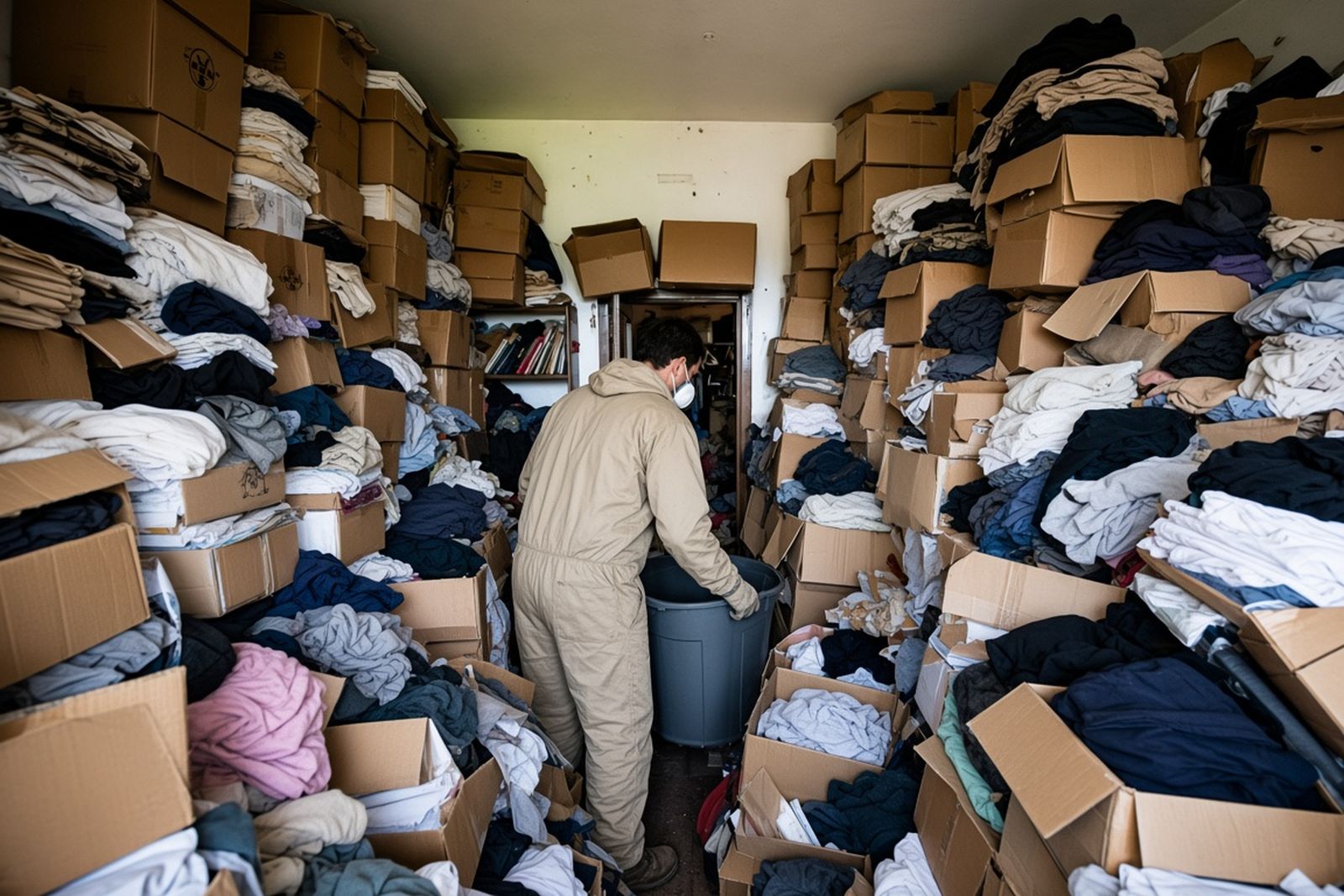
First, make sure the person is safe and gets any medical care they need. Then deal with hazards that cannot wait, such as blocked exits, gas or electrical risks and spoiled food. Keep the person involved in decisions, and do not throw things out in bulk. Read any official notice with care. Gather the details a hoarding cleanup company will need to plan safe, respectful help.
What makes a hoarding situation urgent?
Hoarding usually builds slowly. But the moment it becomes a crisis can be sudden. A parent falls and cannot reach the phone. Paramedics struggle to get a stretcher through the hallway. A landlord posts an inspection notice. Code enforcement issues an order. A neighbor reports an odor, or a welfare check reveals conditions no one expected.
In each case, you feel pressure to act fast. That pressure is real. But acting too fast can hurt the person you are trying to help. Clearing a home without the person's involvement can cause lasting distress and damage trust. It can also make it more likely the home will fill again.
The steps below help you steady the situation while you arrange professional help. They put safety first and dignity always.
If you are reading this in the middle of the crisis, take one step at a time. You do not have to solve everything today.
First, make sure the person is safe
If the person is hurt, ill, confused or not responding, call 911. Tell the dispatcher that the home is crowded and hard to move through, so responders can prepare. Do not try to move heavy piles to reach someone unless you are sure it will not cause a collapse.
If the person is safe but cannot stay in the home tonight, help them find somewhere to go. That could be a family member's house, a friend's spare room or a short hotel stay. Pack the essentials with them: medications, glasses, hearing aids, phone and charger, identification and a few changes of clothes.
If they can stay, check four things. They need a clear path to a bed and a working toilet. They need a way to prepare or receive food, and a way out of the home in an emergency.
If the person seems to be in emotional crisis, stay with them or make sure someone does. You can call or text the 988 Suicide and Crisis Lifeline for guidance at any hour.
Hazards that cannot wait
Some hazards cannot wait for a scheduled cleanup. Fire risk is first among them. Paper and fabric packed around a stove or heater, with blocked doors, can turn a small fire into a deadly one.
Look for the following, and call the right professional if you find them.
- Items piled on or near the stove, space heaters, furnace or water heater.
- Extension cords running under piles, or overloaded outlets.
- A smell of gas. If you smell it, leave the home and contact the gas utility or 911.
- Blocked front and back doors, or bedroom windows that cannot open.
- Missing or disabled smoke alarms.
- Leaking pipes, or a toilet that cannot flush.
- Signs of rodents or insects near food and sleeping areas.
What to avoid doing in a rush
Well-meaning family members sometimes rent a dumpster and start filling it the same day. That can backfire. It can throw out documents, medications, valuables and keepsakes. It can expose you and other helpers to needles, mold and waste hidden under piles. It can also leave the person feeling powerless and betrayed.
Do not move large amounts of material without the person's consent. Do not climb on unstable piles or reach blindly into bags and boxes. Do not mix household trash with anything that looks like a needle, medical waste or animal waste.
Something may have to move right away for safety, such as items stacked against a heater. If so, move only what is needed and explain why. Leave the rest for a planned process with a professional crew and the person's consent.
If you do handle anything, wear sturdy gloves and closed shoes. Never press down on bags or piles with your hands or feet.
What if there is an official notice or deadline?
Read any notice from a landlord, code enforcement office, health department or court slowly and all the way through. Note the deadline, exactly what must be fixed and who to contact. Many notices focus on specific conditions, such as blocked exits, sanitation or fire hazards. They often do not require you to empty the whole home.
Call the contact listed and ask questions. Can you get more time if a cleanup plan is in place? Will an inspector return to check progress? Can the work be done in phases? Put the answers in writing when you can.
Housing is often on the line. A 2008 study in Psychiatry Research found that eight to 12% of the people with hoarding it surveyed had been evicted or threatened with eviction because of hoarding. If eviction is possible, think about contacting a tenant rights organization or a legal aid office.
Information a company will need
When you call a cleanup company, having some details ready helps it plan a response that fits the urgency. Know the size of the home and which rooms are affected. Know how the person is doing and whether they will be present. List any hazards you know of, such as pets, waste, pests, leaks or needles. Have your deadline and a copy of any notice. Know the parking and building access, and who has the right to make decisions about belongings.
If you can do so safely and with the person's permission, take a few photographs from doorways. They help the company estimate crew size and equipment without anyone climbing into unsafe areas.
Ask the company how it handles urgent jobs while still involving the person who lives there. A good answer will talk about dealing with the safety items first and scheduling deeper sorting afterward.
Case sketch: an inspection in five days
What follows is a made-up sketch, not a real case. A man in his sixties gets a notice from his building manager. The fire marshal will inspect his apartment in five days, and the exits must be clear. His sister learns about the notice when he calls her in a panic.
She drives over, reads the notice and calls the building manager. The manager confirms that the inspection focuses on exits, the stove area and smoke alarms. She calls a hoarding cleanup company and shares the notice and a few doorway photos.
The company schedules three short sessions. Her brother decides what to keep from the entry hallway and kitchen. The crew removes what he discards and clears a path to both exits. It moves stacked items away from the stove and installs a working smoke alarm. The rest of the apartment is left for later phases.
The apartment passes the inspection. The sketch shows you how focusing on the exact requirement can make an urgent deadline manageable without a forced cleanout.
Keeping the occupant involved during a crisis
Even when time is short, the person who lives in the home should have a voice. Explain what must happen and why, and ask what matters most to them. Offer choices where you can, such as which room to start in or which items must be protected.
Keep your tone calm and free of blame. Many people who hoard feel intense shame, and an emergency can magnify it. Words like "we need to make sure you are safe" land better than comments about the state of the home.
Sometimes the person cannot be present, for example because they are in the hospital. Ask whether they would like someone they trust to stand in for them during decisions. Take photographs of any items you are unsure about and check with them by phone before anything leaves the home. That small effort can mean a great deal when they return.
Remember that the urgent work is only the first chapter. The decisions you make with the person now set the tone for everything that follows. That includes whether they will accept help the next time it is offered.
What comes after the urgent phase?
Once the immediate danger has passed, shift to a longer plan. That may include cleanup of the remaining rooms in phases and a link to a therapist or case manager who knows hoarding. It may include regular check-ins and an upkeep schedule.
Keep copies of the notice, any letters or emails with authorities and the cleanup company's records. They may matter if an inspector returns or if questions come up later about what was done.
Look after yourself as well. Helping someone through a hoarding crisis is exhausting. Family members often carry guilt, frustration and grief all at once. A support group for relatives, a counselor or simply a friend who will listen can make the long road easier for you to walk.