Free homicide cleanup tool
Homicide Cleanup DIY or Call a Pro? Risk Check
Eight yes-or-no questions that produce a risk level and explain when professional help is the safer choice.
Some family members feel that cleaning the place where their loved one died is something they owe them. Some landlords assume a maintenance crew can handle it. This risk check treats both views with respect. It asks eight yes-or-no questions. Has the scene been released? Does the contamination cover more than one surface or room? Has blood soaked into soft materials? Could sharp objects or bullet debris remain? Was the space held for days? Does the building have shared air systems or hallways? Would anyone doing the work be an employee? Is there a legal way to dispose of the waste? The result is a risk level. It comes with an explanation of why professional help is the safer choice in nearly every case.
The reasons go beyond exposure to germs carried in blood, although that alone is serious. Homicide scenes may still contain evidence that a crew must know how to spot and leave alone. Contamination reaches into layers of flooring and inside walls, where household cleaning cannot reach. A surface that looks clean may still fail a test. Employers who assign staff to this work take on duties under 29 CFR 1910.1030. And cleaning a violent-death scene can cause lasting harm to someone who was not prepared for it. The risk check explains all this plainly. That way, calling a company feels like the informed choice it is. It is not a failure of love or skill.
How to use it
- 1Answer the eight questions using what the detective, the company, or the property manager told you. Do not go into the space to find out.
- 2Read the risk level. More importantly, read the reasons listed under it, since they describe hazards that match your answers.
- 3If the result advises professional help, move on to the vetting checklist and the first 24 hours planner.
- 4If you are a landlord thinking about having staff clean, share the result with whoever manages employee safety before you assign anyone.
Prefer to ask a person?
Your request is sent to the follow-up inbox. A coordinator can reply by email. Not for emergencies; call 911 first if anyone is in danger.
Check whether DIY is safe
Homicide Cleanup: DIY or call a pro?
Eight yes-or-no questions. The result is an educational risk level, not a safety clearance.
1. Is there blood, body fluid, or anything that could carry a bloodborne pathogen?
2. Has the material soaked into carpet, padding, a mattress, drywall or a subfloor?
3. Is there a strong or lingering odor?
4. Could needles, broken glass, drug residue or unknown chemicals be present?
5. Does the affected area cover more than a small spot, or more than one room?
6. Will children, older adults, pregnant people or anyone immunocompromised use the space afterward?
7. Do you need documentation for insurance, a landlord, a sale, or an estate?
8. Would you be doing this while grieving, exhausted or under time pressure?
8 questions left to answer.
A worked example
Here is a made-up example. A man's grieving sister-in-law has asked him to deal with the house where his brother was killed. He is a contractor and owns respirators and coveralls. He feels he should spare her the cost and the strangers. The scene was released yesterday after being held for several days. He runs the risk check. Released: yes. More than one room: yes, because the detective mentioned the kitchen and the back hall. Soft materials: yes, since the hall has carpet. Sharp objects or bullet debris: unsure. Held for days: yes. Shared air system: no, it is a detached house. Would anyone be an employee: no. Legal disposal route: no, because he had planned to use a dumpster. The result is the highest risk level. The explanation walks through what his answers mean. Carpet and padding in two areas will need to be removed and cannot just be cleaned. A hold of several days means fluids have likely reached the subfloor, and the source of the odor will need to be removed. Unknown debris raises the risk of injury. A dumpster is not a legal route for regulated waste, and using one could cause problems for the estate. It ends by noting that his skills are best used to review the company's plan and to rebuild afterward. That is a real way to help. He decides to run the vetting checklist that afternoon.
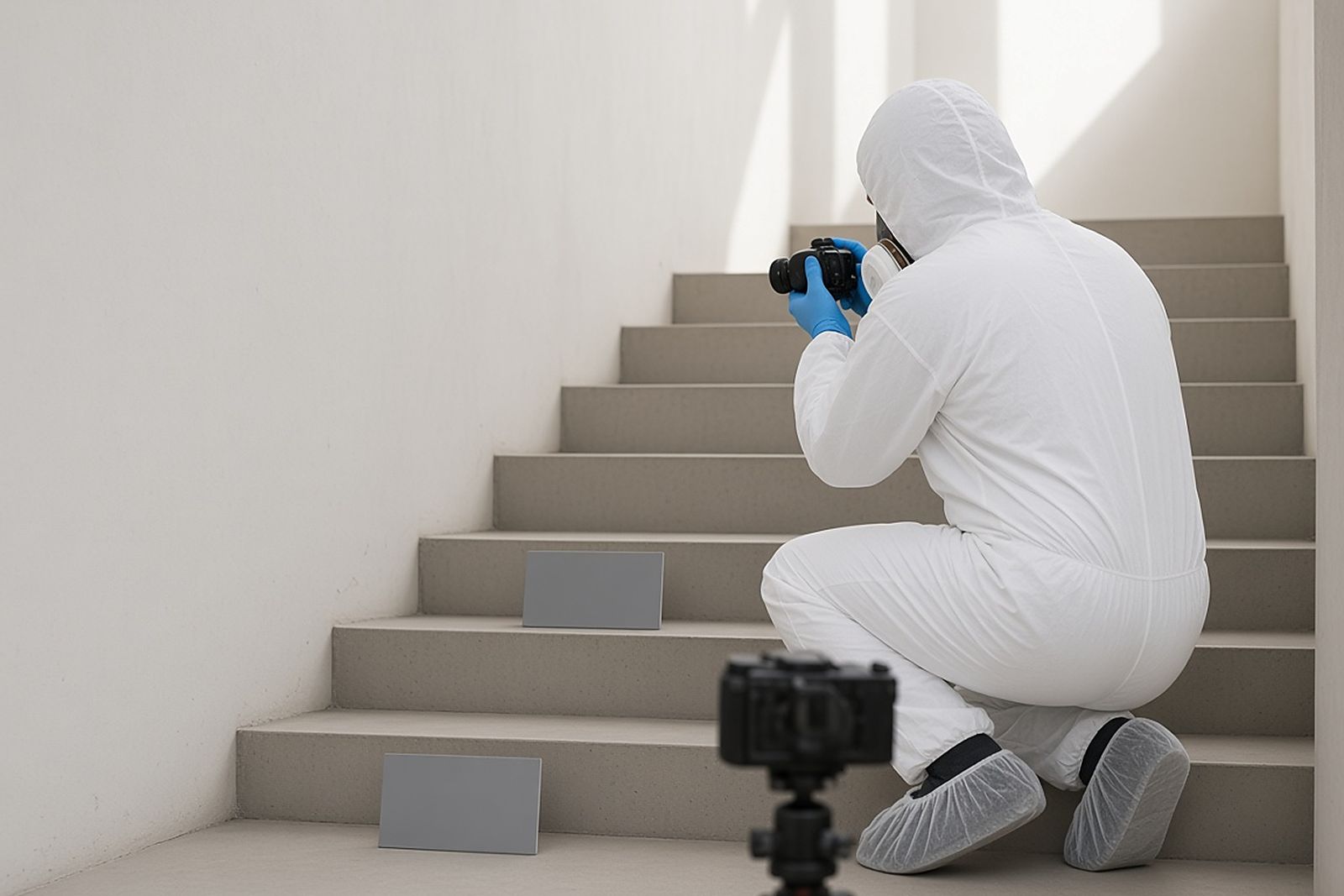
Facts worth knowing
Some people bereaved by homicide in a UK support programme said delays in closing their loved one's social-media accounts kept painful reminders coming.
Why it matters: When you feel ready, you may want to ask each platform how to close or memorialize the account.
In interviews with 18 people in Germany who lost someone to suicide, some said others with a similar loss understood them without long explanations.
Why it matters: If explaining yourself is tiring, you may find a suicide-loss support group easier than talking with people who have not been through it.
The CDC says washing hands with soap cuts the number of people who get sick with diarrhea by 23% to 40%.
Why it matters: Wash your hands with soap after any cleanup or contact with a contaminated area.
DIY or Call a Pro? Risk Check questions for homicide cleanup
Is there any homicide scene small enough for a family to clean safely?
Rarely. The risk check will tell you when it thinks a scene is small enough. But even a small scene involves regulated waste, knowing how to handle possible evidence, and emotional strain. Most people underestimate all three. If the result comes back low and you still choose to go ahead, follow every safety step it lists. Stop the moment the contamination turns out to be bigger than expected, which is what usually happens.
I am a landlord with a maintenance team. Can they do it?
Having employees clean up blood and other body fluids that can carry disease brings duties under the OSHA bloodborne pathogens standard (29 CFR 1910.1030). These include training, protective gear, offering vaccines, and steps to follow after exposure. Regulated waste rules also apply. Most property businesses are not set up for this. The risk check treats employee involvement as a major factor. Check your duties with the local authority.
Why does the check ask whether the property was held for several days?
Because time changes the scene. Fluids soak deeper into floors and walls. Odor builds, and insects may show up. All of this pushes the work toward removing parts of the structure and removing the source of the odor. Household methods cannot do that. A long hold is one of the clearest signs that professional cleanup is needed.
What if I want to be involved but the check says to hire a company?
There are real ways to help that do not involve going into the scene. You can lead the search for a company using the vetting checklist. You can review the list of belongings or handle the insurance organizer. You can work with a victim advocate or oversee the rebuilding afterward. Companies usually welcome an involved family contact. These tasks protect the family as much as cleaning would.
Does the check consider the emotional risk of cleaning a family member's death scene?
It names that risk, because it is real and often underestimated. The physical and legal factors decide the risk level. But the explanation notes that people who clean a loved one's death scene often describe lasting distress. Choosing a company is not a failure to honor the person. It is a way to keep your memory of them separate from the room.
Should I take the check again if circumstances change?
Yes. You may learn that the scene reached more rooms, that fluid reached the flooring, or that the property sat closed longer than you thought. If so, the result may change. Taking the check again with new answers can confirm whether professional help is needed. It is also useful after a company's assessment, since you may understand the scene better than you did at first.
Can the check help me explain our decision to relatives who want to clean?
It can. Sharing the result gives relatives a calm, practical reason for choosing a professional. That may feel less personal than simply saying no. Go through the questions together if that helps. Many relatives who want to clean are acting out of love. So pair the result with other ways they can help, such as gathering keepsakes after the work is done.
Related community polls
Vote to see how other people answered. You can change your answer at any time.
What was hardest to arrange after the scene was released?
When did you first learn that a victim compensation program might help?
Other homicide cleanup tools
Cost Range Estimator
Set the affected area, surface types, severity and extras to see a rough cost range and what pushes it up or down.
OpenCompany Vetting Checklist
Fifteen questions to ask any cleanup company, a score that shows how ready you are to hire, and a list of what is still unanswered.
OpenInsurance Claim Organizer
A guided checklist from finding the policy to tracking the insurer’s decision, with a printable summary of where the claim stands.
OpenFirst 24 Hours Planner
Tell the planner a few facts about the situation and get an ordered list of who to call, what not to touch, and what to photograph.
OpenWaste & Disposal Classifier
Five questions about the material point to the likely waste category and which authority to confirm the rules with.
OpenMore on homicide cleanup
Homicide Cleanup services
Learn what homicide cleanup involves for families, estates, and landlords. Topics range from sealing off several rooms to lists of belongings and final records.
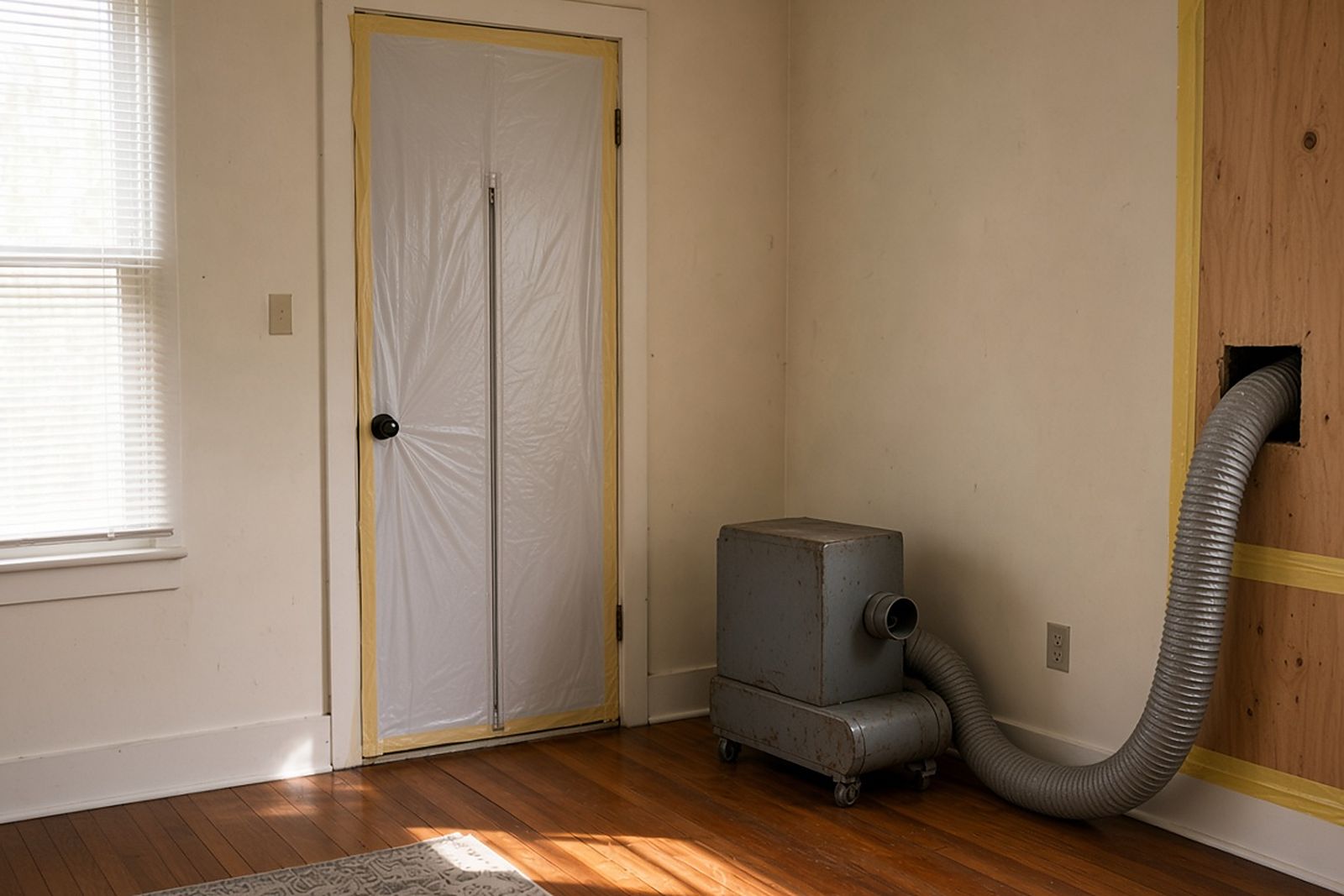
Costs explained
What drives the price, published cost ranges, and how to read a written quote line by line.
Insurance and payment
Which policies may respond, how to document a claim, and what to do if coverage is denied.
Community polls
Shared experience from families, advocates, and landlords on what was hardest after a homicide and what help mattered.
Knowledge quiz
A calm review of police holds, authority, sealing off work areas, disinfecting, waste, and records. The study guide is written for grieving families and the people helping them.
Articles and resources
Articles on the family and landlord side of a homicide. Topics include release timing, belongings, privacy, compensation programs, disclosure, and renting a unit again.