Free homicide cleanup tool
Homicide Cleanup First 24 Hours Planner
Tell the planner a few facts about the situation and get an ordered list of who to call, what not to touch, and what to photograph.
The first day after a homicide investigation ends can be confusing. A detective calls to say the property is released. Suddenly a family or landlord who was kept out for days is expected to decide what to do. And it may be a place they cannot bear to see. This planner turns that moment into a list in order. You answer a few questions about the facts right now. Has release really been confirmed? Is anyone living in or near the space? Is there an odor? Were sharp objects or bullet debris mentioned? Are pets involved? Is the property a rental? The result tells you who to call, what not to touch, and what to photograph. It puts these steps in the order that protects people first.
The planner knows that the person using it may be an advocate, a relative, or a manager, not the person closest to the victim. The list can be handed to that helper. If the scene is not yet released, the list is short. It focuses on getting a case contact, asking whether someone can walk you in for essentials, and preparing papers you will need later. If the scene is released, the list covers more. It includes confirming who has authority and contacting a victim advocate. It also covers notifying insurers and the compensation program, and protecting neighbors in shared buildings. It advises not going in until a company has checked the space. Each step is meant to be done calmly and then set aside.
How to use it
- 1Answer the questions with what you actually know. Choose unsure instead of guessing about release or hazards.
- 2Follow the action list from the top. The early steps protect people and confirm authority before anything to do with the property itself.
- 3Give each call to someone, since the list is made to be shared among family, advocates, and managers.
- 4Print or copy the list. Come back to the planner if release status, who is living there, or authority changes over the next few days.
Prefer to ask a person?
Your request is sent to the follow-up inbox. A coordinator can reply by email. Not for emergencies; call 911 first if anyone is in danger.
Plan the first 24 hours
Homicide Cleanup: first 24 hours planner
Answer a few questions and the planner orders the next steps. It does not dispatch help and cannot replace emergency services.
Your ordered plan (6 steps)
- 1
Keep people and pets out of the affected area
Close the door and keep the area sealed until a qualified provider assesses it.
- 2
Photograph from the doorway before anything moves
Take wide shots first, then closer shots of stains, damage and belongings. Do not step into the area to do it. These photos support insurance and estate records.
- 3
Report the loss to your insurer and get a claim number
Ask the adjuster whether they need to inspect before materials are removed, and whether they have a list of approved remediation providers. Coverage depends on the policy and the cause of loss.
- 4
Call a qualified remediation provider for an assessment
Describe what happened, the rooms involved, and any odor, fluids or sharps. Ask which OSHA standards apply to homicide cleanup and for proof of training and insurance before work starts.
- 5
Start a written log
Record who you spoke to, when, and what they said. Keep receipts for lodging, boarding, locks and any emergency purchases.
- 6
Look after the people involved
If a death or violent event is involved, victim assistance programs, hospice bereavement teams and the 988 Suicide & Crisis Lifeline can help. You do not need to manage this alone.
A worked example
Here is a made-up example. An adult son gets a call from a detective. His mother's condo has been released after a several-day investigation into her death. He has not been inside since, and he lives an hour away. The building manager has been fielding questions from neighbors. He opens the planner. He picks released, no one living there, and odor reported by the manager. He picks sharp objects unknown, no pets, and not a rental, because his mother owned the unit. The action list starts by telling him to write down the detective's name, the date, and the case number. It tells him to ask whether investigators might need to come back. Next it covers authority. His mother owned the condo alone. So it advises him to contact the probate court or a lawyer about being appointed and what he may approve in the meantime. It suggests calling the victim advocate on the case for help with the state compensation program and with neighbors and reporters. It tells him to ask the building manager to keep the hallway clear and the unit closed. No one should open windows, run the air system, or go in to get items. Photos should wait for the company, unless he can take them from the doorway. Finally, it points him to the vetting checklist, so the search for a company can start that day.

Facts worth knowing
EPA advises drying water-damaged areas and items within 24 to 48 hours to prevent mold growth.
Why it matters: Start drying right away or call for help quickly, because your window may be shorter in warm, humid weather.
In interviews with 15 grieving German adults, some valued company that came with no pressure to talk.
Why it matters: If you are supporting someone, you may help just by sitting with them; you do not have to find the right words.
In interviews with 18 people in Germany who lost someone to suicide, some said others with a similar loss understood them without long explanations.
Why it matters: If explaining yourself is tiring, you may find a suicide-loss support group easier than talking with people who have not been through it.
First 24 Hours Planner questions for homicide cleanup
The detective released the scene verbally. Is that enough to start?
Write down the name, agency, date, and time. Ask whether written proof is available. Spoken release is common. But a written note or email protects you if questions come up later. If any seal, notice, or tape is still there, ask the agency to remove it before anyone goes in. Rules vary by state and county, so check the release process with the agency.
Who is a victim advocate, and why does the planner suggest calling one?
Victim advocates are staff or volunteers who help crime victims and their families with practical matters. They often work with police departments or prosecutors' offices. They help with compensation forms, court information, and referrals. Sometimes they also help deal with reporters. Many families never hear about them. Ask the detective or the prosecutor's office how to reach one.
Can I go in to get a few personal items before the company arrives?
The planner advises against it, even when the space does not look very bad. Contamination at a homicide scene reaches farther than it seems. Sharp objects may still be there. Going in unprepared can also take a real emotional toll. Instead, ask the company to get certain items for you during its first visit to assess the home.
What should I tell neighbors or a building manager?
Keep it short and factual. Say that a professional crew will clean the unit and that the hallway may be closed off during the work. Say there is no ongoing danger to residents. Avoid details about the event. The building manager can pass on the same message. If reporters come by, simply saying you have no comment is enough. Anyone the family chooses can say it.
What if the property is a rental and the family and landlord disagree about what to do?
The planner keeps the two roles apart. The landlord usually controls the unit and approves the cleanup. The family usually controls the tenant's belongings. Most disputes come from mixing these up. Agree early on a way for the family to review belongings before anything is thrown away. Also agree on how the landlord will go ahead with the cleanup. Rules vary by state and county, so check with the local housing office.
What if the first 24 hours have already passed when I find the planner?
Start where you are. Many steps still help days later. These include naming a family coordinator, contacting a victim advocate, telling the insurer, and getting release in writing. Skip anything that no longer applies, and focus on the next practical task. Missing an early step rarely causes lasting harm. The planner can still help you organize what comes next.
Can the planner be shared with a friend who is helping us?
Yes. Printing it or sending it to a trusted helper can make it easier to split up tasks. These might include calling companies, finding a place to stay, or gathering essentials. Remove any personal details you would rather not share. Agree on who checks off each step, so work is not done twice. Let the helper know which choices still belong to the family or the property owner.
Related community polls
Vote to see how other people answered. You can change your answer at any time.
What was hardest to arrange after the scene was released?
When did you first learn that a victim compensation program might help?
Other homicide cleanup tools
Cost Range Estimator
Set the affected area, surface types, severity and extras to see a rough cost range and what pushes it up or down.
OpenCompany Vetting Checklist
Fifteen questions to ask any cleanup company, a score that shows how ready you are to hire, and a list of what is still unanswered.
OpenInsurance Claim Organizer
A guided checklist from finding the policy to tracking the insurer’s decision, with a printable summary of where the claim stands.
OpenWaste & Disposal Classifier
Five questions about the material point to the likely waste category and which authority to confirm the rules with.
OpenDIY or Call a Pro? Risk Check
Eight yes-or-no questions that produce a risk level and explain when professional help is the safer choice.
OpenMore on homicide cleanup
Homicide Cleanup services
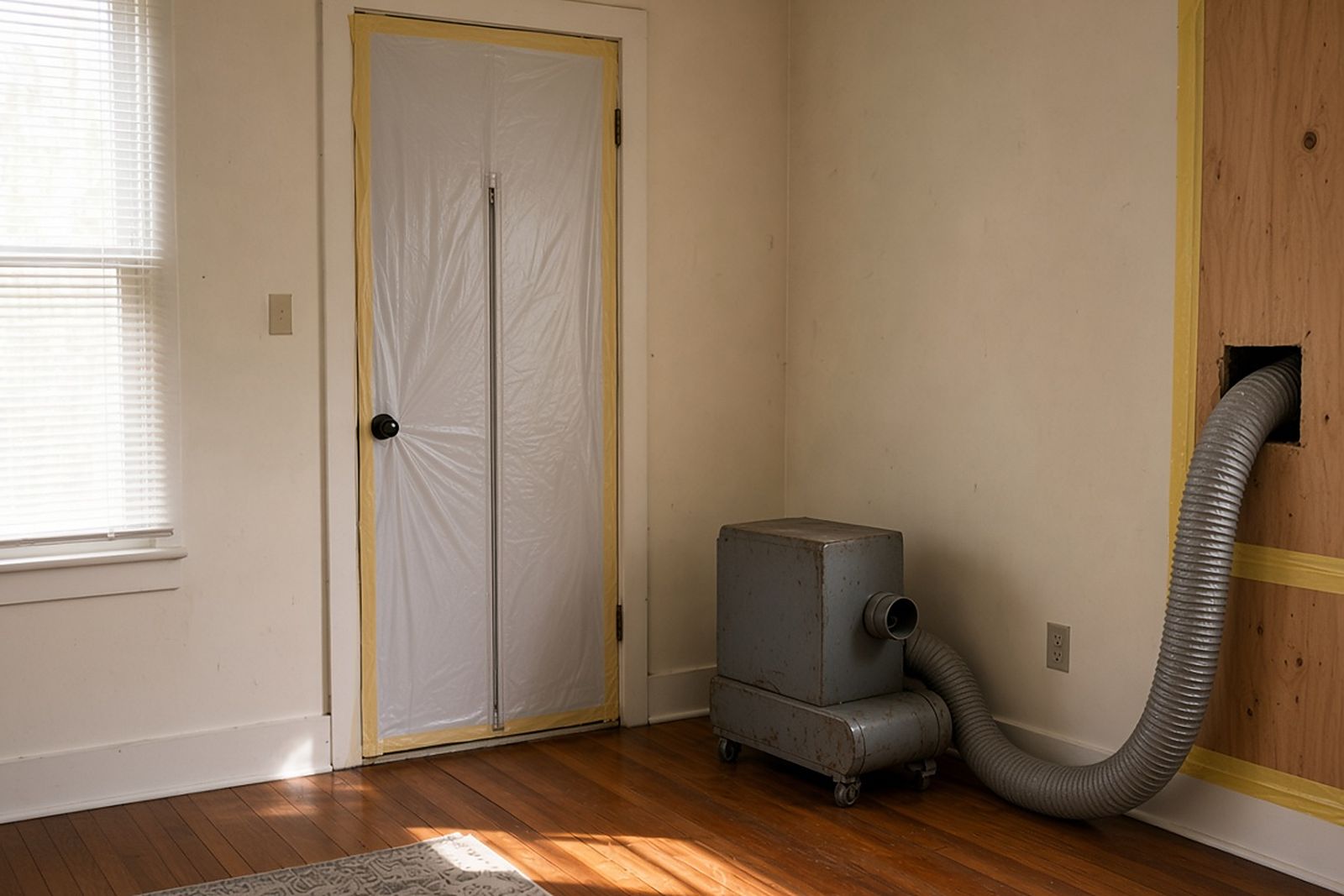
Learn what homicide cleanup involves for families, estates, and landlords. Topics range from sealing off several rooms to lists of belongings and final records.
Costs explained
What drives the price, published cost ranges, and how to read a written quote line by line.

Insurance and payment
Which policies may respond, how to document a claim, and what to do if coverage is denied.
Community polls
Shared experience from families, advocates, and landlords on what was hardest after a homicide and what help mattered.
Knowledge quiz
A calm review of police holds, authority, sealing off work areas, disinfecting, waste, and records. The study guide is written for grieving families and the people helping them.
Articles and resources
Articles on the family and landlord side of a homicide. Topics include release timing, belongings, privacy, compensation programs, disclosure, and renting a unit again.