Short answer
Break each bid into tasks and ask who does each one. Look at how the area is closed off, who opens up the machines, and how the crew works with your lockout program. Look at cleaning and disinfecting, how mixed waste is handled, the records and the schedule. A low bid often shifts work to your maintenance staff or skips sorting the waste. Weigh the cost of downtime and redo work, not only the invoice.
Why do cleanup bids for the same accident vary so much?
After a serious injury on your production floor, you want the area cleaned the right way and the line running again. Then two or three companies quote the job. The totals can be so far apart that you wonder if they saw the same scene.
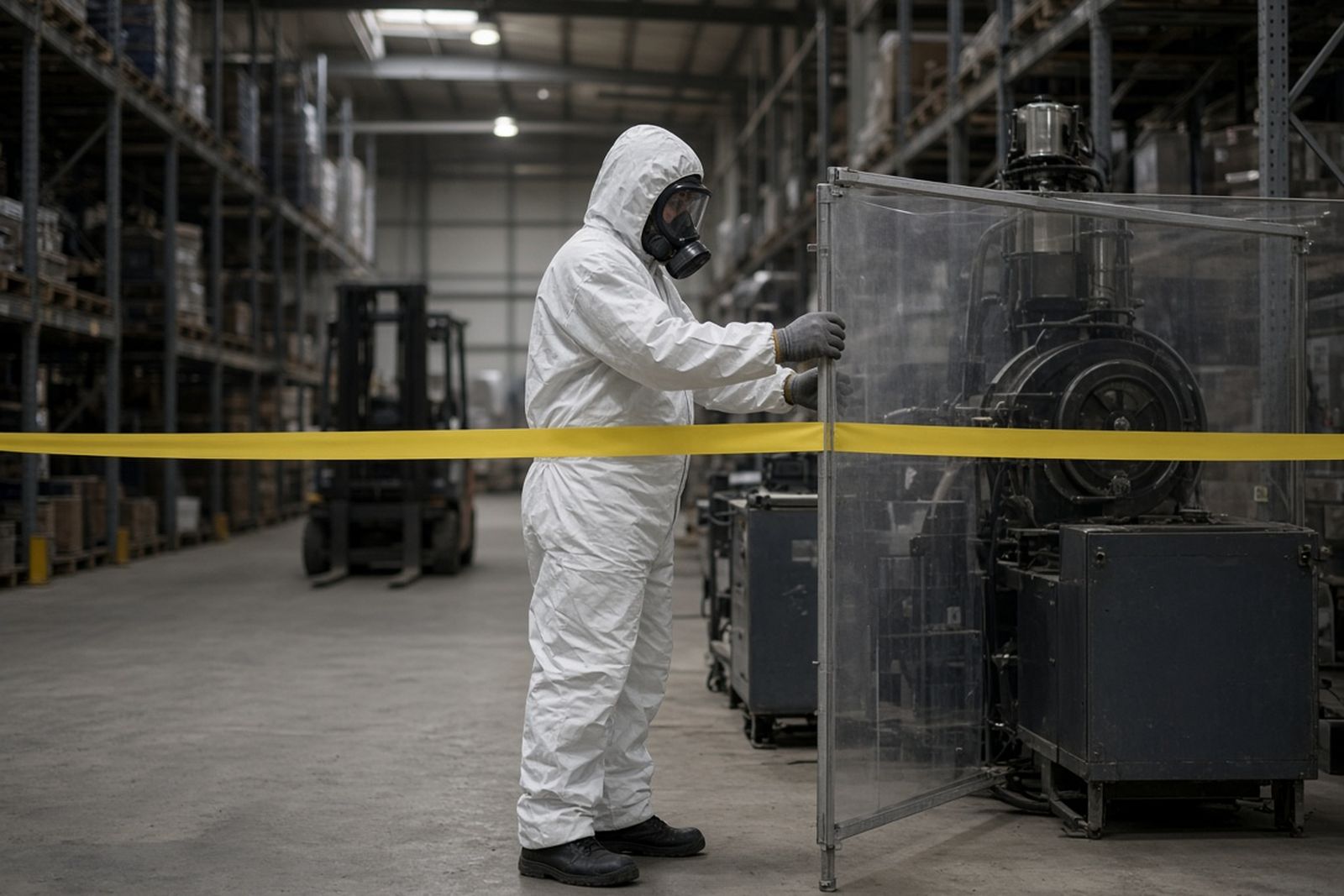
Usually they did. But each one plans to do different work. One company may plan to clean only the surfaces it can reach. It leaves taking guards off and putting them back to your maintenance team. Another may include opening the machine and cleaning inside the frame. It may include degreasing, packing oily waste and bloody waste apart, and a written report for your investigation file.
Your goal is not to find the lowest number. It is to learn just what each company will do and what you will still have to do yourself. Then you can see the true cost of each choice once you add downtime and your own staff's hours.
What a half-done cleanup costs your people
This choice affects people too. Your workers will come back to the spot where a coworker was hurt. If the cleanup looks unfinished, that return gets much harder. A stain in the floor grating or a smell near the machine is enough. The quality of the work shapes morale and trust, not only whether you met the rules.
Typical cost figures, and their limits
No single price is reliable, because accidents differ so much in size, difficulty and access. Published estimates meant for the public give you only a loose guide. Fixr's 2025 cost guide puts hazmat cleanup projects at a national average of about $4,000, with a typical range of $3,000 to $5,000 and extremes of $1,500 to $25,000. The same guide lists Biosafety Level 3 cleanup labor at roughly $50 to $150 per hour, versus $25 to $50 per hour for Level 1 work.
Treat those figures as background. They are not a yardstick for your plant. Large machines, food-contact rules, off-shift hours or chemicals can push a plant job well outside a general range.
What matters more is whether each bid shows how its price was built. Then you can compare labor, materials, equipment, waste disposal and extras on equal terms.
How to get bids you can really compare
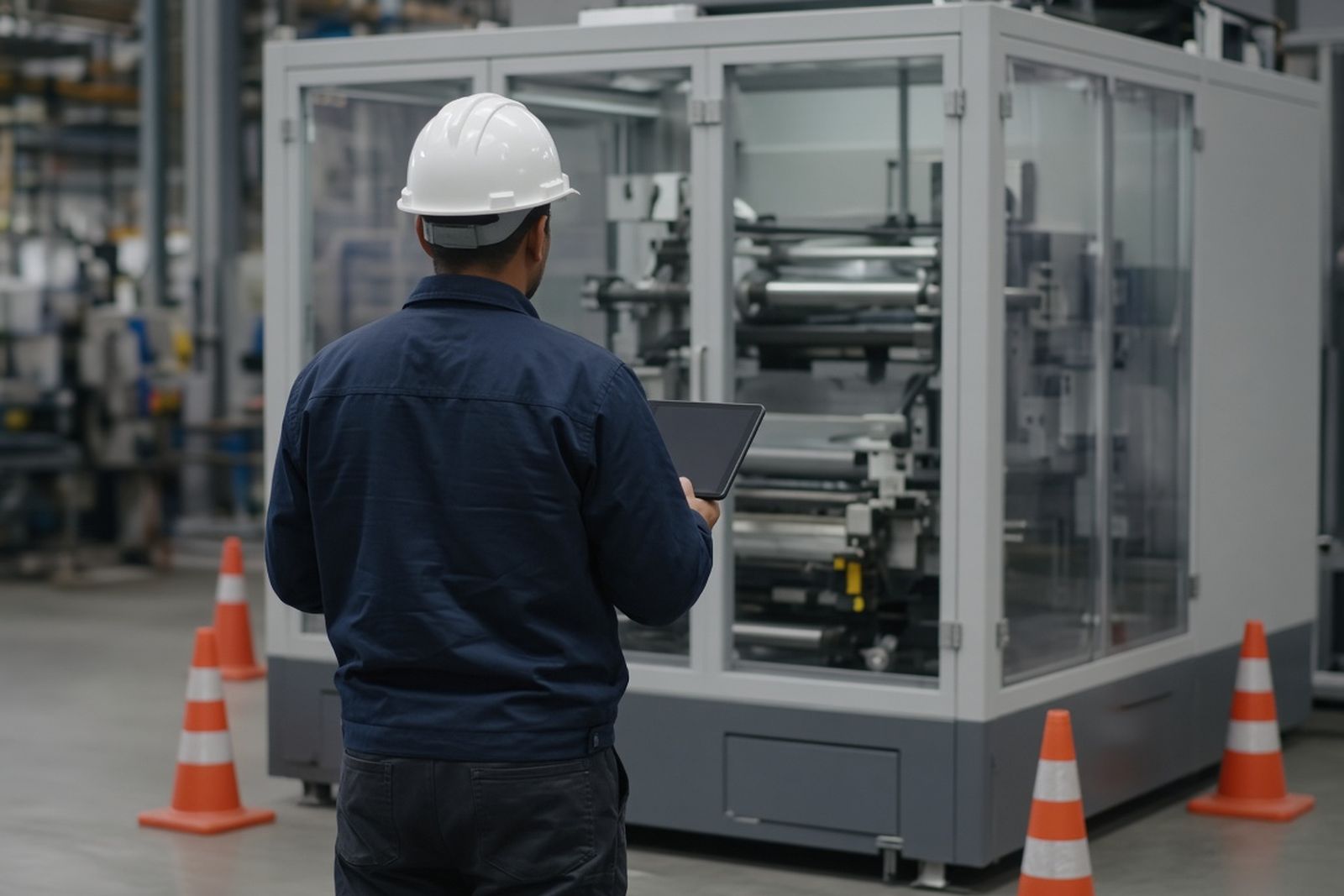
Give every company the same facts and the same walk-through. Tell them which equipment is involved and which fluids or chemicals got out. Tell them the limits on getting into the area, any food safety or cleanroom rules, and the schedule you would like.
Ask for a line-by-line answer. Then build a table and mark each item as included, left out or billed apart. Much of the price gap comes from items one company includes and another expects you to handle.
Hold the walk-throughs close together if you can. Have the same person from your team lead each one. That person can give every bidder the same answers. That person will also notice when one company asks about something the others missed, such as a trench drain under the equipment or a mezzanine above it.
- Closing off the area and protecting nearby lines or product.
- Working with your lockout steps, and who puts on the locks.
- Taking off and putting back guards, panels or covers.
- Cleaning inside machine frames, under conveyors, and in floor grating or trenches.
- Degreasing where blood is mixed with oils or coolant.
- Disinfecting with named products, and how long each must stay wet.
- Cleaning drains, sumps or trench covers.
- Sorting, packing and disposing of each kind of waste.
- A written report with photos and waste records.
Why does getting inside the equipment change the price so much?
Blood and fluids on a machine rarely stay on the outside. They run into frames, under belts, behind guards and into electrical boxes. Reaching those spots takes time. Often the machine must be partly taken apart.
A lower bid may leave that out. Then either the mess stays inside the machine, or your maintenance staff must open it up and wait while the crew cleans. Those staff hours are a real cost. They also pull your maintenance team away from repairs and restart work.
Ask each company how it will reach hidden areas. Ask who will take the machine apart and put it back together. If your maintenance team will do it, add their hours to your comparison. If the company will do it, confirm that it will follow your lockout steps. Also confirm that the machine will be inspected after it is put back together and before restart.
How the bids handle waste
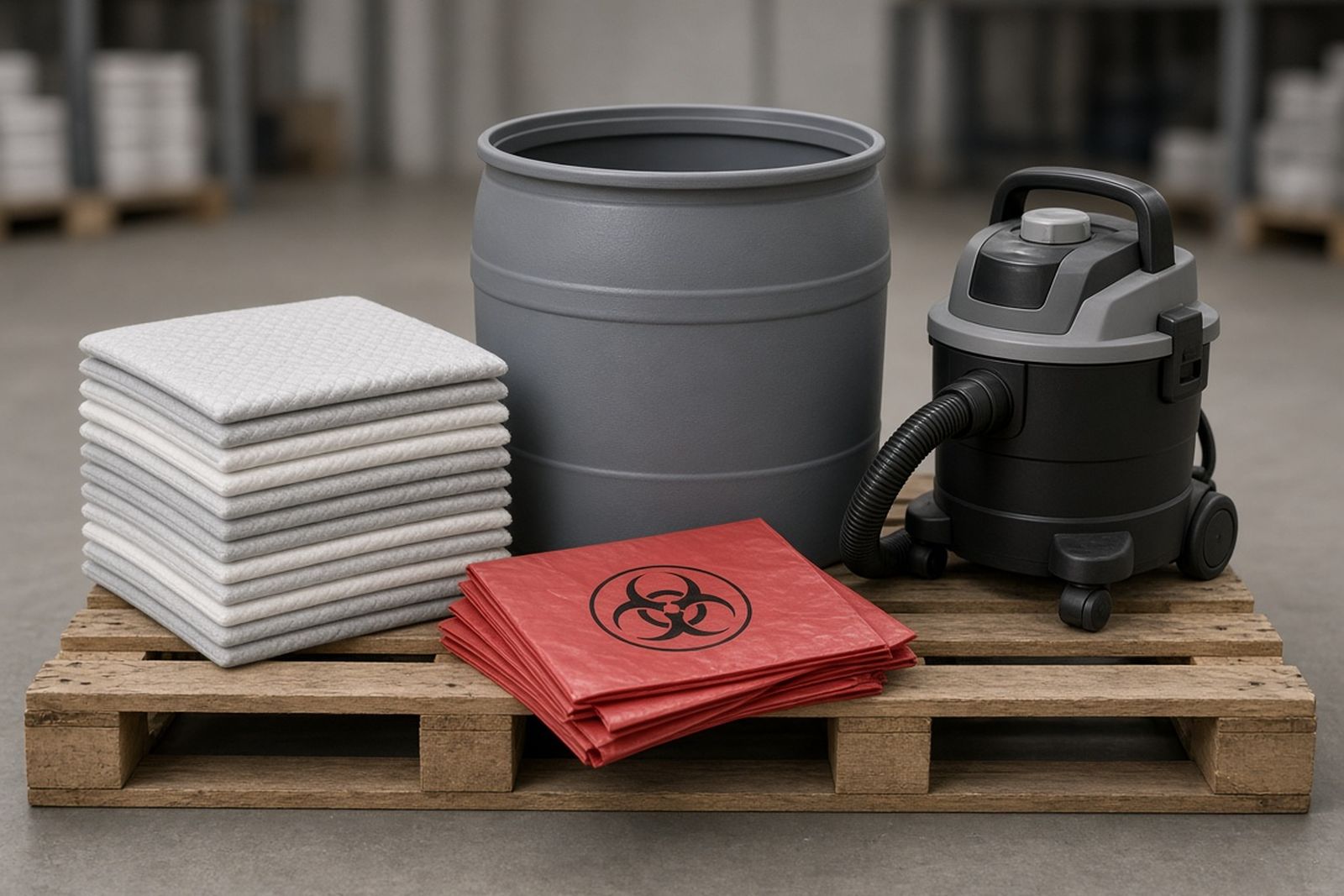
A plant accident often leaves more than one kind of waste. Bloody absorbents, wipes and protective gear may count as regulated medical waste under your state's rules. Oil-soaked materials may need to be handled as used oil. Or they may need to be tested to see if they are hazardous waste, depending on what is in them. Damaged product or packaging may have to go somewhere else again.
A cheaper bid sometimes lumps everything into one waste load. Or it leaves disposal for you to arrange. Mixing waste types can break the rules, and it may cost more to fix later.
Ask each company how it will keep waste types apart. Ask which haulers and disposal sites it uses and what records you will get. Have your environmental or safety staff read this part of the bid closely.
How should downtime count in your choice?
For most plants, the cleanup invoice is not the biggest cost of an accident. The biggest cost is the time the area or line is down. A company that can start sooner, bring a larger crew or work overnight may cost more on paper. It can still be the cheaper choice overall.
Ask each company for an honest schedule. When can it start? How many workers will it send? How long should each phase take? Ask what could stretch the timeline, such as hidden blood or a wait for waste pickup.
Be wary of a schedule that looks too short. Cleaning around machines takes time. So does keeping disinfectant wet for as long as the label says, and so does sorting waste. A rushed job that has to be redone costs you more downtime in the end.
Restart steps belong in the schedule
Count your restart steps as part of the schedule. A food plant may need its cleaning checked before production starts again. Some equipment needs an inspection after the guards go back on. Your investigation team may want a last look before the area reopens. A company that understands those steps can plan the work around them, so they do not turn into extra delays.
Two warehouse bids side by side: an example
This example is made up to show how bids differ. At a distribution warehouse, a worker on foot is badly hurt when a forklift hits a rack upright. Blood reaches the floor, the lower rack beam and several pallets of packaged product. It also reaches the forklift's mast and forks. Hydraulic fluid has leaked from the damaged forklift too.
The operations manager gets two bids. The lower one covers cleaning and disinfecting the floor and the rack beam. It says the forklift and the product are the customer's job. It does not mention the hydraulic fluid or sorting the waste.
The higher bid covers more. The crew will clean and disinfect the forklift's mast, forks and driver's area after the fleet technician locks it out. It will keep the hydraulic-fluid absorbents apart from the bloody materials. It will inspect and record the affected product so the company can decide what to throw out. And it will write a report with photos for the investigation and insurance files.
The manager then adds up what the low bid leaves out. There is staff time to clean the forklift. There is the cost of arranging waste disposal. There is the risk of handling the mixed waste the wrong way. The gap between the bids shrinks. The manager picks the fuller bid and asks the company to work directly with the fleet technician.
Seven signs a bid is low for the wrong reasons
A lower price can mean a company really does work more efficiently. It can also mean missing work, weak safety habits, or costs that will show up later as change orders.
If a bid shows several of the signs below, ask the company to walk you through how it would handle the hardest part of the scene.
- It does not mention working with your lockout steps or getting inside the equipment.
- It treats all the waste as one load.
- It names no disinfectants or degreasers, and no wet times.
- It leaves out work that shifts a lot of effort to your staff, without saying so.
- It includes no records or report.
- It gives vague answers about worker training, respirator fit testing and protection from bloodborne germs.
- Its schedule seems too short for the work described.
What goes into the contract
Put what you agreed in writing. That means the work to be done, what is left out, the schedule, the waste handling, the records and how change orders work. Require the company to follow your site safety rules and lockout steps. Confirm its insurance before work starts.
Keep every bid and your comparison notes with the accident file. Later, your leaders, an insurer or an inspector may have questions. You can then show how and why you made the choice.
Rules for sorting, hauling and disposing of waste differ by state. Your state environmental agency can help confirm how each kind of waste should be handled.
After the job, hold a short review with the company and your safety lead. Compare the final invoice with the bid you accepted. Talk through any change orders, and note what went well. If the company was a good fit, think about a standing agreement. Then the next accident does not start with another round of bids under pressure.