Direct answer
What should a property decision-maker know in Newport Beach, CA?
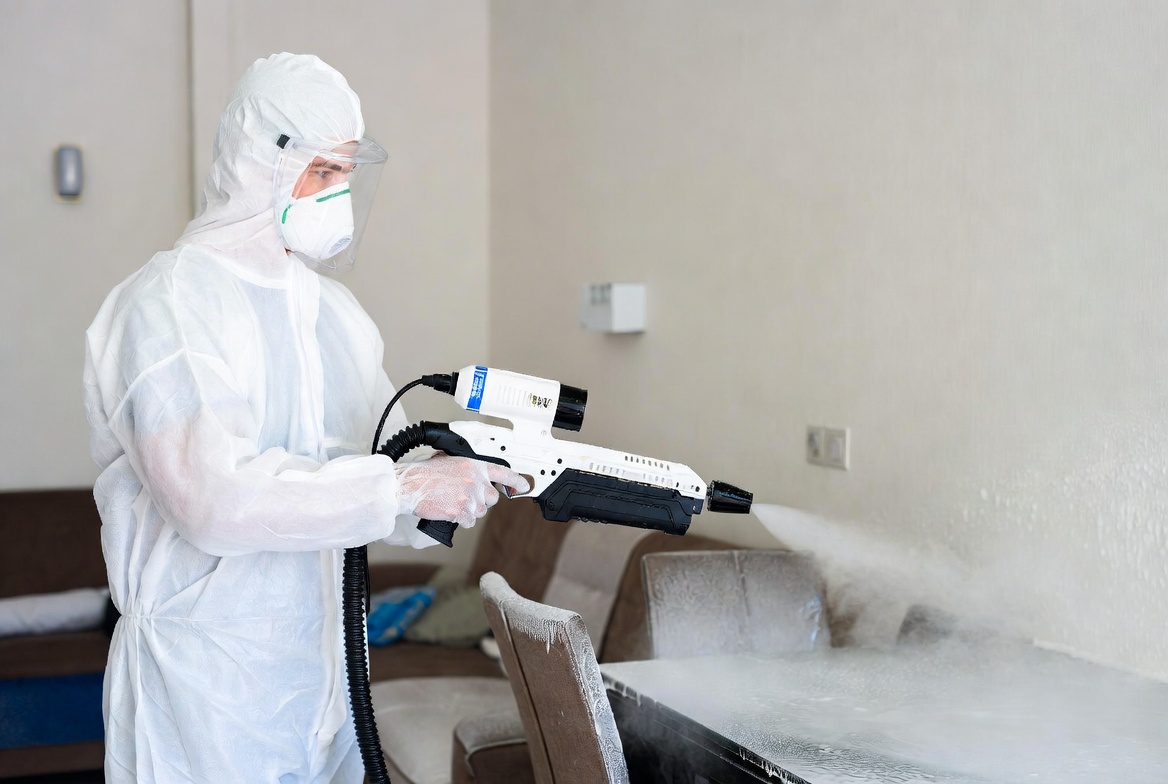
Harbor-adjacent homes, yacht-club facilities, and coastal offices in Newport Beach need infection-control scopes built on cleaning before disinfection, organism-specific labels, and occupancy planning—without treating List N as universal coverage.
This Newport Beach, CA page is an educational infectious disease disinfection planning guide. It does not claim a brick-and-mortar office, local crew roster, or promised response time in Newport Beach.
Editorial guide · Biohazard Remediation NetworkUpdated 2026-07-22Location focus: Newport Beach, CA
Local planning context
Newport Beach properties often link waterfront living with club amenities: dock gate keypads, valet or member drop-off counters, shared restrooms near marinas, locker rooms, and dining spaces that cycle many hands during weekend race traffic. After an enteric illness event tied to a gathering space, high-touch mapping should follow the real path from parking or valet stand to restroom to seating—rather than fogging an empty dining room while dock carts and railings remain untreated. Orange County Health Care Agency is the local public-health contact for community guidance; it does not issue sterilization certificates for private clubs.
Salt air and sunny glazing lead many homes to run continuous climate control. That pattern matters for re-entry and odor after disinfectant use. Plan vacancy that respects labeled contact time, then ventilate as the SDS allows before staff or family return. Soft outdoor cushions brought indoors, boat-bag fabrics, and locker-room textiles frequently fall outside hard-surface disinfectant claims and need laundry or isolation decisions written into the scope—especially when members shuttle sandy gear from docks into dining rooms the same afternoon.
Commercial corridors along Newport Center and Coast Highway add office and medical-adjacent suites. Keep residential and club environmental disinfection distinct from healthcare device processing. If blood or other potentially infectious materials appear in a first-aid or injury cleanup, apply OSHA bloodborne pathogens planning for workers. For respiratory or gastrointestinal surface concerns, stay with clean-then-disinfect methods and honest organism claims, including clear statements that List N addresses SARS-CoV-2 pathways rather than every microbe.