Short answer
Before you hire, ask if the company holds the certification your state requires. Ask who takes the samples, whether that person is independent, and which clearance standard the work must meet. Then ask how it chooses between washing and removal, how it handles the heating and cooling system and the plumbing, and what happens if a test fails. Last, ask what the price includes, what insurance it carries and what records you will get.
Why hiring for meth lab cleanup is different
Meth residue is invisible. The rules for it change from state to state. And the only proof that the job is done is a lab result. Put those three together and it is easy for you to be oversold, undersold or just confused.
State rules differ widely. Some states have laws written just for meth labs. Others cover secret drug labs of any kind. Some have no cleanup law at all. Where there is no law, the questions you ask matter even more.
The ten questions below help you find out three things. Does the company know the rules at your address? Is its process built around results that can be measured? Will you get the records you need to rent, sell or refinance the property later?
Ask them before you sign anything. Ask every company you are thinking about hiring. When the answers differ, that often explains why the prices differ.
Questions 1 and 2: certification and who takes the samples
Some states require meth cleanup companies to be certified or licensed by a health or environmental agency. Others do not. Ask what credential the company holds, which agency issued it and whether it is current. You can often check the answer on the agency's website.
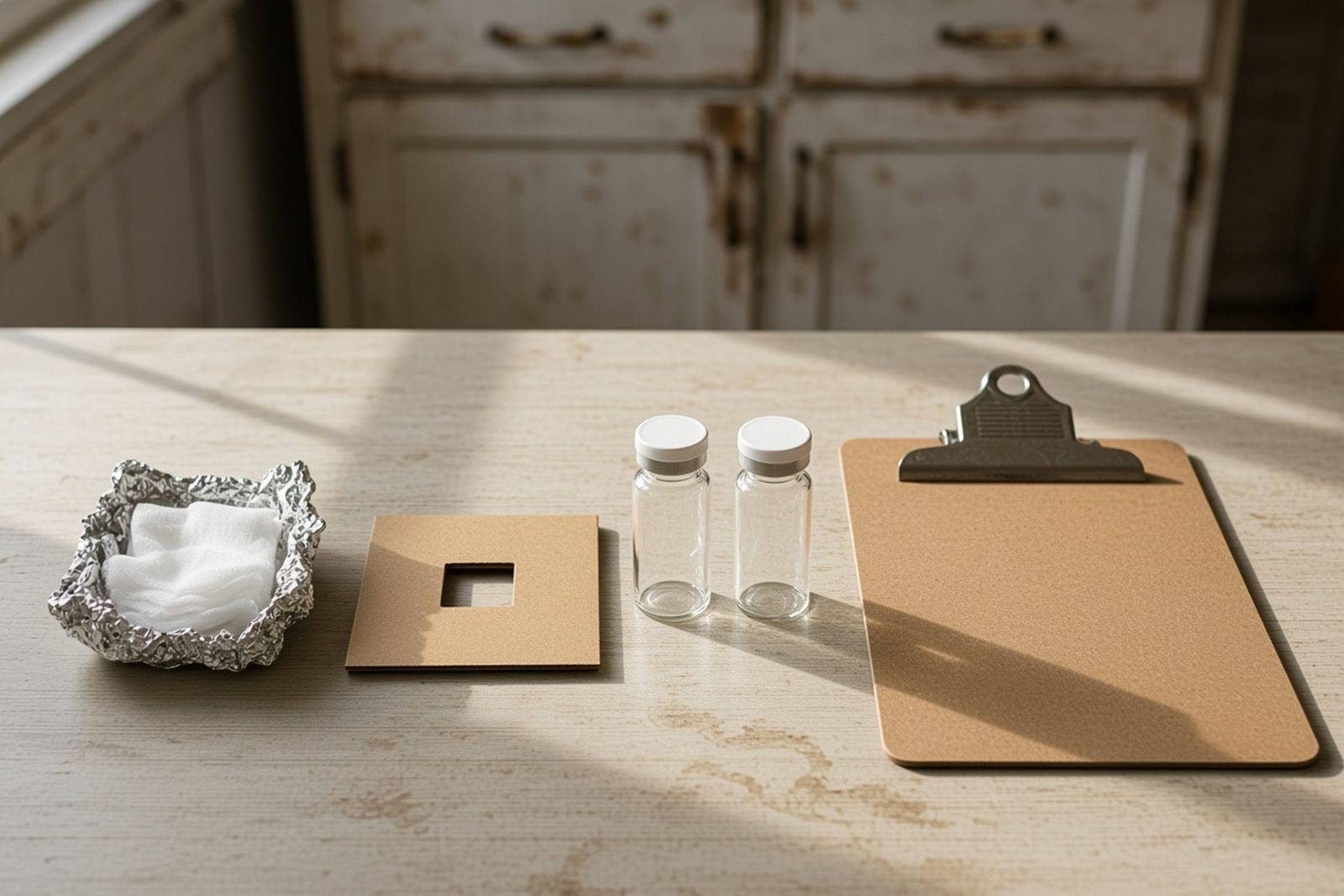
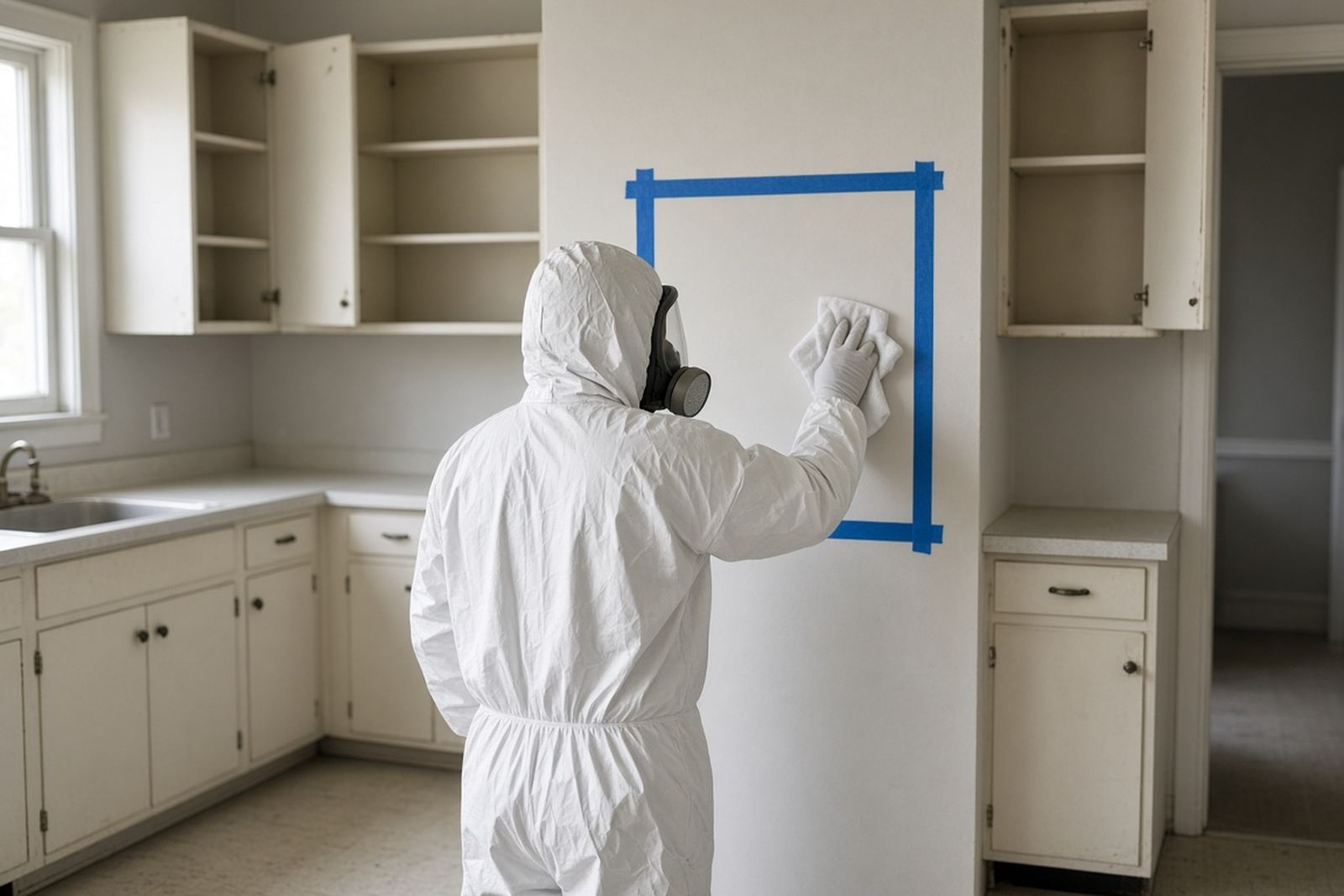
Then ask who will take the samples, both the first ones and the final clearance ones. Clearance samples are the tests that show whether the cleanup worked. Some places require a sampler who is independent of the cleanup company. That way the company doing the work is not the one grading it. Where that is not required, many owners still prefer it for the same reason.
Ask which lab will test the samples and whether it is accredited for meth analysis. Ask to see a past report with the private details removed. Then you know what you will receive.
Your state health department may have a drug-lab or clandestine lab program. Where one exists, it can tell you which setup applies before you hire anyone.
Question 3: the number the cleanup must reach
Every cleanup plan should name the number it is trying to reach. This is the clearance standard. It is usually given as micrograms of meth per measured area of surface.
Standards differ. Washington State's Department of Health says its methamphetamine decontamination standard is 1.5 µg per 100 cm², which the state reports was based on negative health effects found in people. Other states use lower numbers, and some have none. Can the company tell you which standard applies to your property, and where it comes from? If not, it is not ready to quote the job.
If your state has no standard, ask which reference the company plans to use and why. Federal voluntary guidelines are a common starting point. Make sure the chosen standard is written into the contract.
Question 4: washing vs removal
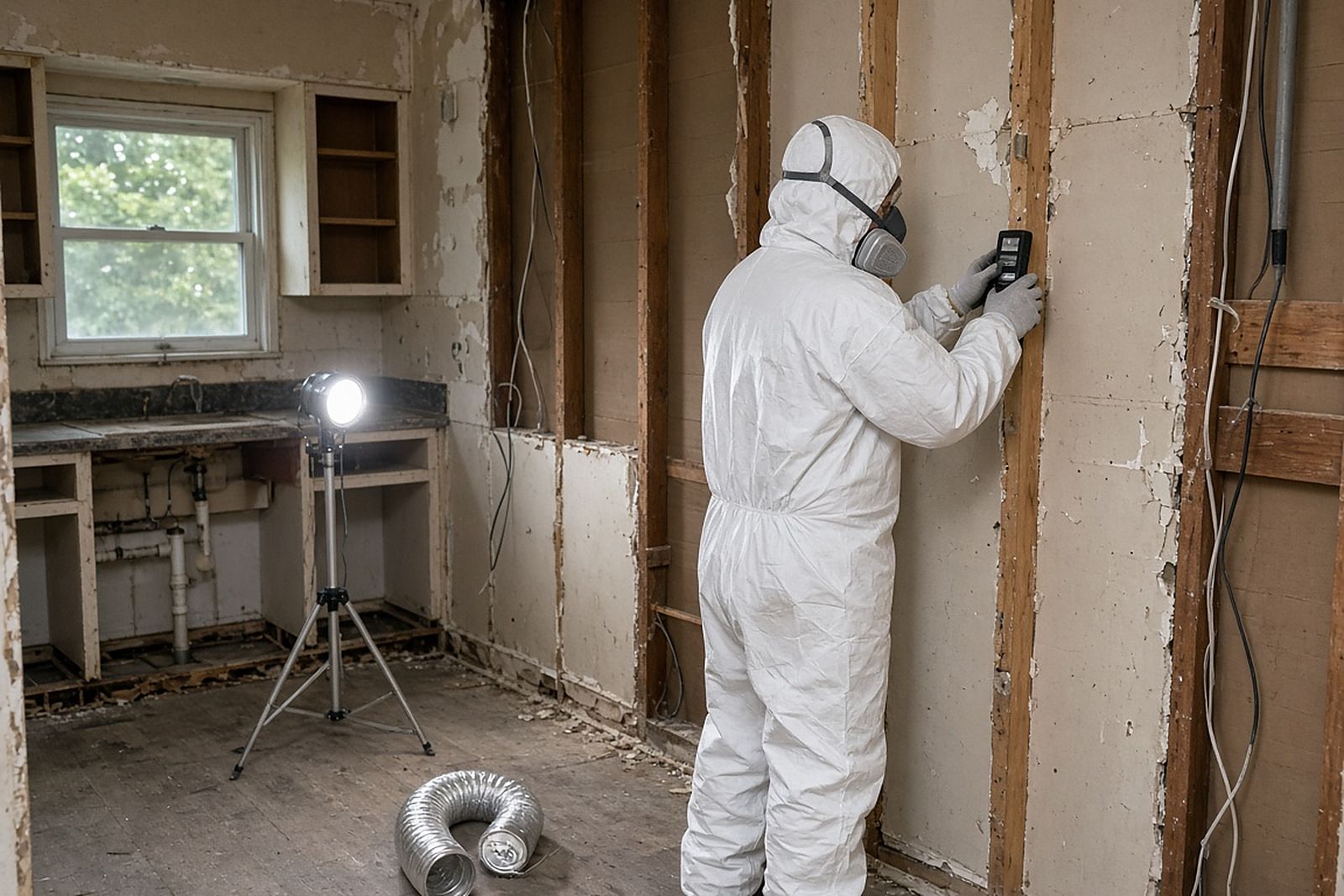
Hard, smooth surfaces can often be washed until they pass. Soft or absorbent materials may not. That means carpet, pad, insulation and sometimes drywall. Ask how the company decides. Does it go by the first test results for each room? Will it explain each removal choice in writing?
A company that wants to remove everything, no matter the results, may be overcharging you. One that wants to wash everything, even soaked carpet, may be setting you up for a failed clearance round.
Question 5: heating, cooling and plumbing
Next, ask how the company handles the heating and cooling system (HVAC) and the plumbing. Residue can travel through ducts to rooms far from the source. Chemicals poured into sinks and tubs can linger in traps and drains. The plan should say what will be inspected, cleaned or replaced in each system.
Ask whether the cleanup crew will do the duct work or a separate duct company will. Ask who is responsible for testing the system afterward.
Question 6: What happens if the final test fails?
This is one of the most important questions, and many owners forget to ask it. If samples taken after the cleanup come back above the standard, someone has to clean again. Someone also has to test again.
Ask whether extra cleaning is included in the price, billed at a set rate or quoted separately. Ask who pays for the second round of sampling. Get the answer in writing.
A company that trusts its process may include one re-clean at no extra charge. One that is vague here may be pricing low now and planning to make it up later.
Ask, too, how long the property will sit between the first clearance try and the second if a room fails. Every extra week can mean lost rent or a delayed closing. So the timeline matters as much as the cost.
Question 7: What exactly does your price include?
A single total tells you almost nothing about a meth cleanup bid. Two companies can reach similar numbers while planning very different work. They can also reach very different numbers for nearly the same work. The only way to see the difference is to break the bid apart.
Ask for an itemized estimate that lists each piece of the job on its own line. Ask the company to tie each removal item to a test result or to something it saw on site. The items below are common, though not every property needs all of them.
Once you have the list, ask what it assumes. How many rooms were priced for removal, and which ones? How many square feet of drywall? Does the price assume the property is empty of furniture and belongings? Answers like these let you compare bids fairly. They also help you see why a change order, a written change to the work or the price, might show up later.
- First inspection and sampling, if the company is allowed to provide it.
- Plastic barriers around the work area, protective gear and site security.
- Vacuuming with a fine-dust (HEPA) filter and detergent washing, including the number of passes.
- Removal and disposal of soft or absorbent materials, listed by room.
- Heating, cooling and plumbing work.
- Sealing surfaces with a coating (encapsulation) where allowed.
- Clearance sampling and writing the report.
- What is left out, such as rebuilding, painting and replacing your belongings.
Questions 8, 9 and 10: insurance, records and references
Question 8 is about insurance. Ask for proof of two kinds: general liability and workers' compensation. Meth residue is a chemical contaminant, so ask one more thing. Does the company carry pollution or environmental liability coverage? Standard general liability policies may leave out pollution claims. Call the insurer named on the certificate to make sure the policy is active.
Question 9 is about records. Ask what the final package will include. At a minimum, expect the first sampling report, the written work plan, photos and waste disposal records. Expect the clearance report too, with chain-of-custody forms that show who handled each sample. If your area requires the report to be filed with an agency, ask whether the company handles that.
Question 10 is about references. Ask for contacts from recent jobs. Property managers or owners with similar properties are ideal. Ask them whether clearance passed on the first round and whether the final invoice matched the estimate.
Three bids, compared
Here is an example for illustration, not a real job. A landlord gets three bids to clean a rental house. The first tests found residue above the state standard in several rooms.
The lowest bid includes one wash and no drywall removal. The company's own staff would do the clearance sampling. The highest bid removes all drywall and flooring in the whole house, no matter the results. The middle bid ties each removal to a specific test result. It includes two washes, uses an independent sampler for clearance and includes one re-clean if a room fails.
The landlord calls references for all three. One reference for the lowest bidder mentions two failed clearance rounds and a final bill well above the estimate. The landlord picks the middle bid. The details are made up, but they show how the answers to these questions can matter more than the headline price.
Warning signs that should keep you looking
Be careful with a company that cannot name the standard that applies. The same goes for one that offers to skip sampling or wants to paint over walls instead of cleaning them. Watch for one that will not put its re-clean policy in writing. And watch for one that pushes you to let people move back in before clearance.
Take your time. It is fine if a former lab sits empty for an extra week while you choose the right company. That is far better than people moving back in before it is truly clean.
If you are buying the property and do not own it yet, ask your real estate attorney whether these questions should be answered before closing. The cost of cleanup, and how certain it is, can fairly shape the price you offer and the conditions you include.