Short answer
Compare bids by the work they cover, not by the total. Check that each bid follows your state program and includes a written work plan. Check that it removes soft, absorbent materials, cleans the heating and cooling system and spells out wash cycles and any sealing. It should also cover independent clearance sampling and what happens if a room fails. A cheaper bid that skips any of these may cost you more if the property does not pass.
Why the bids you get vary so widely
If you ask several companies to quote the same former meth property, you will often see large gaps. Those gaps usually come from different ideas about what the job needs. One company may plan to wash walls once and paint. Another may plan to remove carpet, drywall and ductwork and wash hard surfaces several times. It may also clean the heating and cooling system (HVAC) and get the property ready for independent clearance testing.
The goal of meth cleanup is not just a house that looks cleaner. In states with meth programs, the goal is usually a property that passes clearance sampling, the final test, and can be released for people to live in. A bid that does not aim for that goal cannot be compared directly with one that does.
Published figures show the range of possible costs. Ohio's health department reported in 2016 that Oregon experience showed average meth lab cleanup costs of $6,500 per 1,000 square feet plus a $1,400 up-front assessment. That is an older figure from one state, not a quote for your property. But it shows that the assessment and the cleanup are often priced separately.
What every bid should spell out
Ask each company for an itemized written list of work tied to your property's sampling results. A bid based on a quick look without data is a rough guess. Low and high meth cleanup bids most often differ on the items below.
- Basis for the bid: which sampling report or assessment the work answers.
- State program rules: certification, and writing and filing the work plan where required.
- Removing soft, absorbent materials: carpet, pad, drywall, insulation, window coverings and upholstered furniture.
- Cleaning hard surfaces: the number of wash and rinse cycles, the products used and the surfaces covered, including ceilings.
- Heating and cooling: cleaning or replacing ducts, the air handler, filters and registers.
- Plumbing: inspecting or cleaning traps and drains where waste may have been poured.
- Sealing (encapsulation): whether surfaces will be sealed after cleaning, and when that is allowed.
- Clearance: who does the final sampling, whether its cost is included and what happens if a room fails.
Why does the bid need to match your state's program?
Meth cleanup rules differ a great deal by state. Some states have no law at all on cleaning up properties contaminated by controlled substances. Others have detailed programs with certified contractors, required work plans and set clearance standards.
A bid that ignores your state's rules may be lower. But the work might not get your property released. Ask each company whether it is certified or licensed under your state's program. Ask whether it will write and file the work plan and whether its methods follow the state's guidance.
Your county health department or the state drug-lab program can often tell you what the program requires and which companies are recognized.
Removal and wash cycles: where the gap often lies
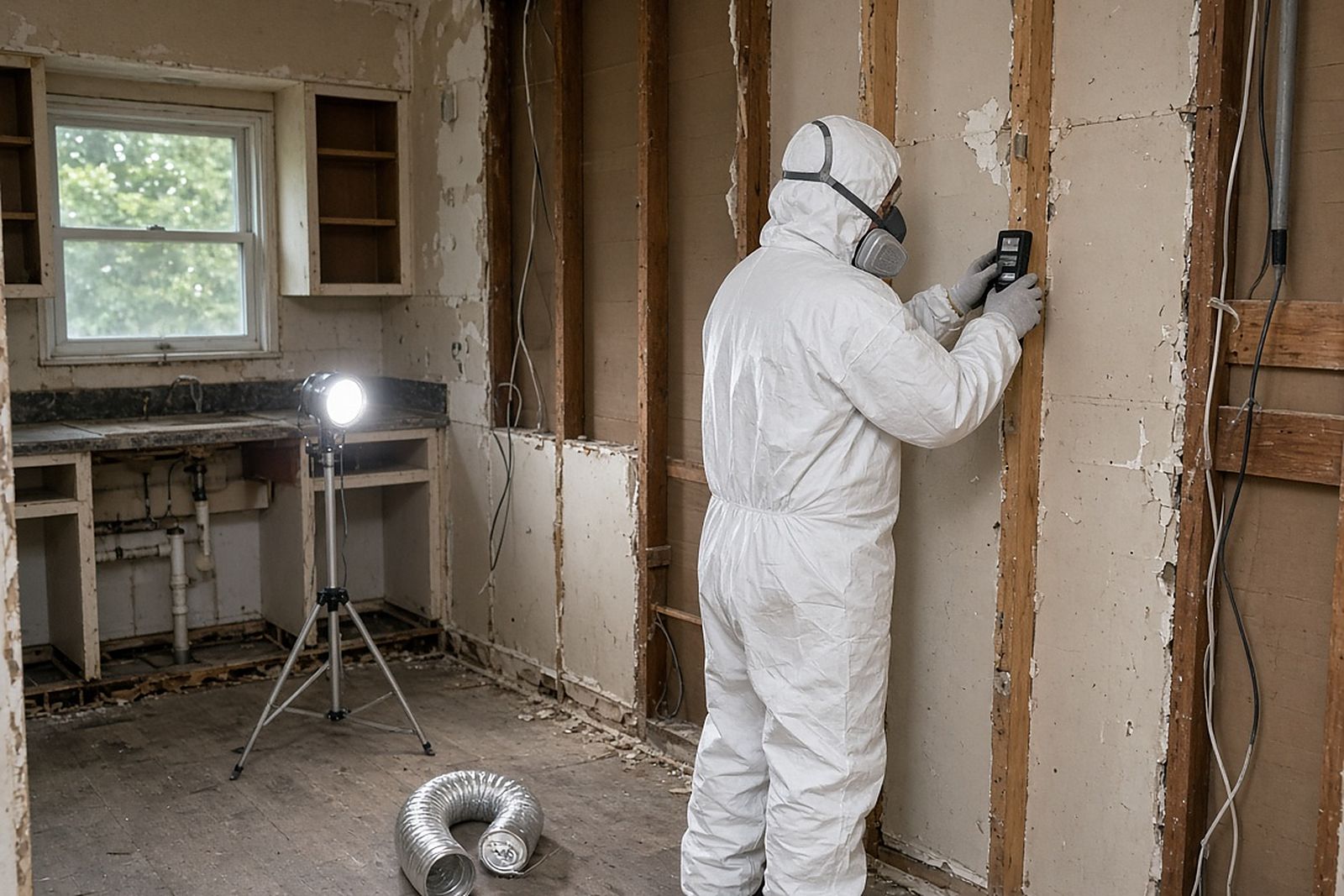
Meth residue soaks into soft, absorbent materials. Carpet, pad, insulation, upholstered furniture and drywall with heavy residue often cannot be cleaned reliably. They are removed instead. A bid that plans to clean these materials in place is likely lower. But it may leave residue that shows up in clearance sampling.
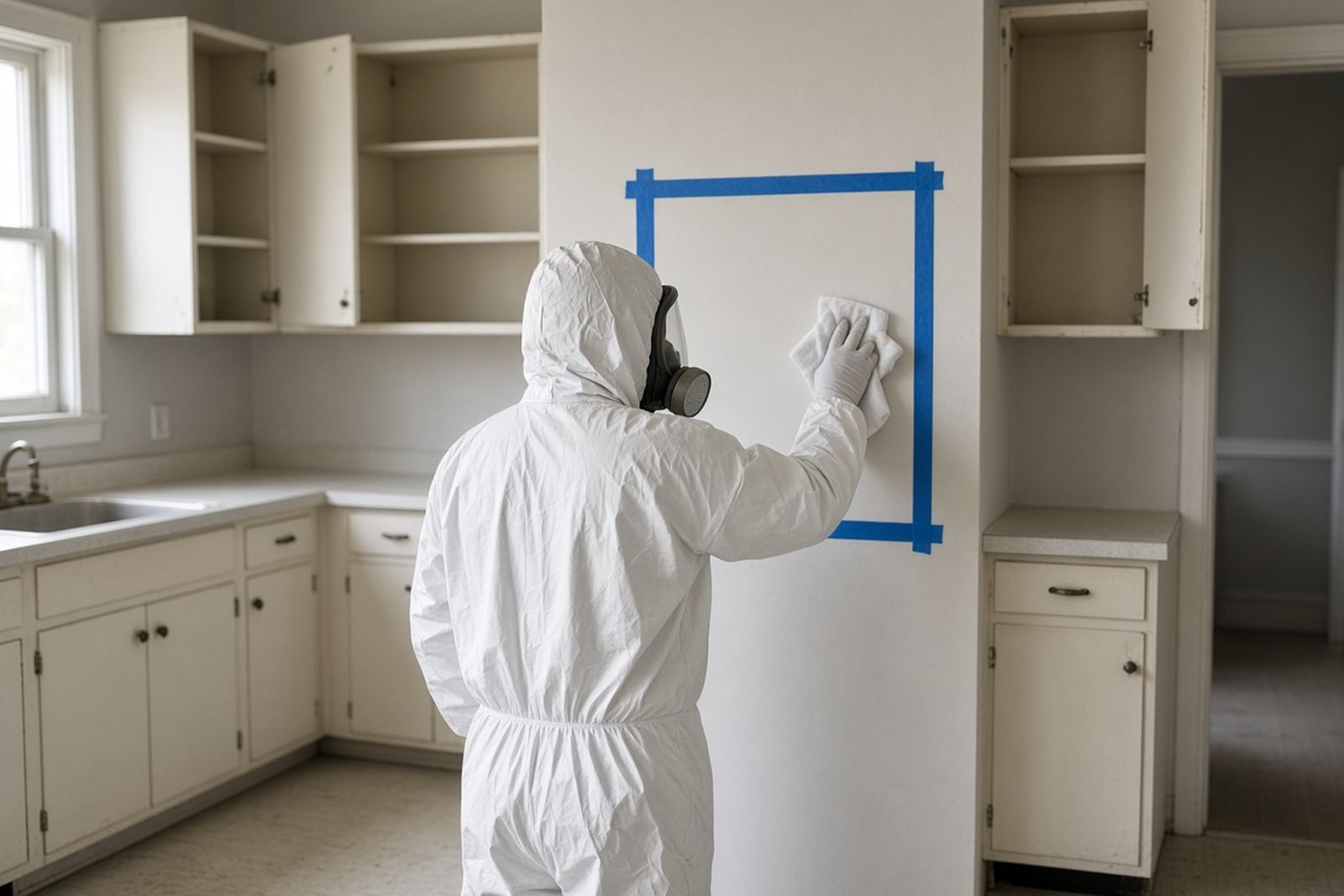
Hard surfaces such as sealed countertops, tile and metal fixtures can usually be washed. Many cleanup methods use several wash-and-rinse cycles with detergent. They cover walls and ceilings as well as floors. A bid with one wash may be cheaper than a bid with several. But one wash may not bring residue down far enough on heavily contaminated surfaces.
Ask each bidder how it chose which materials to remove and how many wash cycles it plans. If one bid removes certain items and another does not, ask the second company why.
Be careful with a bid that relies on paint or sealant in place of washing. Sealing has a role in some state programs, usually after cleaning has already lowered the residue. But painting over contaminated walls without washing them first can trap residue. That residue may later move or be disturbed during renovation. Ask each bidder whether sealing is a final step or a stand-in for cleaning.
Heating and cooling, a common difference
Heating and cooling systems move air through the whole property. Residue can collect in ducts, registers, filters and the air handler. If the system is not cleaned or replaced, residue can settle again on freshly cleaned surfaces as soon as it runs.
Cleaning or replacing the system can be a large expense. Some low bids leave it out or list it as optional. Ask whether each bid covers the ductwork, the air handler and the registers. Ask whether flexible ducts will be replaced instead of cleaned.
If your property shares ventilation with neighboring units, ask how the company will deal with that link. Contamination that moves through shared systems can affect clearance in more than one unit.
Clearance testing and retest terms
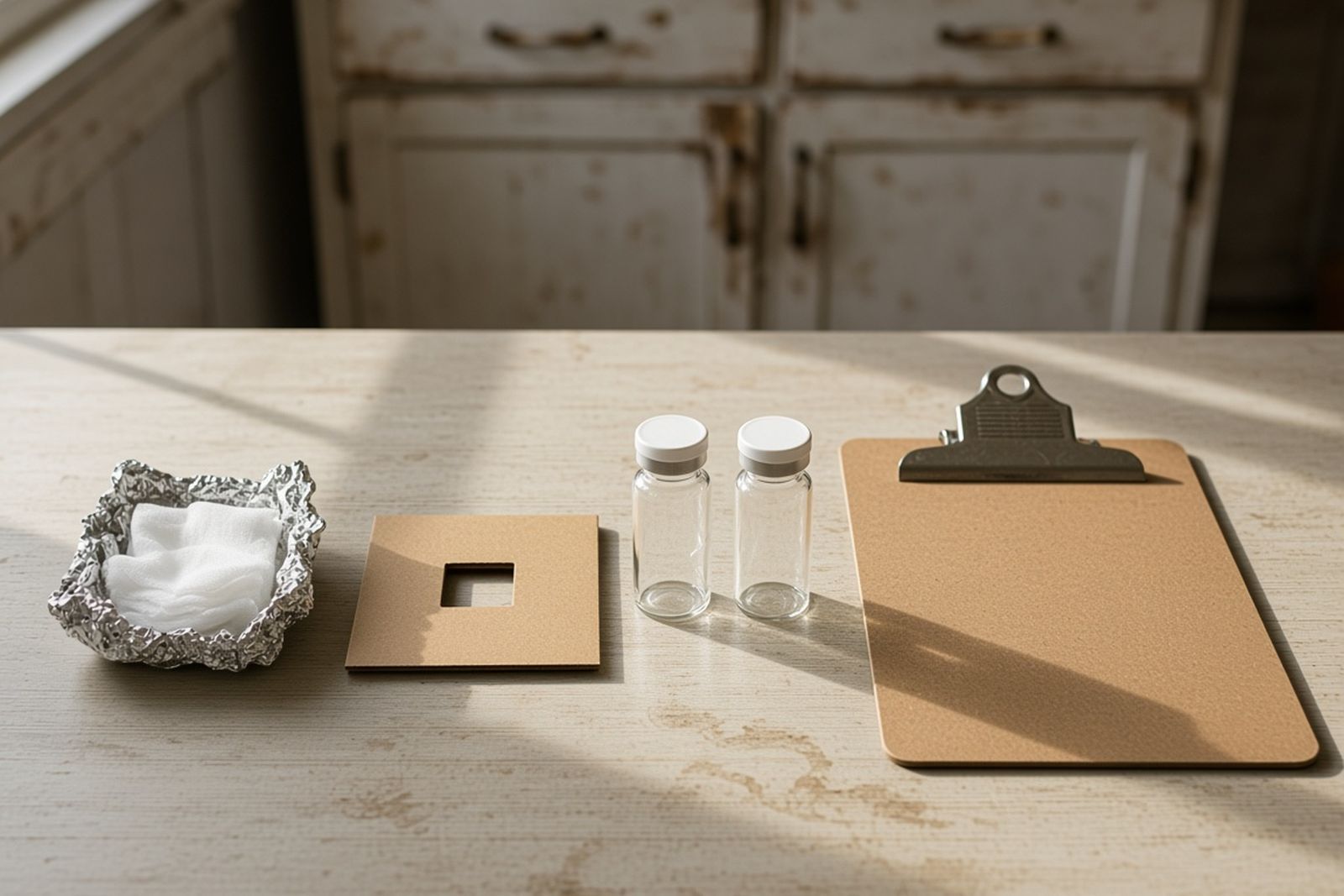
Clearance sampling is the point where the work is judged. In many state programs, it must be done by someone independent of the cleanup company. Ask whether each bid includes clearance sampling, whether the sampler is independent and who pays for it.
Ask what happens if a room fails. Some companies include one round of extra cleaning and retesting in the price. Others charge for each extra round. A lower bid with no retest terms may cost you more if the property does not pass on the first try.
Sampling standards also differ by state. A bid aimed at the wrong number is aimed at the wrong finish line. Confirm which standard applies to your property and that each bid is aiming for it.
Putting two bids on the same footing
Two bids for the same rental that tested positive can look very different on paper. A lower bid often covers removing carpet, washing walls and floors once, replacing filters and painting. A higher bid may cover more. It may remove carpet, pad, window coverings and drywall in the rooms with the highest readings. It may include several wash-and-rinse cycles on all hard surfaces, ceilings too. It may include full duct cleaning with new flexible runs, trap cleaning, and writing and filing the state work plan. And it may include one round of rework if an area fails clearance.
The comparison changes once you ask the lower bidder about the missing pieces. Suppose the answer is that you file the work plan, duct cleaning is extra and a failed room means a new contract. Then add those items, and the risk of a second cleanup, to the lower total. The difference usually narrows.
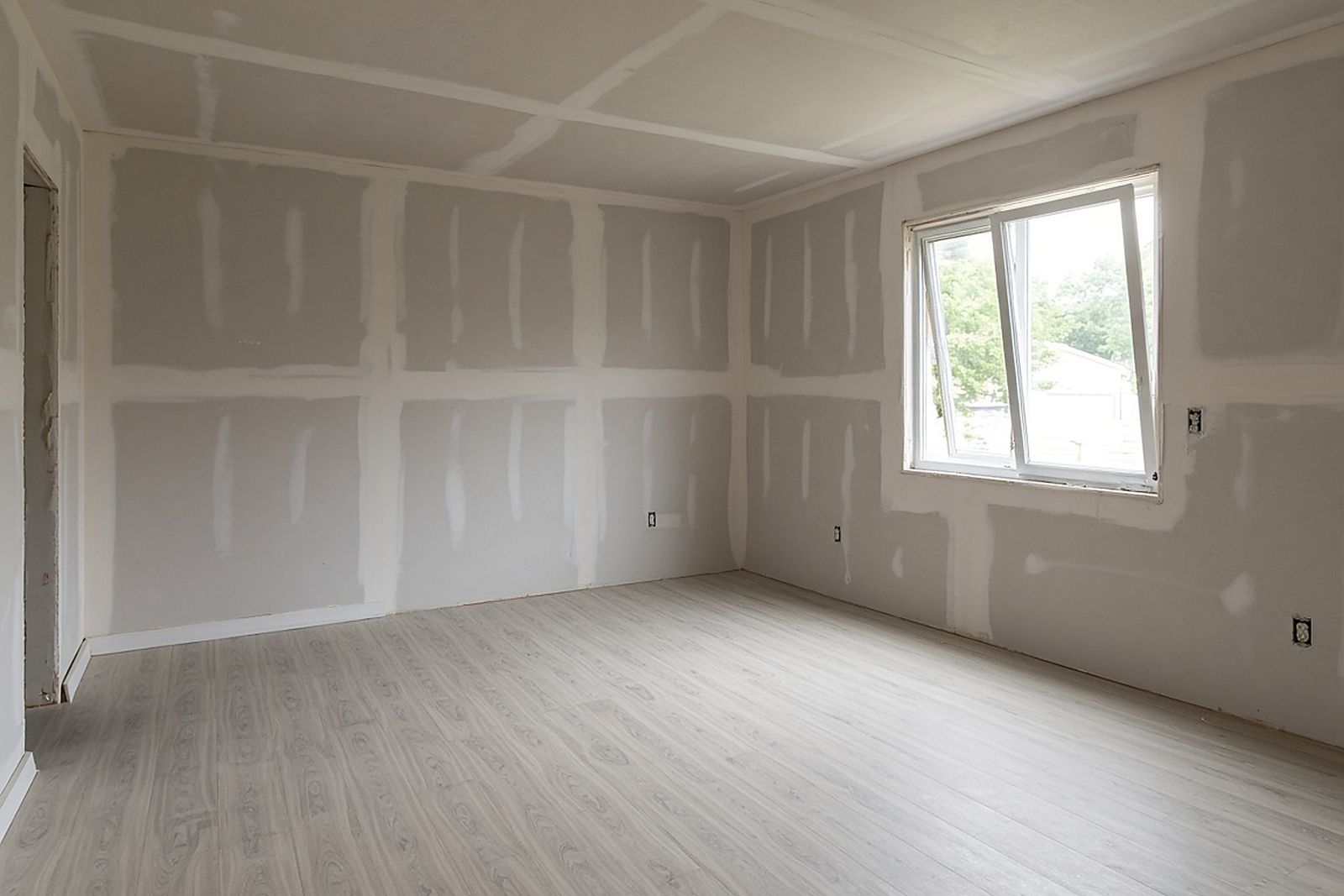
To compare fairly, turn each bid into the same finished result: a released property.
Other things to weigh
Insurance is one. Ask each company for a certificate showing workers' compensation and general liability coverage. Cleanup crews work with chemicals, sharps and heavy materials. An uninsured injury on your property could become your problem.
Records are another. A good company gives you a detailed final report with photos, waste records and a summary of the work done. That gives you something to show future buyers, tenants and lenders. Some states require sellers to disclose meth history even after cleanup, and a complete record supports that disclosure.
Then think about the schedule. A property you cannot rent or sell costs you money every month. A bid that gets the job right the first time may save you more in lost income than it costs in price.
Contents are a frequent surprise. Furniture, appliances and belongings left in the property may also carry residue. Some bids include removing and disposing of contents. Others assume the property is empty. A few offer to clean hard items such as metal furniture. Ask each company what it will do with anything left inside. Ask whether the tenant or owner of those items needs to be told first.
Your checklist before you choose
Work through these steps with every bid so that you are comparing the same work. The lowest total only makes sense once each bid describes the same finished property.
- Confirm each bid is based on sampling data from your property.
- Check state certification or licensing where required.
- Confirm who writes and files the work plan.
- Compare removal of soft materials, wash cycles and whether ceilings are covered.
- Compare the heating, cooling and plumbing work.
- Confirm who does clearance sampling and whether retesting is included.
- Get certificates of insurance for workers' compensation and liability from each bidder.
- Ask each bidder to price any missing items, then compare totals.