Short answer
Few laws speak directly to tear gas cleanup. At the federal level, OSHA sets a limit on how much CS cleanup workers may breathe. Your state controls the notice-of-claim rules for claims against government agencies, landlord and tenant duties and insurance. Local health departments, code offices and city claims offices decide reopening, repair permits and payment steps. The deadlines in state and local rules are often the most urgent part for you.
Is tear gas residue cleanup regulated at all?
It may surprise you that there is rarely a law that requires one set method for cleaning tear gas residue from a home or business. Some drug-lab programs work that way. Tear gas usually does not. There is usually no state list of certified tear gas contractors. There is no set number a home's surfaces must test below.
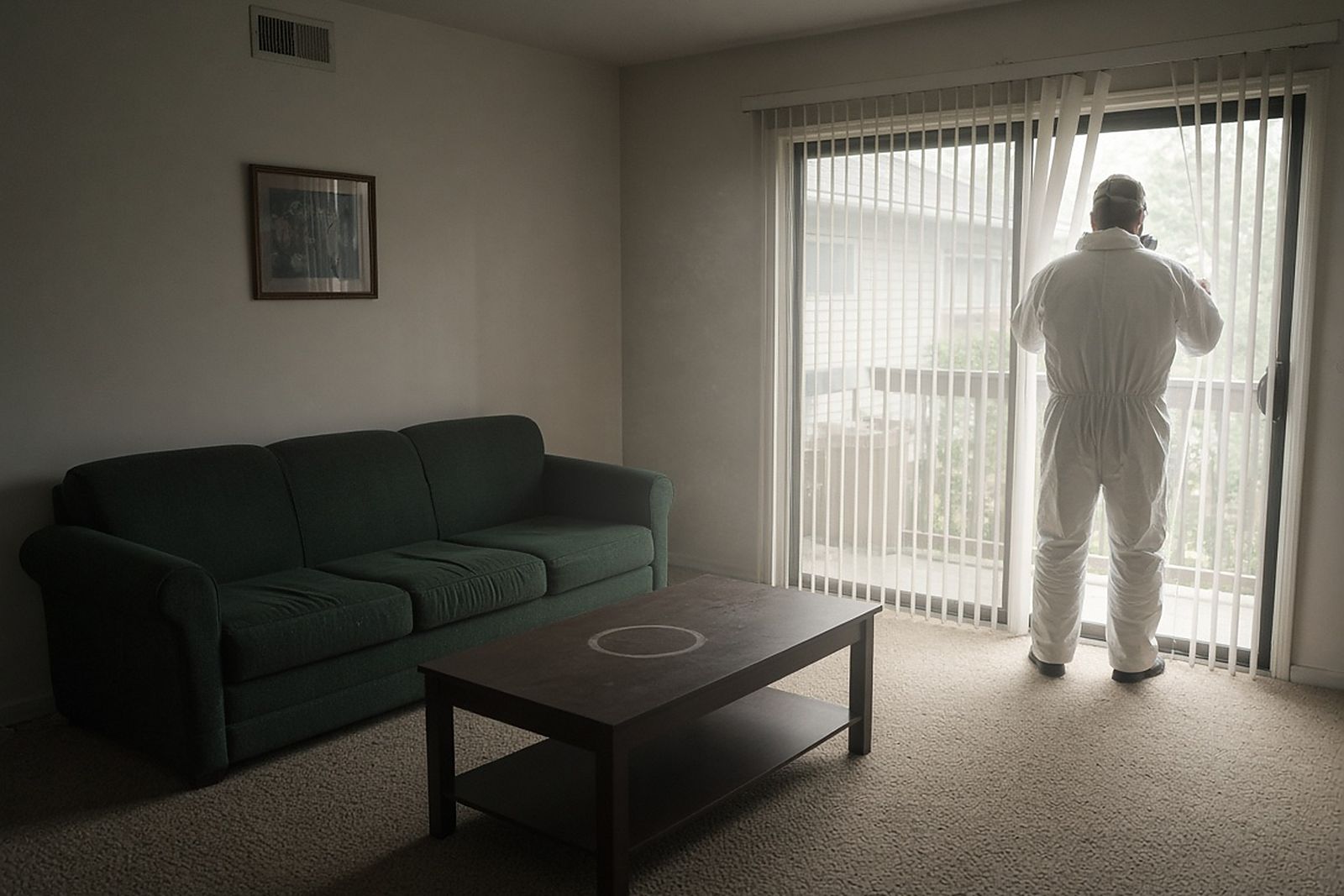
Tear gas in homes is not rare. The ACLU reported in 2014 that its analysis of more than 800 SWAT deployments by 20 agencies in 2011–2012 found 62% were for drug searches and 79% involved searching a person's home. Not every such operation involves chemical agents. But homes are a common setting for the operations where tear gas is used. That is why the rules on home damage matter to ordinary owners and tenants like you.
That does not mean there are no rules. Worker-safety rules protect the crew. State laws shape how you can seek payment from the agency that used the gas and what landlords owe tenants. Local offices may control when a food business can reopen. They may decide whether you need permits to repair damaged doors and windows. Insurance law affects how your claim is handled.
Rules vary by state and county, so check with your local authority. The sections below explain what each level of government usually covers, so you know whom to call.
The federal level: OSHA exposure limits
The most direct federal rule is OSHA's permissible exposure limit for CS. That is the most a worker may breathe on the job. It is listed in the air contaminants table at 29 CFR 1910.1000. The NIOSH Pocket Guide lists the same value as NIOSH's own recommended limit. It adds a skin notation, a warning that the chemical can harm through the skin. So the crew in your home needs protection beyond a mask. Employers of cleanup workers must keep exposure below that limit.
Other OSHA standards also apply to crews. They cover respiratory protection, personal protective equipment and hazard communication. In plain terms, they deal with mask programs, protective clothing and the cleaning chemicals a crew brings onto your property.
Civil rights claims and state OSHA plans
Federal civil rights law may matter when the use of gas raises questions under the Constitution. Claims that involve federal agencies go through a separate federal process. These are legal matters best taken up with an attorney. Still, it helps you to know they exist alongside the state options.
Many states run their own OSHA-approved state plans. Those plans must protect workers at least as well as federal OSHA, and they can add rules. So the rules your cleanup crew follows may be somewhat broader than the federal text, depending on where you live.
State law and payment from the agency
When a city, county or state agency damages private property, state law decides whether and how you can seek payment. Many states have tort claims acts, the laws on claims against government. They require a written notice of claim within a set period before you can file a lawsuit. That period is sometimes quite short. If you miss the deadline, your claim can end before it starts.
Some states also allow claims under parts of their constitutions that deal with taking or damaging private property for public use. Courts have disagreed on whether police actions fall into that group.
These rules are technical, and the clock is running. Call your city or county clerk or risk management office right away and ask how to file a claim. Think about speaking with an attorney who handles claims against government agencies in your state.
What landlords and tenants owe each other
If tear gas is used in a rental unit, state landlord-tenant law shapes what happens next. Many states require landlords to keep units fit to live in. A unit filled with irritant residue may not meet that standard until it is cleaned. As a tenant, you may have rights tied to rent, repairs or a temporary move. That depends on your state's law and your lease.
If you are a landlord, think about the nearby units too. Tear gas can drift through hallways, stairwells and shared vents. Tenants in the units next to the target may have symptoms. If you deal only with the targeted unit, you may face complaints from the others.
If your own belongings were damaged as a tenant, you may need to file a claim on your renters policy, if you have one. Or you may seek payment from the agency. The landlord's policy generally covers the building, not your contents.
Protest gas that drifts into homes nobody targeted
Gas from a protest raises a version of the same problem. When agents are used on a street, residue can get into nearby homes through open windows, doors and fresh-air intakes. Nobody inside was a target. If this is you, you face the same cleanup and payment questions, often with fewer records to show for it. So write down dates, times and what you saw right away.
How insurance claims are regulated
Each state's insurance department regulates insurance. The department does not decide single claims. But it oversees how insurers handle them. It also takes complaints from policyholders who believe a claim was handled badly.
Coverage for tear gas damage depends on your policy's wording and the facts. Some insurers review the damage under the parts on vandalism, damage by others or civil authority. Others point to exclusions tied to government action or pollutants. Ask for every coverage decision in writing, along with the exact policy wording the insurer relied on.
If you disagree with a decision, your state insurance department can explain your options. These may include an appeal inside the company, an appraisal or a formal complaint.
Keep a simple claim log as you go. Note the date you reported the loss, the adjuster's name, each document you sent and every decision you received. If a dispute comes up months later, that log will be far more reliable than your memory. It also makes a complaint to the insurance department much easier to prepare.
Six local offices that may get involved
Which local offices step in usually depends on your type of property and the damage. These are the ones that most often play a part after tear gas is used.
- City or county risk management or claims office: handles claims for property damage caused by local police.
- Local health department: may need to approve the reopening of restaurants, food businesses, child care sites or other licensed places.
- Building and code enforcement: may require permits to replace damaged doors, windows, framing or electrical parts.
- Housing or code inspectors: may respond to tenant complaints that a unit is not fit to live in after the gas.
- Fire department: may look at damage where burning canisters caused scorching or fire.
- Police department records unit: provides the incident reports that insurers and claims offices often ask for.
Where the levels meet: a restaurant below an apartment
A food business shows how the levels stack up. Say police fire tear gas into an apartment above a restaurant. Residue can drift down a shared stairwell and through a gap around the rear door into the kitchen. The next morning, staff may notice stinging eyes and a sharp smell.
The federal level governs the cleanup crew. It works under OSHA exposure limits and respirator rules. It throws out exposed open food and single-use packaging and cleans the kitchen surfaces and the exhaust hood. The local level comes in when the owner calls the health department. The department may ask for a description of the cleanup and inspect before the restaurant reopens.
The state level shapes payment. The owner asks for the police incident report, tells the insurer and calls the city's risk management office early. That is how the owner learns whether a written notice-of-claim deadline applies. The owner then files in time, with the cleanup company's report and photos attached.
Records that work at every level
Good records help you with every office you deal with. The same set of papers can support an insurance claim, a government claim, a health department reopening and a talk between landlord and tenant.
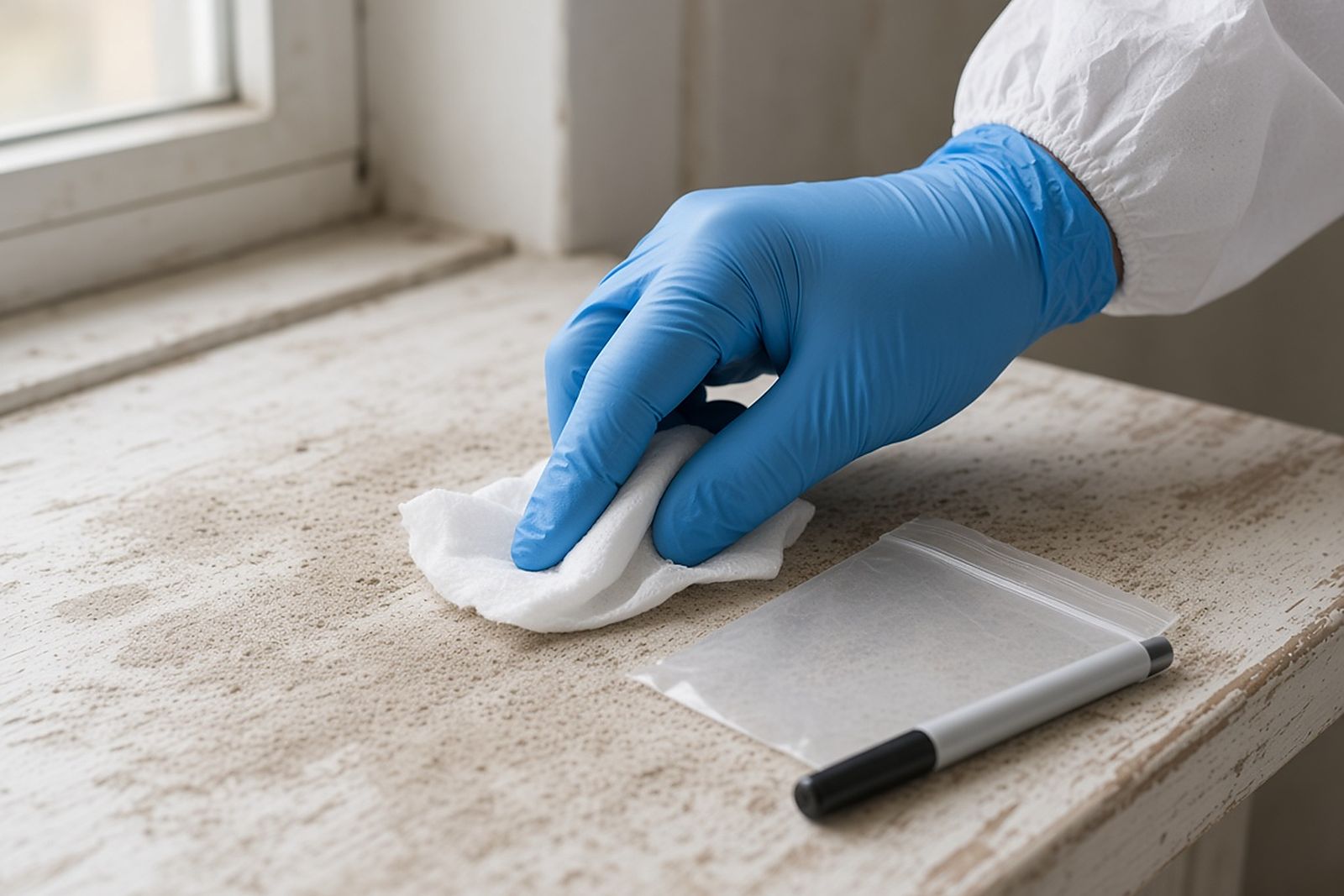
- Photos and video of residue, damage and affected contents before cleanup begins. Take them without going into affected areas unprotected.
- The police incident report and any property receipts or damage notices the officers left.
- The cleanup contractor's written work plan, product list, list of items thrown out and final report.
- Receipts for hotel stays, meals, replacement items and other costs.
- Medical records if anyone in your household saw a doctor for symptoms.
- Copies of every claim form, letter and email, with dates.
Which rules and deadlines apply to you?
Start with deadlines, because they are the easiest thing to lose. Call the city or county clerk or risk management office and ask how claims work. Tell your insurer in writing. If you are a tenant, tell your landlord in writing as well.
Next, ask the local health department whether your type of property needs an inspection before it reopens. Ask the building department whether your repairs need permits. If you have questions about your rights, a local attorney or legal aid group can explain how your state's laws apply.
Last, choose a cleanup company that understands two things: the chemistry of removing residue and the records that insurers and agencies expect. A careful, well-recorded cleanup will not guarantee payment. But it gives you the strongest base to stand on.