Vehicular Biohazard Cleanup: Choosing a Company
What to ask a vehicular biohazard cleanup company before you hire: training, insurance, how waste is handled, and what you get in writing.
These posts help you tell real vehicle cleanup companies apart from businesses that just add biohazard to a detailing menu. They cover the questions to ask on the first call. They cover warning signs that a company will rush through choices about foam and carpet. They cover the training and records you can fairly ask for. And they help you weigh a local shop against a national network that hands vehicle jobs to other companies. They explain what a trustworthy company should say about removing seats, seat belt systems, cabin filters, and the hauler that takes soiled parts away. They also show how to tell whether its photos and papers come from real vehicle jobs, not house calls.
Get an email reply about vehicular biohazard cleanup
Send a short message to the follow-up inbox. A coordinator can reply by email. This form does not send emergency help; call 911 first if anyone is in danger.
Choosing well matters, because the wrong company can create problems that last longer than the incident. An unqualified crew may damage airbag wiring or leave soiled padding in place. It may dump soiled parts where they do not belong. It may also push you to approve work before an adjuster inspects. These posts give you clear ways to test a company's claims before you hand over the keys. They also cover how to handle a company that pushes you to decide on the spot or tells you not to call your insurer. A trustworthy company welcomes questions and explains its reasons in plain words. It does so even when the answer is that your vehicle may not be worth fixing.
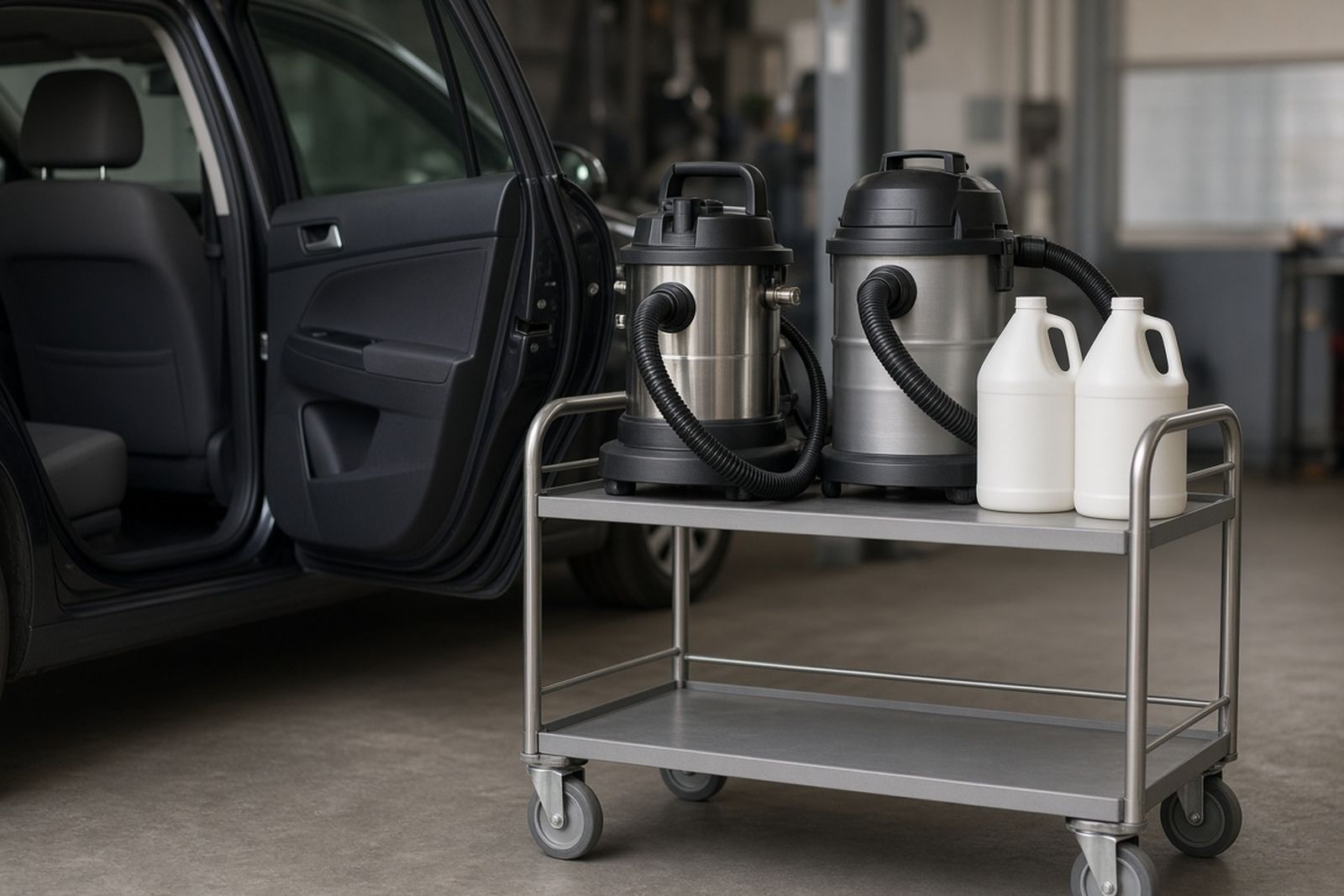
10 Questions to Ask Before Hiring a Vehicular Biohazard Cleanup Company
Before a company takes apart your car or van, ask how it finds hidden fluid, what it replaces, how it handles airbags and waste, and what you get back at the end.
Ask ten things before you hire. Is the vehicle released? How will you find where the fluid went? What gets replaced and what gets cleaned? How do you handle seats with airbags? Which disinfectants do you use? Where does the waste go? What training does the crew have? How long will it take? What paperwork do I get? What happens if the smell comes back?
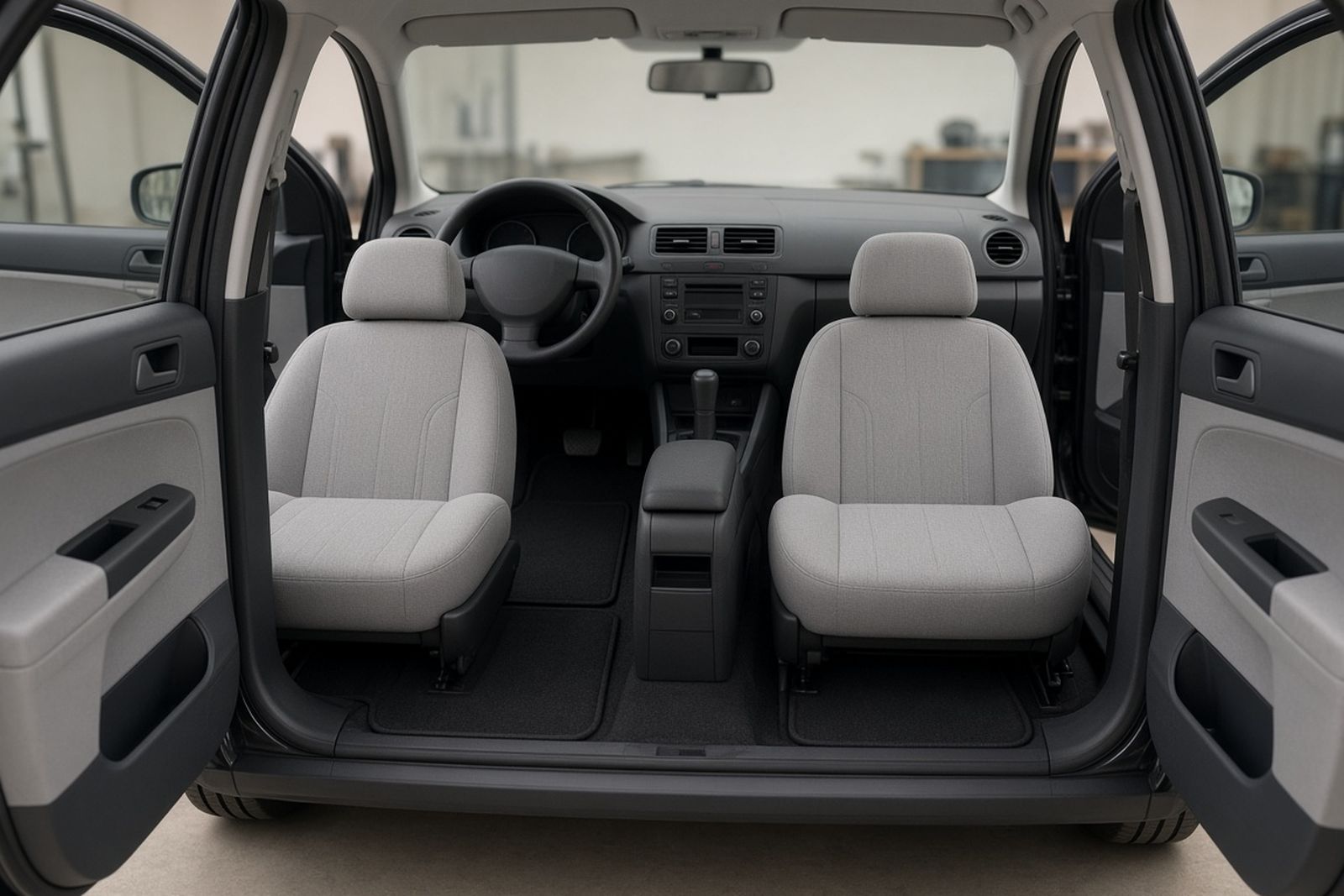
Red Flags When Hiring Vehicular Biohazard Cleanup Services
A detailer posing as a biohazard crew is one red flag. So is a company with no plan for your seat foam, or one that gives vague answers about where the waste goes.
Watch for these red flags. A detailing shop has no training on diseases carried in blood. A company quotes a price without seeing your vehicle. It has no plan to remove seat foam or carpet padding, and no answer on regulated waste. It will not work with your insurer or tow yard. It pushes you to decide on the spot. A qualified company explains what it will remove, how it disinfects, and what records you get.
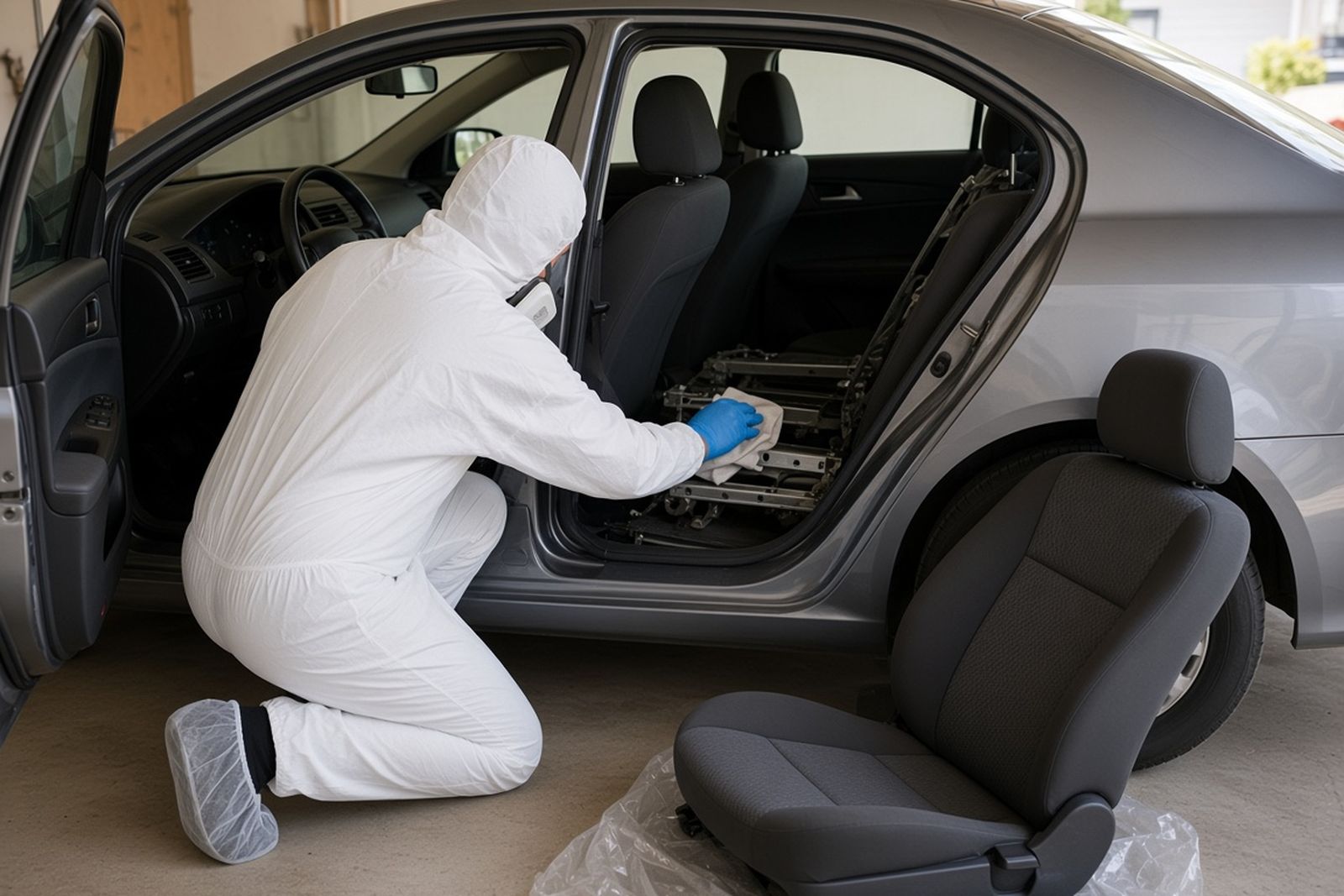
Training, Documentation, and Credentials for Vehicular Biohazard Cleanup
A real vehicle biohazard crew has things a detail shop does not. It has training on diseases carried in blood and a written exposure plan. It knows how to handle waste, and it keeps job records.
This work rarely has its own license, so you judge a company by its training and records. Technicians should have bloodborne pathogen training under their employer's written exposure control plan. They should know how to pick and use registered disinfectants and how regulated waste rules work. They should record what they removed and disinfected, with photos and disposal records. Check each claim with the company and, where you can, with the group that issued it.
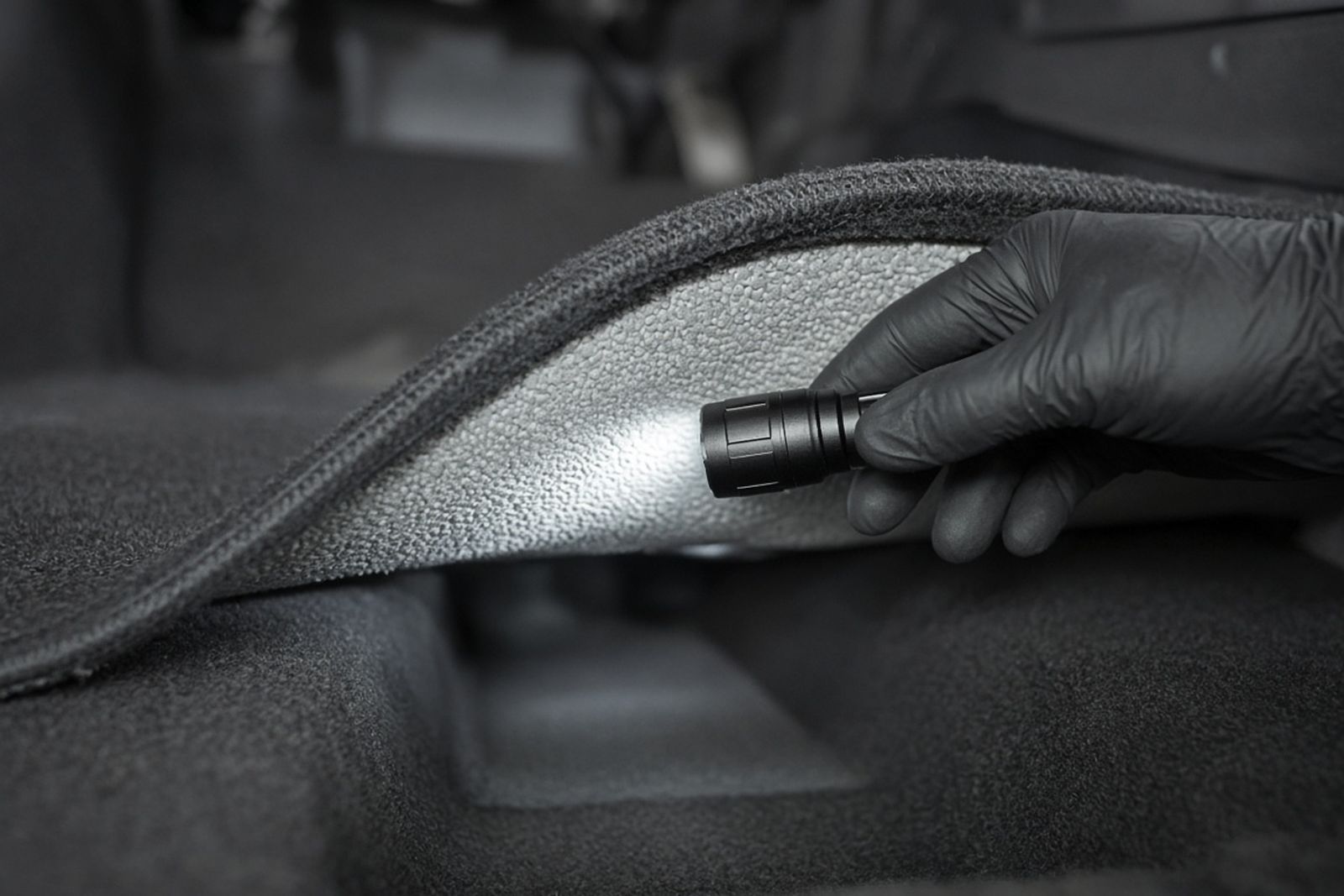
How to Compare Local and National Vehicular Biohazard Cleanup Providers
Local crews and national networks both clean vehicles after blood or trauma. Compare who shows up, where the work happens, how parts are found, and what records you get.
Compare local and national companies on a few points. Who will inspect and clean your vehicle? Will they work at the tow yard or in their own shop? How do they find seats and belts, and how do they work with insurers and tow companies? What paperwork do you get? National networks may offer reach and fleet contracts. Local companies may offer faster direct contact. The crew's experience with vehicles matters most.
Facts worth knowing
In one hospital-room test published in 2022, bacteria counts on surfaces fell 98% when a specific fogging system was added after standard cleaning.
Why it matters: Fogging was added after cleaning here, not used in place of it, so ask whether your quote includes both steps.
In a test published in 2022, a specific automated peracetic-acid system cut bacteria on bus surfaces by 81.7% overall.
Why it matters: Treatment lowered germs but did not remove them all, so ask what hand cleaning you get before your vehicle is treated.
EPA recommends keeping indoor humidity below 60 percent, ideally between 30 and 50 percent, to limit mold growth.
Why it matters: An inexpensive humidity meter lets you check whether your home has dried enough after a cleanup or leak.
Choosing a Company: common questions
What should I ask a vehicle biohazard company before I agree to anything?
Ask whether it works where the vehicle sits or needs a tow. Ask how it decides which soft materials to replace and how it protects airbag and seat belt parts. Ask which hauler takes its waste, and whether it will wait for your adjuster. Also ask for sample final papers from a past job, with personal details removed.
Is it a warning sign if a company quotes a flat price over the phone?
It can be. Without seeing how far fluids traveled, a company cannot know whether seats, carpet padding, or air components need attention. A phone range is fine as a rough guide, but a firm price before inspection may mean the company plans surface work only. Ask what would change the price once seats come out.
Should I use the company my insurer or rideshare app suggests?
You can, but you usually do not have to. A suggested vendor may know the claims process, which can help. Still ask it the same questions you would ask any other company about the work plan, safety parts, and waste. If you would rather use another company, confirm with your insurer that its quote will be considered.
Should I choose a company that works only on vehicles?
Focusing on vehicles can help, but it is not required. What matters is whether the crew has real experience with your type of vehicle. They should understand seats, airbags, and air systems, along with biohazard safety steps. Many trauma cleanup companies handle vehicles well. Ask how many vehicle jobs the crew has done lately, and ask for a sample report from one.
How can I compare companies if I am too upset to make many calls?
Ask a trusted friend or relative to make the calls using a short list of questions, and to write down each company's answers. You can also email the same questions to a few companies and compare replies later. It is fine to choose based on the company that answered clearly and treated your helper with patience. You do not need to handle every step yourself.
Is it okay to choose a company recommended by the tow yard?
It can be, if the company answers the same questions you would ask anyone else and gives you a written work plan. Tow yards often work with companies who know their procedures. Ask whether the yard has any financial relationship with the company, and feel free to get another quote. The choice is yours, even when the vehicle is at the yard.
No local company handles vehicle biohazards. Can the car be towed to one farther away?
Often, yes. Ask companies in the nearest larger city whether they travel, or whether they take towed vehicles at their shop. Ask your insurer about options in your region and about towing coverage. In the meantime, keep the vehicle closed, shaded, and locked. Do not settle for a cosmetic detail shop just because it is close. A surface-only job on seats and carpet can cost more to fix later.
Related community polls
Vote to see how other people answered. You can change your answer at any time.
If a passenger became ill in your car, what would you most likely do first?
Would you keep driving a vehicle where blood reached the seat foam if it looked clean afterward?
More on vehicular biohazard cleanup
Vehicular Biohazard Cleanup services
Learn what cleanup of a car, van, RV, or boat involves after blood, illness, or death. It covers checking foam and belts, the air system, and waste.
Costs explained
What drives the price, published cost ranges, and how to read a written quote line by line.
Insurance and payment
Which policies may respond, how to document a claim, and what to do if coverage is denied.
Planning tools
Estimate the job for your vehicle, check a company, organize an auto claim, and plan the first day. Sort removed materials and see whether you should touch the cabin.
Community polls
See how other owners, rideshare drivers, and fleet managers handled soiled vehicles. Views range from first reactions to total-loss offers and what to tell buyers.
Knowledge quiz
Test what you know about soaked foam, seat belts and airbags, the car's air paths, regulated waste, and when an insurer may total the vehicle.