Vehicle Biohazard Cleanup Cost: What Drives It
Fluid soaked deep into seats and carpet shapes nearly every vehicle quote.
Cleaning a vehicle after blood, body fluids, or a death inside it is very different from a normal detail. Fluids travel into seat foam, carpet padding, and hidden spaces that a surface wipe never reaches. The cost depends on how deep that goes and how much of the interior must come out. It also depends on whether fixing the vehicle makes sense.
Get an email reply about vehicular biohazard cleanup
Send a short message to the follow-up inbox. A coordinator can reply by email. This form does not send emergency help; call 911 first if anyone is in danger.
Estimate your range
Vehicular Biohazard Cleanup cost range estimator
Educational only. Real pricing needs an on-site assessment and a written scope. Insurance coverage is decided by your carrier, not by this tool.
Educational range: $3,000 – $5,000
Scaled from a published reference range (typical biohazard cleanup project, national) reported by Fixr (2025). Your region, provider and the actual findings on site can move the real number outside this range.
Cost level: Mid range.
None of the big cost multipliers are selected. Minimum service charges, travel and waste fees still apply.
Ask every quote to itemize labor, containment, product, waste disposal, verification sampling, and any rebuild, and to state what is excluded.
Open the full tool page for a worked example and more answers.
What is included in the cost of vehicle biohazard cleanup?
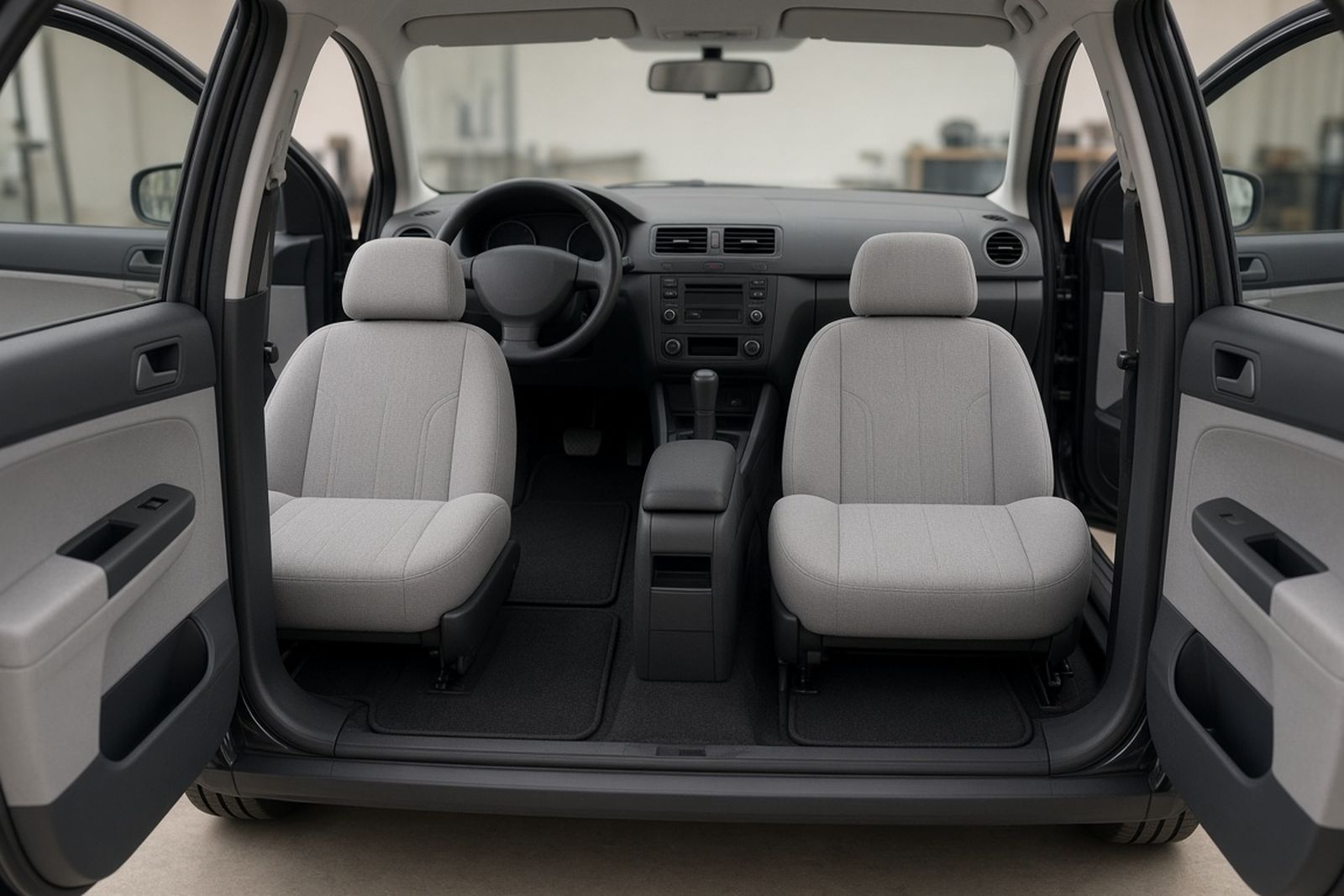
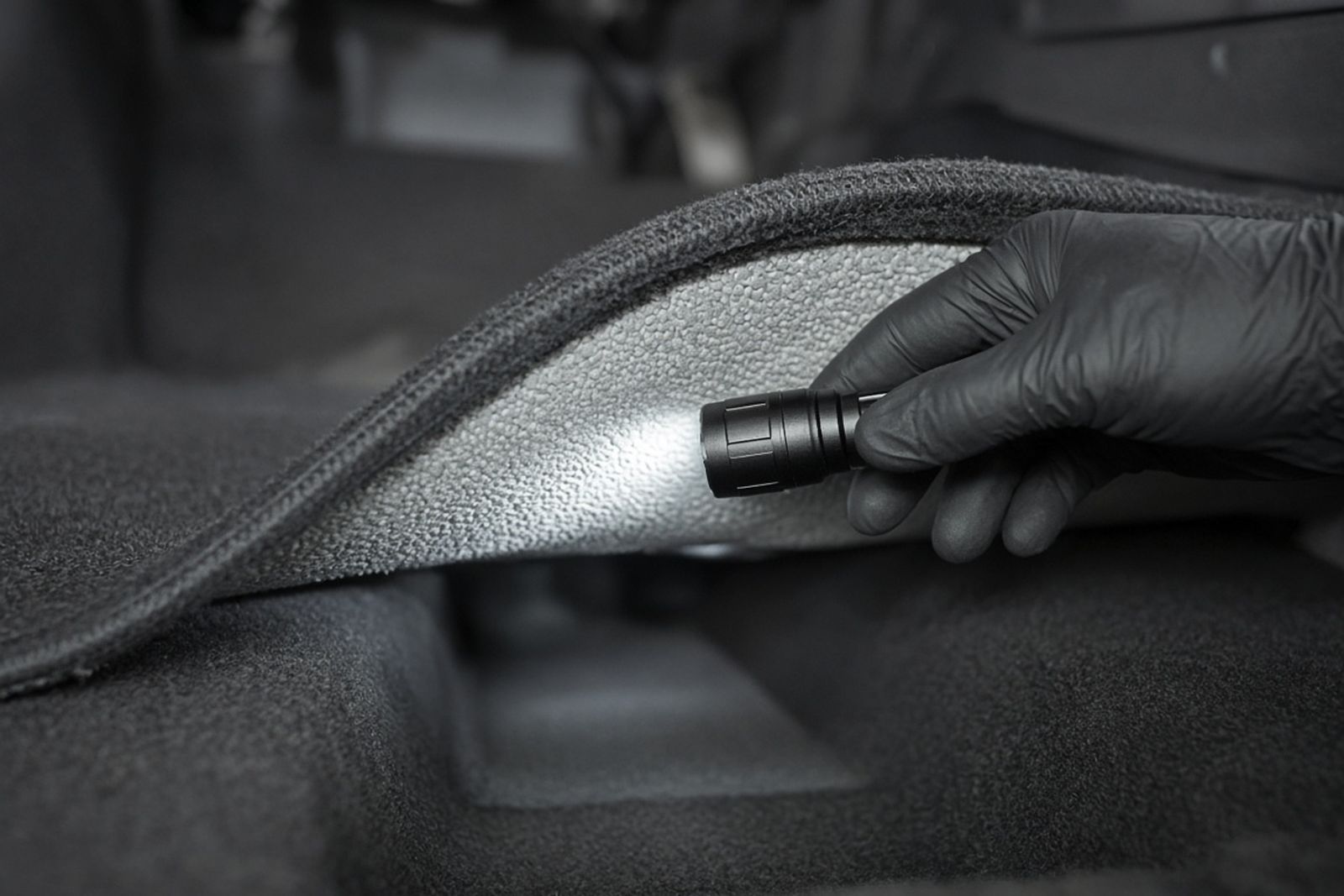
The job starts with a check. A technician looks at the seats, seams, carpets, headliner, and cargo areas to see how far fluids have traveled. In a small cabin, contamination often hides below the surface. It gets inside foam cushions, under floor mats, and in the gaps between panels. That check decides whether cleaning is enough or whether parts of the interior must come out.
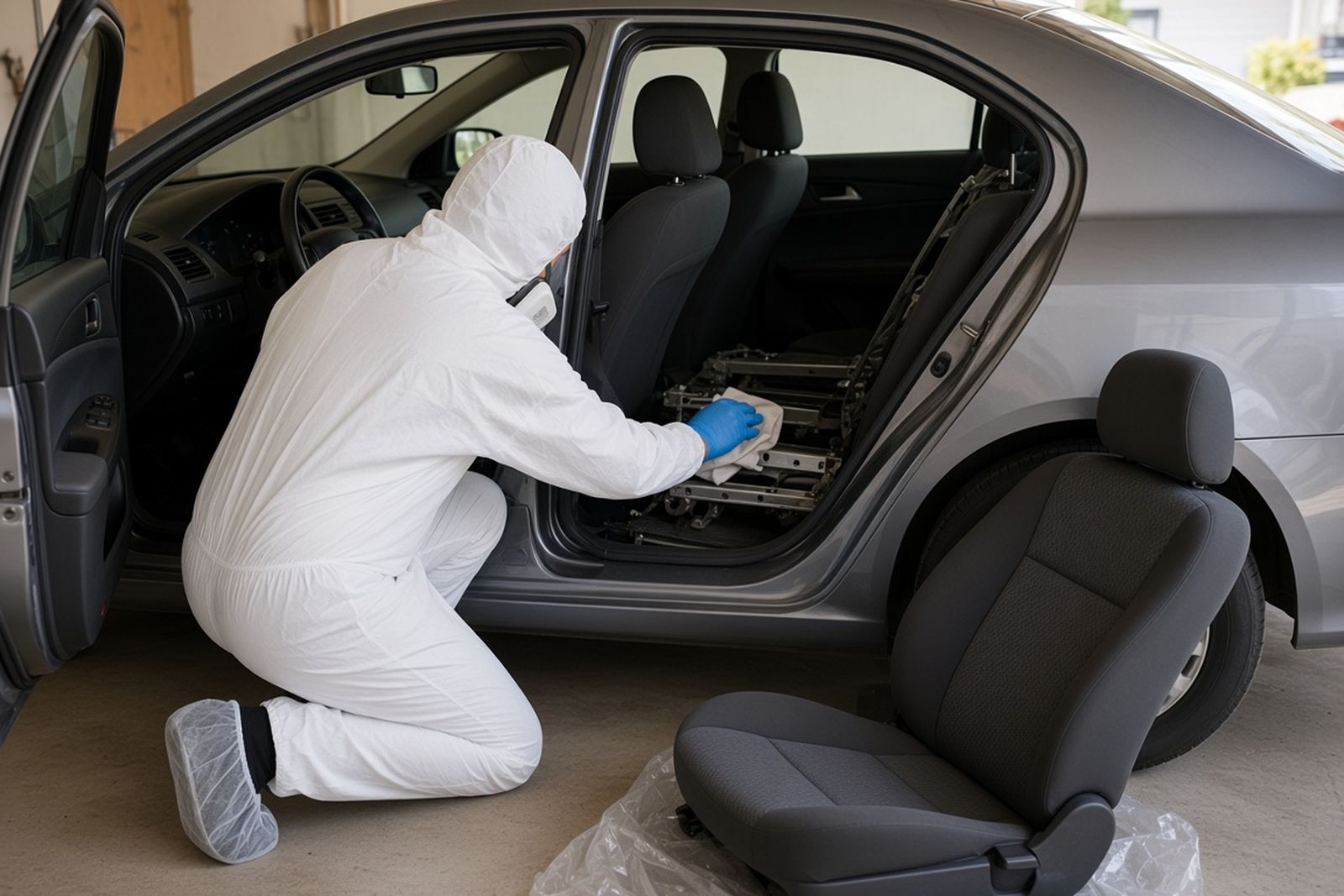
Labor is much of the bill. Taking out seats, pulling carpet, and removing trim panels takes time and care. Workers wear protective gear the whole time. Soiled soft goods that can't be saved are packed up as waste. The hard surfaces left are cleaned, then disinfected with products that stay wet as long as the label says. Tight spaces under the dashboard and between console panels slow the work more, since tools and hands have little room to move.
The last stage covers air and odor. Cabin air filters and vents can hold residue and smell, so they may need to be replaced or cleaned. If odor treatment is used, it comes after the source is removed. A good company also gives you photos, notes, and an itemized estimate that an insurer or fleet manager can review. Those records matter if you later need to explain the cleanup to a buyer, a lender, or a claims department.
- A check of seats, carpet, seams, and hidden spaces
- Removing and packing soiled soft goods
- Cleaning and disinfecting hard surfaces
- Cabin filter and vent treatment
- Handling and disposal of regulated waste
- Photo records and an itemized estimate
Which factors change the price the most?
How much fluid there was and how long it sat matter most. A small, recent spill on a leather seat may be cleaned in place. A large amount of blood or other body fluid left for days can soak through foam and carpet and into the metal floor. The longer it sits, mostly in warm weather, the more likely materials will need to come out.
The type of vehicle matters too. Small cars, work trucks, vans, buses, and RVs each have different layouts inside. Some use special materials that are costly to replace. RVs add plumbing, bedding, and small air systems. Labor prices give some context. Fixr's 2025 guide reports that biohazard cleanup labor ranges from $25 per hour for Biosafety Level 1 work. It goes up to as much as $600 per hour for Level 4 work. That shows how much the level of hazard shapes hourly rates.
When does cleanup cost more than the vehicle is worth?
For older vehicles or heavy contamination, the cost can come close to or pass what the vehicle is worth. That includes taking the interior apart, new parts, and disinfecting. A good company will compare the cleanup plan with the vehicle's actual cash value, which is what it is worth today. It will tell you honestly when fixing it may not make sense. Insurers make similar comparisons when deciding whether to repair it or call it a total loss.
Keep in mind that new parts, like seats or trim pieces, may be hard to find for some models. Child car seats exposed to blood or fluids usually need to be replaced, not cleaned. Follow the maker's advice. These costs add to the total. Include them in any cost comparison you or your insurer make. A cleanup company can help you list those items so nothing is missed.
How should you compare itemized quotes?
Ask each company to break its estimate into steps. These are the check, taking the interior apart, removing soft goods, cleaning and disinfecting, air system work, waste disposal, putting it back together, and odor treatment. When one quote is much lower, check whether it leaves out seat removal or waste handling. A company that promises to clean a badly soaked seat without removing the cushion may leave contamination behind. Ask directly how they plan to reach the foam inside each affected seat.
Look for clear details on the products used, how waste will be packed and disposed of, and what records you'll get. Ask whether the price includes new parts or only labor. Ask how the company handles changes if it finds more contamination once panels come off. Written answers make it easier to compare vendors fairly. Also ask how long the quote is good for.
What hidden costs should you plan for?
Contamination found after the interior is taken apart is the most common surprise. Once seats and carpet come out, fluids may have reached the metal floor, wiring, or sound insulation. Towing to the cleaning shop, storage fees at an impound lot or tow yard, and new parts can add more costs. If your vehicle is being held somewhere, ask how fast fees add up.
Losing use of the vehicle is another cost. You may need a rental car while yours is being cleaned. Fleet operators lose a working vehicle for that time. Resale value can also drop if the vehicle's history becomes known. Ask your insurer whether rental coverage applies, and keep receipts for every related cost. Fleet managers may also want to track downtime apart from the repair cost.
Who usually pays for vehicle biohazard cleanup?
The vehicle owner is often the starting point, but others may share the cost. An auto policy with comprehensive coverage may help in some cases. Fleet vehicles are usually handled by the employer or fleet operator, sometimes with commercial auto coverage. When a death happens in a vehicle, the estate may pay if the vehicle belonged to the person who died.
When the contamination came from a crime, many state victim compensation programs may help people who qualify with some cleanup costs. If the loss involves a suicide, please take care of yourself during this time; you can call or text 988 to reach the Suicide and Crisis Lifeline. Rules vary by state and county; verify with the local authority and with the program that serves your area.
What does a realistic vehicle cleanup example look like?
Picture a family whose relative died inside a parked car. Several days passed before the person was found. The family calls a cleanup company. It inspects the car and finds that fluids soaked through the driver's seat foam and into the carpet and padding below. The company takes photos of everything. It writes an estimate that lists seat removal, new carpet, disinfecting, a new cabin filter, and odor treatment.
The company also notes the car's rough value. It explains that the cleanup cost is high compared with that value. The family shares the estimate and photos with their auto insurer, who reviews the numbers and decides how to handle the claim. Because the estimate was itemized and backed by records, the family could make an informed choice without guessing about hidden damage. The records also helped the family explain things to the lender that held the car loan.
Facts worth knowing
A 2025 US cost guide prices crime scene and after-death cleanup at about $400 to $600 an hour, and unattended-death cleanup at $200 to $300 an hour.
Why it matters: Ask for a written estimate showing hours and rate; your vehicle job may vary with how much material must be replaced.
Employers must offer the hepatitis B vaccine within 10 working days of putting an employee in a job with exposure to blood.
Why it matters: Before asking your own employees to clean up blood, check whether this duty and other OSHA rules apply to you.
In 2024, OSHA's top fines were $16,550 for each serious violation and $165,514 for each willful or repeated one.
Why it matters: If you have your own staff clean up blood or chemicals without required training and gear, you may face fines like these.
Costs questions about vehicular biohazard cleanup
Can a regular car detailer clean blood from a vehicle?
Most detailers don't have the gear or training for biohazard work. Blood and other body fluids can carry disease. They often soak into foam and padding that surface cleaning won't reach. A biohazard cleanup company uses protective gear and removes soiled materials when needed. It disinfects with the right products and handles waste properly. That protects both the workers and the people who will ride in the vehicle.
Why would seats need to be removed?
Seat cushions are made of foam that soaks up fluids like a sponge. Even if the surface looks clean, contamination can stay deep inside. It can cause odor or health concerns later. Removing the seat lets workers check the foam, the frame, and the floor under it. Sometimes the cushion or cover must be replaced. Ask your vendor to show you what they found so you understand why removal was needed.
Is it worth cleaning an older car after a severe biohazard event?
It depends on how much contamination there is and what the vehicle is worth. The cost of taking it apart, new parts, and disinfecting may come close to the car's value. Then it may make more sense to accept a total loss if your insurer offers one. A good company should tell you honestly when fixing it may not be practical. Ask for an itemized estimate and compare it with the car's value before you decide.
Do I need to replace a child car seat after blood exposure?
Child car seats exposed to blood or body fluids are often replaced, not cleaned. Straps and padding can soak up contamination, and cleaning chemicals may weaken materials. Check the maker's instructions for your seat. If you plan to file an insurance claim, keep the seat and take photos of it before you throw it out. Include the cost of a new one in your records.
How long does vehicle biohazard cleanup usually take?
Timing depends on how much must be taken apart, whether parts are in stock, and whether odor treatment needs extra time. A small cleanup may be done quickly. Heavy contamination that needs seat and carpet removal can take longer. Ask your vendor for a timeline in writing. Confirm whether storage fees will apply while your vehicle waits for service or insurance approval.
Will the cleanup affect my vehicle's resale value?
It may. This is more likely if the event becomes part of the vehicle's history or if new parts don't match the rest of the interior. Some buyers are wary of vehicles with a known biohazard event. Keep all records of the cleanup, including the products used and parts replaced. Then you can answer questions honestly if you later sell or trade in the vehicle.
Who pays for cleanup if a passenger was injured in my car?
It depends on what happened. Your auto policy may help in some cases. If another driver caused a crash, their liability insurer may be responsible for damage to your vehicle. If the injury came from a crime, a state victim compensation program may help people who qualify with some costs. Keep all records, and ask each possible source directly about coverage.
What other people in your situation chose
Vote to see how other people answered. You can change your answer at any time.
If a passenger became ill in your car, what would you most likely do first?
Would you keep driving a vehicle where blood reached the seat foam if it looked clean afterward?
More on vehicular biohazard cleanup
Vehicular Biohazard Cleanup services
Learn what cleanup of a car, van, RV, or boat involves after blood, illness, or death. It covers checking foam and belts, the air system, and waste.
Insurance and payment
Which policies may respond, how to document a claim, and what to do if coverage is denied.
Planning tools
Estimate the job for your vehicle, check a company, organize an auto claim, and plan the first day. Sort removed materials and see whether you should touch the cabin.
Community polls
See how other owners, rideshare drivers, and fleet managers handled soiled vehicles. Views range from first reactions to total-loss offers and what to tell buyers.
Knowledge quiz
Test what you know about soaked foam, seat belts and airbags, the car's air paths, regulated waste, and when an insurer may total the vehicle.
Articles and resources
Plain reads on rideshare cases, fleet steps, RV and boat cabins, and how heat speeds decay. Learn how to talk with an adjuster about your car or truck.