Does Auto Insurance Cover Vehicle Biohazard Cleanup?
Comprehensive, fleet, and victim programs may each play a part.
When blood, body fluids, or a death leave a vehicle contaminated, you may wonder if insurance will help. The answer depends on your policy and how the contamination happened. It also depends on whether the insurer decides the vehicle is worth fixing. This guide explains which policies may help and what is often left out. It shows how to present a clear, well-documented claim.
Get an email reply about vehicular biohazard cleanup
Send a short message to the follow-up inbox. A coordinator can reply by email. This form does not send emergency help; call 911 first if anyone is in danger.
Which auto policies might respond to biohazard contamination?
For personal vehicles, comprehensive coverage is often the part of an auto policy that covers damage not caused by a crash. That can include some events that happen inside a parked car. Collision coverage may apply when contamination comes from a crash. Liability coverage usually pays for damage you cause to others, not for cleaning your own vehicle. Each insurer defines these coverages in its own policy wording.
If another driver caused a crash that left blood in your vehicle, that driver's liability insurer may have to pay for your repair and cleanup. RVs and motorhomes may be covered under a special RV policy. It can also cover personal belongings inside. Ask your agent which of these apply to your vehicle and situation. Keep your policy number handy when you call.
How do fleet and commercial policies handle these events?
Businesses that run vans, buses, trucks, or rideshare vehicles often carry commercial auto or fleet coverage. These policies may treat contamination much like personal comprehensive or collision coverage, depending on the terms. Some rideshare platforms pay cleaning fees or cover some incidents. So drivers should check both their own policy and the platform's rules. Drivers who use personal vehicles for work should confirm which policy applies before anything happens.
Employers also have safety duties when workers may be exposed to blood. According to OSHA in 2024, the Bloodborne Pathogens standard requires employers to review their written exposure control plan at least annually. It also requires them to retrain exposed workers at least annually. Workers' comp covers workers who are hurt or exposed on the job. The vehicle cleanup itself is usually handled through fleet or property coverage.
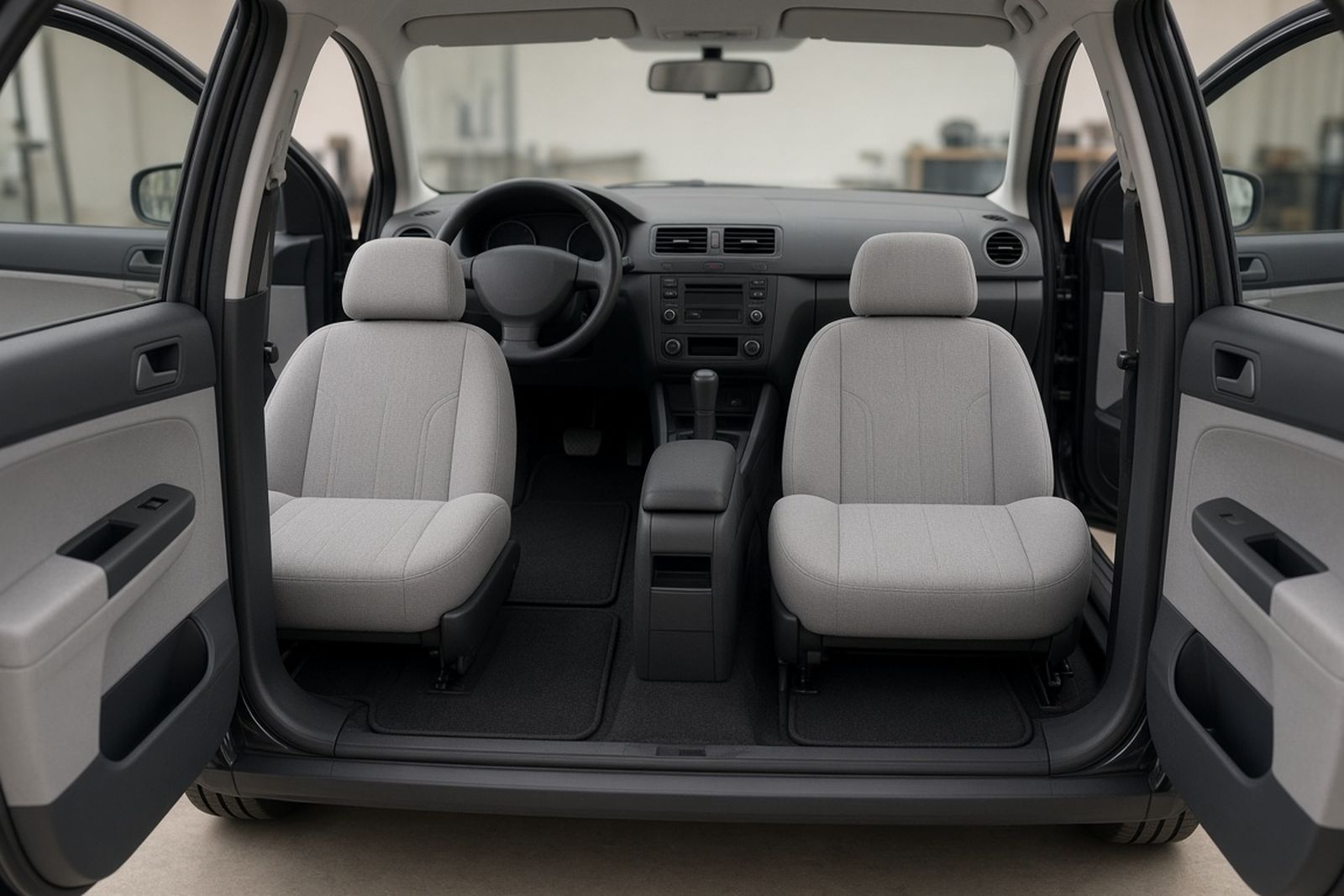
Which exclusions tend to narrow vehicle coverage?
Policies may exclude damage from wear and tear, slow breakdown over time, or neglect. Some exclude acts done on purpose by the insured person, which can come up in hard situations. Personal auto policies may exclude vehicles used for business unless a specific add-on applies. Odors from everyday use, like smoking or food spills, are usually not covered. Rules about business use can matter a great deal here.
Belongings inside the vehicle are usually not covered by the auto policy itself. They may fall under a homeowners or renters policy instead. Read the exclusions and definitions in your policy carefully. Ask your agent to explain in writing how they would apply to you before you assume a claim will be accepted or denied. If your personal items were damaged, list them separately with photos so the right policy can review them.
How do you document a vehicle biohazard claim?
Tell your insurer right away. Ask whether they want to inspect the vehicle before cleaning starts. Take detailed photos and videos of the inside, including seats, carpet, seams, and any fluids you can see. If the contamination followed a crash, crime, or death, keep copies of police or incident reports. Don't throw out damaged materials until the adjuster says it's okay. If the vehicle was towed, write down where it is being stored.
Ask your cleanup company for an itemized estimate. It should break the work into the check, taking the interior apart, removing soft goods, disinfecting, air system work, waste disposal, and putting it back together. Photos of removed materials and hidden contamination found during the work help show why each step was needed. Keep receipts for towing, storage, and rental cars too. Put everything in one folder, sorted by date, so you can answer adjuster requests quickly.
- Photos and videos before any cleaning
- Police, incident, or medical examiner reports
- An itemized cleanup estimate, step by step
- Photos of contamination found while taking the interior apart
- Receipts for towing, storage, and rental cars
What happens if the insurer declares a total loss?
Insurers compare the cost of fixing a vehicle with its actual cash value, which is what it is worth today. When cleanup and new parts come close to or pass that value, the insurer may call the vehicle a total loss. It then pays the vehicle's value, minus your deductible, instead of paying for repairs. This happens more often with older vehicles. It also happens more with heavy contamination that reached the metal floor or wiring.
If you disagree with the value, you can send proof. That might be listings for similar vehicles, maintenance records, or recent upgrades. Many policies have an appraisal process for settling disputes over value. Ask your adjuster how the value was figured. Ask for the report in writing so you can review each factor they used. Keep in mind that a total loss payment may not match what you still owe on a loan. That is where gap coverage, if you have it, may come into play.
What are your options after the insurer says no?
Ask for a written copy of the denial that quotes the policy wording the insurer used. Compare it with your policy and any add-ons. Think about whether more proof could change the result. An example is a police report that confirms how the event happened. You can ask the insurer to reconsider or ask for a supervisor's review. If you think the claim was mishandled, you can file a complaint with your state insurance department.
For large losses or complex cases, a licensed public adjuster or a lawyer who handles insurance disputes may help. Watch for any deadlines in the denial letter. Rules vary by state and county, so please verify with the local authority or your state insurance department before relying on any appeal timeline or process. Keep copies of every paper you send.
Are there other ways to pay for vehicle cleanup?
When contamination comes from a violent crime, many state victim compensation programs may help people who qualify with some cleanup costs. In some cases, that includes cleaning a vehicle. Programs usually require a police report and an application within a set time. They usually pay after other sources, like insurance, have been looked at. Contact your state program directly for details. Program staff can often explain which receipts and reports they need before you apply.
If the vehicle belonged to someone who died, the estate may pay for cleanup as part of settling the person's affairs. If the loss involved a suicide and you are carrying a heavy emotional load, support is available by calling or texting 988. Some cleanup companies also offer payment plans or will bill insurers directly. That can ease the money strain right away. Get any payment plan in writing, including what happens if the insurer pays less than expected.
Keep the claim organized
Vehicular Biohazard Cleanup insurance claim organizer
A checklist to keep the claim orderly. It stores nothing on our servers; copy the summary to your own notes.
0 of 18 steps recorded (0%)
Print or paste the summary into your own records. Coverage is the carrier's decision under the policy; keep every answer in writing.
Open the full tool page for a worked example and more answers.
Facts worth knowing
A 2025 US cost guide says biohazard cleanup labor runs from $25 an hour for the lowest hazard level to as much as $600 for the highest.
Why it matters: Ask which hazard level your quote assumes, because the hourly rate may change a lot with it.
In 2024, OSHA's top fines were $16,550 for each serious violation and $165,514 for each willful or repeated one.
Why it matters: If you have your own staff clean up blood or chemicals without required training and gear, you may face fines like these.
The American Psychiatric Association estimates 4% to 15% of bereaved adults develop prolonged grief disorder, which can be diagnosed 12 months after a loss.
Why it matters: If your grief still disrupts daily life a year after the loss, it may be treatable, so consider talking with a doctor.
Insurance questions about vehicular biohazard cleanup
Does comprehensive coverage pay for blood cleanup in my car?
Comprehensive coverage may help in some cases, depending on how the contamination happened and your policy wording. It usually covers damage not caused by a crash. Coverage is not guaranteed, and your deductible will apply. Contact your insurer right away and take photos before cleaning. Ask your adjuster to explain in writing how your policy treats the event.
What if someone died in my vehicle?
This is a painful situation, and you don't have to handle the cleanup yourself. Contact your insurer to ask whether comprehensive coverage may help. Keep any reports from the police or the medical examiner. If the vehicle belonged to the person who died, the estate may be responsible for costs. If you need emotional support, you can call or text 988 at any time.
Will my rideshare or delivery work affect coverage?
It might. Personal auto policies often limit coverage while a vehicle is being used for business. Rideshare platforms have their own rules about incidents and cleaning fees. Check your personal policy for business-use exclusions or add-ons, and review the platform's terms. Report the incident to both your insurer and the platform as soon as you can. Keep copies of everything you send.
Can victim compensation help with vehicle cleanup after a crime?
Many state programs may help victims who qualify with some costs. That can sometimes include cleaning a vehicle where a crime happened. Who qualifies, what costs are covered, and how to apply vary by state. Programs usually require a police report and look at insurance first. Contact the program in the state where the crime happened. Ask directly whether vehicle cleanup is a cost they cover.
Who pays for cleanup of a company vehicle?
Company and fleet vehicles are usually the employer's job, often through commercial auto or fleet coverage. If staff could touch blood while handling the vehicle, the employer has safety duties too. If a worker was hurt, workers' comp may cover their medical care and lost wages. Report the event through your company's process. Keep records for both the vehicle and any injury.
Should I clean the vehicle before the adjuster sees it?
Ask your insurer first. Often they will want to inspect the vehicle or see detailed photos before any work starts. If you must move the vehicle or prevent more harm, take plenty of photos and videos first. Don't throw away damaged materials until the adjuster says it's okay. They may be needed as proof for the claim.
What if I disagree with my insurer's total-loss decision?
You can ask for the report on the vehicle's value. Send proof like listings for similar vehicles, maintenance records, or recent upgrades. Many policies have an appraisal process for disputes over value. If you think the claim was handled unfairly, you can also contact your state insurance department. Keep written records of all contact with the adjuster and anyone else involved in the claim.
What other people in your situation chose
Vote to see how other people answered. You can change your answer at any time.
If a passenger became ill in your car, what would you most likely do first?
Would you keep driving a vehicle where blood reached the seat foam if it looked clean afterward?
More on vehicular biohazard cleanup
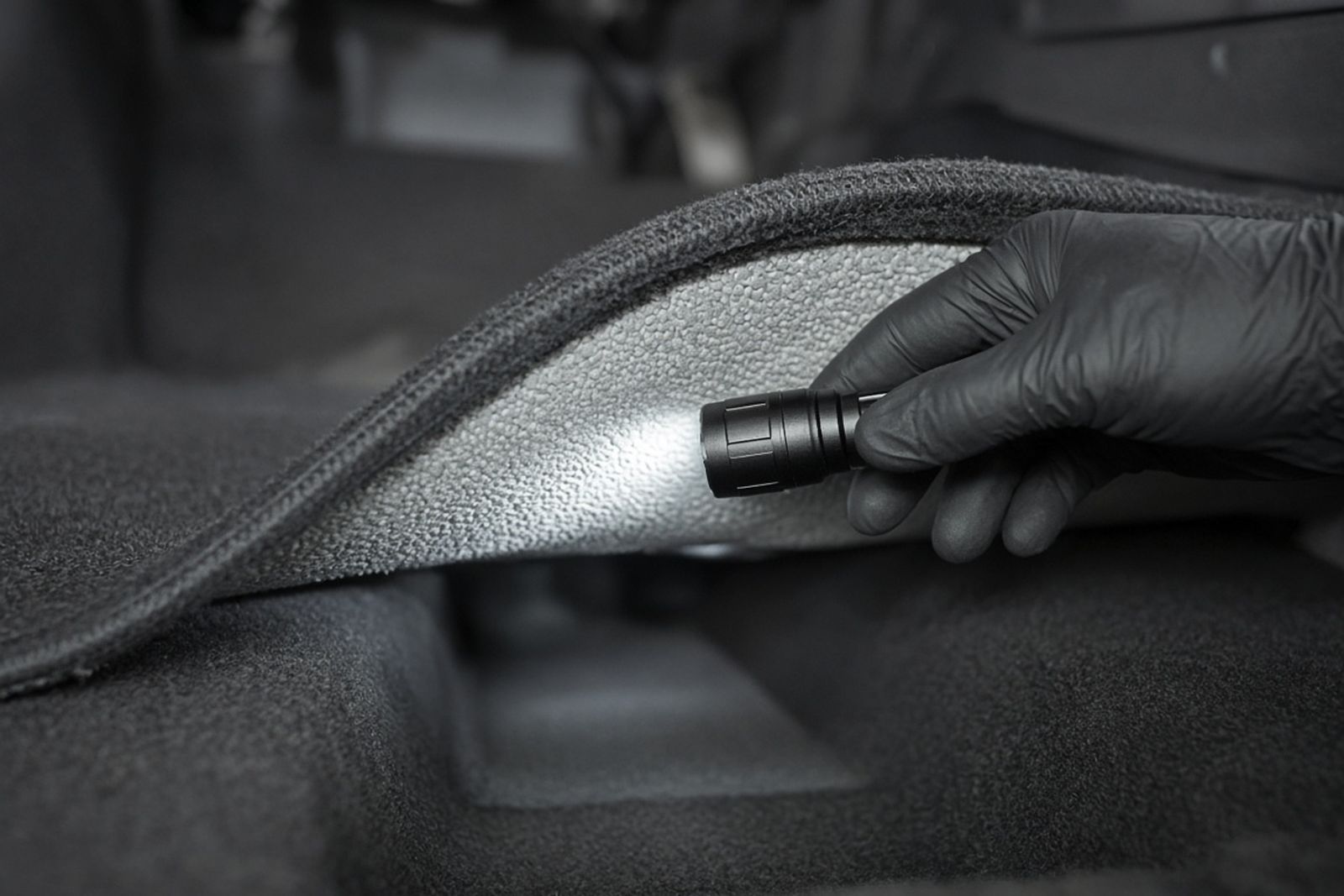
Vehicular Biohazard Cleanup services
Learn what cleanup of a car, van, RV, or boat involves after blood, illness, or death. It covers checking foam and belts, the air system, and waste.
Costs explained
What drives the price, published cost ranges, and how to read a written quote line by line.
Planning tools
Estimate the job for your vehicle, check a company, organize an auto claim, and plan the first day. Sort removed materials and see whether you should touch the cabin.
Community polls
See how other owners, rideshare drivers, and fleet managers handled soiled vehicles. Views range from first reactions to total-loss offers and what to tell buyers.
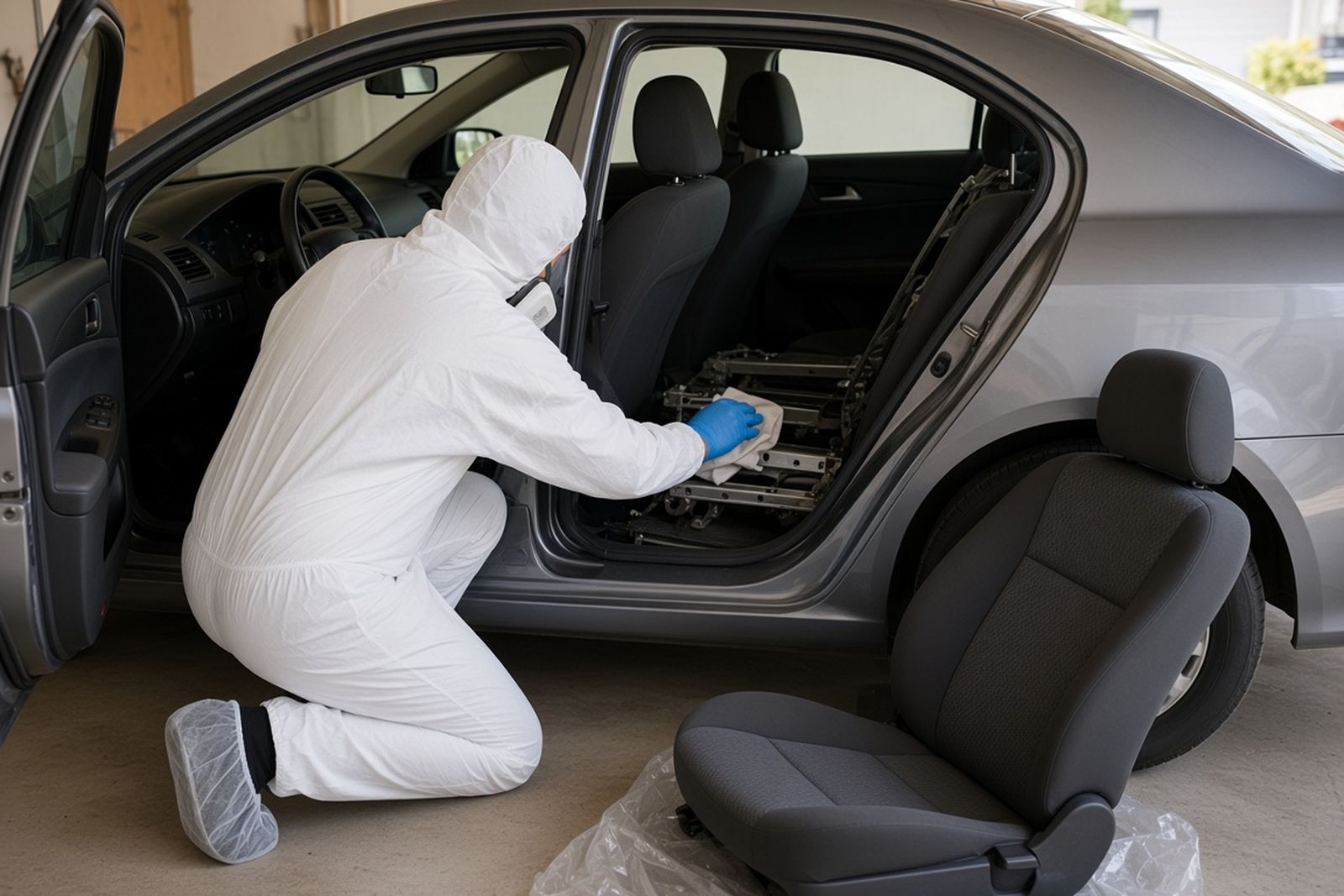
Knowledge quiz
Test what you know about soaked foam, seat belts and airbags, the car's air paths, regulated waste, and when an insurer may total the vehicle.
Articles and resources
Plain reads on rideshare cases, fleet steps, RV and boat cabins, and how heat speeds decay. Learn how to talk with an adjuster about your car or truck.