Free vehicular biohazard cleanup tool
Vehicular Biohazard Cleanup Insurance Claim Organizer
A guided checklist from finding the policy to tracking the insurer’s decision, with a printable summary of where the claim stands.
Biohazard damage to a vehicle goes through auto insurance. The path depends on what caused the incident. A crash with injuries usually falls under collision coverage. An illness, death, or vandalism-type mess in a parked vehicle may fall under comprehensive, if your policy has it. Liability coverage pays for harm you cause others, not for your own vehicle's inside. Homeowners policies usually leave out vehicles. Rideshare drivers face one more layer. Personal policies often leave out business use. The app company's coverage applies only during certain times. A business or rideshare add-on may fill the gaps. This organizer walks you through finding the right policy and naming the cause of loss. It helps you give notice, record the damage, get a written work plan, and track the insurer's decision.
The organizer cannot tell you whether the claim will be paid. The network has no ties to any insurer or rideshare app. What it does is keep the claim in order. That matters, because vehicle claims can turn into total-loss decisions fast. Adjusters need photos of the mess as it was found and a work plan that lists each part. They also need the vehicle's condition before the incident, to compare cost against actual cash value. The steps prompt you to gather those items before major work begins. Then, if the insurer decides to total the vehicle, you have not paid for a cleanup you will not benefit from. If a lender or leasing company is involved, the organizer reminds you to tell them. They have a stake in the vehicle and the payout.
How to use it
- 1Find your auto policy's summary page. Note the policy number, which coverages you have, and the deductible for each.
- 2Name the event that caused the mess. Be accurate about whether it was a crash, an illness, a death, or something else.
- 3Report the claim to the insurer. Write down the claim number and adjuster contact. If you drive for a rideshare app, report it through the app too.
- 4Get photos and a written work plan from a company. Then track each request, decision, and deadline in the checklist, and print the summary.
Prefer to ask a person?
Your request is sent to the follow-up inbox. A coordinator can reply by email. Not for emergencies; call 911 first if anyone is in danger.
Organize an insurance claim
Vehicular Biohazard Cleanup insurance claim organizer
A checklist to keep the claim orderly. It stores nothing on our servers; copy the summary to your own notes.
0 of 18 steps recorded (0%)
Print or paste the summary into your own records. Coverage is the carrier's decision under the policy; keep every answer in writing.
A worked example
Picture a family whose grown son was found in his car after a medical event. He died before help arrived. Once the medical examiner released the car, it was towed to the family's driveway. Weeks of heat had made the inside unusable. The family opens the organizer and finds the son's auto policy. They note that it has comprehensive coverage, and they note the deductible. Under cause of loss, they pick death inside the vehicle, not related to a crash. They report the claim and write down the claim number and the adjuster's name. The organizer prompts them to photograph the inside without disturbing it. It also prompts them to get an assessment from a company. The company records that the seat foam, carpet, padding, and air system are affected. The odor has also reached the fabric ceiling. The company's written work plan lists each part, the disinfecting products, and how long each must stay wet. It lists the regulated waste route and the odor treatment step. It also notes that the total is likely close to what the car is worth. The organizer tracks the adjuster's inspection, the request for the work plan, and the written decision. When the insurer offers to settle it as a total loss, the family has the work plan and photos to judge the offer. They also have a record of every talk. The printable summary goes into the estate file with the title.
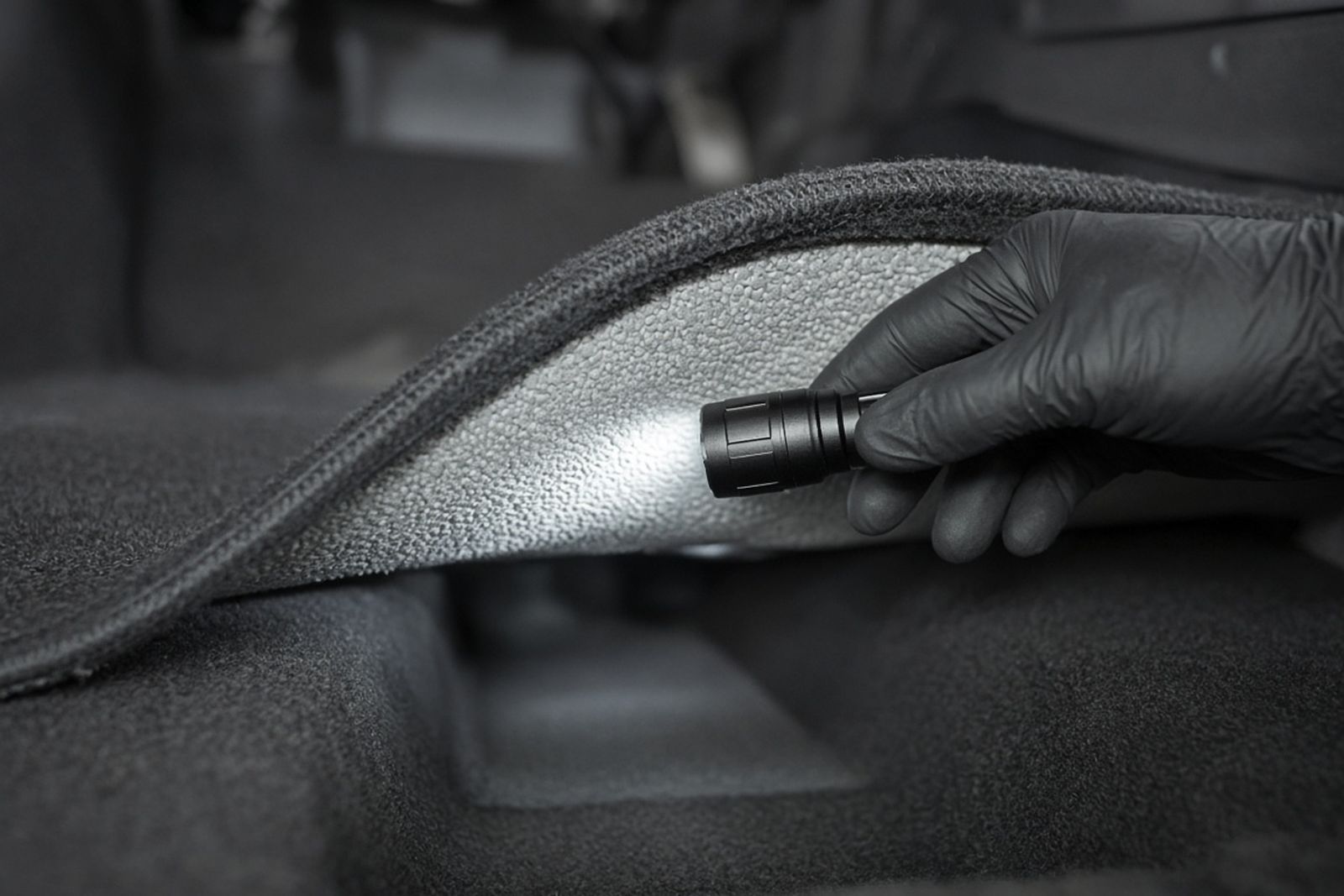
Facts worth knowing
A 2025 US cost guide says biohazard cleanup labor runs from $25 an hour for the lowest hazard level to as much as $600 for the highest.
Why it matters: Ask which hazard level your quote assumes, because the hourly rate may change a lot with it.
Employers must offer the hepatitis B vaccine within 10 working days of putting an employee in a job with exposure to blood.
Why it matters: Before asking your own employees to clean up blood, check whether this duty and other OSHA rules apply to you.
In 2024, OSHA's top fines were $16,550 for each serious violation and $165,514 for each willful or repeated one.
Why it matters: If you have your own staff clean up blood or chemicals without required training and gear, you may face fines like these.
Insurance Claim Organizer questions for vehicular biohazard cleanup
It happened while I was driving for a rideshare app. Which insurance applies?
It depends on what you were doing at that moment. You may have been waiting for a ride request, on the way to a pickup, or carrying a passenger. App companies cover some of those times. Personal policies often leave out business driving. A rideshare add-on or a business policy may fill the gap. Report it through the app and to your own insurer. Ask each one, in writing, which time period and coverage they think applies.
The car was totaled. Can I keep it and have it cleaned anyway?
Some insurers let you keep the vehicle and take a smaller payout. The vehicle then usually carries a salvage or rebuilt title. Whether that makes sense depends on the cleanup cost and the vehicle's condition. It also depends on title rules, which vary by state and county. Check with the local motor vehicle office. Ask the adjuster about this option, and get the terms in writing.
What should I photograph for the adjuster?
Photograph the inside as you found it, from several angles, before anything is moved. Include seats, floors, door panels, the fabric ceiling, and any items left inside. Then, once a company is involved, photograph each part as it is removed, showing how soaked it is. Also photograph the mileage reading and the outside of the vehicle. Actual cash value depends on mileage and condition. Keep the photos in one dated folder with the work plan.
Should I approve the cleanup before the adjuster inspects?
Locking up the vehicle and having a company assess it are sensible early steps. Approving a full tear-down and parts replacement before the insurer reviews the file is different. It can cause disputes. It may also leave you paying for work on a vehicle that then gets totaled. Ask the adjuster what they need to see and how soon they can inspect. Ask whether they will accept the company's photo record instead of a visit.
The company van was involved. Is this a commercial claim?
A fleet vehicle is usually covered by a business auto policy that the company holds. The safety or fleet manager files the claim, not the driver. Workers' comp may also be involved if an employee was hurt. The organizer works the same way. But the person handling it should be whoever the company chooses. The fleet file should keep the same records the organizer collects.
Is the organizer useful if I decide not to file a claim?
Yes. The same records help if you pay out of pocket. These include photos, the company's scope, bills, waste papers, and dates. They back up a later claim if hidden damage shows up. They answer a buyer's questions if you sell. And they help if a lender or leasing company asks what was done. Use the copy or print option to keep a summary with your vehicle records.
How should I keep track of phone calls with the adjuster?
After every call, write down the date, the person's name, what was asked, what was decided, and any deadline. Then send the adjuster a short email that sums up what you understood. Ask them to correct anything wrong. Add each note to the organizer's tracking section or your own file. This habit prevents mix-ups when adjusters change or a decision is looked at again.
Related community polls
Vote to see how other people answered. You can change your answer at any time.
If a passenger became ill in your car, what would you most likely do first?
Would you keep driving a vehicle where blood reached the seat foam if it looked clean afterward?
Other vehicular biohazard cleanup tools
Cost Range Estimator
Set the affected area, surface types, severity and extras to see a rough cost range and what pushes it up or down.
OpenCompany Vetting Checklist
Fifteen questions to ask any cleanup company, a score that shows how ready you are to hire, and a list of what is still unanswered.
OpenFirst 24 Hours Planner
Tell the planner a few facts about the situation and get an ordered list of who to call, what not to touch, and what to photograph.
OpenWaste & Disposal Classifier
Five questions about the material point to the likely waste category and which authority to confirm the rules with.
OpenDIY or Call a Pro? Risk Check
Eight yes-or-no questions that produce a risk level and explain when professional help is the safer choice.
OpenMore on vehicular biohazard cleanup
Vehicular Biohazard Cleanup services
Learn what cleanup of a car, van, RV, or boat involves after blood, illness, or death. It covers checking foam and belts, the air system, and waste.
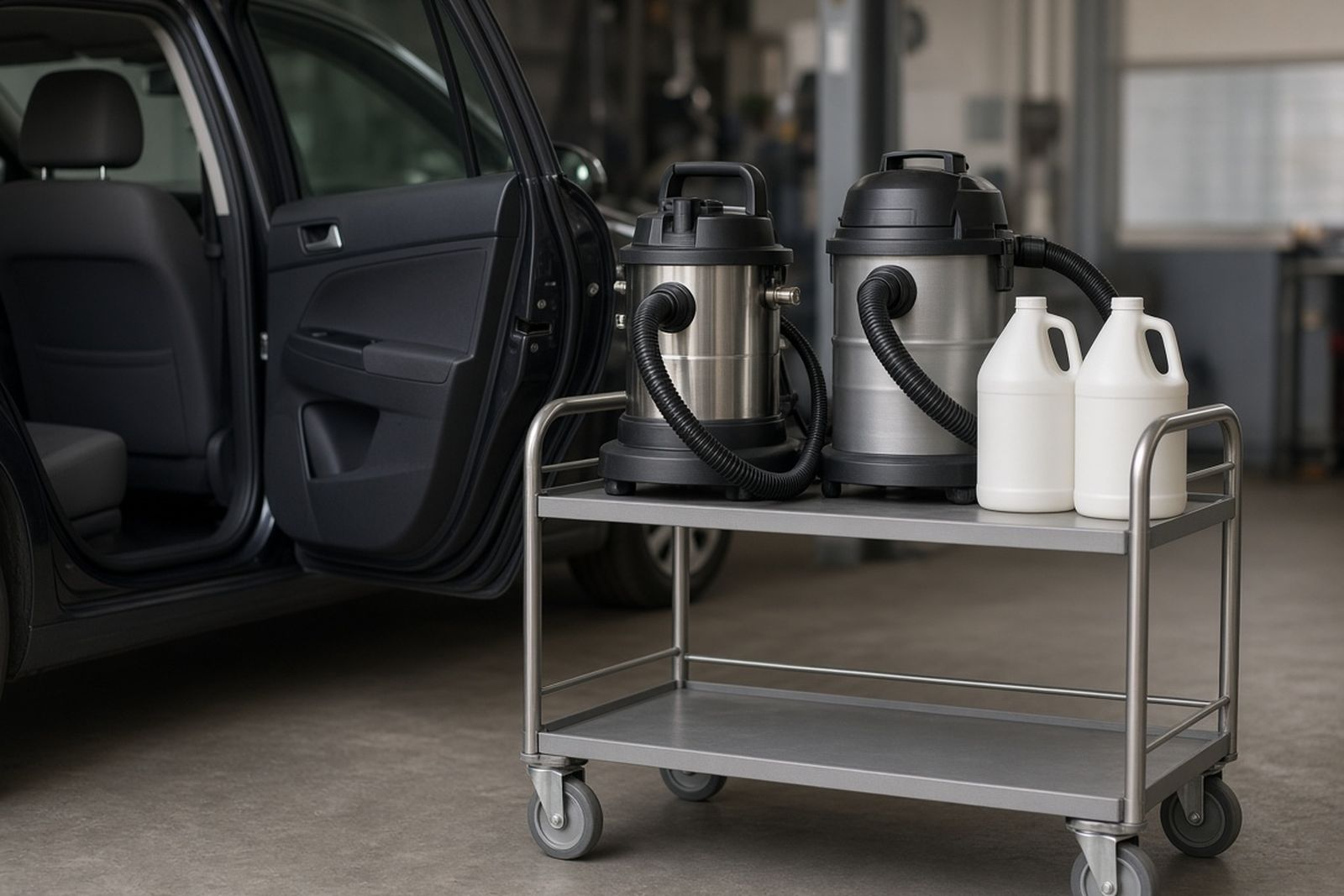
Costs explained
What drives the price, published cost ranges, and how to read a written quote line by line.
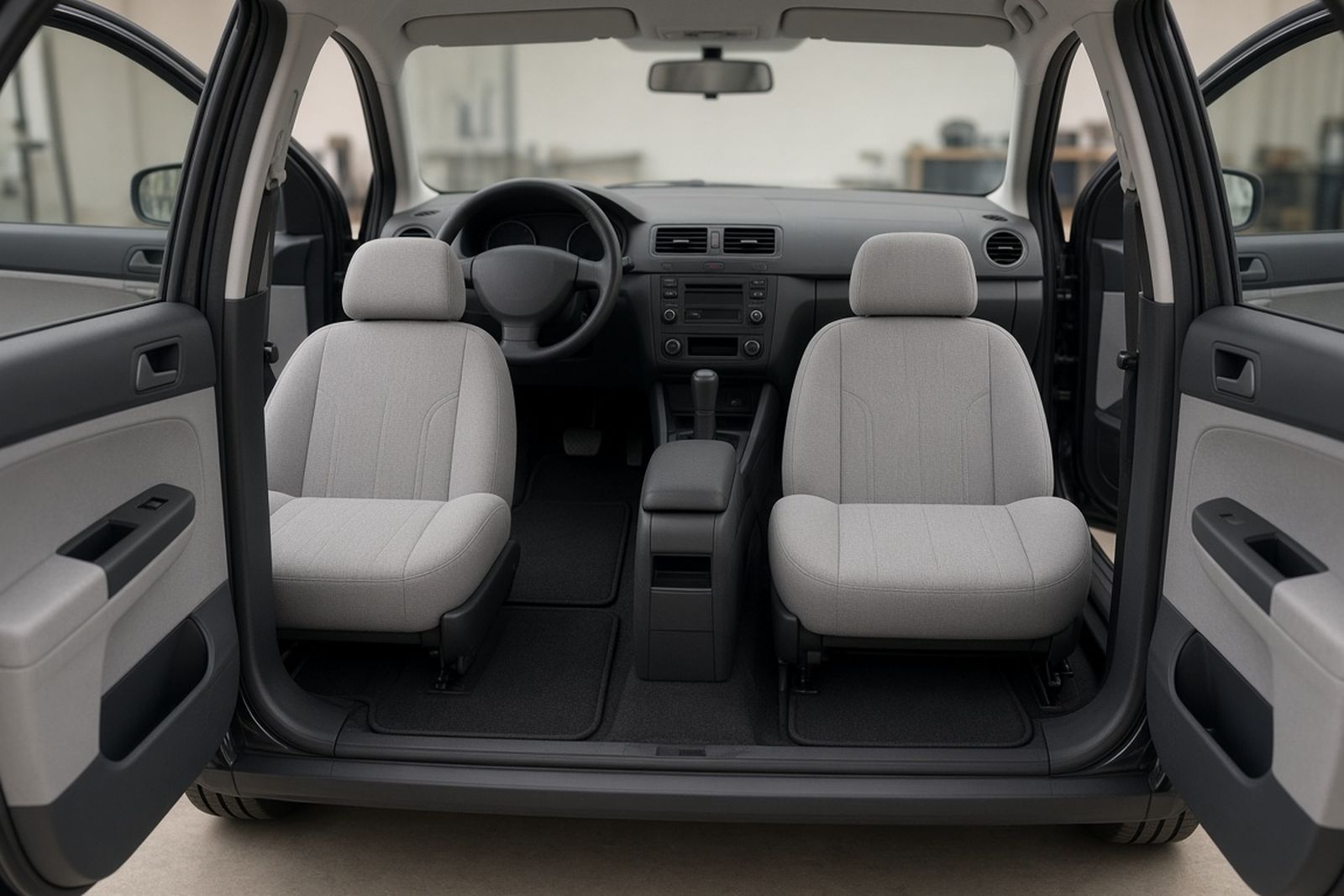
Insurance and payment
Which policies may respond, how to document a claim, and what to do if coverage is denied.
Community polls
See how other owners, rideshare drivers, and fleet managers handled soiled vehicles. Views range from first reactions to total-loss offers and what to tell buyers.
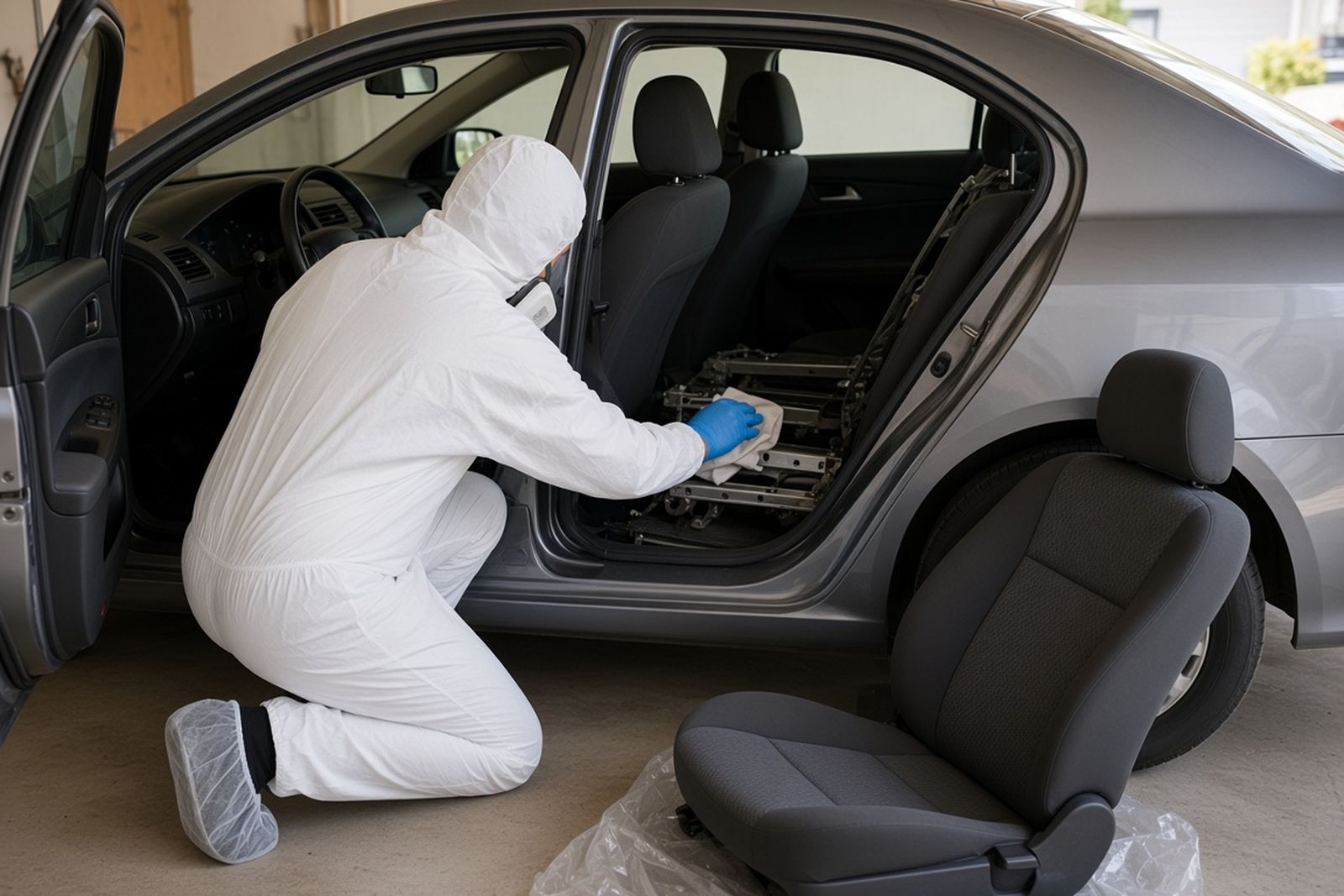
Knowledge quiz
Test what you know about soaked foam, seat belts and airbags, the car's air paths, regulated waste, and when an insurer may total the vehicle.
Articles and resources
Plain reads on rideshare cases, fleet steps, RV and boat cabins, and how heat speeds decay. Learn how to talk with an adjuster about your car or truck.