Vehicular Biohazard Cleanup planning tools
Work through cost, hiring, insurance, first steps and disposal at your own pace.
When something happens inside a vehicle, the problem fits in a parking space. But it touches insurance, safety, resale, and sometimes grief all at once. The tools on this page help you put that problem in order. They help you estimate what cleanup might involve for your type of vehicle and how bad the mess is. They help you prepare questions for a company and organize an auto insurance claim. They help you plan the first day while the vehicle sits in a driveway or lot. They explain where removed foam and soft materials have to go. And they help you decide honestly whether you should touch the cabin at all before a professional sees it.
Get an email reply about vehicular biohazard cleanup
Send a short message to the follow-up inbox. A coordinator can reply by email. This form does not send emergency help; call 911 first if anyone is in danger.
Choose a tool
Each tool is free and private: nothing you type is saved or sent anywhere. Use the results to get ready for a visit from a cleanup company or a call with your insurer.

Cost Range Estimator
Set the affected area, surface types, severity and extras to see a rough cost range and what pushes it up or down.
Open tool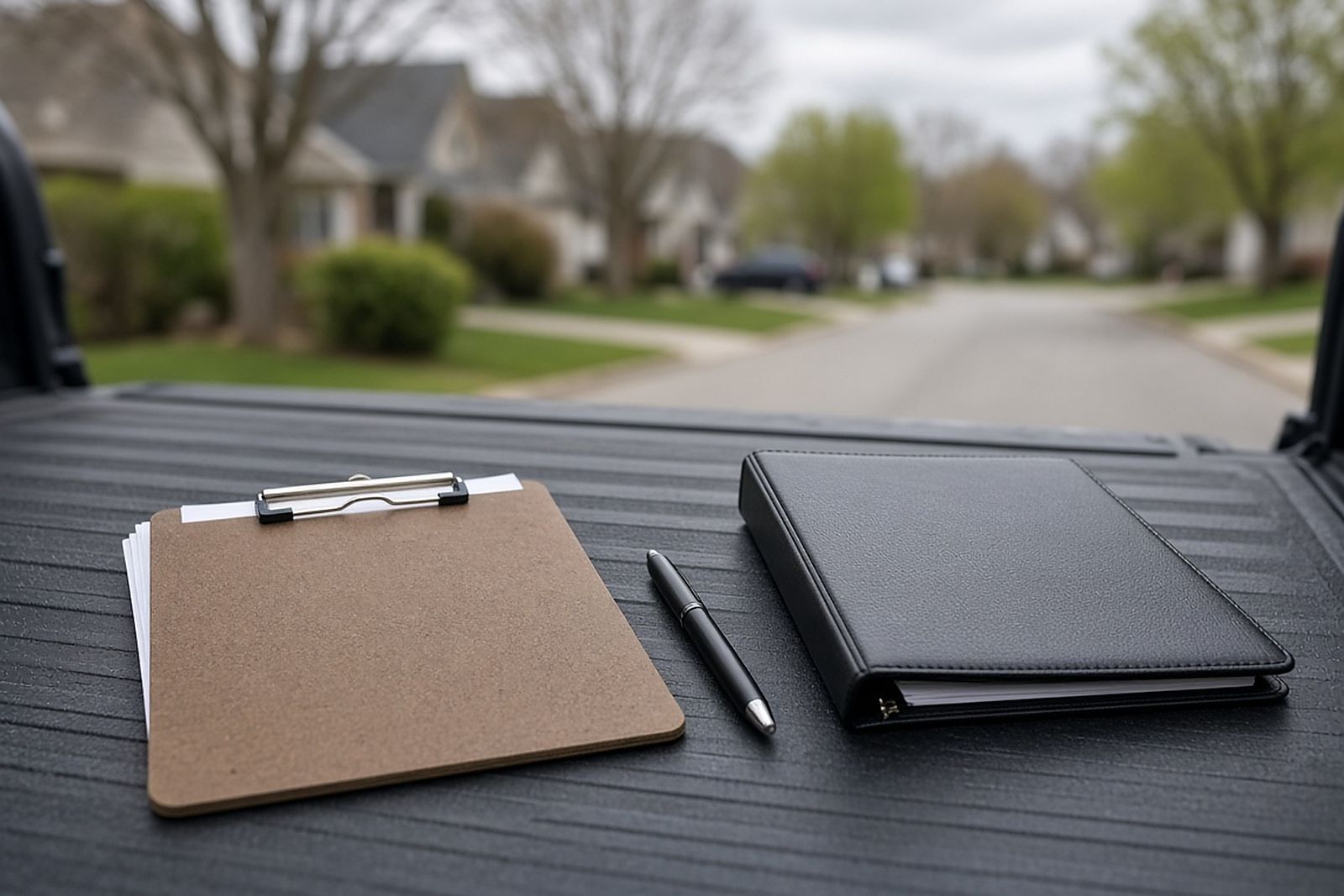
Company Vetting Checklist
Fifteen questions to ask any cleanup company, a score that shows how ready you are to hire, and a list of what is still unanswered.
Open tool
Insurance Claim Organizer
A guided checklist from finding the policy to tracking the insurer’s decision, with a printable summary of where the claim stands.
Open tool
First 24 Hours Planner
Tell the planner a few facts about the situation and get an ordered list of who to call, what not to touch, and what to photograph.
Open tool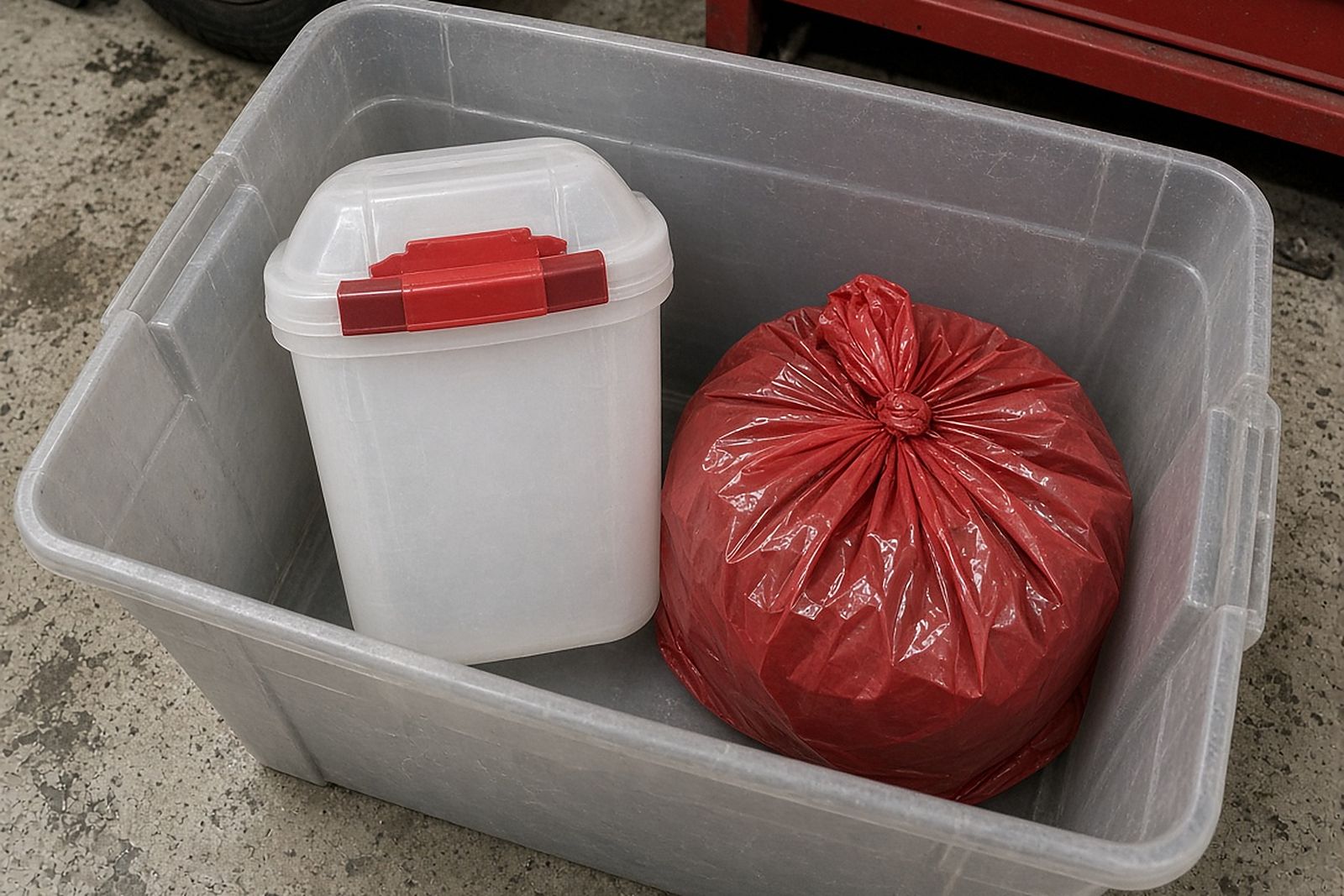
Waste & Disposal Classifier
Five questions about the material point to the likely waste category and which authority to confirm the rules with.
Open tool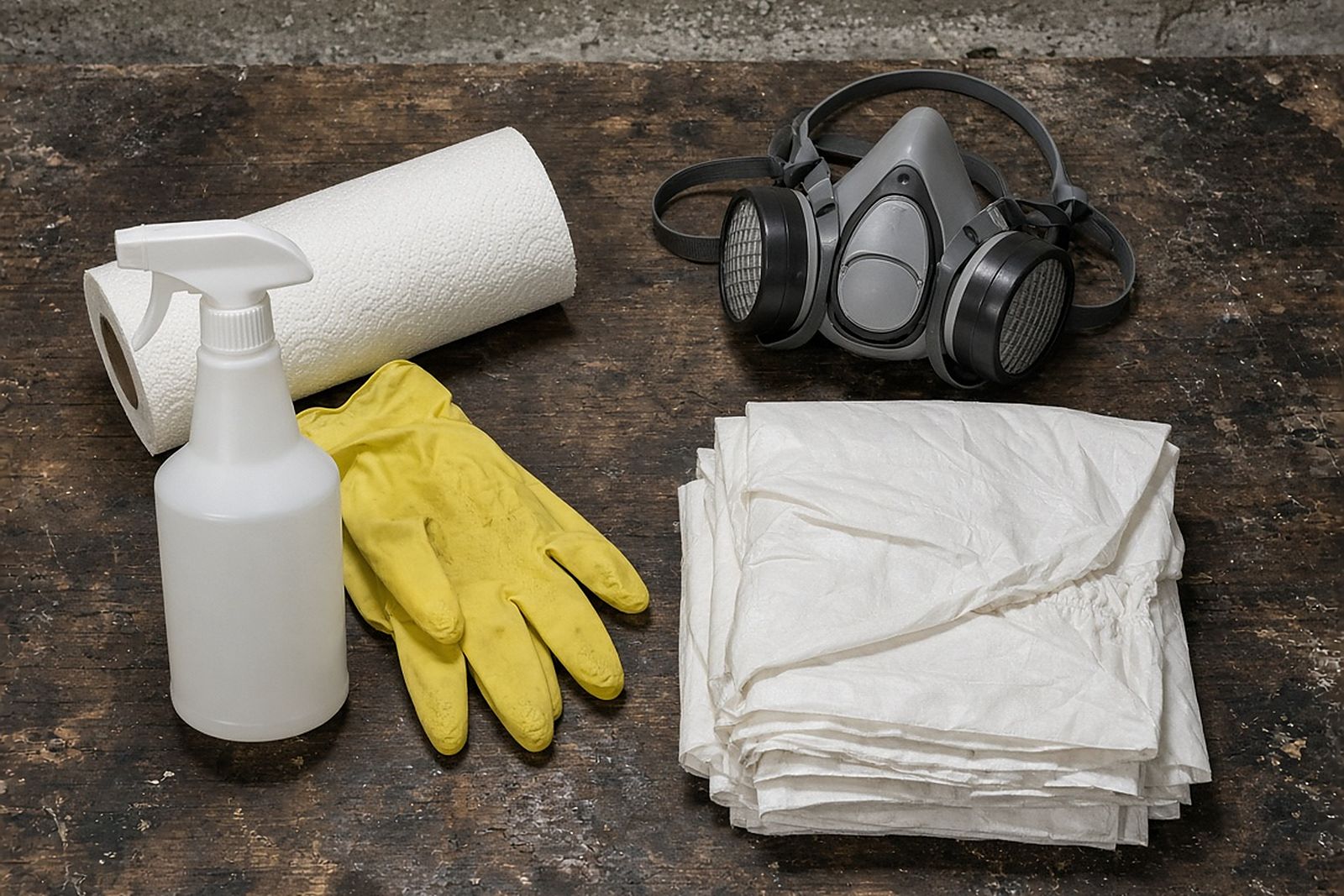
DIY or Call a Pro? Risk Check
Eight yes-or-no questions that produce a risk level and explain when professional help is the safer choice.
Open toolKnowledge quiz
A short quiz with an explanation for every answer, so you can check what you know before you make decisions.
Take the quizHow these tools fit vehicular biohazard cleanup
Each tool is built for vehicles, not buildings. The cost estimator uses cabin area, the mix of hard and soft surfaces, and how bad the mess is. Those things, more than the vehicle's make, decide whether the job is cleaning or replacing parts. It also has an option for several vehicles, which fleets need. The vetting checklist asks about airbag and seat belt handling, cabin air systems, and waste routes. A general cleaning checklist would miss those. The first-day planner considers whether the authorities have released the vehicle, whether it is a rideshare or fleet vehicle, and whether it is sitting in heat. The waste tool sorts blood and decay materials apart from vomit and urine. The DIY check asks about needles and other sharp objects, foam, and safety systems.
Know the limits. No tool can inspect your seat foam, read your policy, or predict whether an adjuster will total the vehicle. The results are ranges, prompts, and checklists meant to teach. Rules on waste and on what you must tell buyers vary by state and county, so check with the local authority. The network does not do cleanup work. It does not certify companies, and it has no deal with any insurer or rideshare app. It helps you find companies and gives you the words to check them. Use the tools so you come to that talk informed. Then let the worker who opens the cabin, and the adjuster who reviews the file, make the choices that depend on what they find.
Facts worth knowing
In one hospital-room test published in 2022, bacteria counts on surfaces fell 98% when a specific fogging system was added after standard cleaning.
Why it matters: Fogging was added after cleaning here, not used in place of it, so ask whether your quote includes both steps.
In a test published in 2022, a specific automated peracetic-acid system cut bacteria on bus surfaces by 81.7% overall.
Why it matters: Treatment lowered germs but did not remove them all, so ask what hand cleaning you get before your vehicle is treated.
Employers must offer the hepatitis B vaccine within 10 working days of putting an employee in a job with exposure to blood.
Why it matters: Before asking your own employees to clean up blood, check whether this duty and other OSHA rules apply to you.
What other people chose
Vote to see how other people answered. You can change your answer at any time.
If a passenger became ill in your car, what would you most likely do first?
Would you keep driving a vehicle where blood reached the seat foam if it looked clean afterward?
Questions about the vehicular biohazard cleanup tools
Which tool should I open first?
If the incident just happened, start with the first 24 hours planner. It covers whether the vehicle can be touched, who to tell, and how to keep it locked up. If the vehicle is stable and you are deciding what to do next, use the DIY risk check and the cost estimator. Use the vetting checklist when you are ready to contact companies. Use the claim organizer as soon as you decide to involve an insurer.
Are my answers saved or shared?
Your answers stay in your browser during your visit, so you can print or copy the results. They are not sent to the network, to companies, or to insurers unless you paste them into a message yourself. If you close the page, your entries may be lost. So save or print a summary if you want it for a claim file or a fleet record.
Can the estimator tell me whether my vehicle will be totaled?
No. It gives a cost range for learning and explains what drives it. The total-loss choice compares the real cost of cleanup and repair with the vehicle's actual cash value. Only the insurer makes that choice, based on an inspection and a written work plan. The estimator can help you guess whether that comparison is likely to be close. That is useful when you are deciding whether to approve work before the adjuster responds.
Do the tools work for boats and RVs?
Yes, with some changes. The estimator lets you mark a larger living space and the presence of plumbing or holding tanks. The planner and the waste tool account for boat and RV materials. A boat's bilge and an RV's plumbing add problems that the guides cover in more depth. It is worth looking for companies who have worked on these types of vehicles.
I drive for a rideshare platform. Do these tools cover that?
They do. The planner and the claim organizer include steps for reporting through the app. They help you record the incident and the passenger involved without sharing personal data you do not need to. They also explain that app coverage, personal auto coverage, and any business policy may each apply to different time periods. Coverage terms differ by app company and by state. So check directly with the app company and your insurer.
Why does the waste classifier distinguish vomit from blood?
Because the waste type and handling can differ. Blood and fluids from a body after death are treated as possibly infectious. They may make soaked foam regulated medical waste. Vomit and urine are unpleasant and unclean, but they are often handled under different rules. The tool asks so it can point you to the right authority. Rules vary by state and county, so checking with them is always the last step.
Can a company or fleet manager use these tools with me?
Yes. Fleet managers use the vetting checklist to make vendor choices the same each time. They use the waste tool to write disposal steps. Companies sometimes go through the checklist with a customer during an assessment. A company who welcomes the questions is showing you how they communicate. One who brushes them off has answered a question you did not even need to ask.
More on vehicular biohazard cleanup
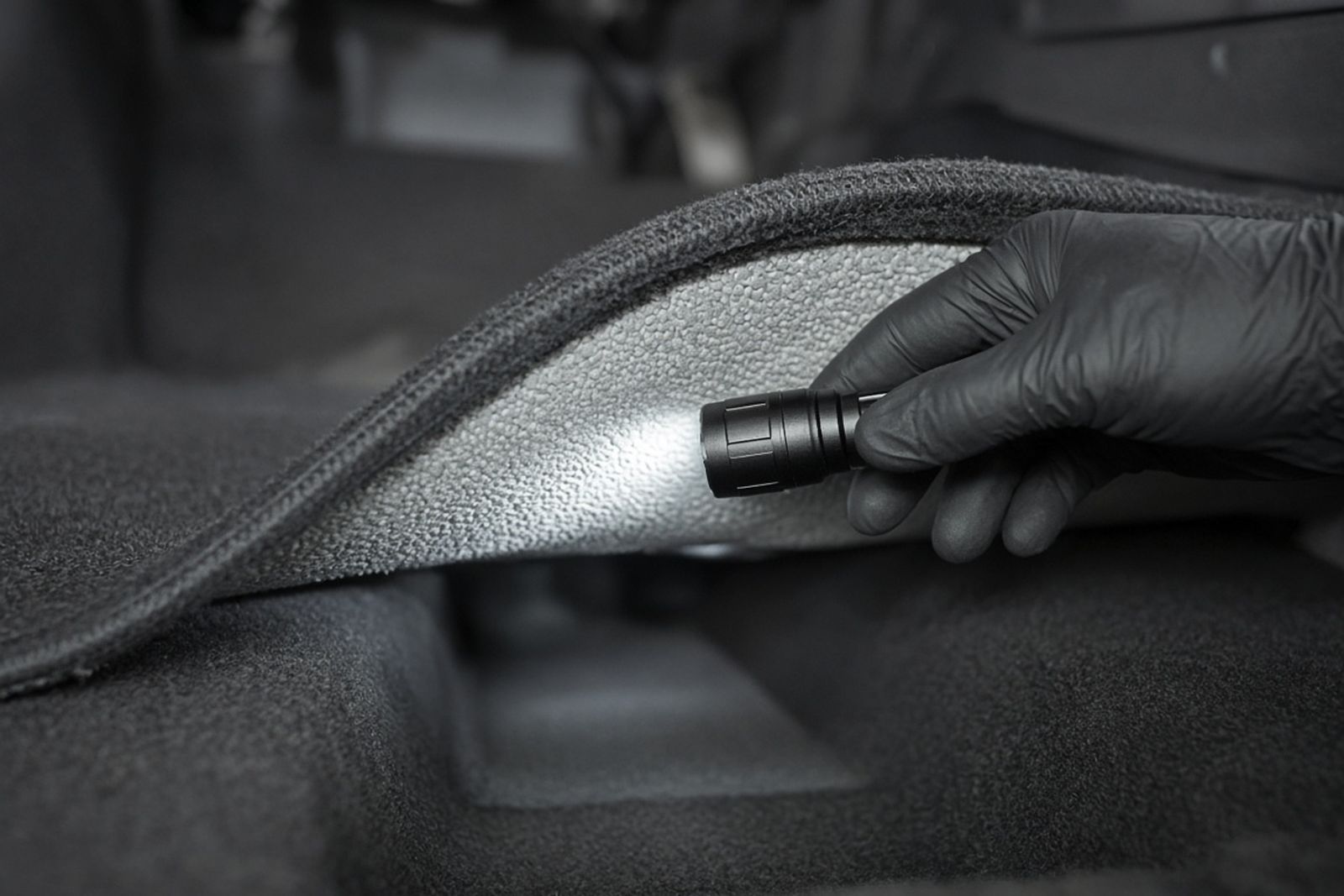
Vehicular Biohazard Cleanup services
Learn what cleanup of a car, van, RV, or boat involves after blood, illness, or death. It covers checking foam and belts, the air system, and waste.
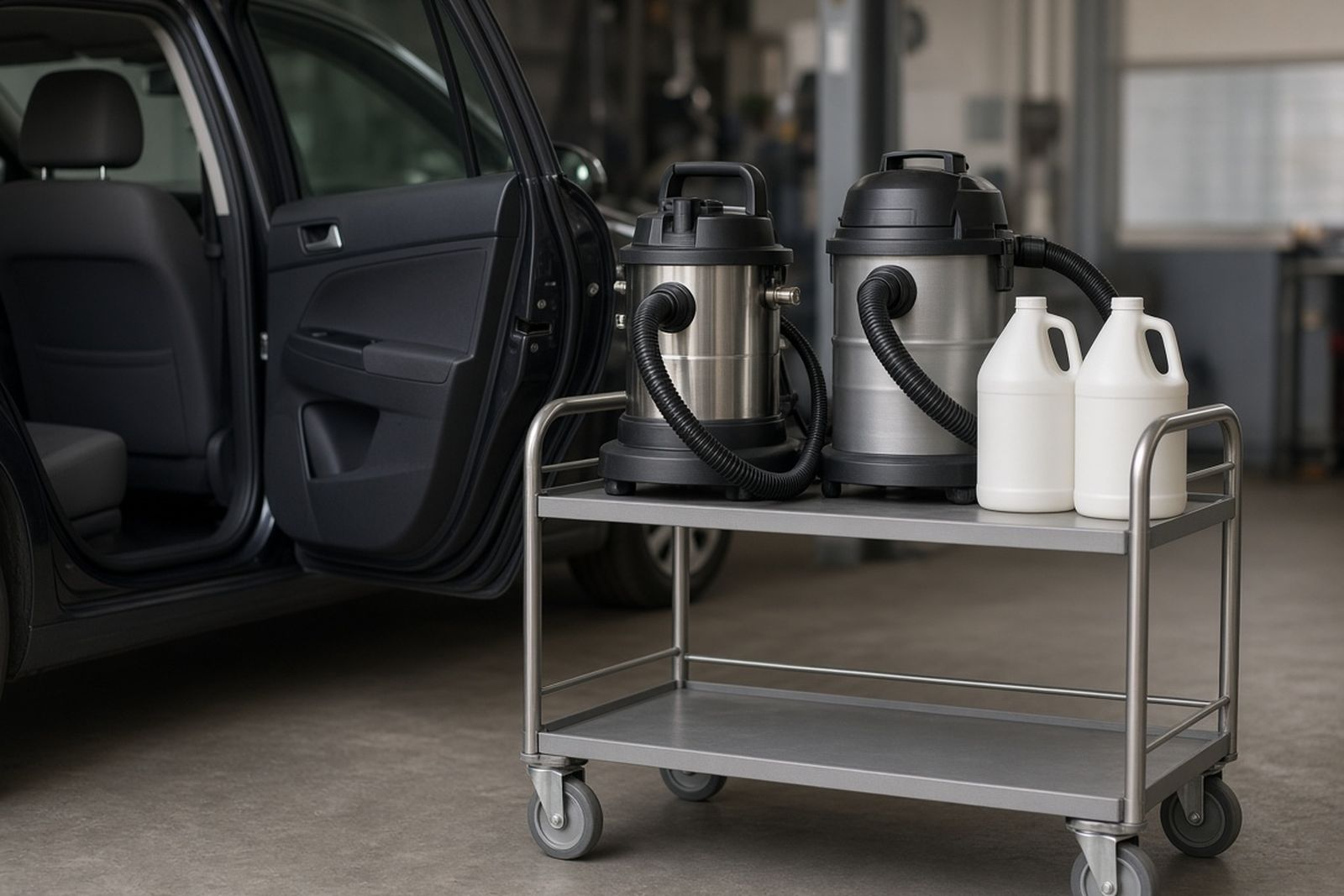
Costs explained
What drives the price, published cost ranges, and how to read a written quote line by line.
Insurance and payment
Which policies may respond, how to document a claim, and what to do if coverage is denied.
Community polls
See how other owners, rideshare drivers, and fleet managers handled soiled vehicles. Views range from first reactions to total-loss offers and what to tell buyers.
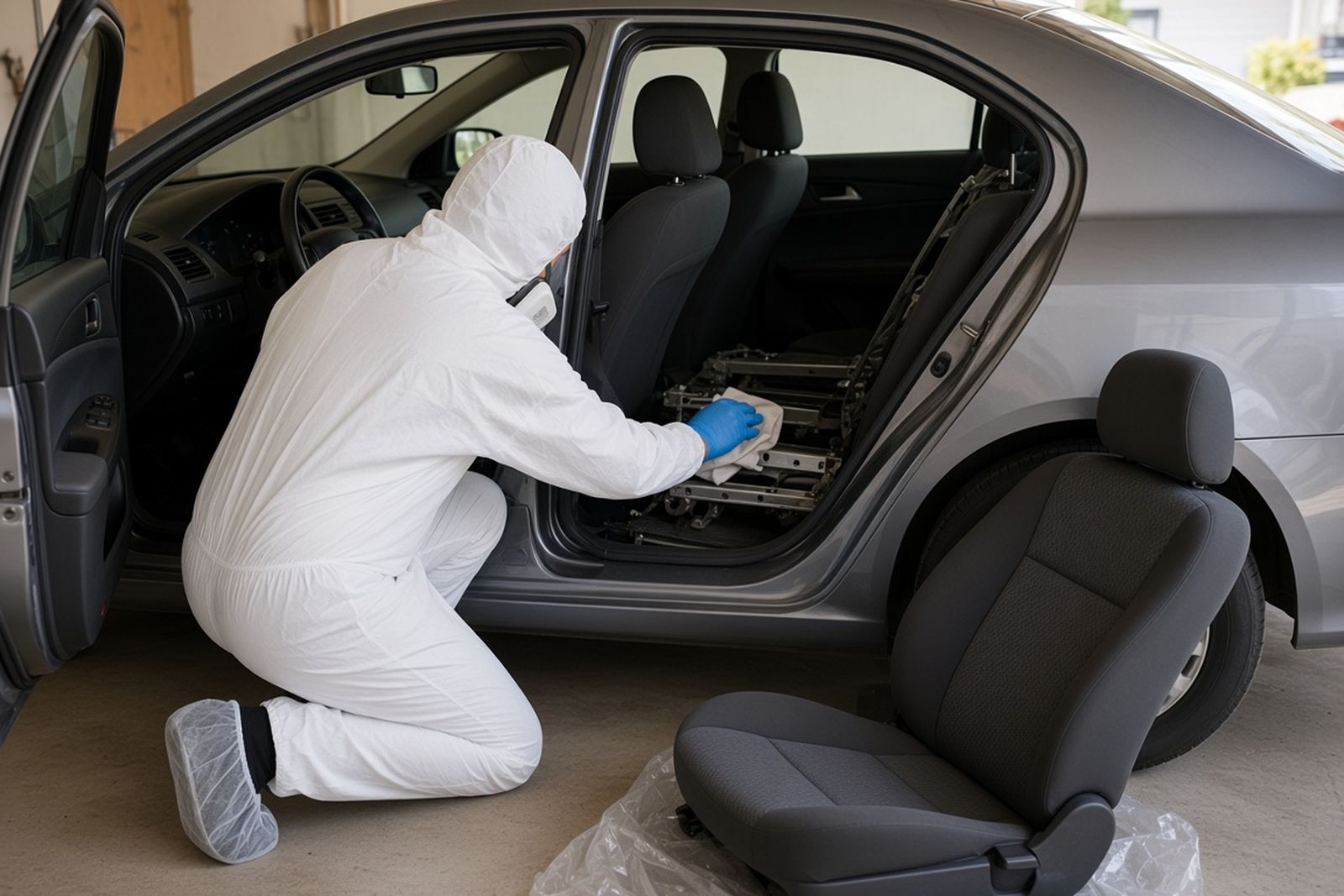
Knowledge quiz
Test what you know about soaked foam, seat belts and airbags, the car's air paths, regulated waste, and when an insurer may total the vehicle.
Articles and resources
Plain reads on rideshare cases, fleet steps, RV and boat cabins, and how heat speeds decay. Learn how to talk with an adjuster about your car or truck.