Crime Scene Cleanup: Costs & Insurance
What crime scene cleanup costs, how to compare estimates, and how insurance usually works. Coverage depends on your policy, so ask your insurer early.
This group explains how crime scene cleanup is priced. It also explains how insurance and victim assistance programs may help pay for it. Posts walk through what shapes an estimate. That includes how far the contamination spread, how much material must be removed, how hard the space is to reach, and waste handling. You will also find help with reading a homeowner's or landlord's policy and recording a claim. And you will learn about applying to state crime victim compensation programs where they exist.
Get an email reply about crime scene cleanup
Send a short message to the follow-up inbox. A coordinator can reply by email. This form does not send emergency help; call 911 first if anyone is in danger.
Money questions come at a hard moment. Pressure to sign fast can lead to confusion later. Knowing what drives a price helps you compare written estimates fairly. It helps you notice when one adds cosmetic repairs or leaves out waste disposal. Knowing the basics of coverage lets you talk clearly with your adjuster. You do not have to rely on a company's promises, since no company can promise what your insurer will decide.
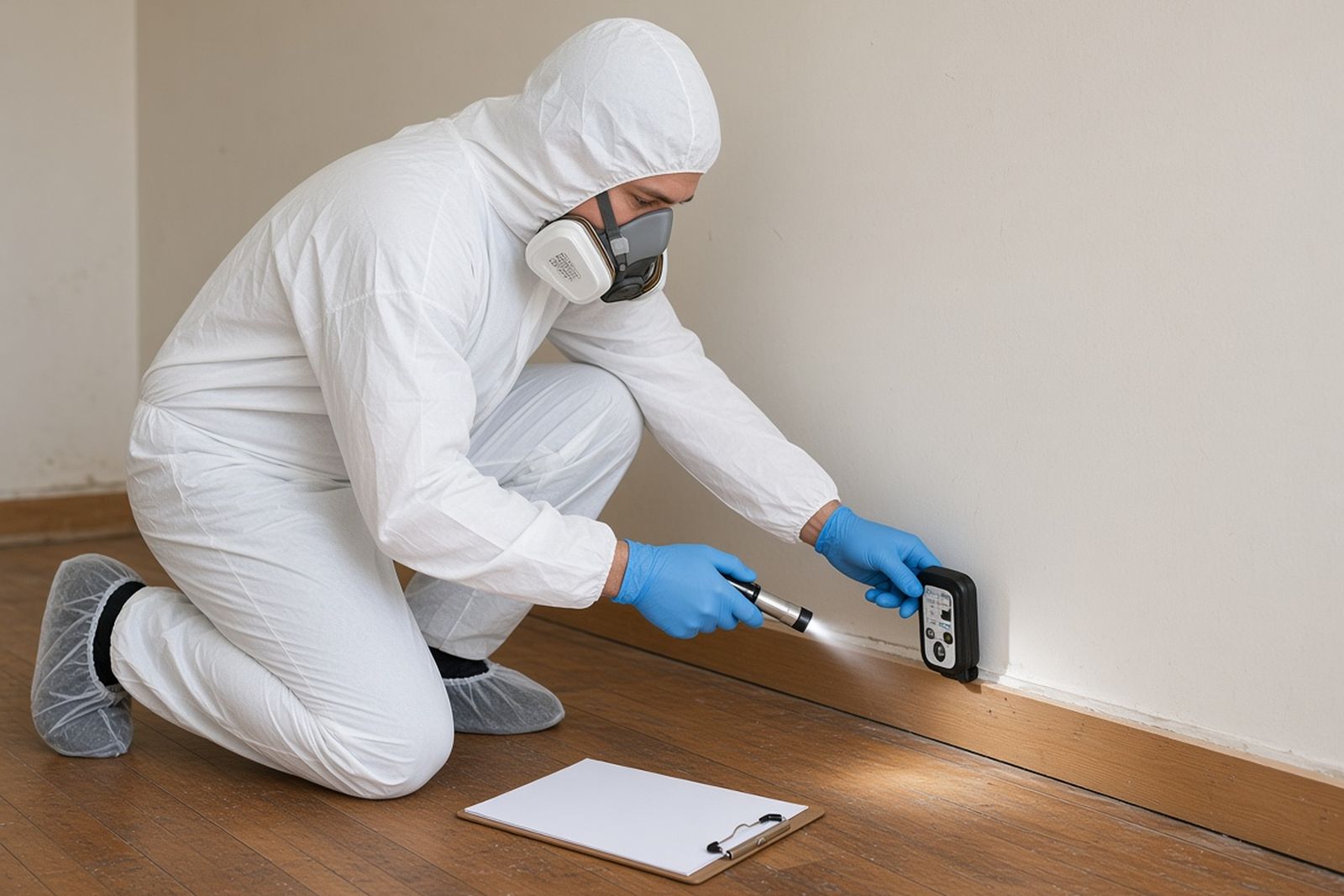
What Drives Crime Scene Cleanup Cost?
What raises or lowers your bill for crime scene cleanup: how far the mess spread, what soaked it up, police residue, after-hours calls and waste disposal.
Your cost depends mostly on how far blood and other fluids spread and which materials soaked them up. It also depends on how many workers and hours the job needs, whether police residue must be removed, and how much regulated waste leaves the site. Emergency timing and access matter too. Ask for a written, itemized work plan so you can see which of these shape your price.
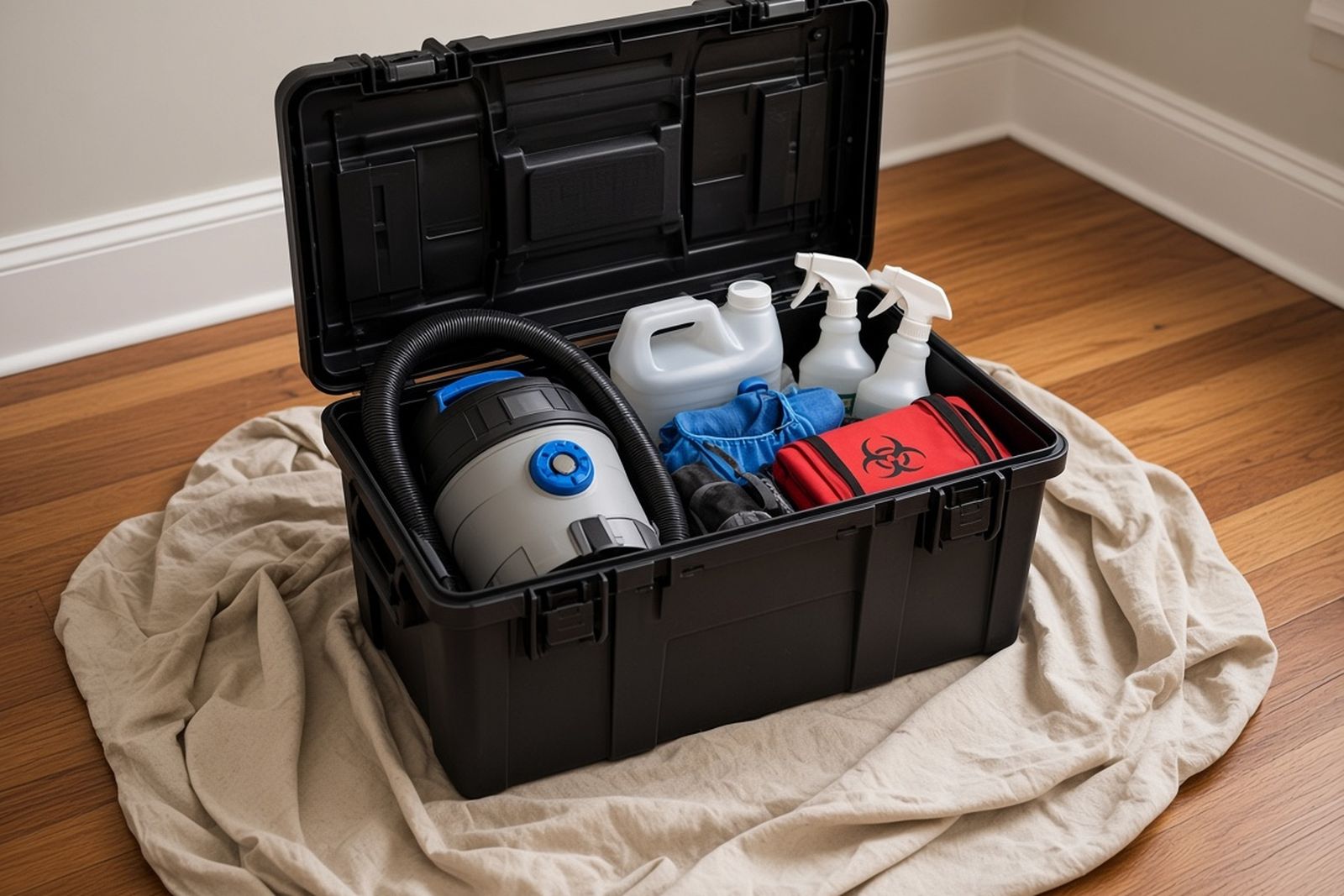
Does Homeowners Insurance Cover Crime Scene Cleanup?
How a homeowners policy treats cleanup after a burglary, assault or break-in at your home. Learn what adjusters ask for and where victim compensation can fill gaps.
Sometimes. It depends on how your policy words the causes of loss it covers, whether the damage counts as direct physical loss, and which exclusions apply. Many owners get part of the cost covered for the damaged building and belongings, but gaps remain. Read your declarations page, the summary page of your policy. Call your insurer early, and ask your state victim compensation program about cleanup costs.
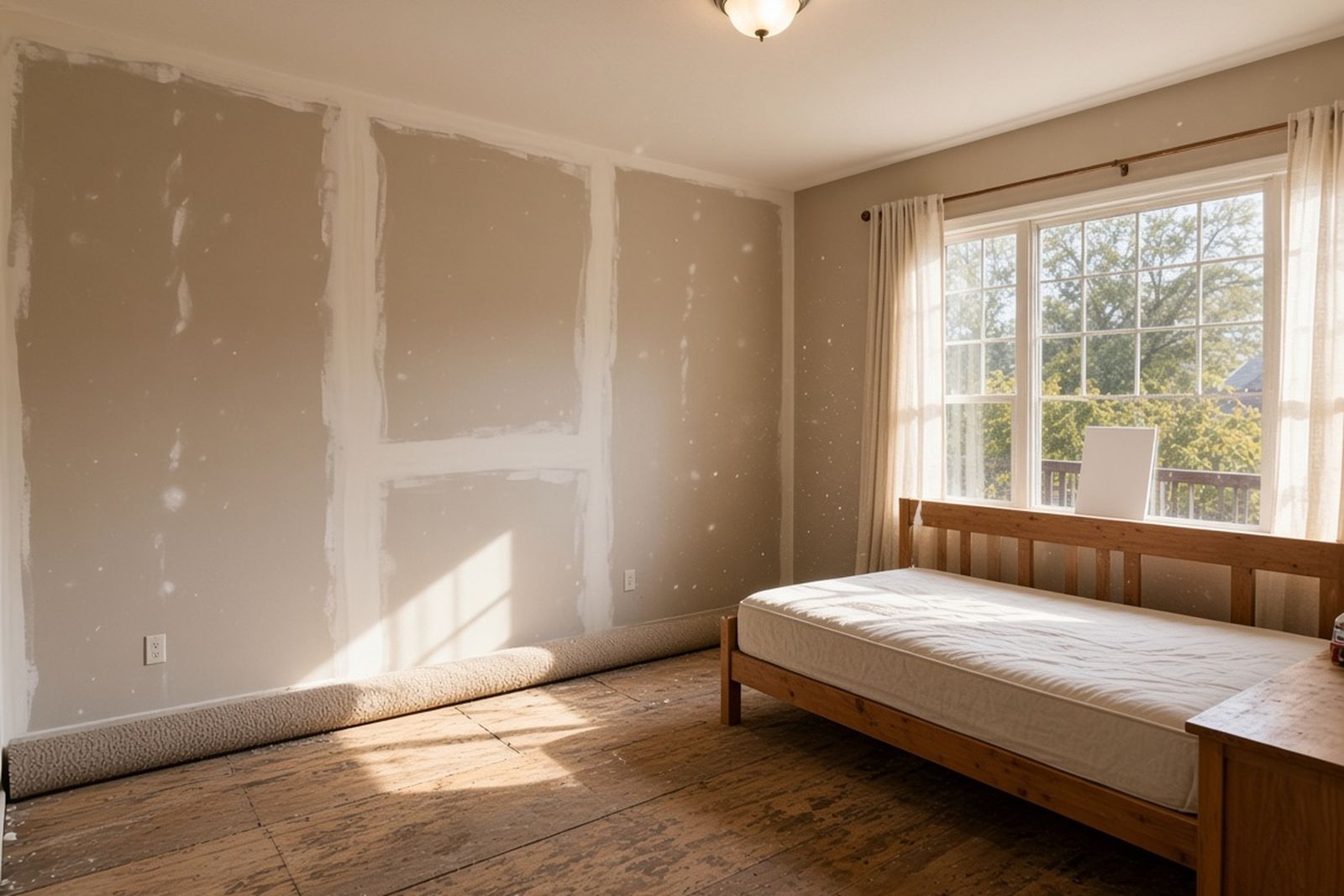
How to Compare Low and High Crime Scene Cleanup Bids
How to compare low and high crime scene cleanup bids line by line. Learn to spot missing work and choose the quote that makes your property safe again.
Compare bids by the work they include, not by the total price. Put the quotes side by side and check each one for inspection, closing off the area, removal of soft materials, disinfection, waste disposal, final checks and records. A low bid that skips any of these can cost you more later. Ask each company to explain what it assumed, how changes get approved and what records you will get.
Facts worth knowing
Ohio paid 1,977 crime victim compensation awards in fiscal year 2024, averaging $3,716 each, across all kinds of costs, not just cleanup.
Why it matters: These programs do pay real claims, so it may be worth applying if you are a victim with crime-related bills.
Insured flood victims in a study published in 2022 said different insurers handled similar claims in different ways.
Why it matters: Do not rely on what a neighbor's insurer did; ask your own insurer to confirm in writing what it will cover.
Eligible crime victims in California can get up to $70,000 in total repayments for crime-related costs through the state's victim compensation board.
Why it matters: Cleanup has its own lower limit within this total, so ask the program which of your costs qualify.
Costs & Insurance: common questions
Will my homeowner's insurance pay for crime scene cleanup?
Many property policies pay for sudden, accidental damage. Some cover cleanup after a violent event. But policy wording, exclusions, and deductibles vary widely. Call your insurer and describe what happened. Ask if cleanup falls under the coverage for your home's structure or for its contents. Get the claim number and the adjuster's name before work begins. Keep every estimate and bill.
What is crime victim compensation, and can it help with cleanup costs?
Most states run a crime victim compensation program to help victims and their families with certain costs. Some programs count crime scene cleanup as a covered cost. They often have conditions, such as reporting the crime and applying within a set time. Contact your state program or a victim advocate. You can reach one through the police department or the prosecutor's office. They can tell you what applies to your case.
Why do two crime scene estimates for the same room differ so much?
Estimates can differ for several reasons. Companies may judge how deep the contamination goes differently. Some include waste disposal or test results, and some leave them out. Some add rebuilding work that is not part of cleanup. Compare the estimates line by line. Ask each company what it plans to remove, how it will confirm the area is clean, and which costs could change once tear-out begins.
Do I need to pay the company before insurance pays?
It depends on the company and your insurer. Some companies bill insurers directly and wait for payment, while others require payment from you and leave reimbursement to you. Ask each company how it handles this before signing. Read any assignment of benefits carefully. If you need to pay first, keep receipts and documentation to support reimbursement.
Can I claim cleanup costs on my taxes?
How taxes treat these costs depends on your case and changes over time. Some losses may be deductible under certain conditions. Business owners may treat costs differently from homeowners. Keep all receipts, insurance letters, and reports. Ask a tax pro before you file. Do not rely on a cleanup company's advice about taxes, since that is outside what they know.
What if the person who caused the damage is ordered to pay restitution?
A court may order restitution to cover certain losses, which could include cleanup. Payments may be slow or incomplete. Keep records of what you paid and what insurance or compensation programs covered. Tell the prosecutor's office or victim advocate about your costs. Do not delay necessary cleanup while waiting on restitution, since it can take a long time.
Why does my insurer want to inspect before cleanup begins?
The adjuster may want to see the damage to understand the claim and confirm what the policy covers. Waiting can make things worse, such as when odor is building or a family has nowhere else to stay. If so, tell the insurer. Ask if photos and a company's written review can take the place of a visit. Keep notes on the call.
Related community polls
Vote to see how other people answered. You can change your answer at any time.
What was the hardest thing to figure out in the first day after the scene was released?
Which type of incident brought you to this topic?
More on crime scene cleanup
Crime Scene Cleanup services
See what crime scene cleanup covers, from blood and police residue to tear gas and cars, and what the work does not include.
Costs explained
What drives the price, published cost ranges, and how to read a written quote line by line.
Insurance and payment
Which policies may respond, how to document a claim, and what to do if coverage is denied.
Planning tools
Planners, checklists, and guides you can click through for the days after police release a crime scene, each built for this situation.
Community polls
See what other readers think about the choices people face after a crime at their property, from picking a company to what surprised them most.
Knowledge quiz
Test what you know about scene release, sealing off the area, disinfecting, waste, and checking the work, with a short quiz and a plain study guide.
Field guides
Longer step-by-step guides on confirming scene release, working with insurers, reading a cleanup job plan, and keeping people safe while work is underway.
City guides
Find local facts and reach companies by area, with reminders that license and disposal rules vary by state and county.