Short answer
Your cost depends mostly on how far blood and other fluids spread and which materials soaked them up. It also depends on how many workers and hours the job needs, whether police residue must be removed, and how much regulated waste leaves the site. Emergency timing and access matter too. Ask for a written, itemized work plan so you can see which of these shape your price.
Why is there no single price for crime scene cleanup?
Two scenes that sound alike on the phone can need very different work. In a break-in, an intruder might cut a hand on window glass and leave a few drops on tile. An assault in a carpeted bedroom might leave soaked flooring and spatter on the walls. It might also leave police residue on every surface investigators checked. Companies price the work, not the name of the event.
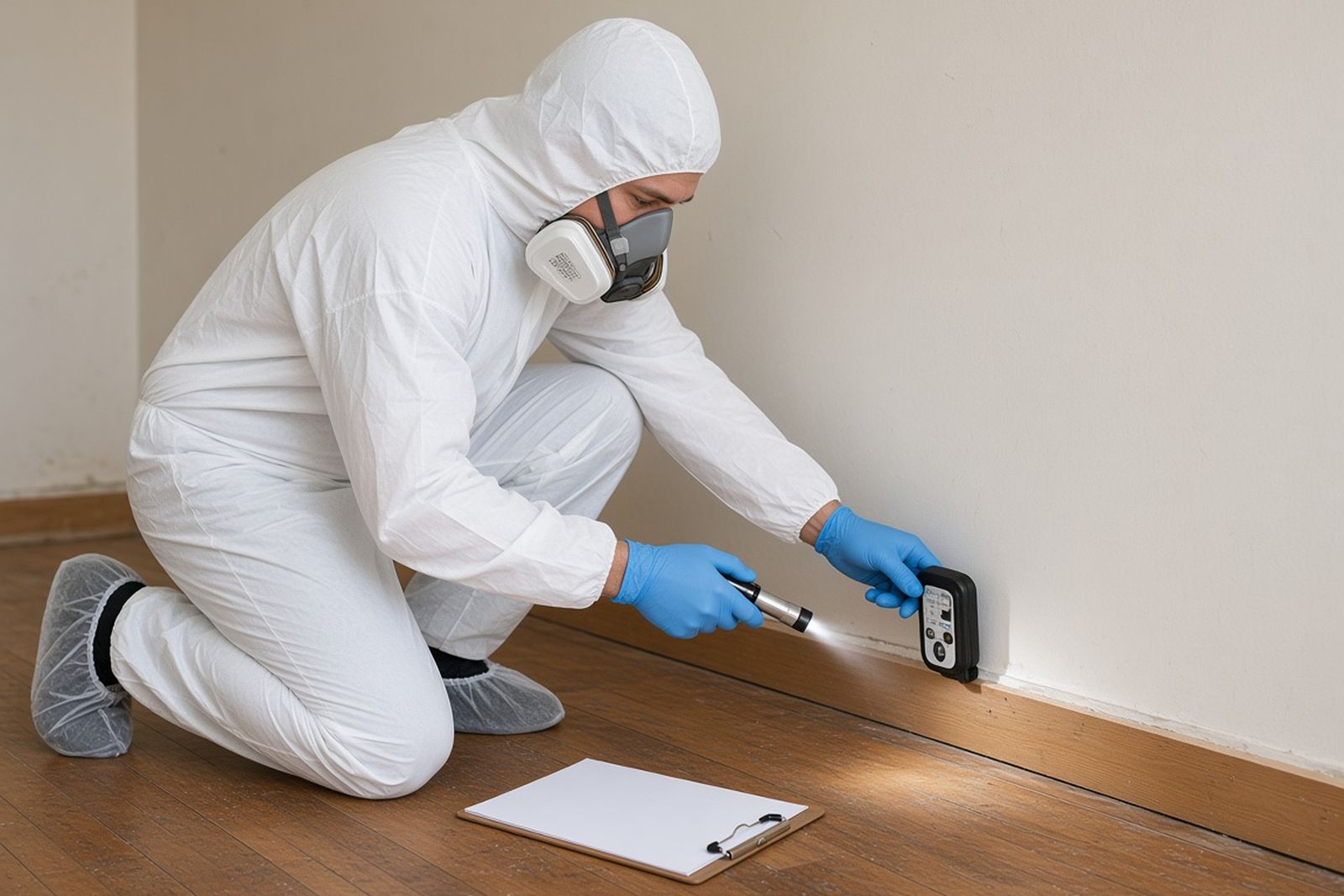
That is why reputable companies avoid quoting a firm total before they see the site or detailed photos. They may give you a broad range over the phone. But the real number comes from an inspection of what is really there. If someone offers you a guaranteed flat price without seeing the scene, ask what happens when the job turns out to be larger.
How pricing is usually structured
Most companies bill for labor time, materials and disposal, sometimes with a separate charge for equipment. Labor tends to be the largest part. According to Fixr's 2025 cost guide, professional crime scene and after-death cleanup is typically billed at $400 to $600 per hour. That rate pays for a whole crew, protective gear and special products, not a single worker.
Some companies quote by the job for smaller, clearly defined scenes. Others prefer to bill for time and materials. That is because the full spread is not always visible until flooring or baseboards come up. Either approach can be fair to you. What matters is that the method is explained in writing before work begins.
- Labor, often billed per crew hour
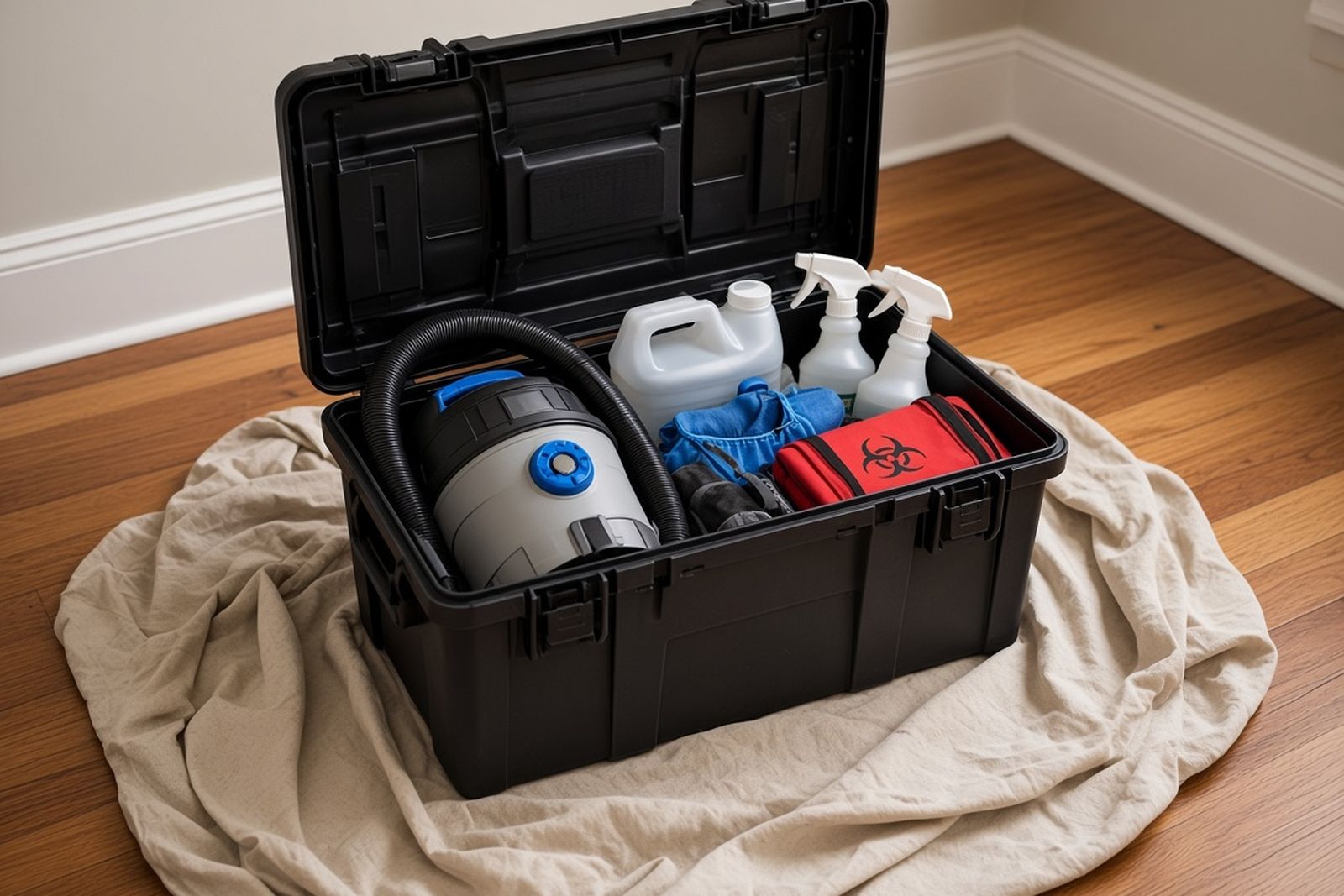
- Protective gear that is used and thrown away on site
- Cleaning products, disinfectants and absorbent materials
- Regulated waste containers, hauling and disposal
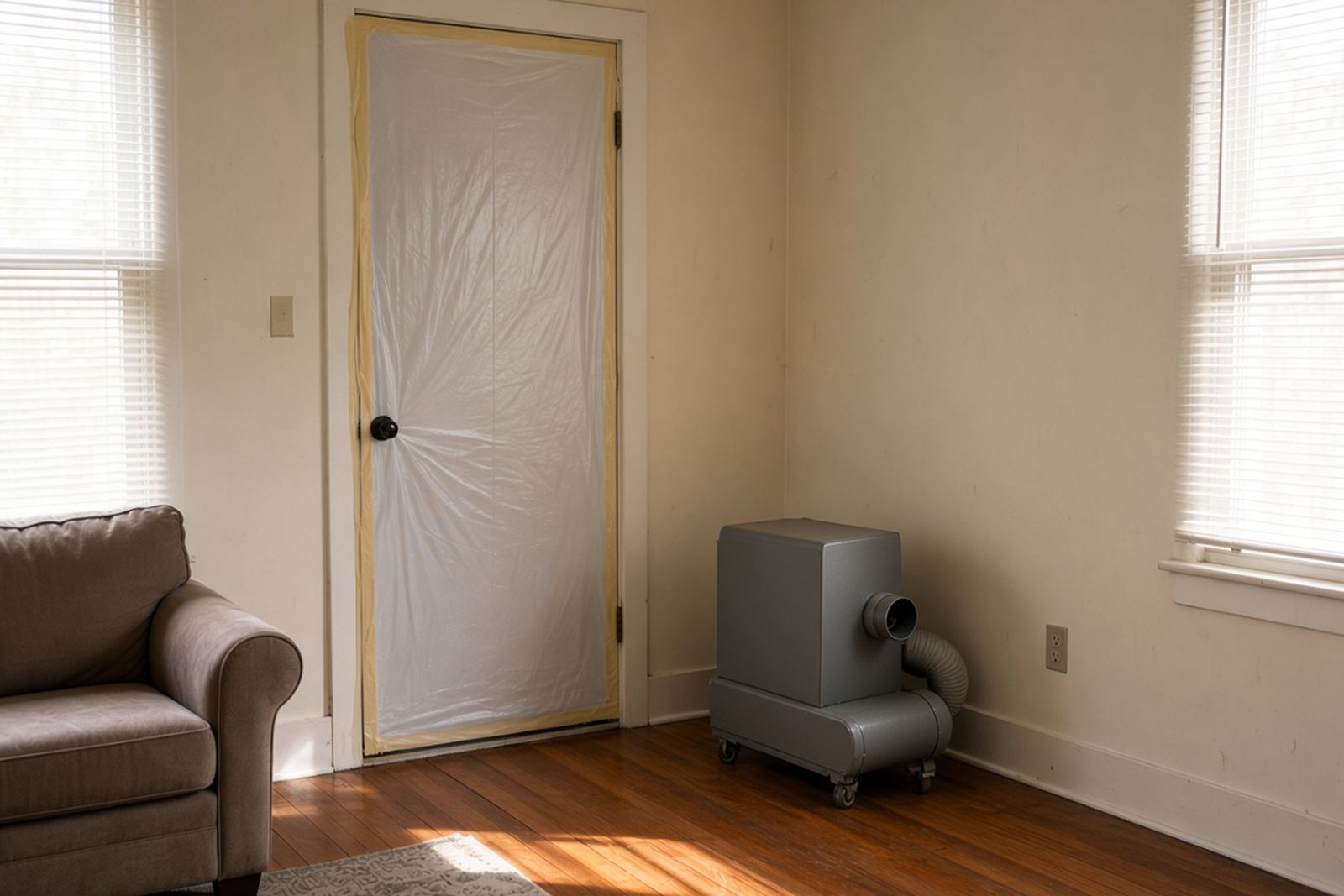
- Equipment such as air-cleaning machines or ozone or hydroxyl odor units, where used
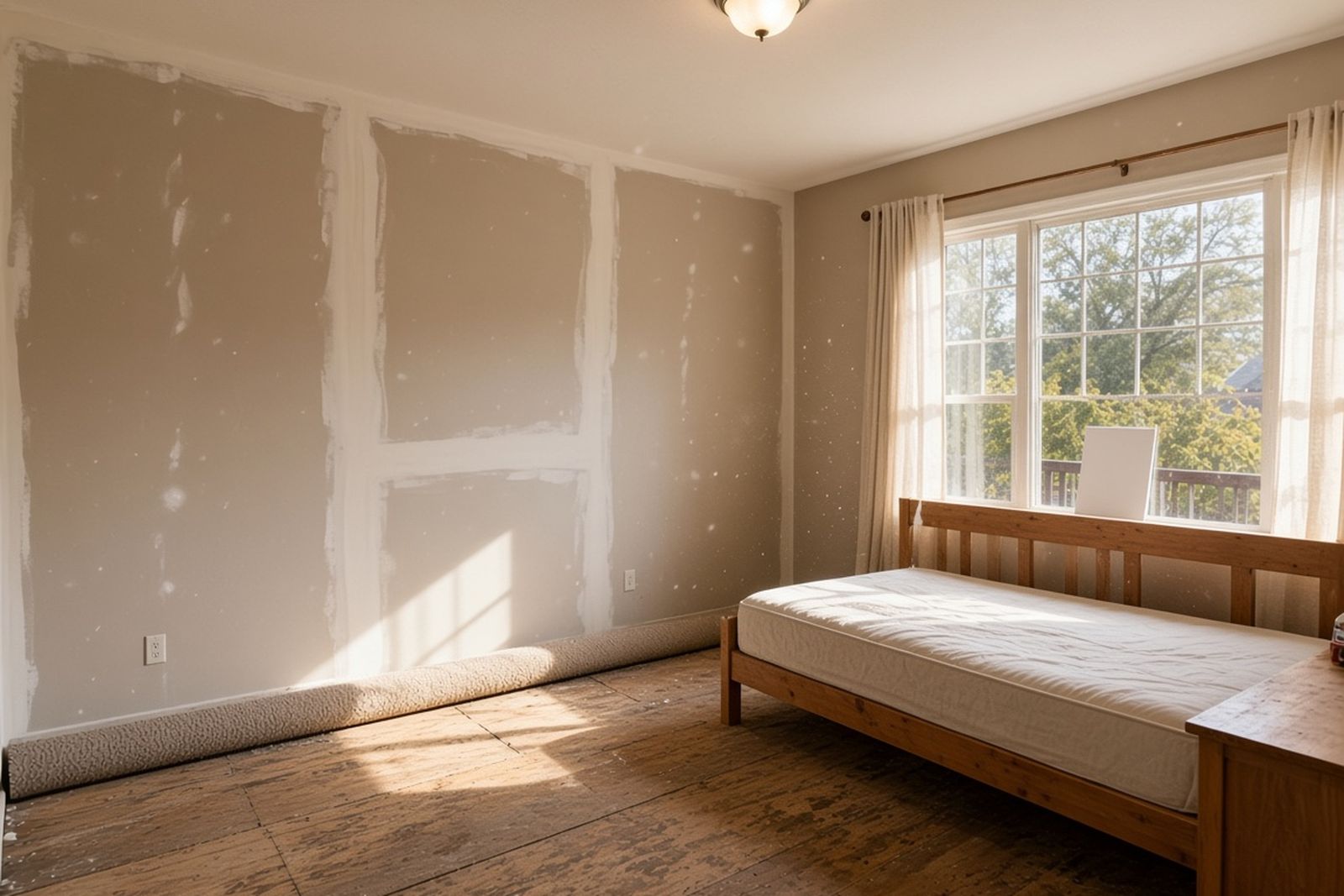
- Tearing out and removing affected building materials
The scene and the investigation: what moves the price
Spread is the biggest single factor. Blood and other fluids may stay on sealed surfaces like tile, stone countertops or finished concrete. Those can often be cleaned and disinfected in place. Fluids that reach carpet, pad, padded furniture, unsealed wood or drywall usually mean removal. That adds labor, disposal and, later, repair.
Time since the incident matters too. Fresh blood is generally easier to deal with than blood that has dried, soaked deeper or started to smell. Some scenes take more work. Heating or cooling may have run for days, or your home may have been closed for a long investigation.
Access and layout affect labor hours. Narrow stairways, upper floors with no elevator, crawlspaces and cluttered rooms slow a crew down. A scene may spread across several rooms, a stairwell and a vehicle in the driveway. That is really several jobs in one.
After a crime, police and forensic teams may apply fingerprint powders, test chemicals and marking materials. They may cut out sections of carpet or drywall for evidence and leave used protective gear behind. None of this is a criticism of their work. It is simply part of what a cleanup crew has to deal with once the scene is released.
Fingerprint powder can be especially stubborn. It spreads easily when wiped and can settle into textured walls, fabrics and electronics. Some estimates list powder removal as its own line. It takes different methods than cleaning up blood.
Ask your cleanup company whether its estimate includes removing police residue. Ask whether any areas that investigators cut out will be patched or left for a separate contractor.
Why does emergency or after-hours response cost more?
Some situations cannot wait for business hours. Children may live in the home, a business may need to reopen, or the mess may be reaching a neighbor's apartment. Fixr reports a $500 to $1,000 per-visit surcharge for 24-hour emergency biohazard response. Not every company charges this way. But you should expect an after-hours visit to affect your total.
If your situation is not urgent, it is reasonable to ask whether waiting until the next business day would change the price. If it is urgent, ask the company to split the bill in two. One part covers the emergency visit to close off the area. The other covers the full cleanup. Then you can see each cost clearly.
A realistic scope for a small shop
As an illustration, take a small retail shop that is broken into overnight. The intruder is hurt on a display case and moves through the sales floor and a back office before leaving. Police process the scene the next morning. They apply fingerprint powder to the register area, door frames and a filing cabinet.
The owner needs to reopen quickly and calls a cleanup company. The inspection finds blood on vinyl flooring, which can be cleaned in place. It also finds blood on a strip of carpet tile in the office, which will be removed and bagged. A fabric office chair is soiled and will be thrown away. Fingerprint powder covers several surfaces and will be cleaned separately.
The written work plan lists each area, the method used and the expected amount of waste. Labor is estimated in crew hours. Disposal and the carpet tile are listed as separate items. The owner compares this against a second bid and asks both companies what could change the final number.
The shop is not a real client. The example does not show actual pricing for any job, including yours.
Disposal and regulated waste
In many situations, items soiled with blood or other body fluids that can carry disease cannot simply go out with your household trash. They are packed, labeled and taken to a proper facility, and that handling costs money. The more soft material that must be removed, the more waste containers you will need.
Rules for handling and hauling this waste are set at the state and local level. They sometimes differ between neighboring counties. Ask the company which rules apply in your area. Ask for a record that shows where your waste went.
Keeping the cost reasonable without cutting corners
There are ways to keep your bill down, and none of them involve cleaning the scene yourself. Scrubbing blood from carpet or drywall before a professional arrives can push it deeper and wider. That usually makes the job larger. The most helpful thing you can do is keep people, pets and foot traffic out of affected areas. Turn off fans that might spread odor.
Call more than one company when time allows. Comparing two written work plans is often the clearest way to spot padding or gaps. If one bid is far lower, ask what it leaves out. A low number may leave out disposal, police residue or odor treatment. It may cost you more once those items are added back.
Decide early which belongings you want to try to save. Tell the crew ahead of time that a family quilt or a piece of furniture matters to you. They can then look at it before it goes into a waste container. Saving a treasured item may add a modest amount of labor. Replacing ordinary items through insurance may be simpler.
Ask whether repair and rebuilding are part of the bid. Many crime scene cleanup companies remove soiled materials and disinfect the area. They leave rebuilding, such as new flooring or drywall, to a general contractor. Knowing where the cleanup ends helps you budget for the whole recovery and not only the first phase.
Finally, keep the company informed about your insurance. If an adjuster is involved, ask the company to wait for approval on anything that is not urgent. Ask it to record what it finds in a way the adjuster can review. Working together this way keeps you from paying out of pocket for work that could have been covered.
Who might help pay, and what questions should I ask before signing?
Homeowners, renters or commercial property insurance may cover some costs, depending on your situation. If you were the victim of a crime, your state's victim compensation program may pay back part of the cleanup. The U.S. Department of Justice's Office for Victims of Crime reported that state VOCA-funded victim compensation programs paid $760,704,172 supporting 453,051 claims in federal fiscal years 2019-2020. Each state sets its own cleanup limits and rules on who qualifies.
Before you sign, get the work plan and the pricing method in writing. Knowing how your bill is built is the best protection against surprises.
- Is this estimate based on a visit to my property or on photos only?
- Do you charge by the hour, by the job or a mix, and what does each include?
- Does the estimate include removing police residue and treating odor?
- How will you tell me before you go over the estimate?
- Will I get photos and a waste disposal record at the end?