Does Insurance Cover Emergency Vehicle Decon?
Sorting out who pays when a response vehicle comes back contaminated
Paying to clean an ambulance, fire truck, or police car often involves a mix of budgets, self-insurance programs, and business policies. This guide explains which coverage may apply and where exclusions usually show up. It covers how to document a contamination event and how to work with an adjuster or risk manager. It also covers what to do if a request is turned down.
Get an email reply about emergency vehicle decontamination
Send a short message to the follow-up inbox. A coordinator can reply by email. This form does not send emergency help; call 911 first if anyone is in danger.
Which coverage might respond to vehicle contamination?
Business auto or fleet physical damage coverage may pay in some cases. This is more likely when contamination comes from a sudden event, not routine use. Many public agencies insure themselves or belong to a city risk pool. A risk pool acts like an insurer, with its own notice rules, deductibles, and approval steps. Special vehicle programs written for fire and EMS may have their own wording about contamination.
Property policies sometimes list vehicles or gear by name. Inland marine policies cover gear that moves around. They may cover mounted devices like monitors or stretchers. Private ambulance and transport firms may carry a mix of business auto, general liability, and professional liability. Workers' compensation covers crew members who were exposed. It does not pay to clean the unit. Each program is written in its own way. Read your own policy forms. Do not rely on general descriptions.
- Business auto or fleet physical damage
- City self-insurance or risk pool
- Special fire and EMS vehicle programs
- Inland marine or equipment coverage for mounted devices
- Workers' compensation for exposed crew members
What exclusions often limit vehicle decon coverage?
The most common roadblock is the view that contamination is an expected part of emergency work. Some insurers see routine cleaning after patient care as a cost of doing business, not a covered loss. They save coverage for unusual events. Pollution or contaminant exclusions may appear in auto or property policies. Deductibles can also be higher than the cost of many single cleanups.
Wear and tear exclusions may apply to soft goods that were already damaged, like a mattress cover with a split seam. Slow contamination over time, poor upkeep, and not following the maker's instructions may also be named. Read the definitions, exclusions, and conditions sections carefully. Ask your broker or risk manager to explain in writing how they apply to blood or body fluid contamination inside a vehicle.
How does crew exposure fit with the vehicle claim?
When a crew member has a blood exposure, it follows a separate path. It goes through your exposure control plan, your job health company, and workers' compensation. OSHA's 2024 guidance says employers must offer the hepatitis B vaccine within 10 working days. That applies once an employee is given a job with blood exposure. Following these rules matters for both safety and insurance reviews.
Link the exposure file and the vehicle cleanup file by incident number, but keep their contents separate. The vehicle claim is about property and cleaning costs. The exposure claim is about an employee's health and privacy. Mixing them can create privacy problems, confuse adjusters, and slow both claims. Share only what each reviewer really needs. Let your job health company guide which medical details stay private. Rules vary by state and county. Check with the local authority.
How should you document a vehicle decon claim?
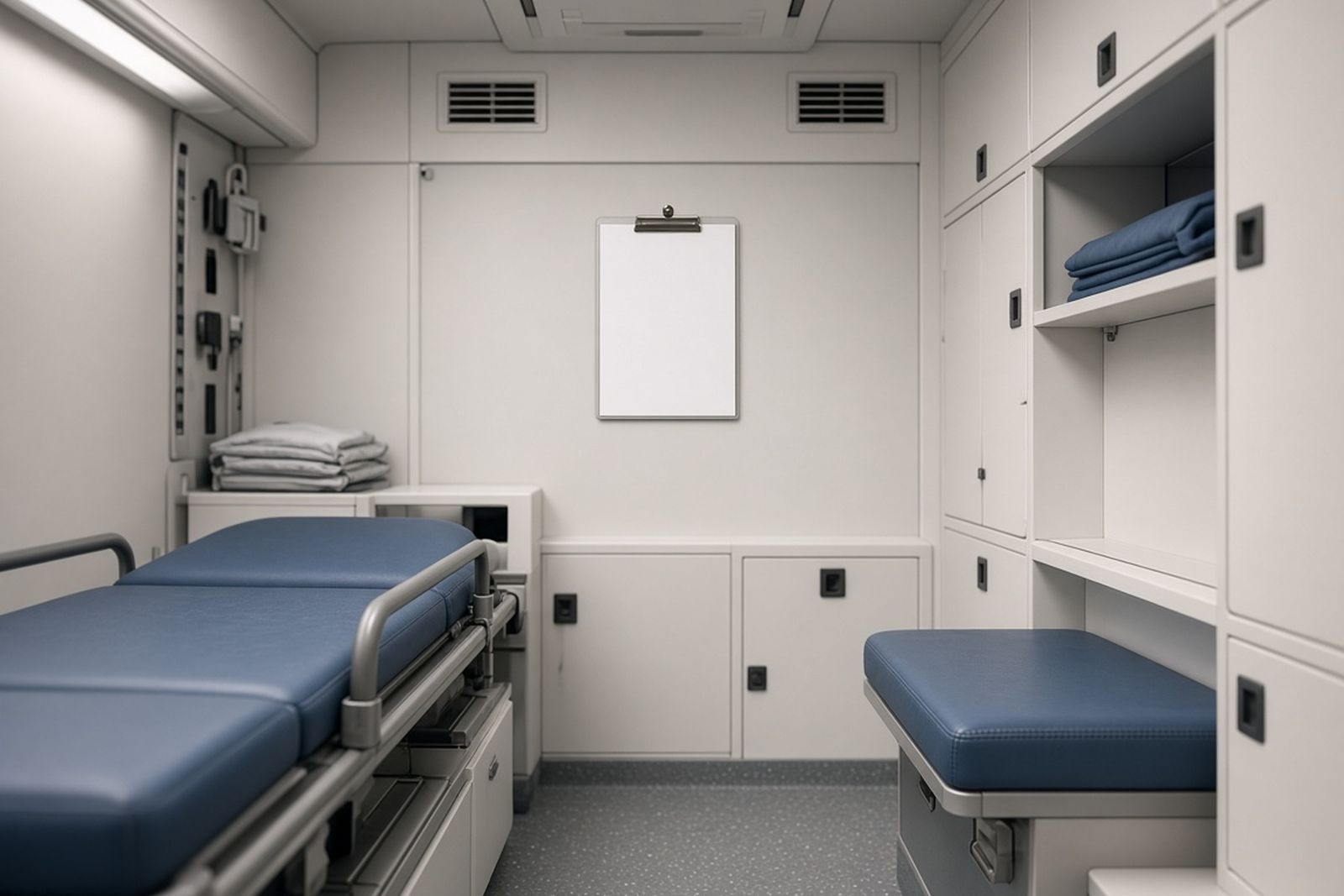
Take photos of the patient area or cab before cleaning begins. Include floors, seats, soft goods, cabinets, mounted devices, and any damaged items. Write down the unit number and the call that led to the contamination. Record when the unit went out of service and when it came back. Note who approved the cleanup and which vendor did it. Keep all messages with the risk office or insurer in one place.
Ask the vendor for a written plan before work. Afterward, ask for a report that lists what was cleaned, the products and wet times, replaced parts, test results, and waste handling. Keep bills for parts, the vendor, transport, and backup unit overtime separate. Different programs may treat them differently. A one-page summary on top of the file helps any reviewer see the whole event fast.
- Photos before, during, and after
- Unit number, the call that caused it, and out-of-service times
- Written plan and final vendor report
- Replaced parts and waste records
- Separate bills for the vendor, parts, and backup coverage
How do you work with an adjuster or risk manager?
Contact your risk office or insurer as early as your program requires. Ask what records they want. Many self-insured programs have simple internal forms. Business insurers may send an adjuster or ask for photos and estimates. Explain why the unit could not wait. Gaps in emergency coverage are a real risk. Share the vendor's plan and its reasons.
If the adjuster questions replacing soft goods, point to the vendor's report. Point to the maker's guidance that soft, porous materials cannot be reliably disinfected. Stick to the facts. Keep a log of every talk and confirm agreements in writing. If you manage a fleet, ask how the program wants future events handled. It may want a claim for each event. Or it may treat cleanup under a yearly contract as an operating cost.
What should you do if a claim is denied?
Ask for the decision in writing, with the exact policy or program wording. Go over it with your broker, risk manager, or city attorney before you reply in detail. Sometimes a denial comes from a misunderstanding. For example, a sudden, heavy contamination may be treated as routine cleaning. More detail from the vendor about how soaked things were and what was replaced can change the outcome.
If the dispute is about the amount, ask what standard the reviewer used. Send records that support each line. Some policies offer appraisal or an internal appeal. Risk pools often have review committees. If denials keep happening, talk with your broker about whether a different add-on, program, or budget approach would work better. Keep deadlines in mind during any appeal. Keep putting units back in service instead of holding them for a decision.
How can a fleet program reduce claim friction over time?
Agencies that clean units often can benefit from agreeing on a standard process with their risk office or insurer ahead of time. That might include a set report template, a cost level above which you give notice, and a preferred vendor with agreed prices. When everyone knows what a normal event looks like, the unusual ones stand out. They get attention faster from everyone involved.
Reviewing your cleanup history each year also helps. Look for patterns. One type of unit may keep needing new soft goods. One station may often pay after-hours charges. These may point to equipment or staffing changes that lower costs. Share what you find with your broker at renewal. A well-documented infection-control program can lead to a more useful talk about coverage options and deductibles.
Where else might decon money come from?
Many agencies budget cleanup as a routine operating cost. They add infection-control or fleet line items. Where such programs exist, some state or regional EMS programs and health departments offer grants or equipment funds. These can pay for infection-control supplies, training, or replacement soft goods. What is offered changes often. Check with your state EMS office or public health department.
When a crime caused the contamination, a court may order the person to pay costs back. That may eventually repay some costs, but the timing is hard to predict. Vehicle leases and build-out company warranties sometimes cover certain parts. Mutual aid agreements rarely cover cleanup. But they may make clear who is responsible when a borrowed unit is contaminated. List every possible source, with its contact person and requirements. That helps finance leaders plan while a claim is reviewed.
Keep the claim organized
Emergency Vehicle Decontamination insurance claim organizer
A checklist to keep the claim orderly. It stores nothing on our servers; copy the summary to your own notes.
0 of 18 steps recorded (0%)
Print or paste the summary into your own records. Coverage is the carrier's decision under the policy; keep every answer in writing.
Open the full tool page for a worked example and more answers.
Facts worth knowing
In one small US study, sixteen of 50 EMS stethoscopes carried MRSA, and 32% of providers could not remember when they last cleaned theirs.
Why it matters: Small personal tools may carry germs between patients, so you may want a set cleaning schedule for them.
Source: New Jersey Department of Health (research abstract compilation), 2015
Employers must offer the hepatitis B vaccine within 10 working days of putting an employee in a job with exposure to blood.
Why it matters: Before asking your own employees to clean up blood, check whether this duty and other OSHA rules apply to you.
One January 2025 cost guide puts the average U.S. biohazard cleanup at about $4,000, usually $3,000 to $5,000, with extremes from $1,500 to $25,000.
Why it matters: Use this range to sanity-check a quote, but expect your price to depend on the size of the job and local rates.
Insurance questions about emergency vehicle decontamination
Is routine ambulance cleaning ever covered by insurance?
Usually not. Cleaning after ordinary patient care is usually treated as an operating cost. Coverage questions tend to come up with unusual events. Examples are heavy contamination that needs new soft goods, or a long time out of service. Even then, deductibles and exclusions may apply. Ask your broker or risk manager how your program treats blood or body fluid contamination inside a vehicle.
Does our risk pool work like an insurance company?
In many ways, yes. City risk pools and self-insurance programs have their own notice rules, record requirements, deductibles, and approval steps. They are not traditional insurers, though. Some have review committees for disputed claims. Contact your risk manager to learn the exact requirements. Follow them as carefully as you would a business policy's conditions.
Will workers' compensation pay to clean the unit?
Usually, no. Workers' compensation covers medical care and lost pay for a crew member who was exposed or hurt. It does not cover cleaning the vehicle. Report any crew exposure through your exposure control plan and job health company. Handle the vehicle cleaning separately through your fleet budget, risk program, or the right policy. Link the two files only by incident number.
Can we recover decon costs from the patient?
Billing patients for vehicle cleaning is unusual. It may be limited by agency policy, payer rules, or local law. Cleanup is usually treated as part of the cost of providing service. If a crime caused the contamination, a court may order the person to pay costs back, but that is uncertain. Talk with your agency's lawyer before you try to recover any costs.
What if a borrowed mutual aid unit was contaminated?
Review the mutual aid agreement. It may say who is responsible for damage or cleaning. Contact the agency that owns the unit quickly. Record the contamination fully. Agree in writing on who will arrange and pay for cleanup. Clear communication avoids disputes. It also helps the unit get back in service faster for the agency that owns it. Think about adding cleanup terms to future agreements.
Should we notify the carrier even for small events?
Follow your program's notice rules. Some require you to report every contamination event. Others only want notice above a set cost or when a claim is likely. Late notice can make a later claim harder. So when in doubt, ask your risk manager. Keeping your own records of every event is useful either way.
Do contracted transport companies have different coverage?
Often, yes. Private ambulance and transport companies usually carry business auto, general liability, and professional liability. Their contracts with public agencies may say who handles vehicle upkeep and cleaning. Review the service contract and certificates of insurance. They show who pays cleanup costs and how to give notice when an event happens. Clear up any gaps before the next renewal.
What other people in your situation chose
Vote to see how other people answered. You can change your answer at any time.
After a bloody transport, what usually decides whether your unit gets a full deep clean?
Who performs terminal cleans on your fleet most of the time?
More on emergency vehicle decontamination
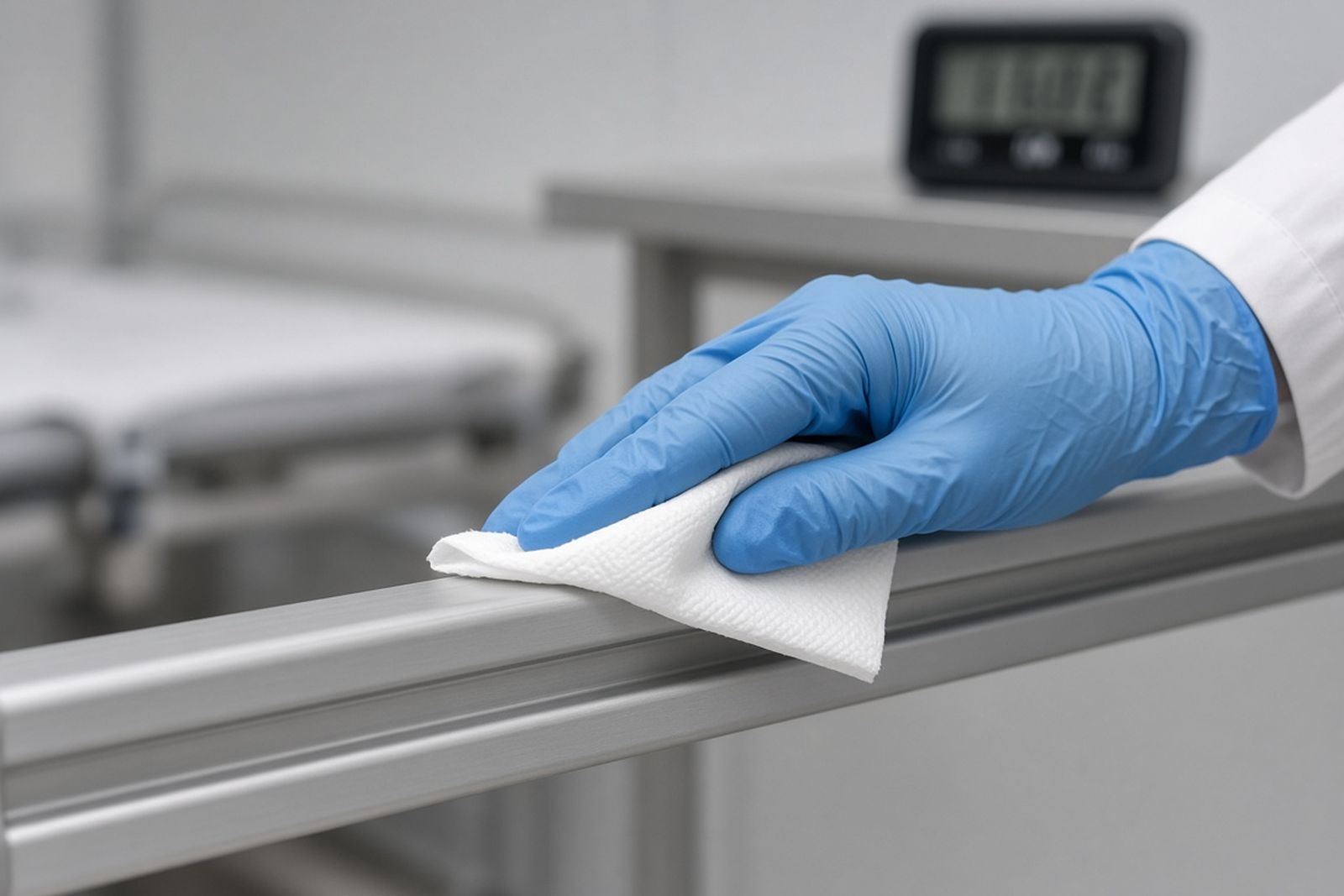
Emergency Vehicle Decontamination services
Learn how deep cleans of ambulances, fire trucks, and police cars are planned. See needle sweeps, choices about soft items, and records by unit number.
Costs explained
What drives the price, published cost ranges, and how to read a written quote line by line.
Planning tools
Guided planners for fleet managers. Get cost ranges, vendor checks, insurance steps, first-day actions, waste sorting, and in-house versus vendor risk.
Community polls
See how other EMS, fire, and police fleets handle time pressure, new soft items, records, and product choices in their own bays.
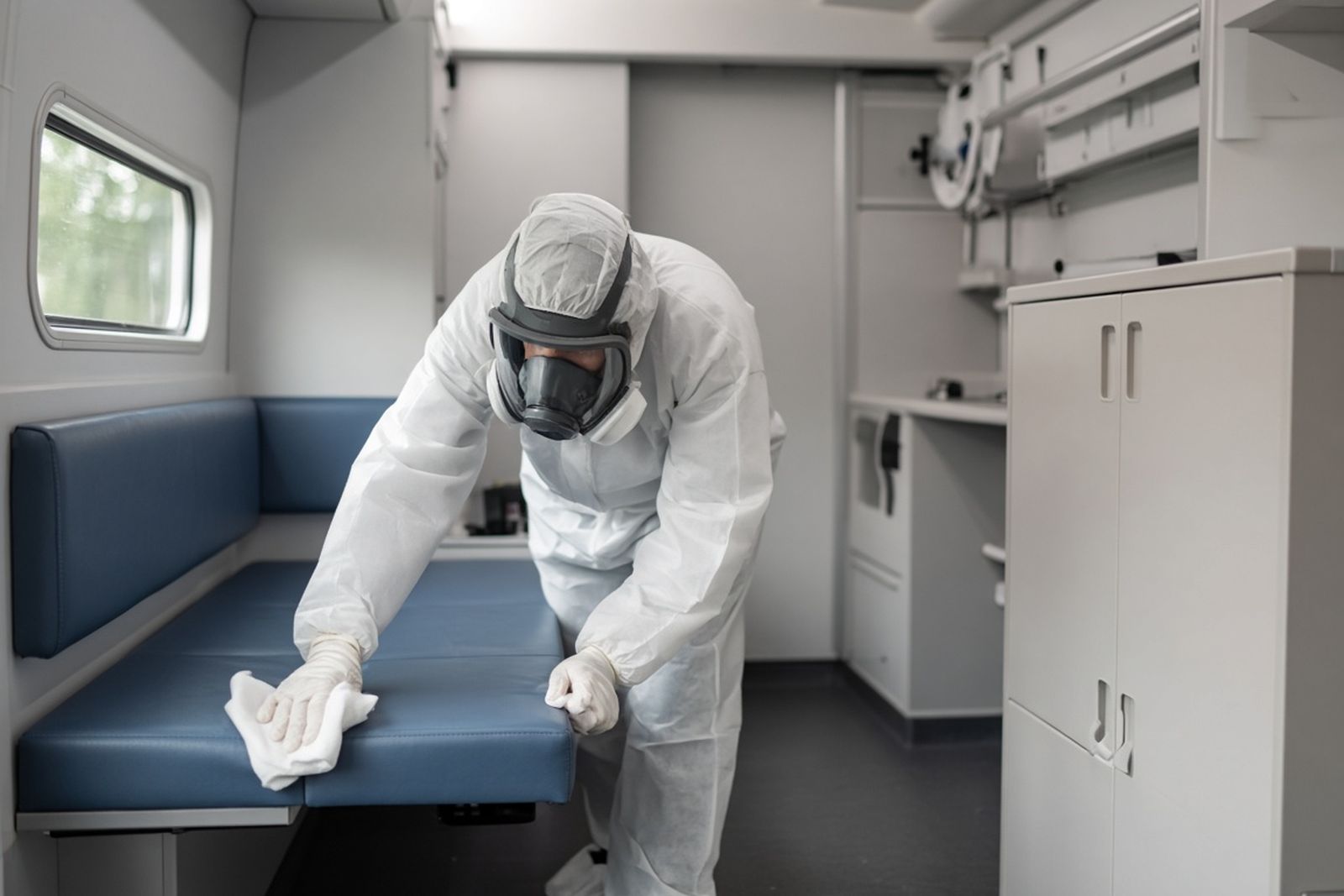
Knowledge quiz
Test what you know about cabin hazards, who pulls a unit from service, containment, contact time, waste, and cleaning records before the next hard call.
Articles and resources
Articles on fleet infection-control plans and picking products that are safe on electronics and seats. Read about turnaround planning, evidence in patrol cars, and records that pass an audit.