Free emergency vehicle decontamination tool
Emergency Vehicle Decontamination Company Vetting Checklist
Fifteen questions to ask any cleanup company, a score that shows how ready you are to hire, and a list of what is still unanswered.
Picking a vendor to clean emergency vehicles is not like hiring a car detailer or a general biohazard company. The difference shows up in the questions you ask. A qualified vendor understands the bloodborne disease rules under 29 CFR 1910.1030. They know how to sweep for needles before touching soft surfaces. They can explain contact time and why a wiped surface that dries in seconds is not disinfected. They have a written approach to stretcher mattresses and cushions. They use products that are safe on monitors and radios. And they keep records by unit number that your infection-control officer can audit. The vetting checklist gives you fifteen questions on those points. It also covers insurance, waste setup, and how the vendor handles evidence in police vehicles.
As you mark items confirmed, the tool works out a readiness score. It gathers the questions still open into a list. You can copy that list into an email or hand it to your buying office. Confirmed should mean you saw a document or heard a clear, believable answer, not just a yes. This site does not certify or endorse any vendor. A high score shows openness, not a promise. Check insurance certificates, training records, and hauler permits with the groups that issued them. Ask for references from agencies with fleets like yours. Keep the finished checklist in your vendor file so the reasons for your choice are kept. Go over it again whenever the vendor's staff, products, or insurance change.
How to use it
- 1Open the checklist while you talk with the vendor or read their quote.
- 2Ask each question. Mark it confirmed only when you have seen proof or heard a clear answer you could repeat to your infection-control officer.
- 3Look at the readiness score and the notes for any items left unchecked.
- 4Copy the open-questions list into your follow-up message. Save the final version with your vendor records.
Prefer to ask a person?
Your request is sent to the follow-up inbox. A coordinator can reply by email. Not for emergencies; call 911 first if anyone is in danger.
Check a company before you sign
Emergency Vehicle Decontamination provider vetting checklist
Start with the questions specific to this kind of job. Tick each one once the provider has answered it in writing or shown you the document. Your progress stays on this device only.
Readiness: 0 of 21 confirmed (0%)
21 questions still need a written answer. Copy the list and send it to the provider before you sign anything.
A worked example
Picture a fire department that runs ambulances out of several stations. It has been using whatever local cleaning company answers the phone. Then a hard call leaves a unit with soaked bench foam and blood in the floor channels. The EMS captain decides to check vendors the right way. He opens the checklist with the first company. They confirm bloodborne disease training and send an insurance certificate. But when asked how they decide to clean or replace a mattress, they say they shampoo everything. Asked which products are safe on the heart monitor, they name a general disinfectant without checking any guidance. They cannot describe how they sweep for needles or how they keep records by unit. The captain marks those items open, and the score is low. The second vendor asks about the unit model and monitor brand before quoting. They explain the order of their needle sweep. They describe how they press and inspect soft items and photograph anything they replace. They name their regulated waste hauler. They show a sample cleaning record with the unit number, products, contact times, and supervisor sign-off. Most items are confirmed on the call. The captain copies the open items into follow-up emails and files both answers. He brings the side-by-side to his chief with proof, not just impressions.
Facts worth knowing
In a 2016 Danish study of 80 ambulances, crews followed thorough-cleaning rules only 35% of the time, though they always did the lighter cleaning between patients.
Why it matters: Quick wipe-downs between calls may not mean deep cleans get done; you may want to log and audit the deep cleans.
In a 2025 study of two ambulances at one Saudi hospital, 46.08% of 204 swabs grew bacteria, but none did after standard cleaning and disinfection.
Why it matters: Standard cleaning and disinfection can work when fully done, so check that your crews complete every step.
Across 16 EMS studies from 2010 to 2024, reported disinfection rates were 55% for stretchers and only 4.1% to 47% for stethoscopes.
Why it matters: Stretchers and stethoscopes may be skipped often; consider adding them to a checklist your crews sign after each call.
Source: Antimicrobial Resistance & Infection Control (PMC), 2025
Company Vetting Checklist questions for emergency vehicle decontamination
Which checklist items matter most for a public safety fleet?
Some skills set fleet-ready vendors apart from general cleaners. They have a set way to sweep for needles and they respect contact time. They have a method for deciding about soft items. They use products that are safe on electronics and seats. They keep records by unit number. A vendor who cannot explain how they judge a mattress is not ready for your fleet. The same goes for one who plans to spray a monitor with an untested product, no matter their other strengths.
When should I mark a checklist item as confirmed?
Confirmed means proof you could show your infection-control officer. That could be an insurance certificate, a training list with dates, or a sample cleaning record. It could be a named hauler or a step-by-step process they explained in detail. A general promise that they do this all the time does not count. When in doubt, leave the item open and ask for the document.
How should this fit with our procurement process?
Use it along with your current vendor setup process, not instead of it. Your buying office still needs its own forms and agreements. It may also need a bidding process. The checklist fills the gap between general vendor checks and the special skills a vehicle clean needs. Its open-questions list gives your buying office a ready set of items to ask for.
How do we verify a vendor's training claims?
Ask for training certificates that name the worker, the date, and the group that gave the training. Bloodborne disease training should be renewed every year. If the vendor says they have worked in hospital cleaning, ask which places and whether they can give a reference. Your infection-control officer can judge whether the papers meet your agency's rules for contractors.
Does a high readiness score mean the vendor will perform well?
No. The score counts how many questions you could confirm. That shows how prepared and open the vendor is. Combine it with references from similar agencies. Ask them to walk through their process on one of your units. Use your own judgment about how they handled your questions. Then hold them to the standard in your infection-control plan on every job.
Should we use the checklist again when we renew a contract?
Yes. Over a contract, vendors change products, supervisors, subcontractors, and workers. A renewal is the natural time to confirm that the answers you counted on still hold. Compare the new results with the ones in your file from the first selection. Items that slipped from confirmed to open are exactly the points to raise before you sign again.
What if a vendor will answer some items only after we sign a contract?
Take that as a reason to pause. Things like sample records, product labels, and training papers should be ready before you commit. They help you decide whether to commit at all. Some vendors may fairly hold back private business details. But they should still explain their approach in general terms. Mark the items as open and weigh them in your choice. Do not assume the answers will be good.
Related community polls
Vote to see how other people answered. You can change your answer at any time.
After a bloody transport, what usually decides whether your unit gets a full deep clean?
Who performs terminal cleans on your fleet most of the time?
Other emergency vehicle decontamination tools
Cost Range Estimator
Set the affected area, surface types, severity and extras to see a rough cost range and what pushes it up or down.
OpenInsurance Claim Organizer
A guided checklist from finding the policy to tracking the insurer’s decision, with a printable summary of where the claim stands.
OpenFirst 24 Hours Planner
Tell the planner a few facts about the situation and get an ordered list of who to call, what not to touch, and what to photograph.
OpenWaste & Disposal Classifier
Five questions about the material point to the likely waste category and which authority to confirm the rules with.
OpenDIY or Call a Pro? Risk Check
Eight yes-or-no questions that produce a risk level and explain when professional help is the safer choice.
OpenMore on emergency vehicle decontamination
Emergency Vehicle Decontamination services
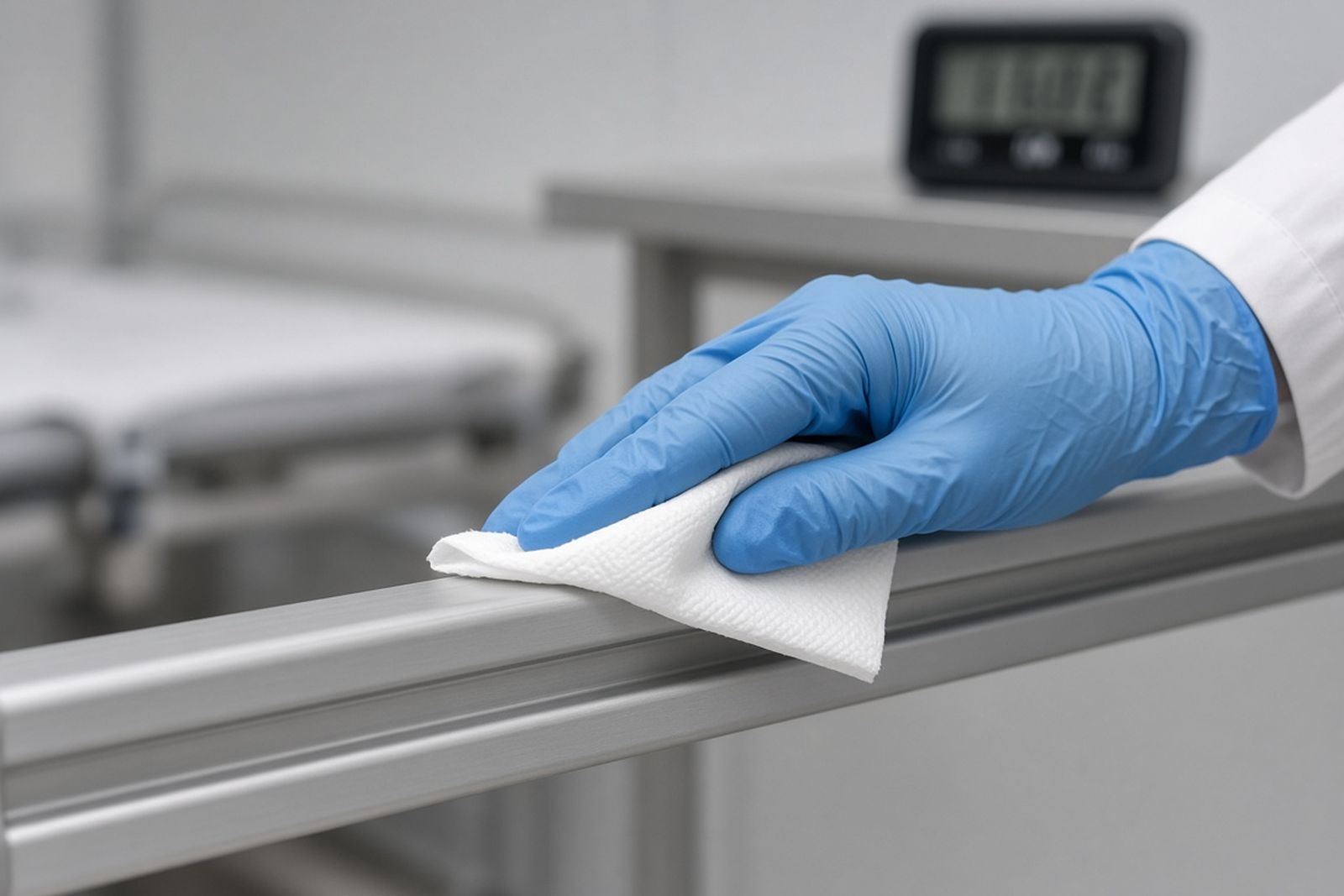
Learn how deep cleans of ambulances, fire trucks, and police cars are planned. See needle sweeps, choices about soft items, and records by unit number.
Costs explained
What drives the price, published cost ranges, and how to read a written quote line by line.
Insurance and payment
Which policies may respond, how to document a claim, and what to do if coverage is denied.
Community polls
See how other EMS, fire, and police fleets handle time pressure, new soft items, records, and product choices in their own bays.
Knowledge quiz
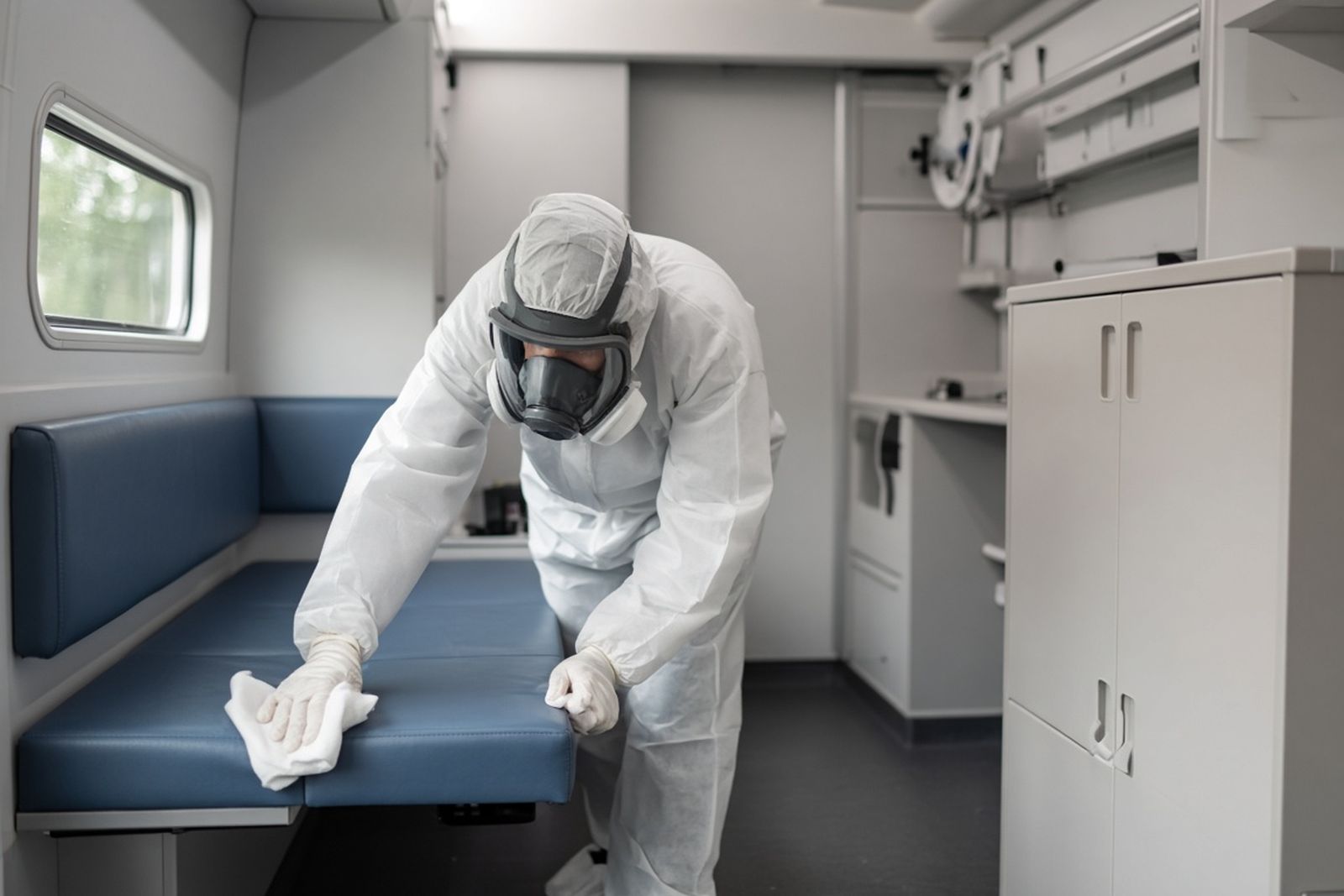
Test what you know about cabin hazards, who pulls a unit from service, containment, contact time, waste, and cleaning records before the next hard call.
Articles and resources
Articles on fleet infection-control plans and picking products that are safe on electronics and seats. Read about turnaround planning, evidence in patrol cars, and records that pass an audit.