Emergency Vehicle Decontamination planning tools
Work through cost, hiring, insurance, first steps and disposal at your own pace.
The tools on this site are for the person with a dirty unit in the bay, coverage to keep, and a choice to make. Each tool takes one part of that problem and turns it into a short guided exercise. One estimates what a deep clean or new soft items might cost. One checks whether a vendor is qualified to work on public safety vehicles. One helps you organize a claim under a fleet or agency policy. Others help you plan the first day after a serious spill, sort the waste that comes out of the unit, or decide whether station staff should do the clean. You answer questions about your fleet and the event. The tool gives back a clear view of your options and questions to ask. Nothing is sent to a vendor or insurer.
Get an email reply about emergency vehicle decontamination
Send a short message to the follow-up inbox. A coordinator can reply by email. This form does not send emergency help; call 911 first if anyone is in danger.
Choose a tool
Each tool is free and private: nothing you type is saved or sent anywhere. Use the results to get ready for a visit from a cleanup company or a call with your insurer.

Cost Range Estimator
Set the affected area, surface types, severity and extras to see a rough cost range and what pushes it up or down.
Open tool
Company Vetting Checklist
Fifteen questions to ask any cleanup company, a score that shows how ready you are to hire, and a list of what is still unanswered.
Open tool
Insurance Claim Organizer
A guided checklist from finding the policy to tracking the insurer’s decision, with a printable summary of where the claim stands.
Open tool
First 24 Hours Planner
Tell the planner a few facts about the situation and get an ordered list of who to call, what not to touch, and what to photograph.
Open tool
Waste & Disposal Classifier
Five questions about the material point to the likely waste category and which authority to confirm the rules with.
Open tool
DIY or Call a Pro? Risk Check
Eight yes-or-no questions that produce a risk level and explain when professional help is the safer choice.
Open toolKnowledge quiz
A short quiz with an explanation for every answer, so you can check what you know before you make decisions.
Take the quizHow these tools fit emergency vehicle decontamination
The tools work best in the order events happen. Use the First 24 Hours Planner the moment the unit is tagged out. It tells you who to notify, what to keep if there may be evidence, and what to photograph before anything is removed. The DIY or Call a Pro risk check comes next, when someone suggests the crew handle it. The vetting checklist helps when you call possible vendors. The cost estimator helps you judge whether a quote covers the full job, including soft items and records. The waste guide gets you ready to talk with haulers. The claim organizer keeps the agency's insurance or self-insurance process moving while operations works on getting the unit back.
Each tool has limits to keep in mind. Cost ranges are for learning. They cannot account for your unit's design, local labor costs, or your agency's buying rules. The vetting checklist tells you what to ask and lets you record what was confirmed. But it cannot check a vendor's claims for you. So ask for insurance certificates and training records directly. The waste guide gives a likely category and the agency to check with, because rules vary by state and county. None of the tools replace your infection-control officer, risk manager, or the health and environmental agencies in charge. Use them to organize your thinking and your records. Then confirm choices with the people who own the program.
Facts worth knowing
In one tracer study, a stand-in test virus reached 56% of ambulance sites after a call, and the usual cleaning only lowered that to 54%.
Why it matters: Routine cleaning may leave most contamination behind, so ask how your decon method has been tested.
Source: New Jersey Department of Health (research abstract compilation), 2015
In a 2016 Danish study of 80 ambulances, crews followed thorough-cleaning rules only 35% of the time, though they always did the lighter cleaning between patients.
Why it matters: Quick wipe-downs between calls may not mean deep cleans get done; you may want to log and audit the deep cleans.
In a 2025 study of two ambulances at one Saudi hospital, 46.08% of 204 swabs grew bacteria, but none did after standard cleaning and disinfection.
Why it matters: Standard cleaning and disinfection can work when fully done, so check that your crews complete every step.
What other people chose
Vote to see how other people answered. You can change your answer at any time.
After a bloody transport, what usually decides whether your unit gets a full deep clean?
Who performs terminal cleans on your fleet most of the time?
Questions about the emergency vehicle decontamination tools
Which tool should a station officer open first when a unit comes back very dirty?
Start with the First 24 Hours Planner. It asks whether evidence may be involved and whether the unit is needed for coverage. It also asks whether odor or needles are present, plus a few other facts. Then it gives you an ordered list of who to notify, what to hold, and what to photograph. Once those steps are moving, the risk check and vetting checklist help you decide who does the clean.
Are answers stored anywhere?
Your answers stay in your browser for the session. They are not sent to this site, a vendor, or an insurer. Use the copy or print button in each tool to save the results for your unit's cleaning record. Closing the browser or clearing its data erases what you entered. So save anything you want to keep before you leave.
Can the cost estimator help with buying paperwork?
It can help you see what drives the price of a deep clean. That includes replacing soft items, after-hours work, more than one unit, and records. It also lists items a written quote should include. But it is not a price source for a purchase order. Ask each vendor to list the same line items. Then your buying office can compare quotes the same way.
Do the tools work for police cars and patient vans, not just ambulances?
Yes. The questions are worded to cover patrol cars, prisoner vans, and fire truck cabs. They also cover contracted patient vans as well as ambulances. When a tool asks about stretchers or benches, answer for the matching part of your vehicle. That might be rear seats, dividers, and restraints. Keep in mind that handling evidence may add steps for police vehicles.
How does the waste guide handle suction canisters and collected liquids?
It treats liquid waste as its own question. The right path for canister contents and fluids pulled from soft items depends on local sewer rules. It also depends on the agency's medical waste setup. The tool does not assume a drain is fine. Instead, it tells you to check with the local sewer authority and your regulated waste hauler before you get rid of anything.
Is the claim organizer useful for a city fleet that insures itself?
Yes. Agencies that insure themselves still need to record the cause of the loss. They must tell risk management within their own deadlines, get a written work plan, and track the decision. The organizer's steps line up with that process. It makes a summary that fits a risk-management file. If a commercial fleet policy or special vehicle coverage exists, it reminds you to check those too.
Can I share tool results with my infection-control officer or risk manager?
You should. Each tool makes a summary you can copy into an email or print. Share the planner's action list or the checklist's open questions. This gives your infection-control officer a fast view of where things stand. It also lets them add agency rules the tool cannot know about. For example, your agency may require a set product list or a certain way to test the results.
More on emergency vehicle decontamination
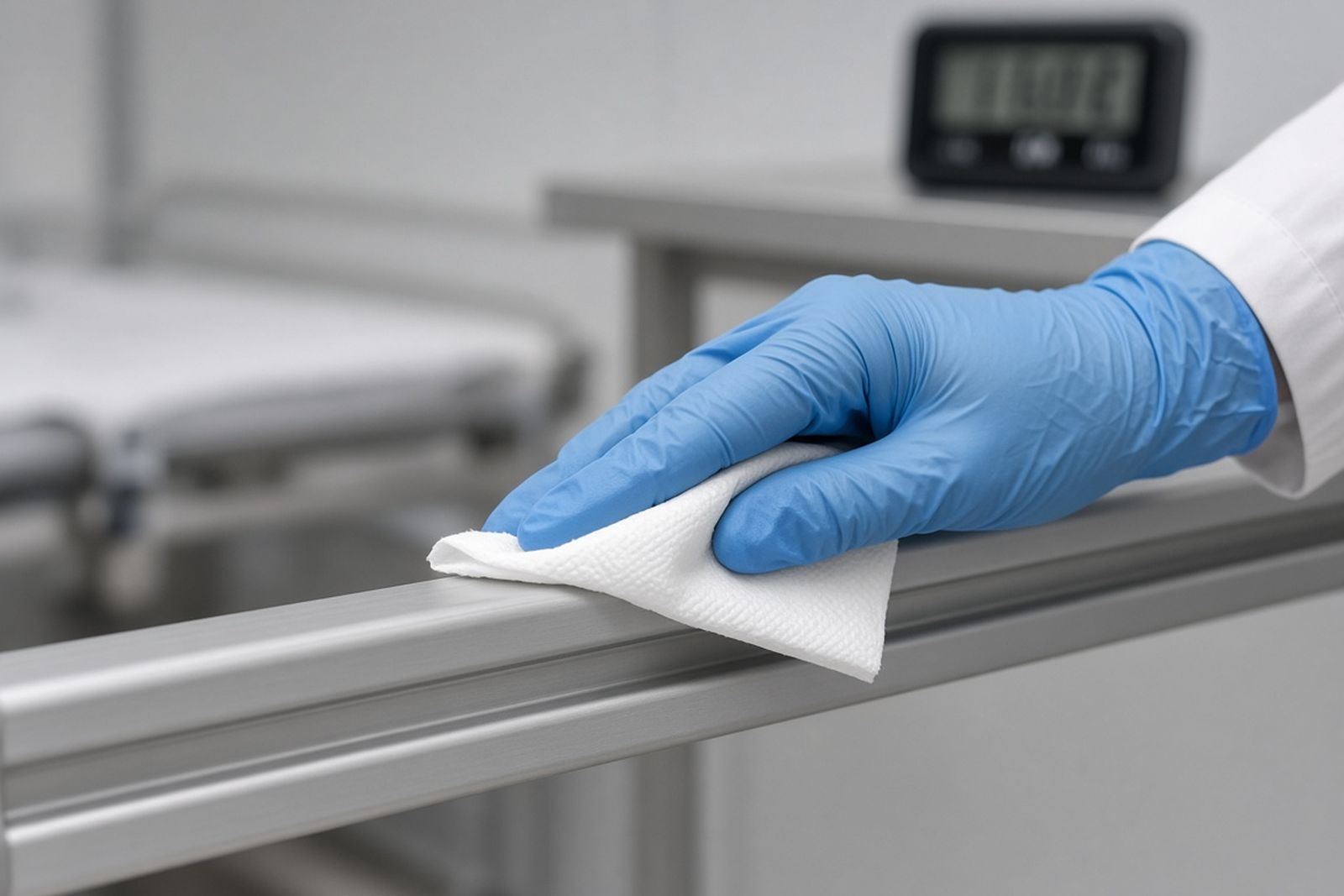
Emergency Vehicle Decontamination services
Learn how deep cleans of ambulances, fire trucks, and police cars are planned. See needle sweeps, choices about soft items, and records by unit number.
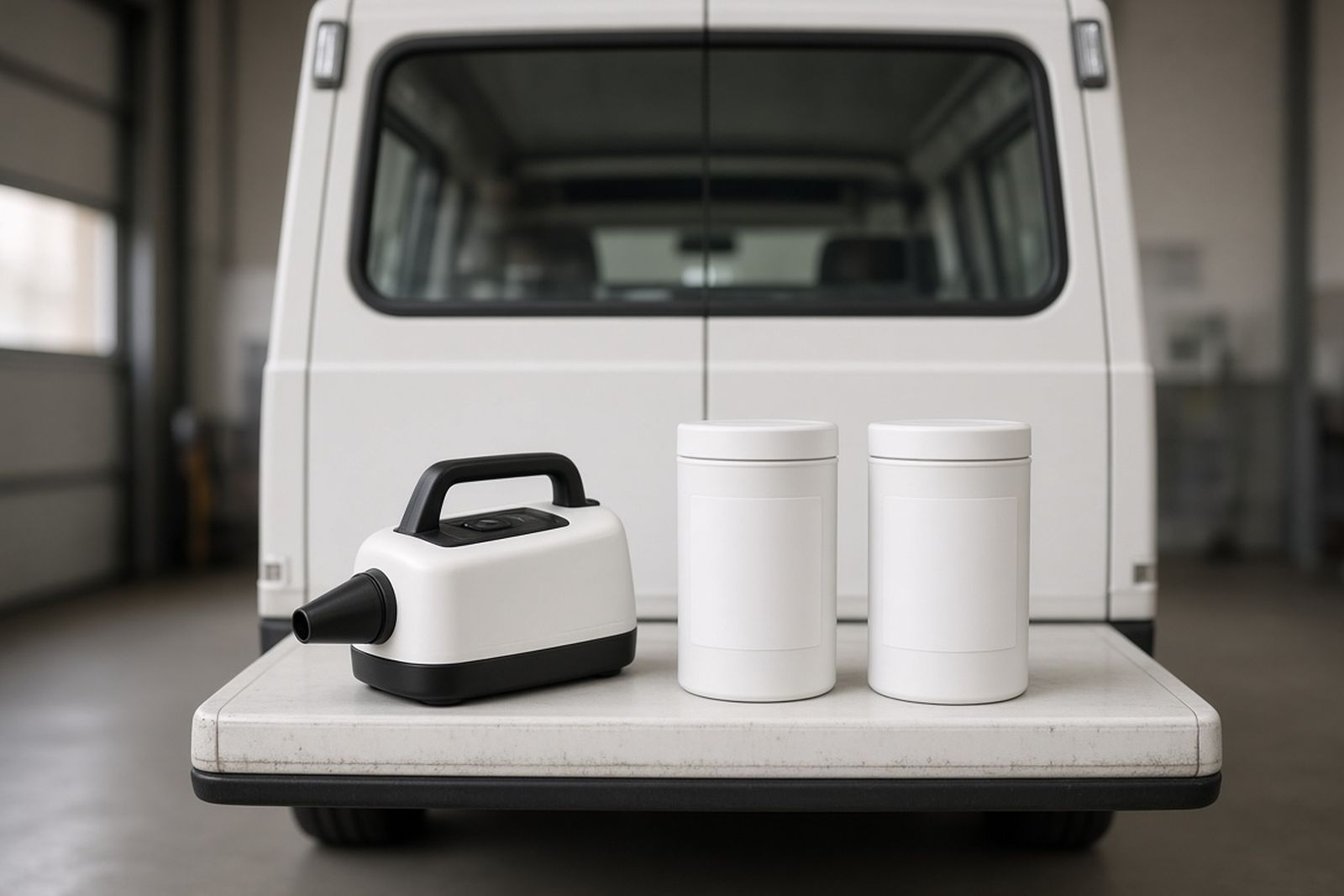
Costs explained
What drives the price, published cost ranges, and how to read a written quote line by line.
Insurance and payment
Which policies may respond, how to document a claim, and what to do if coverage is denied.
Community polls
See how other EMS, fire, and police fleets handle time pressure, new soft items, records, and product choices in their own bays.
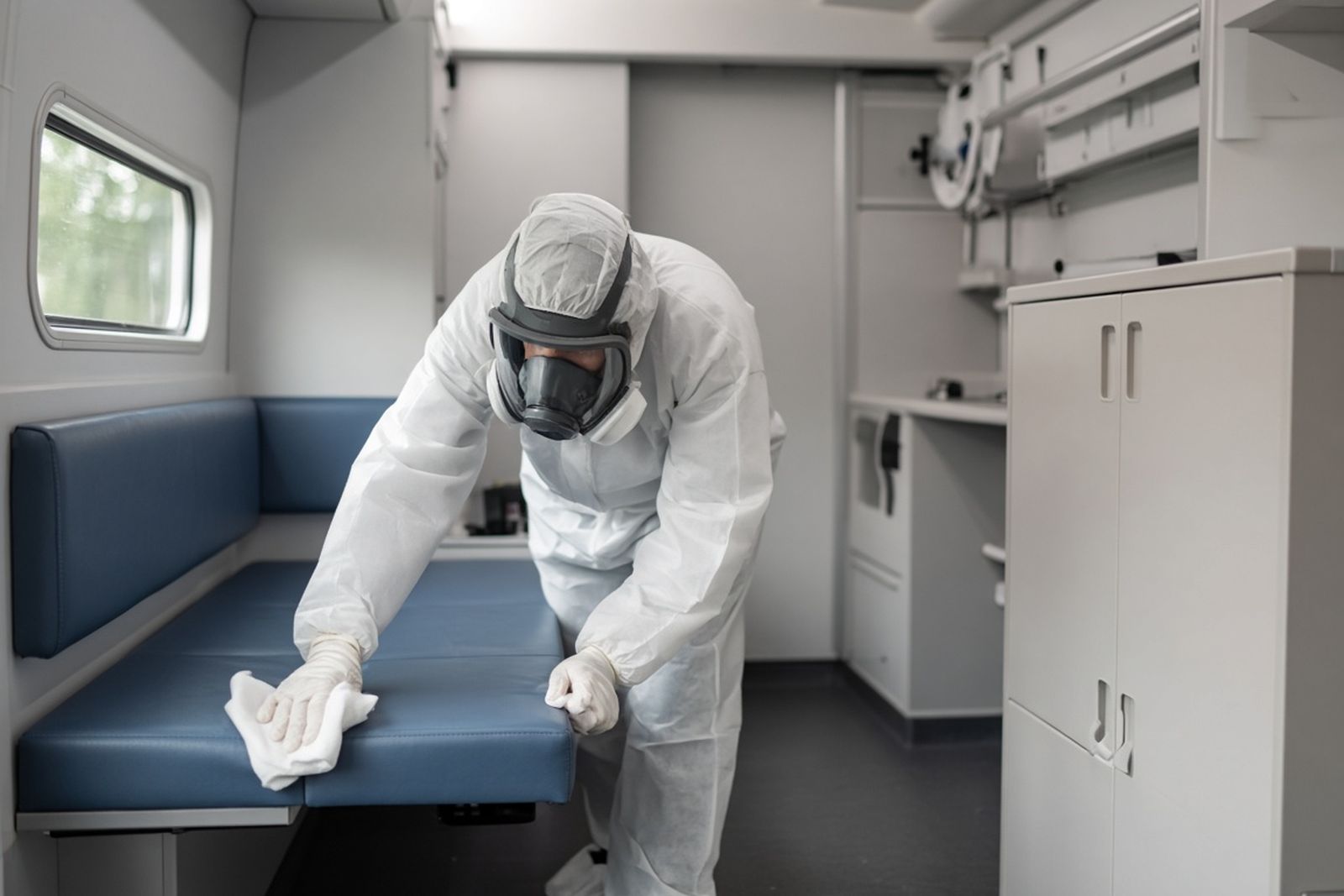
Knowledge quiz
Test what you know about cabin hazards, who pulls a unit from service, containment, contact time, waste, and cleaning records before the next hard call.
Articles and resources
Articles on fleet infection-control plans and picking products that are safe on electronics and seats. Read about turnaround planning, evidence in patrol cars, and records that pass an audit.