Why does a Kings Point house need a different plan than a University Gardens co-op?
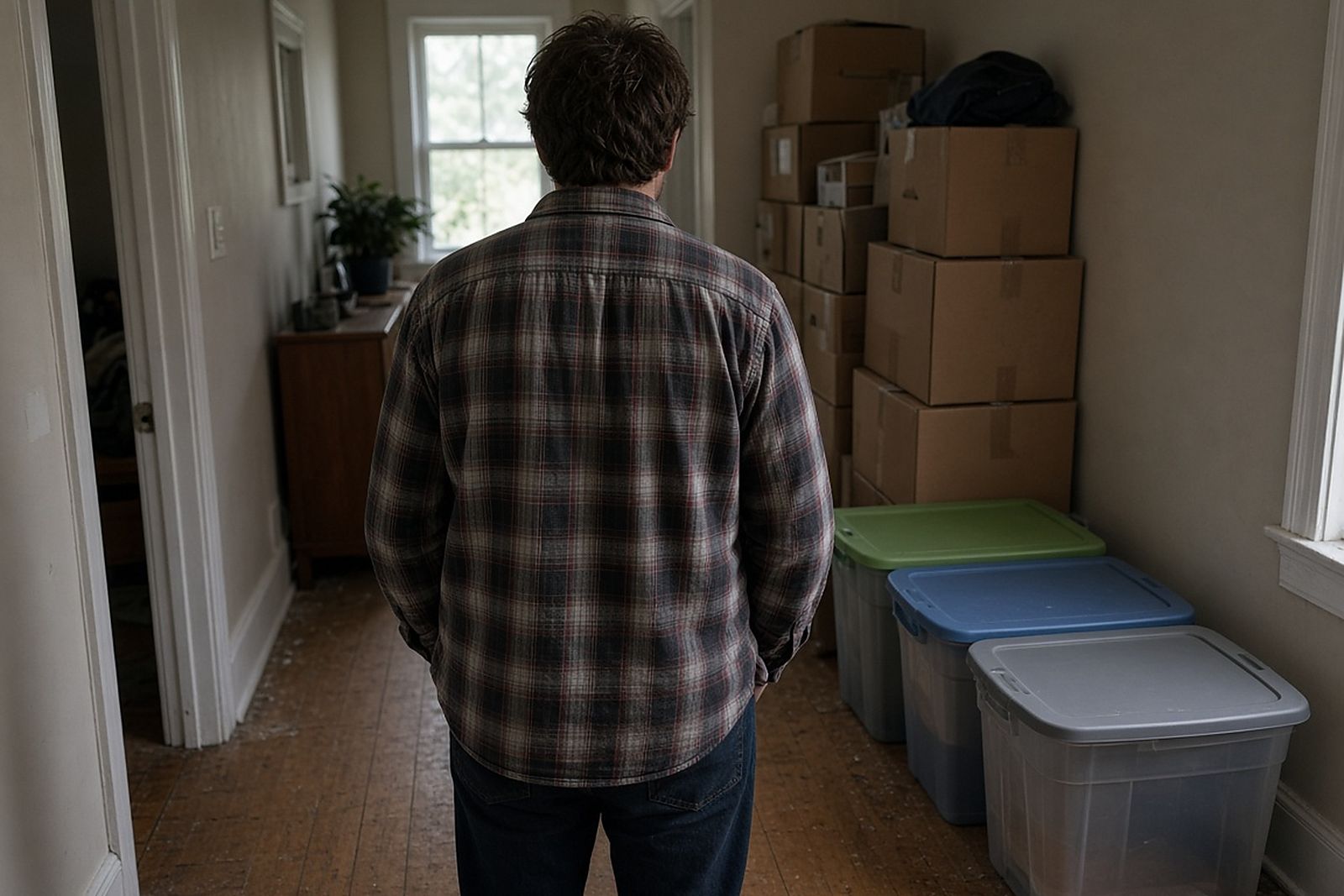
Because the trouble shows up in different places. At a house, it's the narrow driveway and the turn near the edge of Manhasset Bay. In a co-op, it's the freight booking and the shared dumpster pad, and a walk-up sends bags down the stairs. Swap the plans and you can end up with a blocked exit or a bin parked where it isn't allowed. Ask the company to name your building type and photograph the route first.
What part does our co-op board play in the cleanout?
The board controls the building, and you control your belongings. It can set elevator times and hallway rules, and it may say who can enter. Only the owner or legal representative chooses what's kept or thrown out. If the board asks, share exit photos and waste notes. Building notices should list work hours and affected floors, and nothing about what's inside your unit. Porters shouldn't be asked to handle soiled items without gloves and masks.
Our heirs live far away and speak different languages. How can they approve items?
Send photos of each group of items and give a set number of days to reply. Whatever gets no answer goes into a dated hold box. On the first day, find medicine, IDs, Social Security or pension mail, and any walker or cane. Short timing notes in several languages can help, as long as they give hours and not lists of belongings. If a cousin texts "just toss everything," that isn't enough without legal authority.
When should the crew stop pulling paper in a room?
It should pause if a floor in an older colonial feels springy, if cracks spread from where heavy stacks sit, or if a door suddenly sticks. These signs call for an expert, and they aren't a verdict on your house. Everyone should leave that part of the room while a licensed structural engineer is called. Ask for photos for your file. Other rooms with safe exits can keep going. Sliding heavy boxes across a weak floor can make it worse.
What does "finished" mean for a North Shore cleanup?
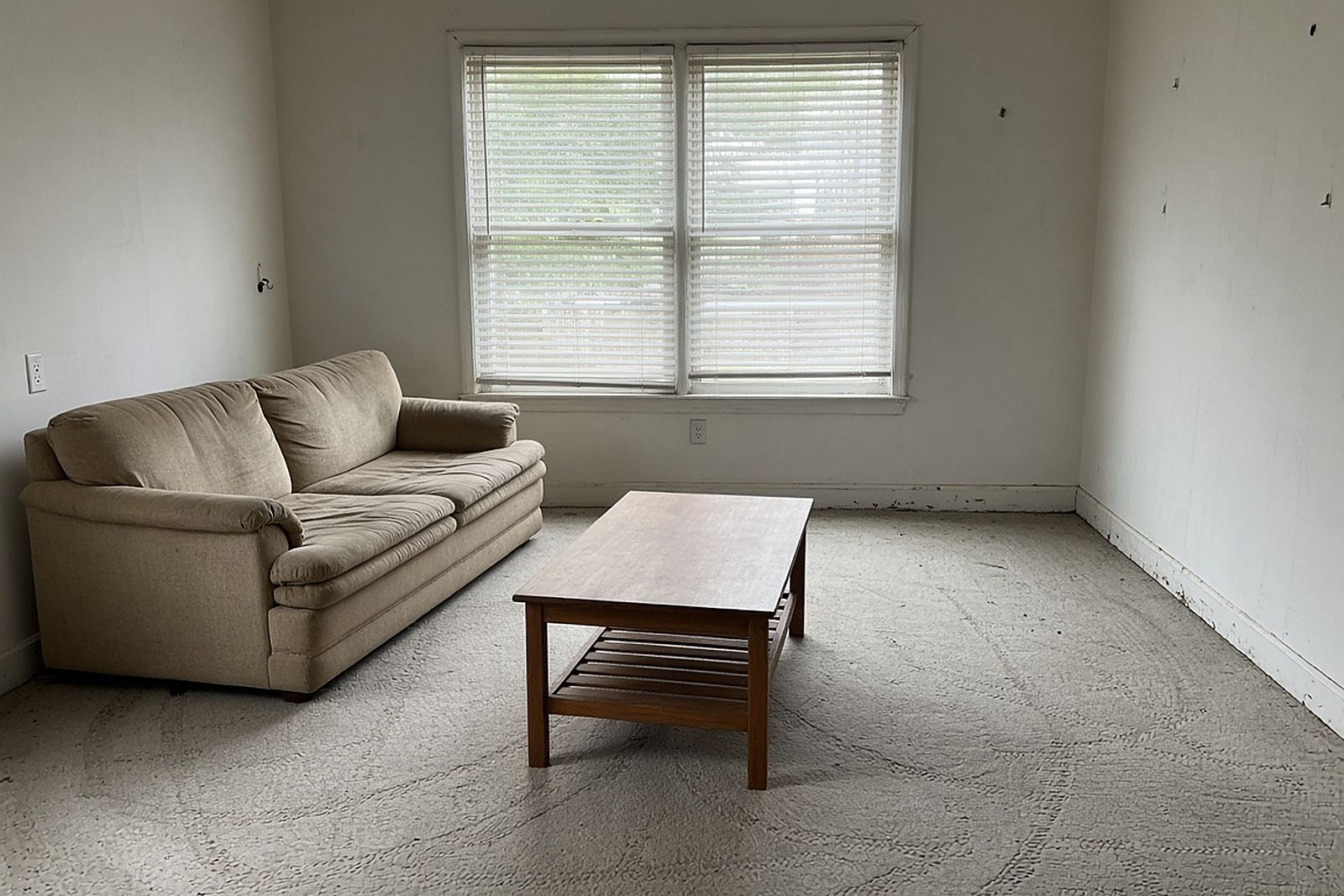
Your home is safe once the bedrooms connect to the exit, the bathrooms work, the hazards are out, and the cleared rooms are wiped down. Making it comfortable again may still mean new flooring, plaster repair, rodent-proofing, or fresh filters. A Nassau County or village sign-off should only be mentioned if one was really given. Dated photo sets prevent arguments about which step happened on which day. A pleasant smell alone proves nothing.
We're grieving. How do we get through a cleanout right now?
Go slowly, and let your family say when it's ready. Clearing a home often follows a death, an illness, or a move to assisted living, so the people making choices may also be mourning. Ask the crew to slow down in rooms tied to your loved one, like a bedroom or study. Keepsakes can wait in a labeled box. Clergy, a grief counselor, or a support group can help with the part a cleanup can't touch.
Does our co-op board have to approve the cleanup company?
Often, yes. Many Great Neck co-op boards require approval before any contractor works in a unit. Ask your managing agent for the building's vendor or alteration rules, including insurance papers and allowed hours. Send everything in early so your cleanout isn't delayed. The board's approval covers logistics only. It doesn't touch what you keep. Put a copy of the approval and the building rules in your property file.