Greenwich, CT

Hoarding Scene Cleanup Planning in Greenwich, CT

What to do, who to contact, and what to ask in Greenwich.

Hoarding cleanup help in Greenwich, CT. Check exits in every building, confirm the trustee's authority, and plan for salt air, storms and heating oil.

Get an email reply about hoarding scene cleanup

Send a short message to the follow-up inbox. A coordinator can reply by email. This form does not send emergency help; call 911 first if anyone is in danger.

Tell us what you need help with. Share a short description; please leave out medical details, access codes, and other sensitive information.

A request does not confirm a booking. For immediate danger, contact local emergency services.

Or email info@roombyroomrecovery.com

The short answer for Greenwich, CT

On a Greenwich property, belongings may fill more than the main house: a dock house, a carriage house, a cabana. If you are a relative or trustee, first make sure anyone sleeping in those buildings can get out. Then get a letter saying who may approve what leaves, and let heirs look things over at a steady pace.

What to do, step by step

  1. 1

    Tour every building someone sleeps in

    Tour the big house first with the company, then each cabana, cottage or dock house used overnight. Ask the same three questions in each. Can a sleeper get outside? Can they reach a bathroom? Can the alarm panels be uncovered? Have blocked spots photographed, building by building. A steady footpath to each main outside door comes before your attic keepsakes. If boxes in the cellar or carriage house loft lean hard, leave that area until it is inspected. Salt-damp winters and humid summers both feed nests, so wetting down starts early.

  2. 2

    Plan the gates and the vendor traffic

    Choose who can open your gates for a fire truck, so staff are never sent into rooms with nests to find a key. Where hedges allow, sorting tables stay out of view from the lane. Your items are bagged indoors, and runners go down on your polished floors. Caterers and landscapers may still arrive. Ask for a taped-off clean hallway so untrained helpers do not wander into waste. The owners next door need two facts: when trucks come and which lanes to keep free.

  3. 3

    Name the trustee and use pause crates

    A gate fob gives access. Your written plan should name the trustee or the family office principal who holds authority. Right away, pills, glasses, IDs, canes or walkers, and trust documents are sealed in one tote. Trophies and albums you and your siblings disagree about go into pause crates, with the time and a photo, so nobody can force a same-day choice. Members of your family without masks and gloves keep away from waste and nests. Ask for a log of each disputed item let go. It answers probate questions with times.

  4. 4

    Ask for a plain report at the finish

    Town trash, recycling, gift goods, needles and household chemicals should each leave separately. Mice and squirrels often winter in waterfront outbuildings, so arrange a pest company to seal yours afterward. Your exposed hard surfaces are wiped down. Urine-stained subfloors or plaster softened by mold are flagged as separate repairs. The report you receive should be plain: sleeping rooms have a way out, and special waste is under control. It should never say your woodwork is restored. Trustee letters and per-building photos belong together in a single compound file.

What cleanup is like in Greenwich

A waterfront compound in a place like Belle Haven and an inland Backcountry lot each bring their own problems. Salt air rusts hardware once piles move off your walls. Heating oil rooms and generator supplies may sit beside a staff kitchen. Someone may be living in a dock house or pool cabana while the front hall of the main house looks neat. Nor'easter weeks keep a house shut tight, and summer humidity swells cardboard against plaster. Your gated lane may feel wide, yet one parked dumpster can shut out a fire engine. Each building that holds a bed needs its exits looked at.

The Town of Greenwich and its Health Department websites point you to town and sanitation contacts. Read about fire and safety expectations on the official pages, and check any fine or deadline there. Those departments will not run your sorting table. A gardener's key ring gives no power to throw out trust property. Before any cart of discards rolls, you need a letter from the trustee, executor, guardian or owner. Family office staff may book the vendors for you and still have no say over silver, ledgers or medical files.

On estates here, household staff, visiting nurses and sibling trustees often overlap. You may disagree with each other about sailing keepsakes, yacht club trophies, or decades of brokerage statements. Ask the company for modest daily goals and indoor tables labeled keep, gift, let go, and special disposal. A desk in a climate-controlled room should be ready for your ledgers before any cardboard meets the gravel. Signs of rodents are misted with water first, never swept toward vents. Pool chemicals and dock fuel stay in their own group, far from the parlor fabrics.

What to expect for your type of home

  • Waterfront main houses: Marble or wide-plank floors can bounce under the weight of a library. Pulling stops there until a qualified expert looks. Lock brokerage statements and medical charts away first.
  • Dock houses and cabanas: If anyone sleeps there, ask for that building's exits to be checked on the first walk-through. After storms, look again for water in low-lying rooms.
  • Carriage houses and stone cellars: Boxes leaning hard in a loft or cellar, or a floor that dips, mean that area is left alone until it has been inspected.
  • Backcountry lots with gated lanes: Large bins belong inside the hedge setbacks. The gated fire truck path and the hydrants must stay open, so decide who can open the gates.
  • Homes with heating oil and generator rooms: Fuel, oily rags and pool chemicals are kept walled off from anything going to charity. Untrained staff stay out until packing rules are clear.
  • Trust-held estates: Ask for a trustee's letter that outranks the key rings of the butler, housekeeper or grounds crew. Disputed pieces wait in dated crates until the trustee decides.

Papers and records to keep

  • The trustee's letter covering the keep, gift, let-go and special-disposal groups
  • Photos of the main house, dock house and any cottage at three stages
  • Way-out sketches for the main house and each cabana or dock building slept in
  • A tote inventory: pills, IDs, walking aids and trust documents
  • A record of what went where: town trash, recycling, gifts, needles and chemicals
  • Notes on nests and salt damp, tagged for the trade that should handle each
  • A list of pause crates, with times and photo references
  • A contractor list including salt-damaged hardware and damp plaster near the Sound

Local offices and official help

Common questions in Greenwich

The front hall looks fine. Why check the dock house on the first day?

Because someone may sleep there. A shoreline outbuilding with a person in it is as risky as a blocked upstairs bedroom. A tidy foyer will not help anyone stuck beside a sliding door stacked with boxes. Have every blocked route photographed twice: as found, and again when open. Smoke detectors are uncovered where they exist. The gated fire truck path stays open, so responders do not have to find another way in.
The family office wants this done fast. Can that fit with careful sorting?

It can, within limits. Family offices often want a quick turnover for a listing or for insurance. Fast still cannot mean digging without protection, or tossing trust property because a housekeeper said so. Ask for modest daily goals and pause crates for disputed sailing keepsakes. Medicine goes into the priority tote the first morning. Vendor traffic is planned around the fire truck path. An honest file serves a Greenwich estate better than fragrance over a problem.

What should be checked in the heating oil or generator room?

Fuel, spill pads, oily rags and spray cans. None of these should travel with parlor fabrics or donated clothing. Those rooms are treated as hazardous waste areas, and the EPA's household guides and official local programs explain where things go. Untrained staff stay out until labeling and packing rules are clear. Amounts are logged apart from everything else. Near the shoreline, a pad should never be rinsed toward the tidal drains.

Can the grounds crew decide what leaves the property?

No. Gate codes and daily yard routines give access, and that is all. On a Backcountry lot or anywhere else in town, no discard cart should move until a trustee, executor, guardian or owner has signed off in writing. Objects in dispute go into pause crates with photos. Pill bottles and passports are gathered first, with no debate. If the trust language is muddy, those items wait until a lawyer weighs in.

How should we use the town's health pages?

Use them to find sanitation contacts and general town guidance, and to check any rule someone quotes to you. Nothing in those official materials lets a person discard trust property. You can open bedroom paths early, move things that burn away from heaters, and record progress while pause crates protect disputed belongings. Mental health treatment is separate from the clear-out. A good company may suggest support without labeling anyone.

How do coastal storms affect the work?

They can stop outdoor loading and add damage. Nor'easters and late-summer tropical storms push water into low-lying shoreline homes in Greenwich, including garages, dock houses and basements. Things stored at ground level may already be wet or moldy. If a storm is forecast, bins are secured and sealed bags are moved off low ground. After it passes, check the lower levels again. New water can soak items that were dry the week before.

What should we do with art, antiques and wine found in storage?

Move them to a room with steady temperature and keep them away from the sorting tables. Estate homes sometimes hold paintings, antiques, rare books or wine mixed into cluttered rooms and cellars. Each piece is photographed where it was found and logged for the trustee or family office. An appraiser or conservator can advise before anything is shipped far, sold or thrown out. That advice is separate from the cleanup, so arrange it yourself.

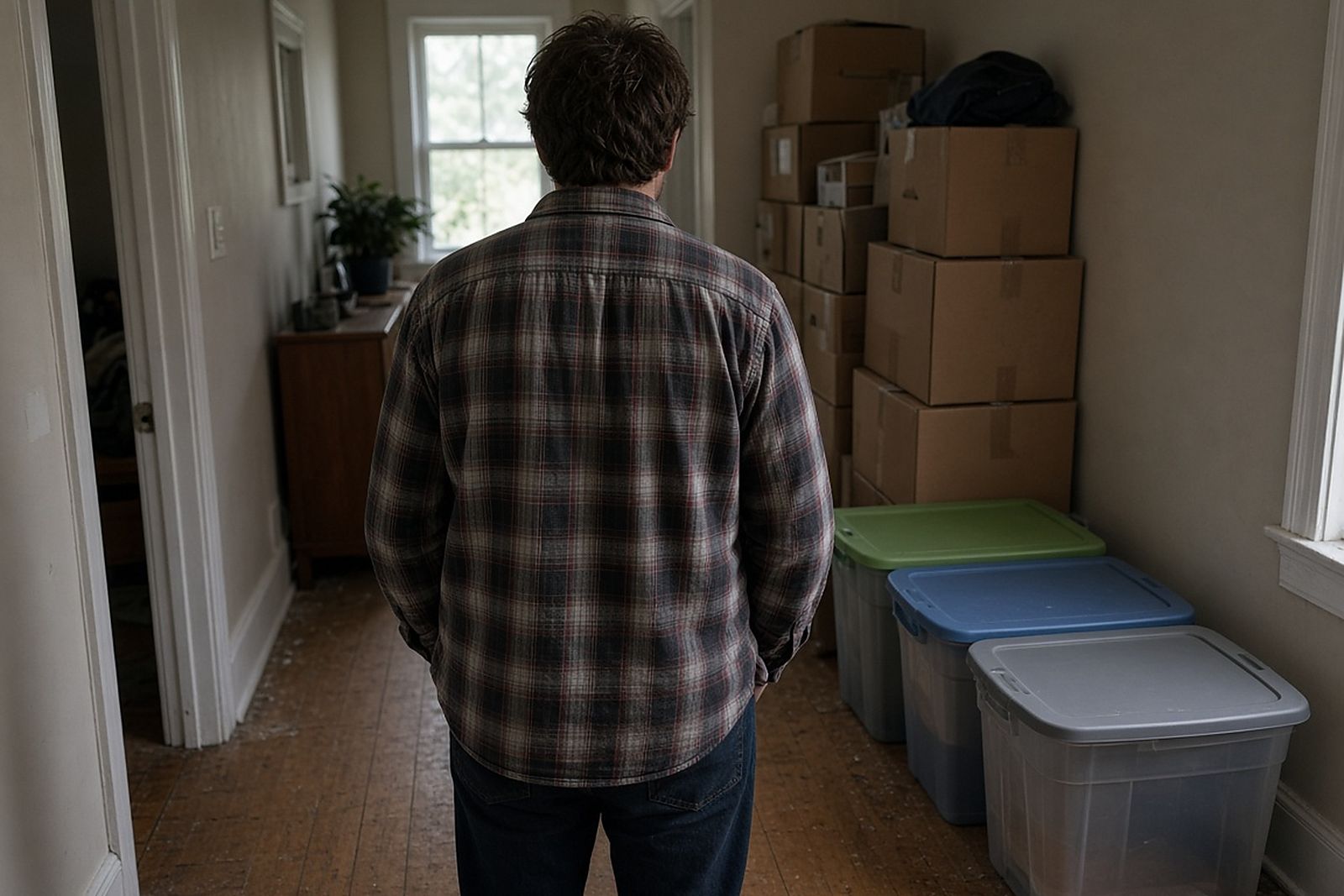
Person seen from behind in a hallway beside stacked boxes and three colored sorting bins
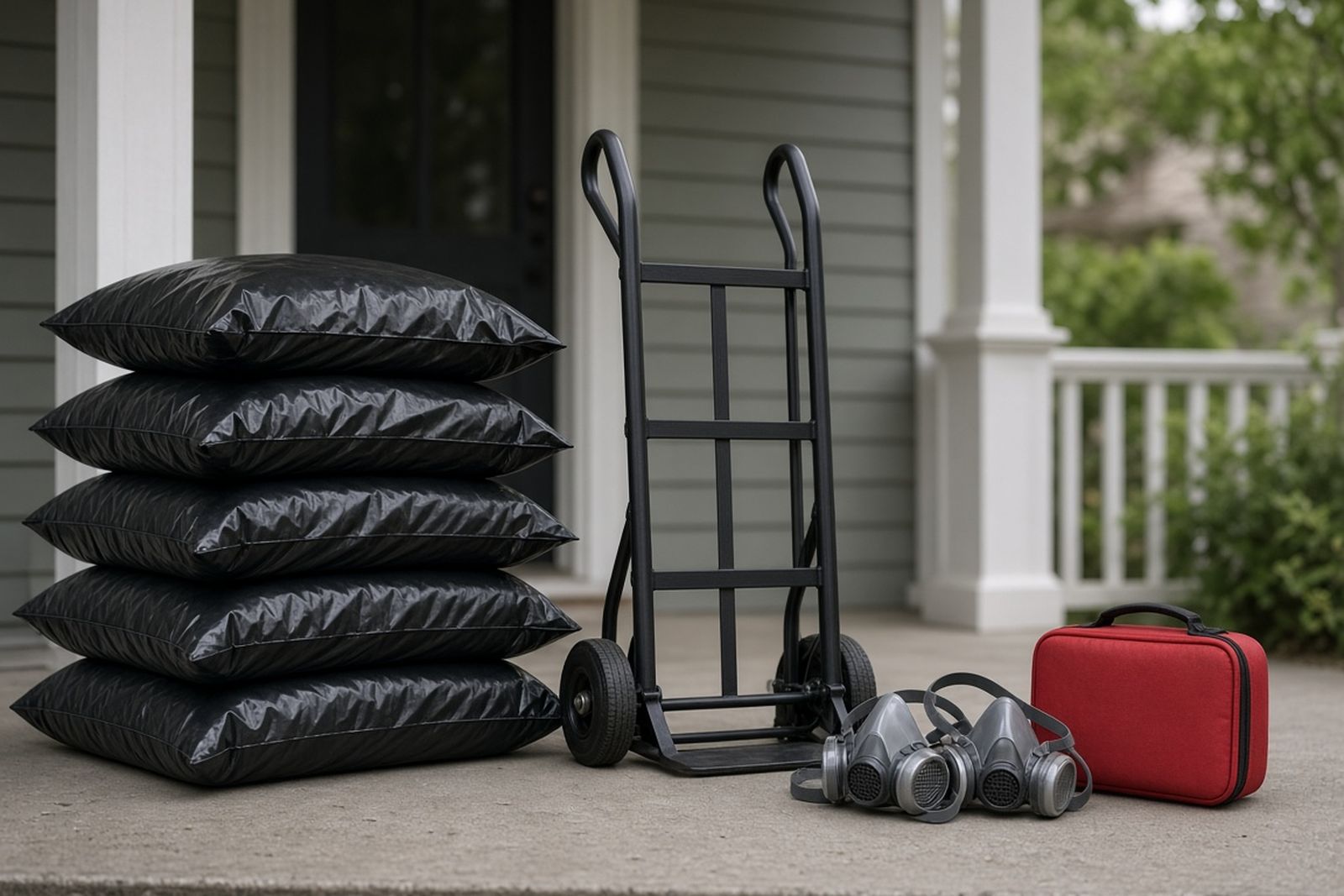
Contractor bags, a hand truck, respirators and a first-aid kit staged on a porch

Facts worth knowing

  • In focus groups with 17 English professionals, participants said clutter built up again when the problems behind the hoarding were not dealt with.

    Why it matters: A cleanup alone may not last; ask about mental-health or follow-up support for your relative alongside it.

    Source: Haighton et al., 2023

  • US employers must offer the hepatitis B vaccine within 10 working days of giving a worker a job with exposure to blood.

    Why it matters: If your own staff will clean up blood, this duty may apply to you; ask a cleanup company whether its crews were offered the vaccine.

    Source: OSHA, 2001

  • In a large online survey about hoarding, 0.1–3.0% across groups reported that a child or older adult had been removed from the home.

    Why it matters: It is uncommon, but if children or older adults live in your home, making it safe for them should come first.

    Source: Tolin et al., 2008

Tools that help right now

What would you do?

Poll results

Vote to see how other people answered. You can change your answer at any time.

Your experience

If a relative's home had become unsafe, what would be your first step?

Be the first to vote
Process

How much control should the occupant keep over what leaves the home?

Be the first to vote

Need help in Greenwich?

Send a short message about the property to the follow-up inbox. A coordinator can reply by email with next steps.

Your request is sent to the follow-up inbox. A coordinator can reply by email.

If anyone is hurt or in danger, call 911 first.