Direct answer
What should a property decision-maker know in Santa Monica, CA?
Santa Monica cleanouts hinge on courtyard walkway carries, pier-and-promenade alley timing, and compact-unit salvage under salt-air dampness—restore unit exits first, protect shared courts from drip and dust, then pace release decisions without inventing municipal deadlines or promising a local roster.
This Santa Monica, CA page is an educational hoarding scene cleanup planning guide. It does not claim a brick-and-mortar office, local crew roster, or promised response time in Santa Monica.
Editorial guide · Biohazard Remediation NetworkUpdated 2026-07-22Location focus: Santa Monica, CA
Local planning context
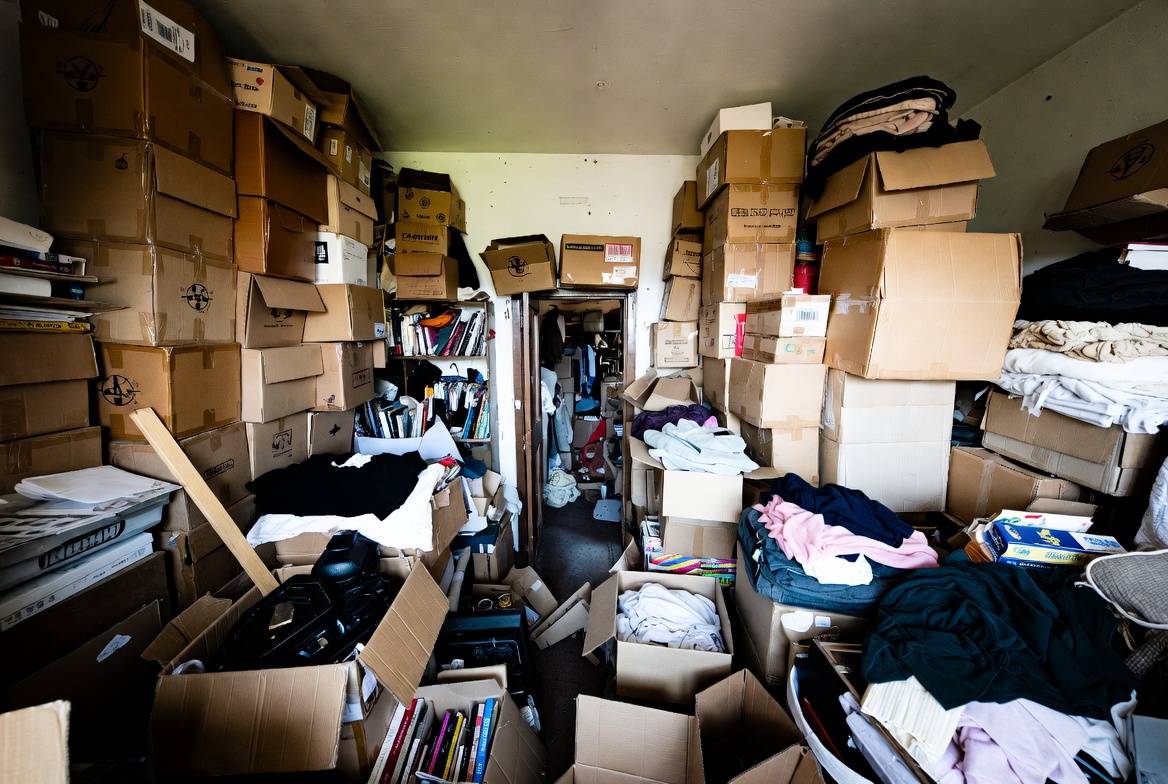
The housing fabric leans courtyard and mid-block: walk-up courts with open-air galleries, older apartments above storefronts, and compact flats where a single bedroom can hold years of unopened mail. Alleys behind pier-adjacent and promenade-adjacent blocks are the real loading spine, yet weekend visitor surges can choke those lanes with ride-hail queues and delivery vans. Interior life safety still outranks tourism logistics, but a plan that ignores alley clocks strand bags inside and raises odor complaints. West-facing plaster cooled by marine air often hides damp cardboard until stacks leave; fixtures may show salt etching only after the room empties.
Santa Monica Fire Department pages and the city portal orient owners to exit access, combustible storage, and building-condition questions. Los Angeles County Department of Public Health materials can inform sanitation topics when countywide education applies. Those sources do not appoint a discarder, diagnose anyone, or publish a sorting method. This educational page does not invent inspection calendars or fine schedules—verify any notice on official sites. Pair agency orientation with written authority from the leaseholder, owner, or court-appointed person before belongings leave.
Stigma travels quickly through courtyard gossip and shared laundry rooms. Keep neighbor messages about hours and covered walkways, never about contents. Blocked kitchens commonly overlay insect activity and spoiled food; helpers need protection matched to dust, dampness, zoonoses, and needles. Out-of-area relatives often direct work by phone—use photo batches with a silence-means-hold rule. Closeout talk should separate “unit exit usable” from “finishes restored,” especially where salt air reveals soft wall bases after uncovering.