Direct answer
What should a property decision-maker know in San Jose, CA?
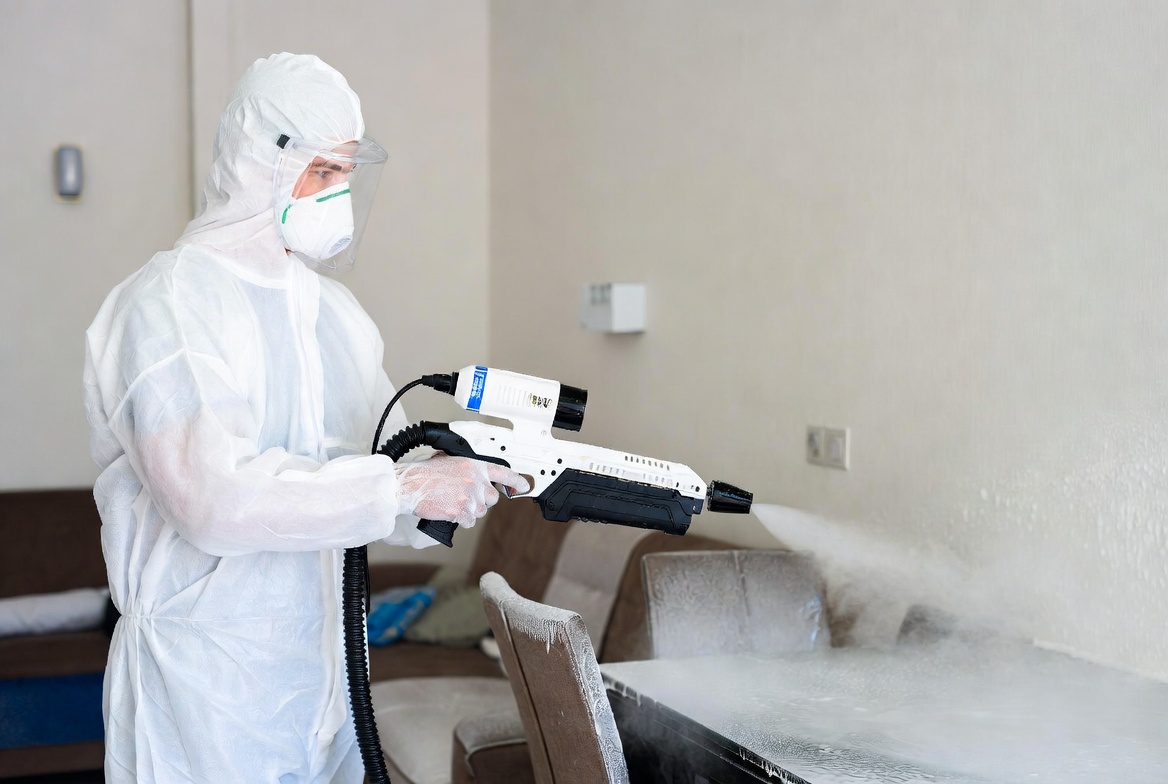
San Jose homes, multi-unit complexes, and tech-adjacent offices need infection-control plans that prioritize high-touch mapping, labeled contact times, hybrid occupancy staging, and honest limits of List N and ATP—without confusing campus cleaning with healthcare sterilization.
This San Jose, CA page is an educational infectious disease disinfection planning guide. It does not claim a brick-and-mortar office, local crew roster, or promised response time in San Jose.
Editorial guide · Biohazard Remediation NetworkUpdated 2026-07-22Location focus: San Jose, CA
Local planning context
San Jose’s mix of single-family neighborhoods, dense apartment and townhome clusters, and large office floors near downtown and North San Jose creates frequent shared touchpoints: conference room controllers, badge readers, bike-room doors, courtyard gates, and open-plan kitchenettes. After a workplace gastrointestinal cluster or a household respiratory illness, the environmental response should inventory which surfaces were touched during the infectious period and which soft goods—felt booths, lounge sofas, acoustic panels—cannot rely on hard-surface disinfectant claims alone. Santa Clara County Public Health and the California Department of Public Health are the local and state anchors for outbreak communication.
Many employers here already run hybrid schedules across large campuses. Occupancy planning therefore matters as much as chemistry: a disinfection pass performed while people keep using the same keyboards and fridge handles will recontaminate treated surfaces within hours. Schedule vacancy windows for dwell time, stage reopening by zone, and keep ventilation running as the product label and SDS allow. Inland Valley heat often keeps windows closed and HVAC recirculating, which affects odor dissipation after application.
Research-adjacent workplaces and home offices sometimes store equipment people casually call “lab gear.” Environmental surface disinfection for desks and bathrooms is not the same as sterilizing medical devices or biological safety cabinets. CDC healthcare disinfection and sterilization guidance describes clinical concepts that are not a residential clearance standard. If blood or other potentially infectious materials appear—for example after a severe injury in a shop space—OSHA bloodborne pathogens requirements may apply to employers and contractors.