Direct answer
What should a property decision-maker know in San Francisco, CA?
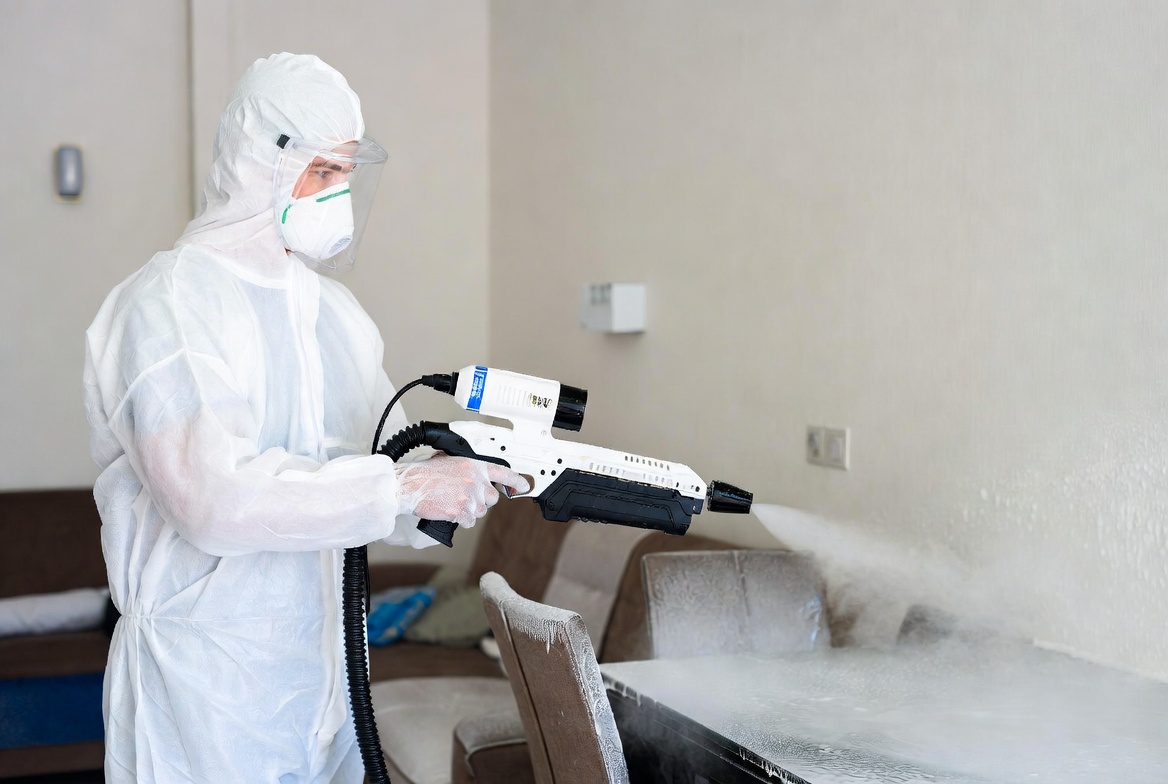
Vertical housing, transit-adjacent lobbies, and tourism lodging here need outbreak plans that sequence shared vertical cores first, keep labeled wet dwell honest under fog-season HVAC, and treat List N as a SARS-CoV-2 reference—not a sterile-building certificate.
This San Francisco, CA page is an educational infectious disease disinfection planning guide. It does not claim a brick-and-mortar office, local crew roster, or promised response time in San Francisco.
Editorial guide · Biohazard Remediation NetworkUpdated 2026-07-22Location focus: San Francisco, CA
Local planning context
Stacked residential towers and mid-rises funnel almost every trip through a short list of shared objects: call buttons, cab panels, corridor rails, trash-chute handles, and package rooms near transit stops. When a floor reports a gastrointestinal cluster or a respiratory exposure window, those vertical-core nodes usually deserve attention before rarely touched decorative surfaces at the end of a hallway. Fog-season envelopes keep many operable windows shut, so chemical odor and wet-film drying behave differently than in a sunny courtyard building—vacancy clocks must reflect that reality rather than a marketing spray-and-go promise.
Neighborhood lodging near visitor corridors turns rooms over against late arrivals and same-day bookings. That pressure often collapses outbreak response into ordinary housekeeping: linens changed, bathrooms wiped, scent left behind. A true outbreak scope still requires organism-matched EPA-registered chemistry, detergent soil removal first, and full wet contact time with the room or amenity held vacant. San Francisco Department of Public Health community messaging can support factual notices; it does not convert a condo gym or hotel corridor into a sterile clinical field.
Street-level clinics and wellness storefronts share elevators and lobbies with apartments in many mixed blocks. Environmental work in common areas remains community risk reduction under CDC cleaning and disinfecting guidance. Device reprocessing and healthcare sterilization concepts belong to the clinical tenant’s own program and are not a residential clearance standard. If blood or other potentially infectious materials appear during cleanup, OSHA bloodborne pathogens planning may apply to workers even when the suite is not a hospital.