Direct answer
What should a property decision-maker know in Sacramento, CA?
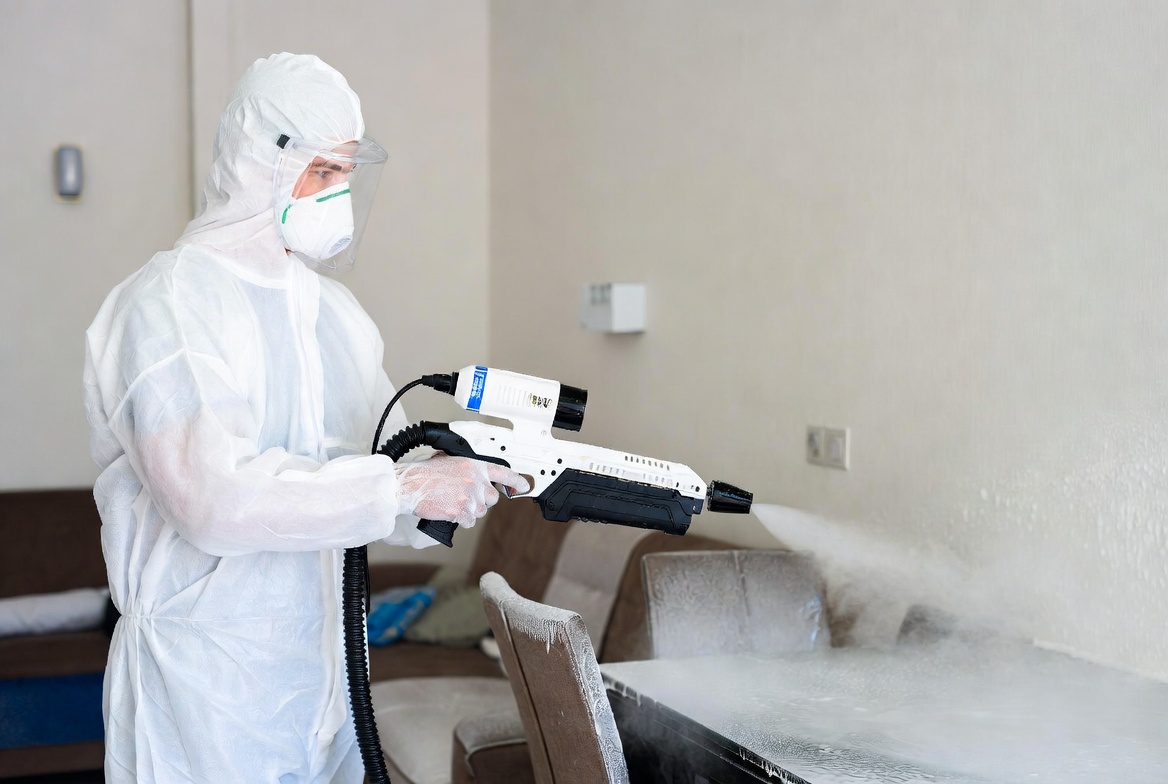
Capitol-corridor offices, Central Valley apartments, and family homes in Sacramento need outbreak plans that respect smoke-day HVAC limits, document organism-matched EPA chemistry, and treat disinfection as risk reduction—not sterile-campus clearance.
This Sacramento, CA page is an educational infectious disease disinfection planning guide. It does not claim a brick-and-mortar office, local crew roster, or promised response time in Sacramento.
Editorial guide · Biohazard Remediation NetworkUpdated 2026-07-22Location focus: Sacramento, CA
Local planning context
Sacramento outbreak work often spans Capitol-adjacent meeting floors, mid-town apartments, and suburban family kitchens where courtyard gates, badge readers, and shared fridge handles concentrate contact. Summer heat and wildfire smoke commonly force closed envelopes, so chemical odor after disinfectant use can linger longer than managers expect. Sacramento County Public Health and CDPH can support factual community messaging; neither agency turns an office wipe-down into a sterile lab.
Hybrid legislative and agency calendars mean rooms may be empty midday and crowded for hearings or shifts later. A disinfection pass that ignores that rhythm will be reseeded as soon as the first wave of badges returns. Stage vacancy by zone, keep wet contact time intact, and write a reopen clock facilities staff can enforce without debating hallway gossip about who was ill.
Some workplaces store specialized equipment people casually describe as “lab gear.” Wiping desks and restrooms is still community environmental cleaning, not device sterilization. CDC healthcare disinfection and sterilization guidance is not a residential or general-office clearance standard. Blood or OPIM from an injury event requires OSHA bloodborne pathogens planning; ordinary respiratory illness surface work does not.