Atlanta, GA

Meth Lab Cleanup in Atlanta, GA: BeltLine Mid-Rises, Red-Clay Crawlspaces, and Case-by-Case Files

What to do, who to contact, and what to ask in Atlanta.

Meth residue in an Atlanta apartment or bungalow? No Georgia state number is cited. See how wipe tests, red-clay controls and lab files protect you.

Get an email reply about meth lab cleanup

Send a short message to the follow-up inbox. A coordinator can reply by email. This form does not send emergency help; call 911 first if anyone is in danger.

Tell us what you need help with. Share a short description; please leave out medical details, access codes, and other sensitive information.

A request does not confirm a booking. For immediate danger, contact local emergency services.

Or email info@propertydeconguide.com

The short answer for Atlanta, GA

If your Atlanta apartment, bungalow or rental may have meth residue, do not wash walls or repaint yet. Make sure any chemicals are gone, then ask for wipe tests and a pass level set for your job. No Georgia state meth number is cited for moving back in, so the lab file is your proof.

What to do, step by step

  1. 1

    Get the home assessed and a pass level set

    Ask for a list of the signs of a cook versus use only, with photos. Then have a plan for wipe tests drafted. It should name the lab method, the detection limits, how many samples to take and the rules for what to keep or throw out. EPA’s voluntary guidelines give technical direction. The plan should not claim a “Georgia clearance standard” with a number. If your lender suggests a pass level in a contract, record that deal apart from state law.

  2. 2

    Expect plastic walls, sticky mats and soft items removed

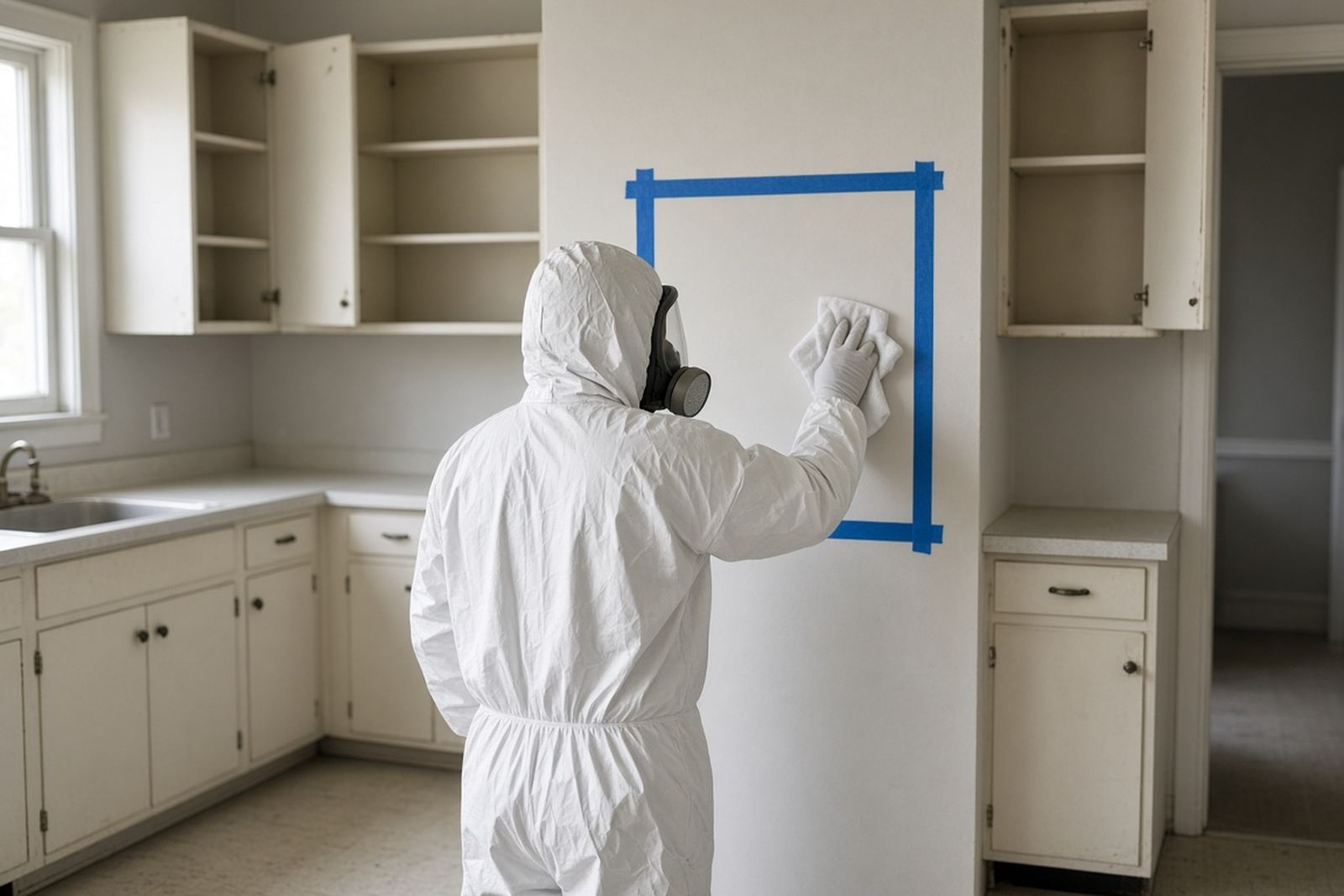
    A good crew sets up plastic walls and sealed work areas, so residue does not spread into hallways or nearby units. Sticky mats go at your crawl and porch entries. Anything too soaked to reach your written pass level is pulled out. Then hard surfaces are washed with detergent while HEPA air filters run. Dry sweeping is a mistake here, because it kicks fine dust and clay grit back into the air together.

  3. 3

    Ask about the crawlspace and the air system

    The filters should be changed, and the crew should check whether it can reach the ducts. Your system stays off while things are torn out. In an Intown duplex, any crawl opening shared by both sides should be closed off. Workers should get a written briefing on the chemical risks of leftover solvents and fine dust. Ask to see photos of the crawlspace and the clay controls when the work is done, since buyers in Atlanta often ask for them.

  4. 4

    Collect the file that closes out your job

    Wipe samples taken after cleanup are the record that decides your job. They are checked against the written pass level for your home, not a Georgia microgram law. If any spot fails, the crew goes back to wash or remove material in that room, and a new round of samples is taken. Ask for the work plan, waste shipping records, custody forms, lab reports and floor-plan sample maps. Keep them together for disclosure.

What cleanup is like in Atlanta

Atlanta’s mid-rises near the BeltLine, Intown bungalows with red-clay crawlspaces and northside garden courts give residue two kinds of paths. It can travel up through floors, and it can travel at ground level. You may be here because a vacant apartment showed heavy-use debris, signs of a cook appeared, or a buyer’s review called for wipe tests. Your job should set its own written pass level with the hygienist and the lab. Be careful with anyone who quotes a “Georgia number,” since none is cited for moving back in. Ask instead how your results will be measured and against what.

Red clay is a local problem you should ask about. Clay on boots and cart wheels gets tracked back onto washed floors after workers go into the crawlspace. The Georgia Environmental Protection Division runs hazardous-waste programs when chemical debris leaves a site. The Georgia Department of Public Health is the state health contact for your exposure questions. City and county offices answer local questions once a scene is stable, and DEA resources explain the dangers of a cook. Tell the company whether there was a cook or use only. Use alone can still coat plaster, soft goods and duct dust in a humid Piedmont apartment.

Home sales here often stall without a lab file, even though Georgia has no state meth number. So ask for a record of where samples were taken, the methods used and the results. Sticky mats and boot changes belong in the crew’s chemical safety plan from the start. Paint or ozone is not proof that your home is clean. If you plan to sell or re-rent, start the file on day one. It is far easier than trying to rebuild the story for a buyer’s lender months later.

A few Atlanta details affect your privacy and schedule. Walkers on the BeltLine can photograph bag-outs from the raised paths, so ask for sealed totes you cannot see into. After thunderstorms, red-clay mud can clog HEPA air filter intakes if the mats are skipped. Intown duplexes with old coal-era chimneys need the chimney chase sealed, not just a normal filter swap. Curb space near MARTA stops disappears at rush hour, so staging inside a gated alley works better when you have one. For a Fulton closing, keep any Georgia EPD letters in the same binder as your wipe reports.
What to expect for your type of home

  • Apartments and bungalows: Ask for samples in the kitchen, baths, bedrooms, rooms next to the crawlspace and HVAC return vents. Testing only where drug gear was found leaves too much unknown.
  • Any Atlanta home: With no Georgia meth number to point to, agree in writing on a pass level before the first wipe is taken. Everyone with a stake should sign it.
  • Homes over red-clay crawlspaces: Ask how the crew will stop red clay from being tracked in at the crawl entry. Mats and boot changes are the usual answer, and both should be photographed.
  • Units with signs of a cook: Ask that signs of a cook be kept apart from use-only debris. Then the waste from your home is sorted the way Georgia EPD expects.

Papers and records to keep

  • Crawlspace sketch and floor plan marking where wipes were planned and taken
  • Wipe reports from the accredited lab, each with its custody form
  • A list of soft, soaking materials removed from your home, with disposal records
  • HVAC notes for your Atlanta home: filter changes and duct runs reached
  • Photos of the crawlspace and the red-clay tracking controls at each entry

Local offices and official help

Common questions in Atlanta

Has Georgia set a meth number I must meet before moving back in?

For Atlanta homes, no Georgia state number for moving back in after meth is cited here. California has a lab-activity standard in its law, but nothing like it is cited for Georgia. So set your pass level in a written sampling plan, and rely on an accredited lab. Each test spot in your Atlanta home should be marked on a map, with detection limits noted. If Georgia EPD or a local office gives orders for your site, follow those first.

Why does the crew care so much about red clay?

Because clay carries residue. Piedmont soil sticks to boots and cart wheels, and it brings dusty residue from the crawl entry back onto your washed floors. Sticky mats, boot changes and sealed bags cut down on this after the HEPA filter work. A good crew treats clay tracking as a chemical control problem, not just mud. Ask for photos of the entry controls for your file.

When should I call Georgia EPD before any walls are washed?

Use emergency contacts and Georgia EPD channels when there are spills, left-behind chemical containers or lab waste found by police. Those need hazardous-materials handling, not cleaning. Wall washing waits until Atlanta officials have made the site safe and handed it back to you. Do not go in early to tidy up. File the hazmat removal papers with the residue results that come later, so the whole story sits in one place.

There is no state number. Can I ignore residue from smoking alone?

No. Smoking over a long time can coat floors, walls, soft goods and duct dust in humid Piedmont apartments. Only wipe samples read by an accredited lab show how much is there. Soaked soft goods often have to go. Say a landlord just clears out the drug gear and rents the flat again. That landlord has nothing to show the next tenants. A written pass level and lab results give you something solid.

What should my purchase packet hold after cleanup near the BeltLine?

Include photos, notes on cooking versus smoking and the sampling plan. Add custody forms and lab reports with detection limits. Put in the HVAC and crawl notes, the waste records and a list of the soft goods taken out. Include any letters to or from Georgia EPD or the city. The packet should state clearly that no Georgia state meth number for moving back in is cited. Ask a Georgia lawyer what you must disclose.

I own a 1920s bungalow. Can the heart pine floors and plaster stay?

Maybe, and testing will tell you. Kirkwood, Grant Park and East Atlanta have many 1920s bungalows with heart pine floors, plaster walls and crawlspaces. Pine and plaster can hold residue, and ducts in the crawlspace often pull dust up from below. Ask that crawlspace duct runs and floors go on the sample map. Have test cleanings tried on original floors before you decide to remove them. Write down your choices for future buyers.

Will summer heat slow the cleanup?

It can. Atlanta summers are hot and humid, and working in protective gear inside a closed house can cause heat stress. Expect tear-out work early in the day, regular breaks and portable cooling that does not share air with clean areas. Georgia humidity keeps washed plaster and wood damp longer, so surfaces must be fully dry before the final round of wipes. Afternoon thunderstorms can also upset outdoor staging.

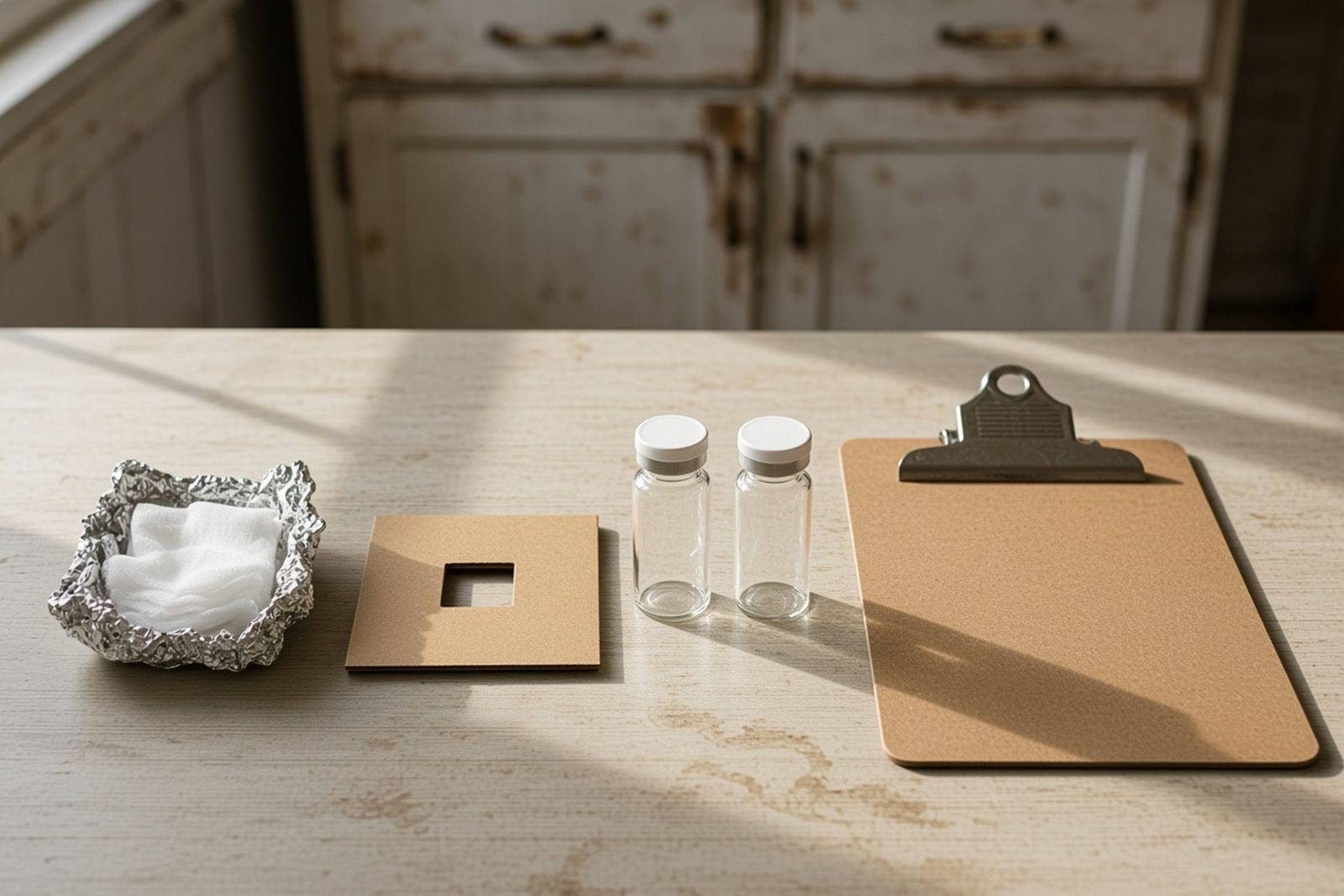
Wipe-sampling supplies on a counter: gauze in foil, a sampling template, vials and a clipboard
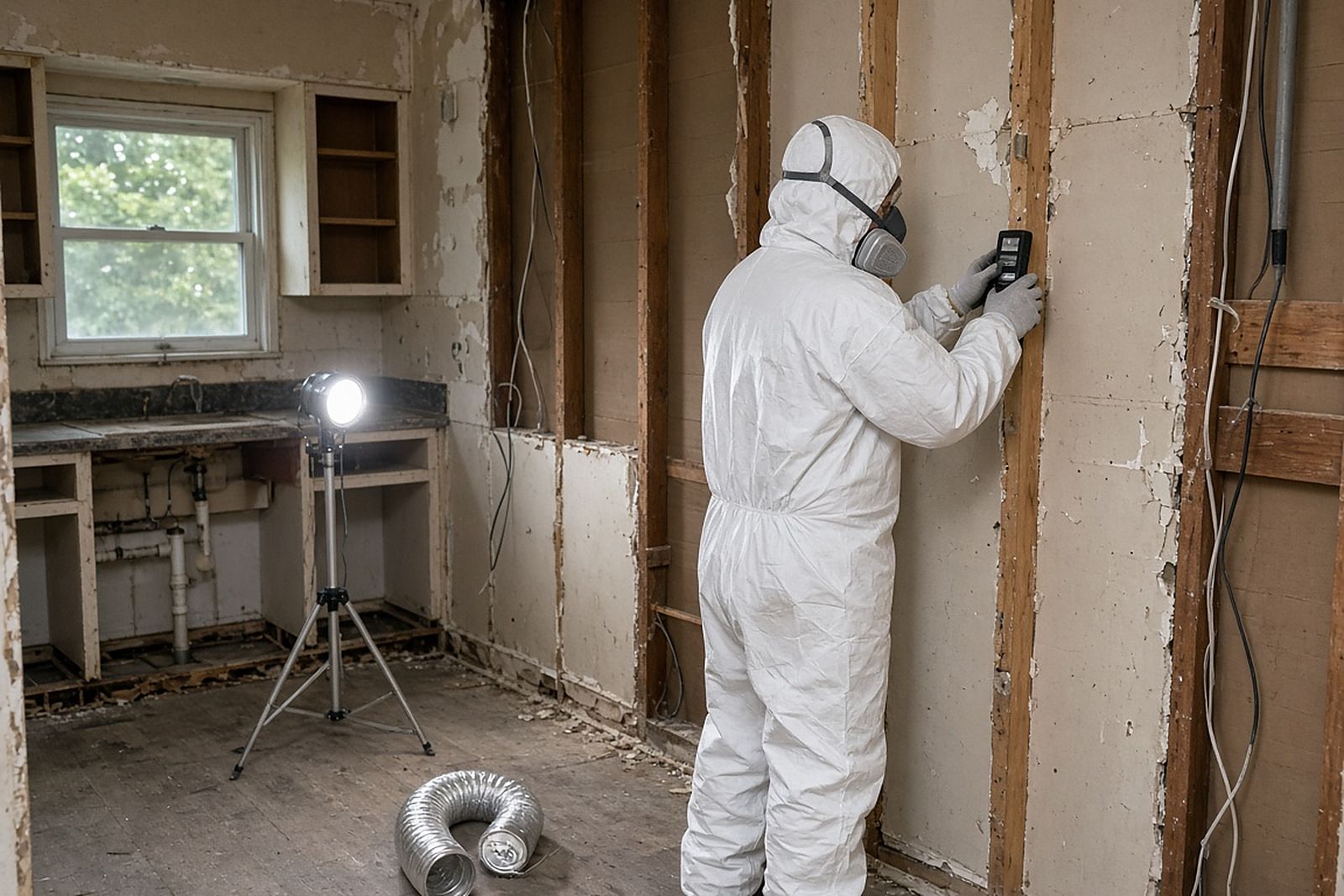
Technician in a respirator checking exposed studs in a gutted kitchen with a work light and duct

Facts worth knowing

  • As of April 2025, 18 states plus D.C. had no laws on cleaning up properties contaminated by illegal drugs.

    Why it matters: Check with your local health department, because local orders or seller disclosure duties may still apply to you without a state law.

    Source: Legislative Analysis and Public Policy Association, 2025

  • In one Australian home where meth was cooked, researchers found extremely high contamination more than five years after cooking stopped, even though people had lived there since.

    Why it matters: Do not assume time or normal housekeeping has made a former lab safe; ask for testing before you move in or rent it out.

    Source: International Journal of Environmental Research and Public Health, 2019

  • Washington State requires meth-contaminated properties to be cleaned down to 1.5 micrograms of meth per 100 square centimeters of surface.

    Why it matters: If your property is in Washington, ask for final test results at or below this level; other states often use stricter limits.

    Source: Washington State Department of Health, 2025

Tools that help right now

What would you do?

Poll results

Vote to see how other people answered. You can change your answer at any time.

Your experience

If a house you wanted had a documented lab cleanup that passed clearance, what would you most likely do?

Be the first to vote
Industry

Which factor would you weigh most when choosing a meth cleanup contractor?

Be the first to vote

Need help in Atlanta?

Send a short message about the property to the follow-up inbox. A coordinator can reply by email with next steps.

Your request is sent to the follow-up inbox. A coordinator can reply by email.

If anyone is hurt or in danger, call 911 first.