Boston’s brick rows in the South End and Back Bay, triples in Dorchester and Jamaica Plain, and older condo conversions pack homes around shared stairs. Many also share basement mechanical rooms, so your neighbors are part of the picture. Massachusetts has no statewide numeric meth limit for moving back in. It offers nothing like the rule California set in section 25400.16. So you need a written pass level for your own address. Agree on it with the industrial hygienist, who is a trained chemical-safety expert. Include the accredited lab and any lender or buyer who has demands. Nobody should hand you a Massachusetts clearance microgram.
Know which office does what. The Massachusetts Department of Environmental Protection, called MassDEP, runs Waste Site Cleanup and emergency response. Those are your state contacts when abandoned containers, spills or chemical threats remain. The Boston Public Health Commission takes city environmental health questions once a scene is stable. Be open with the cleanup company about what happened in the flat. Cooking leaves solvents, raw ingredients, reaction waste and stained fixtures, and it makes for a bigger job. Smoking alone can still coat plaster lath, soft goods and duct dust in stacks sealed with storm windows.
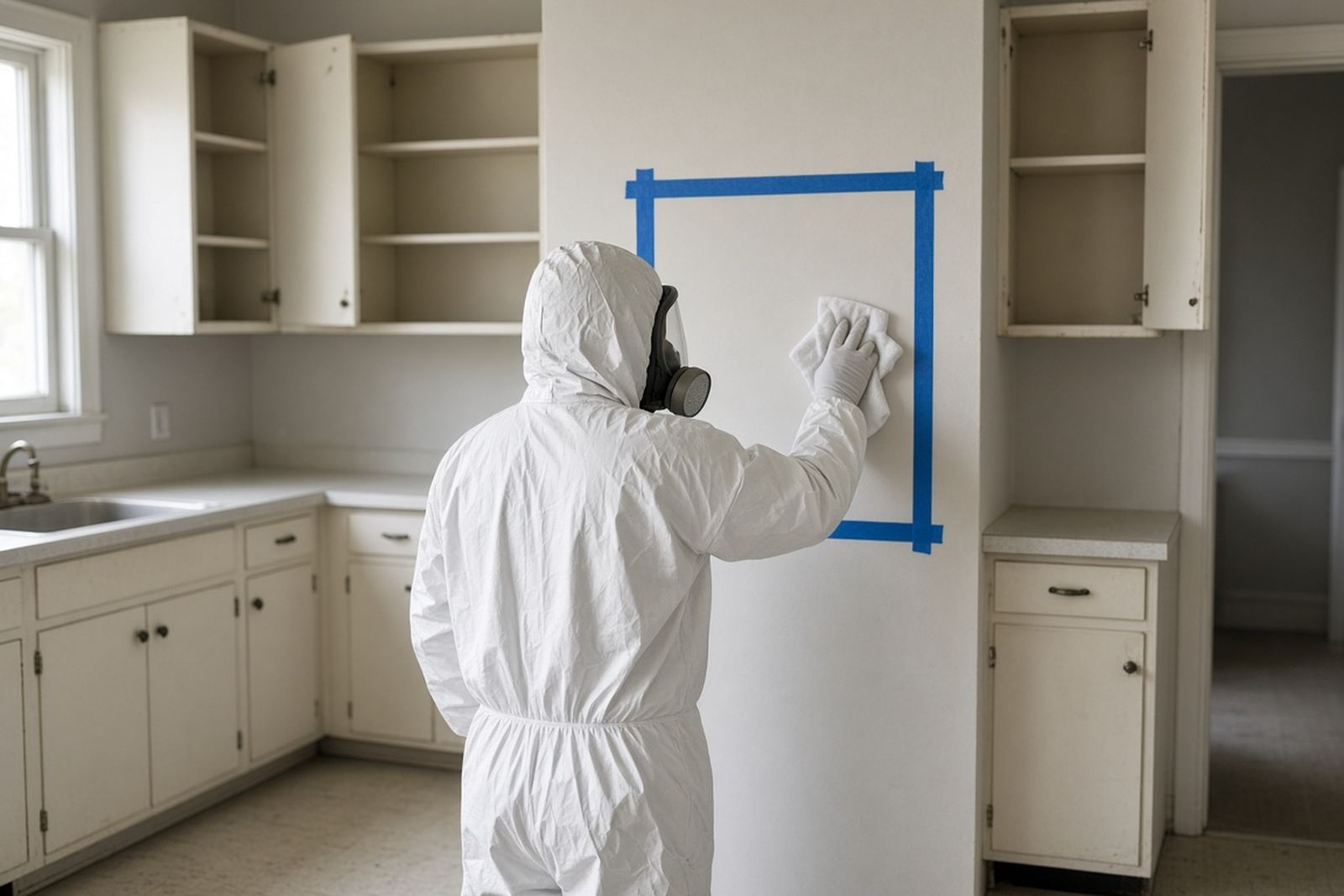
In these buildings, the main worry is residue moving from floor to floor. Stacked porches, plumbing chases and shared laundry all give it a path, which can pull the flats above and below yours into the work. Soft wood trim and old plaster hold residue, so expect questions about what can stay. Paint, ozone machines and fragrance cannot replace mapped wipe results. When you write a disclosure for a sale or a new tenant, tie your wording to what was tested, what was removed and what was tested again.