Direct answer
What should a property decision-maker know in Scarsdale, NY?
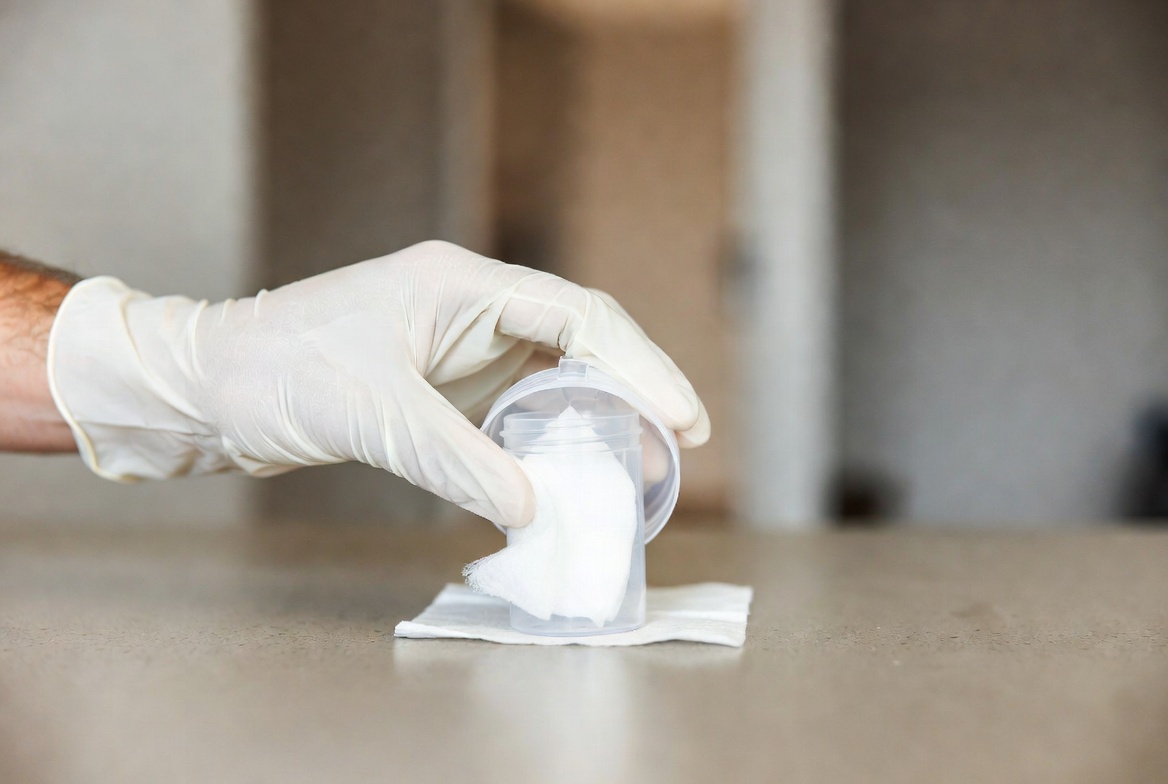
Scarsdale methamphetamine residue planning centers on Westchester single-family and condo stock, school-district turnovers, and honest sampling documentation. New York State does not publish a statewide numeric meth clearance standard, so owners should use accredited wipe plans, EPA voluntary guidance, and case-by-case acceptance criteria—not invented thresholds or cosmetic resets.
This Scarsdale, NY page is an educational meth lab cleanup planning guide. It does not claim a brick-and-mortar office, local crew roster, or promised response time in Scarsdale.
Editorial guide · Biohazard Remediation NetworkUpdated 2026-07-22Location focus: Scarsdale, NY
Local planning context
Westchester school-district suburbs here feature Tudor and colonial single-family homes, some condominium clusters, and finished basements with forced-air returns that collect fine dust. Residue questions typically arise after a vacant house shows heavy use debris, after a buyer’s environmental consultant requests wipes mid-contract, or when manufacturing indicators appear in a basement workshop. The state does not currently set a statewide quantitative methamphetamine reoccupancy standard comparable to California’s Health and Safety Code section 25400.16. EPA’s Voluntary Guidelines for Methamphetamine and Fentanyl Laboratory Cleanup provide technical practices for sampling and cleanup but do not establish federal quantitative cleanup standards. Projects should therefore define an explicit, written acceptance approach with the hygienist, laboratory, lender, and any agency that has asserted authority—without inventing a “Westchester number” on this page.
Westchester County Department of Health is a practical public-health contact for environmental questions; New York State DEC oversees hazardous-waste programs that may apply when chemically contaminated debris leaves a site. DEA clandestine laboratory resources orient responders to manufacturing hazards but do not create a municipal clearance certificate. Distinguish illicit manufacturing (solvents, precursors, stained fixtures, process wastes) from use-only contamination that can still load plaster, soft goods, and duct dust in closed homes. Manufacturing expands waste profiling; use-only still needs wipe evidence before claiming the house is ready for the next household.
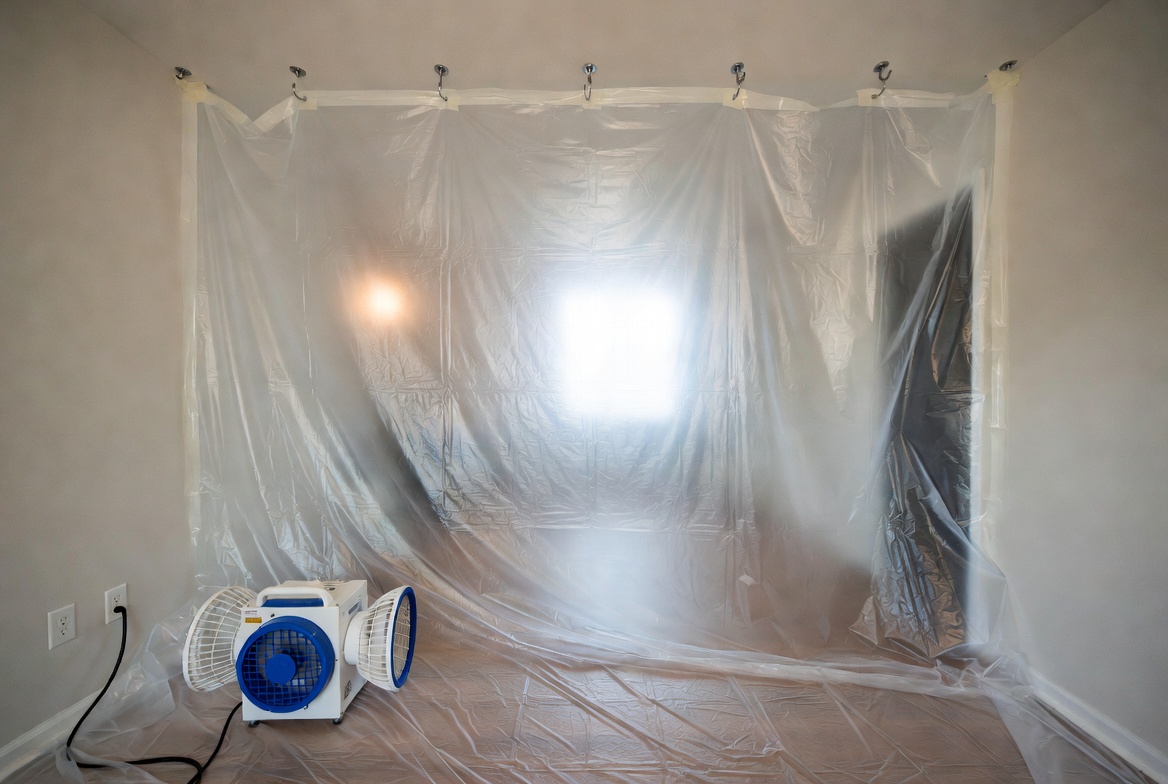
Metro-North commuting households and school calendars create pressure for fast re-occupancy, but paint cycles do not answer a residue question. Cross-contamination risk rises when soft goods move through attached garages into clean kitchens or when ordinary shop vacuums aerosolize basement dust into living floors. Document sample locations, methods, and results; disclose known contamination history honestly; and do not treat fragrance or ozone as clearance where no statewide numeric statute exists.