Short answer
The cost depends on how much of the agent was used and where. It depends on whether it was a powder like CS or an oil like OC, and on how many soft items soaked it up. It also depends on how far your heating and cooling system carried it and whether damaged fixtures need repair. Cleaning hard surfaces is usually the smaller part. Soft items and ducts often decide the total. Insist on an itemized written work plan.
Why the cost surprises people
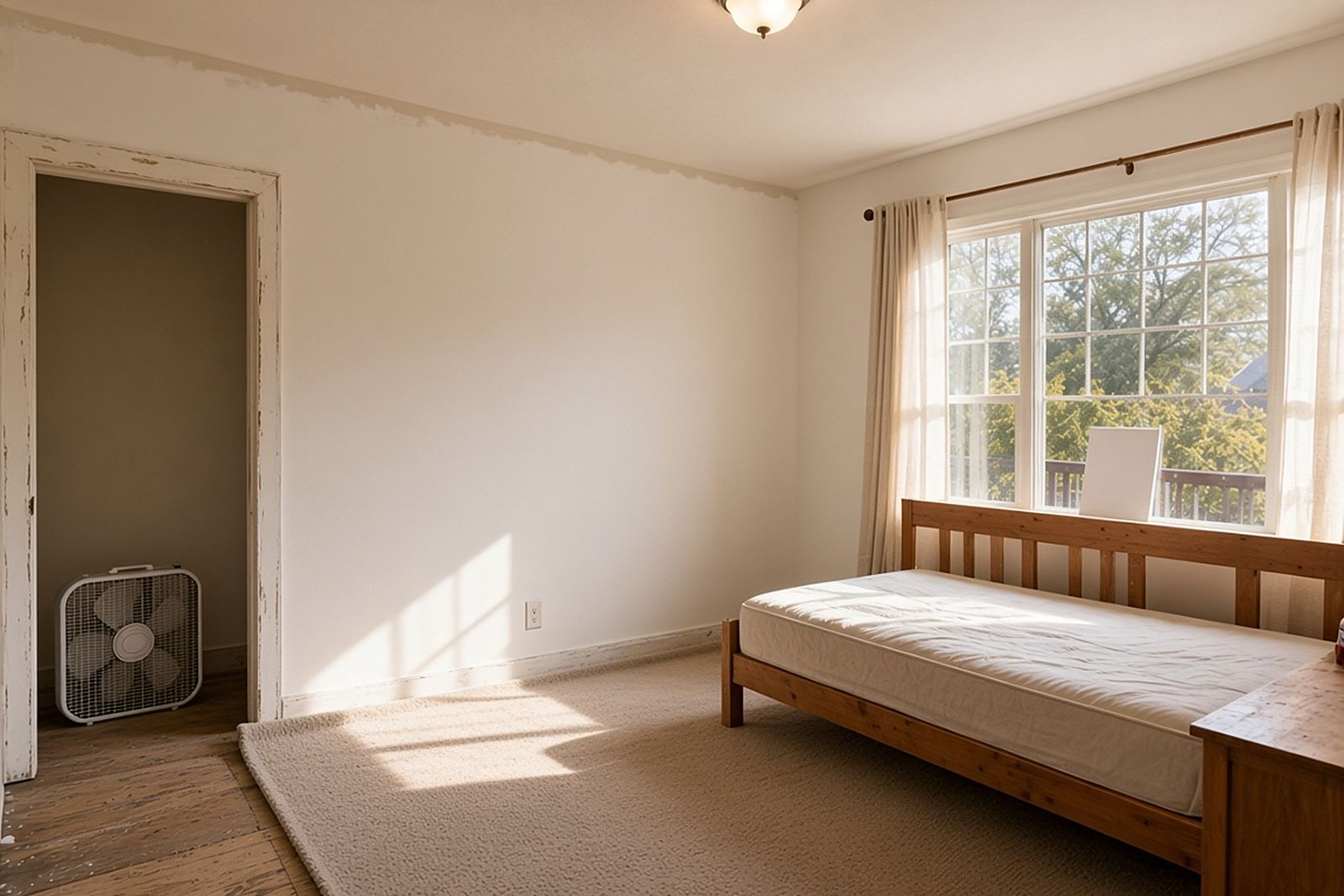
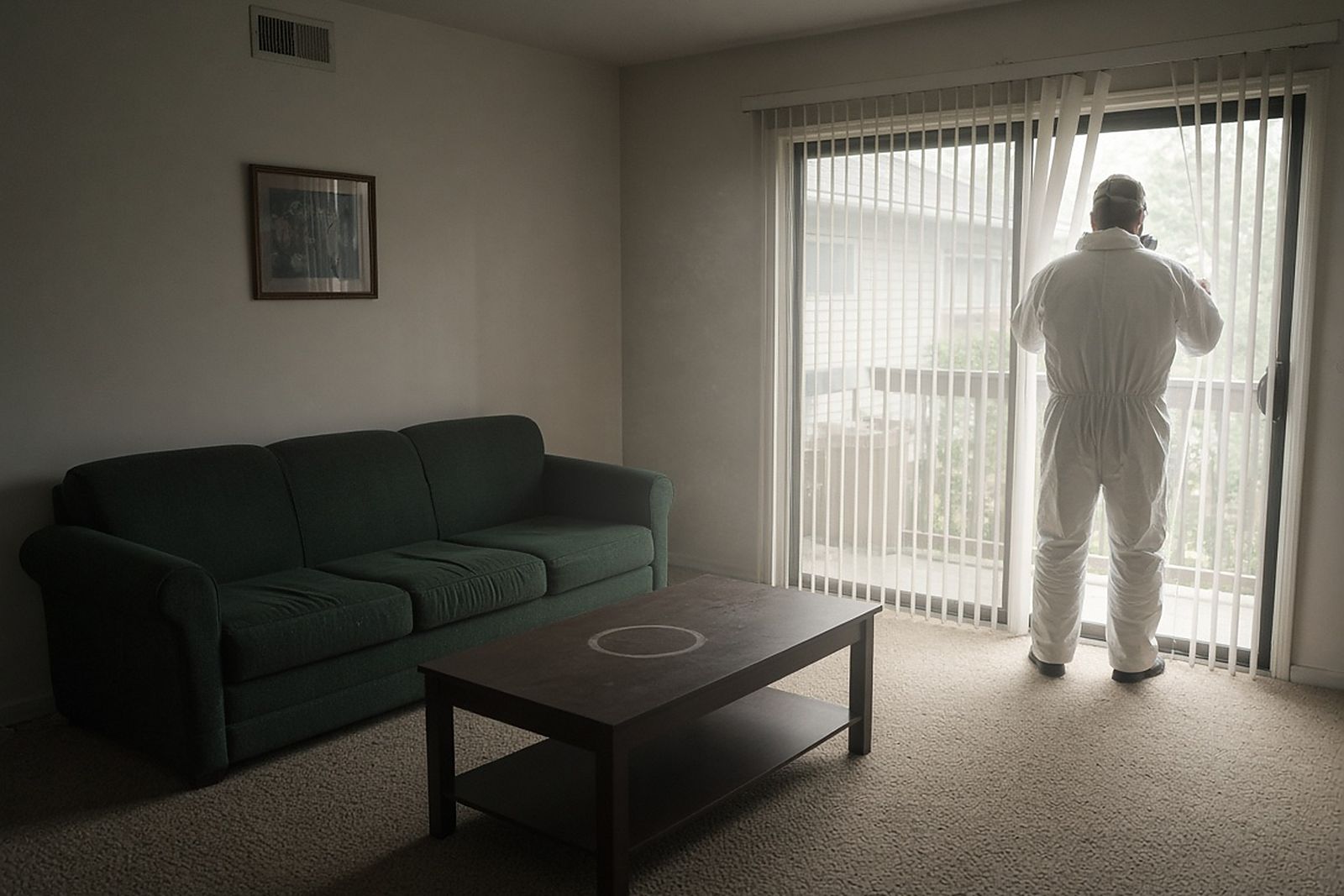
After tear gas is used, a room may look almost normal. You might see a light film of powder on the window sills, some scorch marks where canisters landed and a few broken panes. So you may expect a bill like the one for a deep house cleaning.
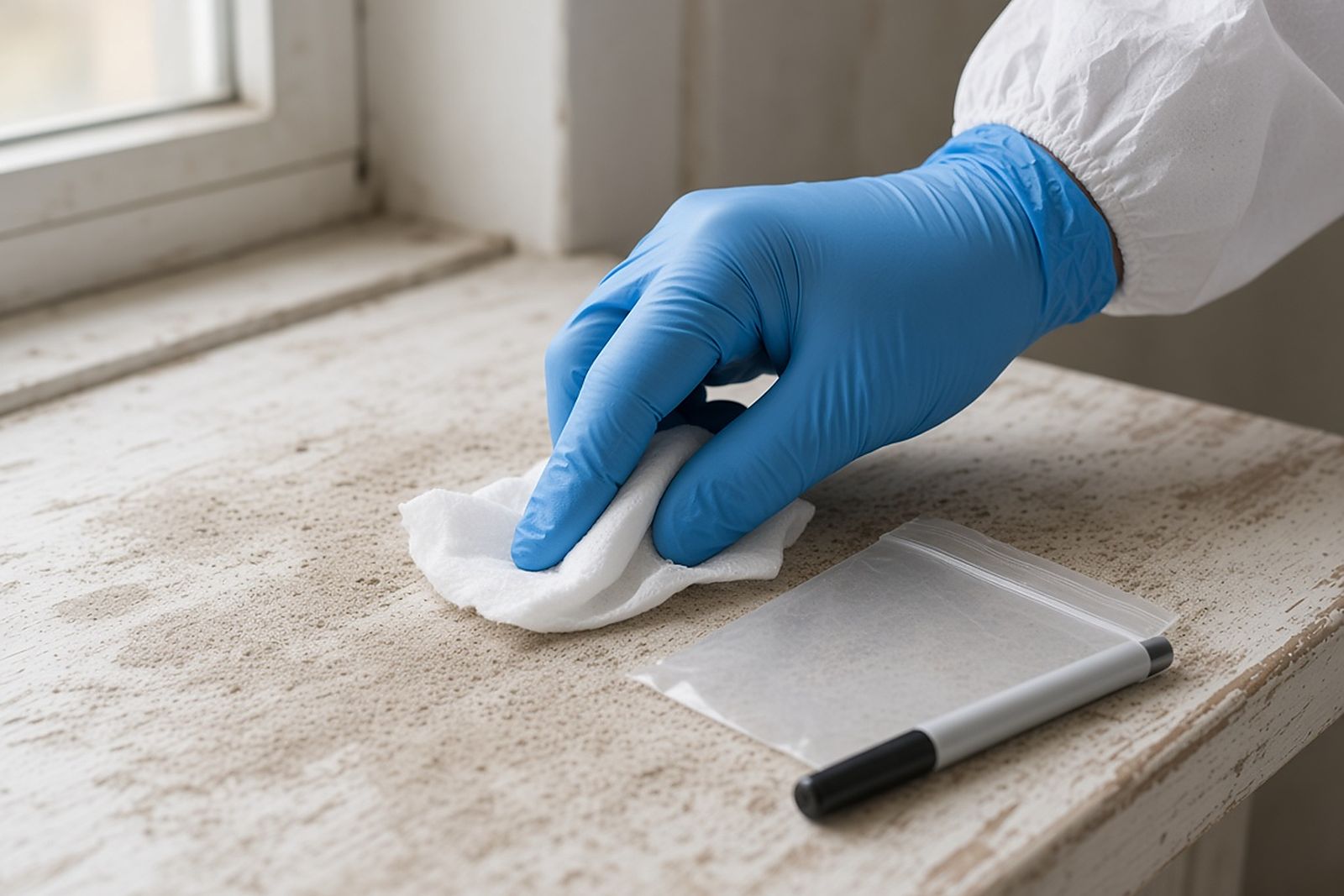
The trouble is that the residue is made to irritate in very small amounts. It hides in places a regular cleaning never reaches. Carpet fibers, padded furniture, curtains, mattresses and clothing can all hold it. So can ceiling tiles and the inside of your ducts and air handler. Each can hold enough to cause burning eyes and coughing every time it is disturbed.
So a proper cleanup means careful removal from every surface and every hiding place, not just wiping what you can see. That labor, plus the decisions about what to throw out, is what makes your estimate higher than you expect.
It also explains why a cheap first try often leads to a second, costlier one. If pockets of residue are missed, your symptoms return. The whole job may then have to be done again, with more removal.
Eight things that drive the estimate
Most tear gas cleanup estimates are built from the same set of factors. Knowing them helps you understand the price and ask better questions.
- How much of the agent got into your building and how many rooms it reached.
- Whether the agent was CS, CN, OC or a mix. Powders and oils call for different methods.
- How many soft items you have and what kind, including mattresses, padded furniture, rugs, curtains and clothing.
- Whether your heating and cooling system ran during or after the event, and how much of the ductwork a crew can reach.
- Absorbent building materials such as ceiling tiles, acoustic panels or unsealed wood.
- Physical damage from the event, such as broken windows, doors, drywall or scorched flooring.
- The plastic barriers and protective gear needed to keep crews safe and stop residue from spreading.
- The amount of waste from items thrown out and used cleaning materials.
How the type of agent changes the work
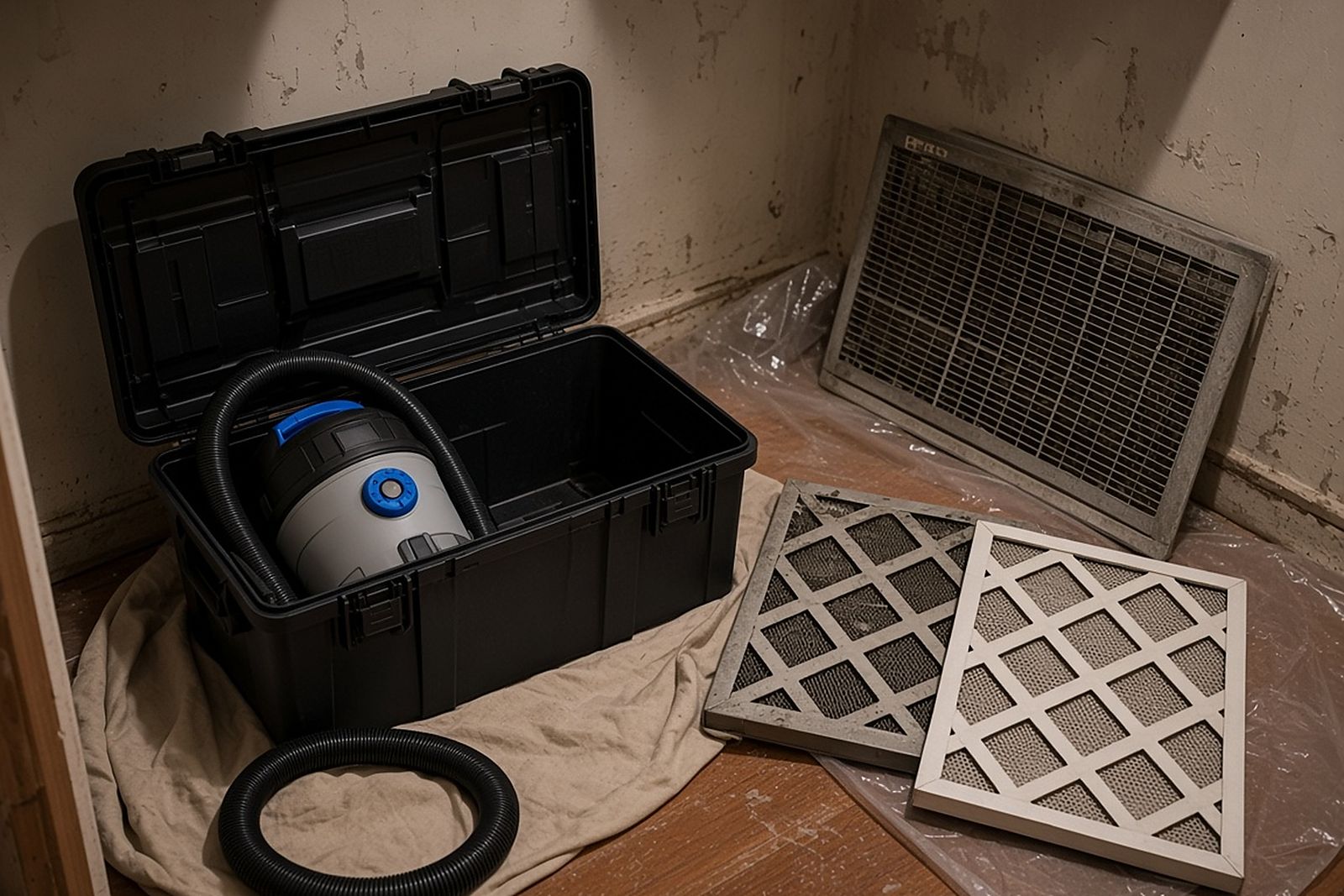
CS settles as a fine, crystal-like powder. Crews usually begin with careful HEPA vacuuming, using a very fine filter. This lifts the dust without throwing it back into the air. Wet cleaning follows, with products chosen to break the agent down.
The chemistry helps explain those product choices. Mildly alkaline cleaners, the opposite of acidic, are commonly used on CS because they help break it down. Each product also has to be safe for the surfaces in your home.
OC comes from pepper oils. It leaves a sticky residue that clings to fabrics and smooth surfaces. It often needs grease-cutting methods and repeated passes. Soft items that soaked it up can be very hard to save.
When both types were used, or when nobody knows the agent, the company may have to plan for both methods. That can add time. If you can, ask the agency that responded which agent it used.
Why is heating and cooling work such a large part of some bills?
Your heating or cooling system may have been running when the gas was used, or someone may have turned it on afterward. If so, it likely pulled residue into the return ducts, across the filter and into the blower and supply ducts. From there, residue can spread to rooms the canisters never reached.
Replacing the filter is a sensible first step. It is rarely enough by itself. Residue can settle inside the ducts and on parts that a new filter will not protect. Each time the system cycles, a fresh dose may be pushed back into the rooms you live in.
The cost of cleaning the system depends on a few things. How much of the ductwork can a crew reach? Do parts such as the coil or blower need cleaning or replacing? Is a specialist duct cleaning contractor involved? For some systems, it makes more sense to replace a part than to clean it.
Ask your cleanup company what they inspected and what they found. Ask why they suggest the level of work they included. Photos of the filter and the inside of the ducts help you and any insurer understand the decision.
Why two estimates for the same house can be far apart
If you collect more than one estimate after a police action, the spread may startle you. The gap usually comes from how much of your house each company really inspected. It does not come from different prices for the same work.
A narrow estimate might cover HEPA vacuuming and washing of floors and walls only in the rooms where canisters landed, plus a new filter. A wider one for the same house might add the hallway and bedrooms. It might add cleaning of the return air box and the ducts a crew can reach. It might include removing mattresses and a sofa, laundering or throwing out clothing from an open closet and a follow-up walkthrough.
The second number can be several times the first. Ask the lower bidder straight out whether they looked at the bedrooms and the ducts. If they did not, the price reflects a smaller view of the problem, not a more efficient crew. Residue in a return air box nobody inspected will still be there after they leave.
How much was inspected matters as much as the price. Compare what each company looked at before you compare what each company charges.
Should you save soft items or replace them?
This decision often has the largest effect on your total. Cleaning padded furniture, mattresses and heavy rugs takes a lot of labor. It may not remove all the residue, above all with OC. Replacing them can cost more up front but is sometimes more reliable.
A good company will go through each type of item with you and explain its advice. Some things may be worth a careful try at cleaning even if the result is not certain. That includes items that mean a lot to you, costly furniture and fabrics you cannot replace.
Clothing and bedding can sometimes be professionally laundered. They should not go into your household washer with other items. Ask the company how it handles laundering. Ask whether it will bag exposed items so they do not spread residue on the way.
Keep a written list of everything thrown out, with photos. You will need it if you file an insurance claim or a claim against the agency that used the gas.
What a complete estimate includes
A well-written estimate lets you see the reason behind each charge. Look for these parts.
- A room-by-room work plan, including rooms no canister hit that may still hold residue.
- The cleaning methods and products planned for each type of surface.
- A clear heating and cooling section that says what will be inspected, cleaned or replaced.
- A list of soft items that separates those to clean from those to throw out.
- Repair items, or a note that another contractor will handle repairs.
- Protective gear and the barriers that keep residue inside the work area.
- How your return will be judged safe and what happens if symptoms come back.
Keeping costs under control
Some choices help. Keep your heating and cooling system off until it has been inspected. Keep the doors to clean rooms closed. Do not walk through affected rooms, sit on furniture or move items around. That spreads residue to clean areas.
Do not try to wash surfaces with household cleaners before the cleanup company arrives. The wrong products or methods can smear the residue or drive it into absorbent materials. They can also cause fresh irritation for you.
If you rent, get in touch with your landlord early. Building systems and structural repairs usually belong to the landlord. Read your lease to see who is responsible for each part of the work. Put any agreement about the cleanup in writing.
A realistic way to think about the final number
Treat the total as the sum of four parts: hard-surface cleaning, soft items, heating and cooling, and repairs. Hard surfaces are often the easiest to predict. Soft items and the air system are where you will tend to see the largest gaps between estimates.
Ask each company to explain those parts in its own words. The one that can tie every charge to something it saw in your home is usually the one whose price you can trust.
Budgeting for follow-up and paperwork
Leave some room in your budget for follow-up. Residue sometimes shows itself only after you move back and the heat or air conditioning runs for a few days. Ask whether the company includes a return visit if anyone notices the irritation again. Ask whether that visit is billed on its own.
If you are seeking repayment from an insurer or a government agency, keep the estimate, the final invoice and any written changes together. A clear paper trail showing why each item was needed often decides whether a line gets paid or disputed.
Above all, weigh the cost against how your home will feel afterward. A cleanup that saves money but leaves you coughing each evening has not really solved the problem.